
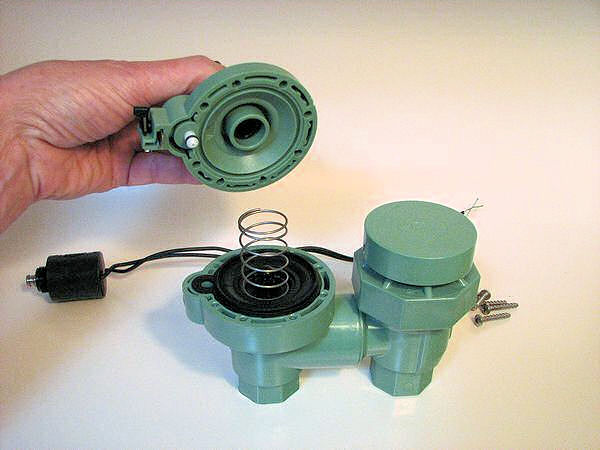
Credit: irrigationtutorials.com
Solenoid Valve Basics
Understanding solenoid valve basics is key. This knowledge helps you troubleshoot. It’s a simple mechanism. It controls water flow. Many irrigation systems use them.
How It Works
A solenoid valve is an electric device. It opens and closes automatically. Electricity powers a coil. This coil creates a magnetic field. The field moves a plunger. The plunger controls a diaphragm. This action starts or stops water. It’s a vital part of irrigation. It makes watering efficient.
Common Valve Types
Different valves exist. Some are normally closed. They block water until powered. Others are normally open. They let water flow freely. Electric current closes these. Diaphragm valves are common. They use a flexible diaphragm. Piston valves are another type. They use a sliding piston. Choose the right valve for your system. This ensures proper function.
Troubleshooting Flow Issues
Troubleshooting flow issues is a common task. Solenoid valves control water. Problems here stop the water. You need to find the cause. This helps restore your irrigation system. Let’s fix these flow problems.
No Water Flow
The valve might be closed. Check the power supply. Is the solenoid energized? The diaphragm could be stuck. Debris can block the valve. Inspect the valve for obstructions. Clean any dirt or grit. Ensure the valve seat is clear. The valve body may be damaged. Replace a broken valve.
Low Water Pressure
Is the valve fully open? Sometimes it does not open completely. Check for partial blockages. A dirty filter can restrict flow. Clean or replace the filter. The water source pressure might be low. Verify your main water supply. A worn valve seal can leak. This reduces pressure. Inspect the valve seals. Consider a valve repair.
Intermittent Flow
The solenoid might be failing. It could be overheating. Electrical connections may be loose. Wiggle the wires gently. A faulty controller could send bad signals. Check the controller’s output. The valve may be cycling on and off. This indicates a control issue. Low voltage can cause problems. Test the voltage at the valve. A partially clogged valve can cause this. Regular maintenance prevents issues.
Solenoid Problems
Solenoid problems often stop your irrigation system. The solenoid controls water flow. It uses electricity to open and close. A faulty solenoid means no water. Or too much water. Troubleshooting these issues is key. We will look at common solenoid failures. Learn how to fix them fast.
Valve Won’t Open
Your valve needs to open. It lets water through. This happens when the solenoid activates. No water flow means trouble. Check the solenoid coil first. Is it getting power? Use a multimeter. Test for voltage. A burnt coil won’t work. Replace a bad coil. Ensure wires are connected. Loose wires cause problems. The valve might be stuck. Debris can block it. Try manually opening the valve. Clean out any dirt. A worn diaphragm can also fail. This stops water movement. Replace the diaphragm if needed.
Valve Won’t Close
The valve must close too. This stops water flow. A valve stuck open wastes water. Check the solenoid again. Is it de-energizing? Ensure it loses power. A surge protector can help. It prevents electrical damage. Sometimes the plunger sticks. This keeps the valve open. Tap it gently. Clean the plunger area. Make sure it moves freely. The valve seat might be damaged. Dirt can prevent a good seal. Clean the valve seat carefully. A damaged seat needs replacement. The spring inside can break. This spring helps close the valve. Inspect the spring for damage. Replace it if it is broken.
Leaking Valve
A leaking valve is annoying. Water drips when it should not. The solenoid might not be closing fully. This is often a sealing issue. Check the diaphragm again. A torn or worn diaphragm leaks. Replace the diaphragm. Inspect the valve seat. Any debris here causes leaks. Clean the seat thoroughly. A warped valve body leaks. This is less common. Check for cracks. The solenoid plunger might not seat properly. Ensure it is clean. It needs to move smoothly. The manual bleed screw can leak. Make sure it is tight. Do not overtighten it.
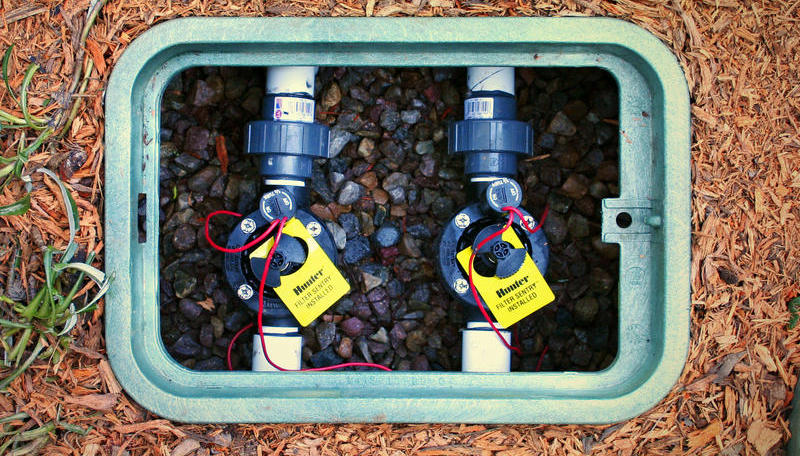
Credit: www.horizononline.com
Electrical Checks
Electrical checks are crucial. They help find many valve problems. Start with the basics. This section guides you. You will learn to check the electricity. This will fix your irrigation system.
Power Supply
Check the power source first. Is it working correctly? Test the voltage. Use a multimeter. Ensure it matches the valve needs. Low voltage causes issues. No voltage means no function.
Wiring Connections
Inspect all wire connections. Look for loose wires. Corrosion can also cause problems. Clean any dirty connections. Ensure wires are secure. This is a common failure point. A good connection is vital.
Solenoid Coil Testing
Test the solenoid coil itself. This part controls the valve. A faulty coil will not open. You can check its resistance. Use your multimeter again. Compare readings to specifications. A coil can fail over time. This test confirms its health.
Mechanical Fixes
Sometimes, solenoid valves act up due to simple mechanical issues. These problems are often easy to fix. You do not need to be an expert. Let’s look at common mechanical fixes.
Cleaning Debris
Dirt can block the valve. This stops water flow. Turn off the water supply first. Disconnect the valve. Take it apart carefully. Remove any dirt or grit. Rinse all parts with clean water. Reassemble the valve. Test it again.
Diaphragm Inspection
The diaphragm is a key part. It controls water movement. Check it for tears or cracks. A damaged diaphragm will leak. It might not open or close properly. If you see damage, replace it. This is a common failure point. A new diaphragm can save the valve.
Replacing Parts
Some parts wear out over time. Springs can lose tension. Seals can become brittle. If cleaning does not help, consider replacement. You can often buy replacement kits. These kits have common wear items. Replacing these parts restores function. It is often cheaper than buying a new valve.
Preventative Care
Preventative care is key for irrigation solenoid valves. It stops problems before they start. Your system works better. It lasts much longer. Think of it as a tune-up for your valves.
Regular Flushing
Flush your valves often. This removes debris. Dirt can clog them. Flushing keeps water flowing freely. It prevents internal damage. Do this at least twice a year.
Filter Maintenance
Check your system’s filters. Clean them regularly. Dirty filters restrict water flow. This strains your valves. It can cause them to fail. Inspect them monthly. Clean or replace as needed.
Seasonal Checks
Perform checks with seasons. Before spring, inspect valves. Ensure they are ready. After fall, winterize your system. This protects valves from freezing. Proper seasonal care prevents damage. It guarantees a smooth start.
Credit: www.proirrigationtraining.com