
Is your Briggs & Stratton engine sputtering or refusing to start? A faulty fuel pump could be the culprit.
Don’t let a stalled mower or generator ruin your day. This guide will walk you through common Briggs Stratton fuel pump problems and how to fix them. You’ll learn to identify the signs of a bad pump and get your equipment running smoothly again.
Let’s dive in and get your engine back in action!
Why Your Briggs & Stratton Pump Fails
A clogged fuel filter or a faulty diaphragm often stops a Briggs & Stratton pump. Check these parts first for common issues. Proper troubleshooting helps fix your pump.
Your Briggs & Stratton fuel pump is vital. It delivers gas to your engine. A failing pump stops your engine. Many things cause this failure. Understanding these reasons helps you fix it.Clogged Fuel Lines
Fuel lines carry gasoline. Debris can block these lines. Dirt and old fuel cause clogs. Clogged lines stop fuel flow. The engine gets no gas.Diaphragm Damage
The fuel pump has a diaphragm. This flexible part moves fuel. It can crack or tear. Age and heat damage it. A damaged diaphragm cannot pump.Vacuum Leaks
The pump uses engine vacuum. This vacuum pulls fuel. A leak breaks the vacuum. Air enters the system. The pump loses its pull.Wear And Tear
All parts wear out. Fuel pumps are no exception. Seals harden over time. Internal parts corrode. This causes them to fail.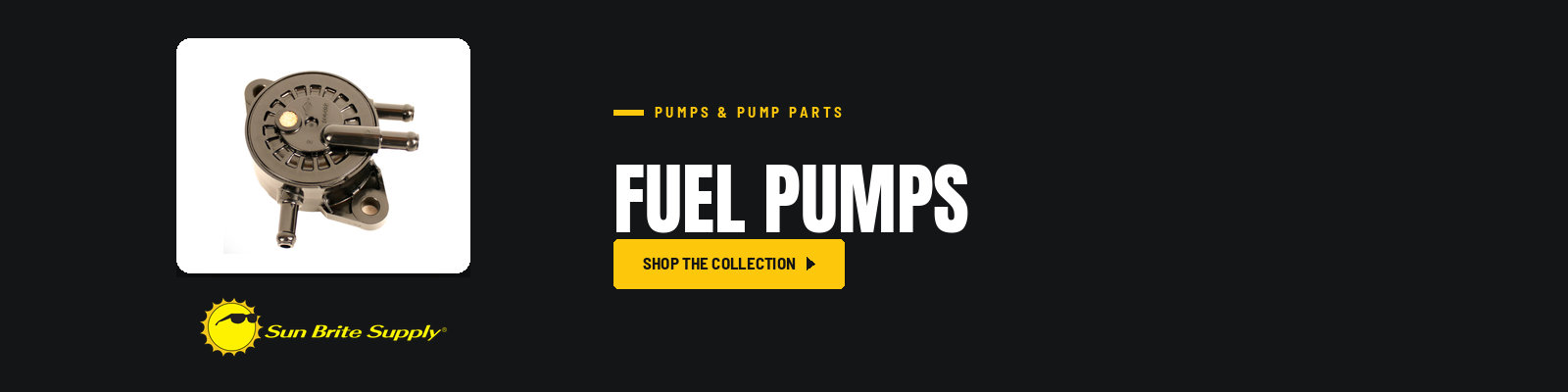
Credit: sunbritesupplymd.com
Signs Of A Bad Fuel Pump
A sputtering engine often signals fuel issues. Listen for a clicking sound from the pump. A weak or absent click means trouble. This points to Briggs Stratton fuel pump problems.
A failing fuel pump causes many problems. Your engine might not run right. You may notice strange engine behavior. These are clear signs something is wrong. A bad pump needs attention.Engine Won’t Start
Your engine refuses to turn over. It makes no attempt to fire. This is a common symptom. The pump delivers no fuel. The engine starves for gasoline.Engine Stalls Or Surges
The engine might suddenly die. It could also run unevenly. It sputters and then speeds up. This is a clear sign. The fuel supply is inconsistent. The pump is not working steadily.Intermittent Power Loss
You lose power during operation. The engine seems to hesitate. This happens without warning. It feels like a hiccup. The fuel flow is unreliable. The pump is failing intermittently.Fuel Leaks
You see fuel dripping. It might be around the pump itself. This is a serious issue. Leaking fuel is dangerous. It signals a damaged pump. A leak needs immediate repair.Tools For The Job
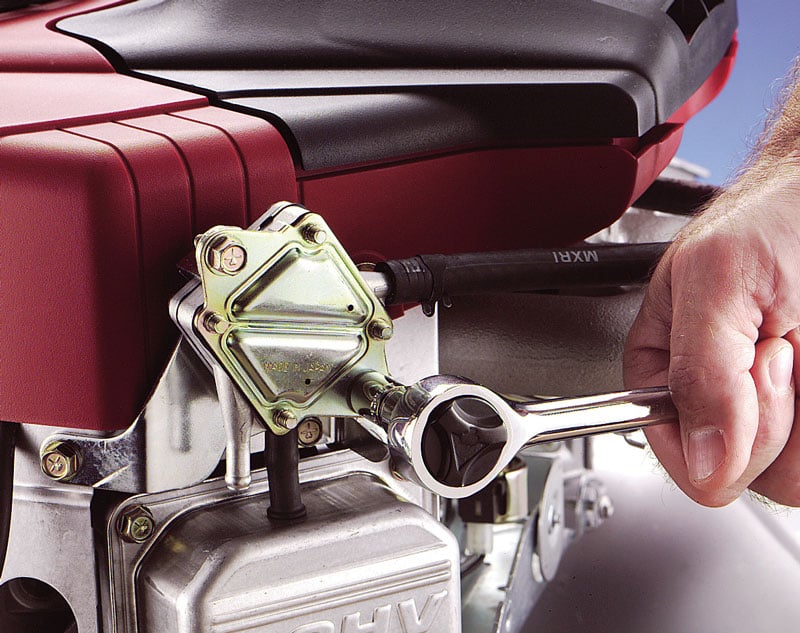
Getting your Briggs and Stratton fuel pump working again requires the right tools. Don’t start without them. Having the correct equipment makes the job easier. It also prevents damage to your equipment.
Basic Hand Tools
You need a few basic tools. A screwdriver set is essential. Get one with different sizes. A wrench set is also important. You might need a socket set. These tools help remove covers. They also loosen fuel lines.
Fuel Line Clamps
Fuel line clamps are very helpful. They stop fuel from leaking out. You can buy special fuel line clamps. Pliers can work too. Use them carefully. Clamp the fuel lines before disconnecting them. This keeps your workspace clean.
Replacement Parts
Sometimes you need new parts. Your fuel pump might be broken. You may need new fuel lines. Always get the right parts. Check your engine’s model number. Use genuine Briggs and Stratton parts. This ensures a good fit. It guarantees proper function.
Credit: www.briggsandstratton.com
Step-by-step Troubleshooting
Troubleshooting a Briggs & Stratton fuel pump can seem daunting. Fear not. We break it down. Follow these simple steps. You will find the problem. It is an organized approach. It saves you time. It saves you frustration. Let’s get started.
Visual Inspection
Look at the fuel pump. Is it cracked? Are there any obvious breaks? Check fuel lines. Are they kinked? Are they damaged? See if fuel is leaking. Look for wet spots. This visual check is crucial. It can reveal simple issues quickly.
Checking Fuel Flow
Disconnect the fuel line. It goes to the carburetor. Place the line in a container. Crank the engine. Does fuel flow out? A strong pulse is good. No fuel flow signals a problem. The pump might be bad. The engine needs fuel. This test confirms delivery.
Testing For Vacuum Leaks
The fuel pump uses engine vacuum. This vacuum powers it. Check the vacuum line. Is it connected? Is it secure? Look for cracks or holes. A leak prevents pump operation. The engine must create suction. A compromised line stops this. Fix any leaks found.
Inspecting The Diaphragm
Remove the fuel pump carefully. You will see a diaphragm. This is a flexible part. Is it torn? Is it hardened? A damaged diaphragm fails. It cannot move fuel. Replace a worn-out diaphragm. This is often the culprit. Inspect it closely for wear.
Common Fixes
Troubleshoot your Briggs and Stratton fuel pump. Check for clogged fuel lines first. Inspect the fuel filter for blockages next. A faulty pump is often the culprit.
Here are some common fixes for Briggs and Stratton fuel pump problems. These steps will help you get your engine running again. Many issues are simple to resolve. You can do them yourself.Cleaning Fuel Lines
Clogged fuel lines stop fuel flow. This starves your engine. Remove the fuel lines. Use compressed air. Blow through them. This clears out debris. Reconnect the lines securely. Check for kinks.Replacing The Diaphragm
A damaged diaphragm causes leaks. It also prevents proper pumping. Remove the fuel pump assembly. Carefully take out the old diaphragm. Install a new one. Ensure it sits flat. Reassemble the pump.Sealing Vacuum Leaks
Vacuum leaks hurt fuel delivery. Air enters where it shouldn’t. Inspect the fuel pump mounting. Look for cracked gaskets. Check the fuel line connections. Use sealant if needed. Tighten all fittings.Replacing The Fuel Pump
Sometimes, the pump fails completely. A new pump is the solution. Remove the old fuel pump. Install the new one. Connect fuel lines tightly. Prime the system if necessary. Test the engine.Preventative Maintenance Tips
Preventative maintenance keeps your Briggs & Stratton engine running. It stops fuel pump problems before they start. Simple steps save you time. They also save you money.
Use Fresh Fuel
Old fuel causes many issues. It breaks down over time. Use fresh gasoline always. Do not store fuel too long. Empty your tank for storage.
Stabilize Fuel For Storage
Storing fuel for long periods? Use a fuel stabilizer. This product keeps fuel fresh. It prevents gum and varnish. Add it before storing your equipment. This is very important.
Regular Filter Checks
Fuel filters get clogged. A clogged filter starves the pump. Check your fuel filter often. Replace it when it looks dirty. A clean filter means good fuel flow.
Keep The Area Clean
Dirt gets into the fuel system. Keep your engine area clean. Wipe away dust and debris. Do not let trash accumulate. A clean workspace helps your engine.

Credit: www.youtube.com
Frequently Asked Questions
Why Is My Briggs Stratton Fuel Pump Failing?
A clogged fuel filter is a common cause. Debris can also block the pump’s internal parts. This prevents fuel from reaching the engine.
How Can I Test A Briggs Stratton Fuel Pump?
Disconnect the fuel line from the carburetor. Crank the engine to see if fuel flows. A strong, steady stream indicates a working pump.
What If My Briggs Stratton Pump Has No Fuel?
Check the fuel tank for adequate fuel. Ensure the fuel line is not kinked or blocked. Inspect the fuel filter for clogs.
Should I Replace Or Repair My Fuel Pump?
Replacement is often easier and more reliable. Repairing can be complex and may not last. New pumps offer peace of mind.
How Often Do Briggs Stratton Fuel Pumps Need Replacing?
There is no set schedule for replacement. Pumps fail due to age or damage. Monitor your engine for signs of trouble.
Can A Bad Fuel Pump Cause No Power?
Yes, a faulty pump starves the engine. It cannot get enough fuel to run. This leads to a lack of power.
Where Is The Fuel Pump Located On My Engine?
It is usually mounted on the engine block. The fuel line from the tank connects to it. Look for a small metal or plastic unit.
Conclusion
Your Briggs Stratton engine needs fuel. A working fuel pump is key. Troubleshooting can save you time. Check for simple fixes first. Inspect the fuel lines carefully. Listen for the pump’s hum. Replace if it’s not working. Get your equipment running again.
Easy steps make it doable. Keep your engine happy.