
Fixing a machine that won’t run or build pressure starts with restoring its water and fuel flow, which solves most Craftsman power washer troubleshooting problems before any parts need replacement. The single most common cause is a restricted water supply or trapped air inside the pump. If your unit runs dry, it can’t build operating pressure.
Common causes to troubleshoot on your Craftsman power washer
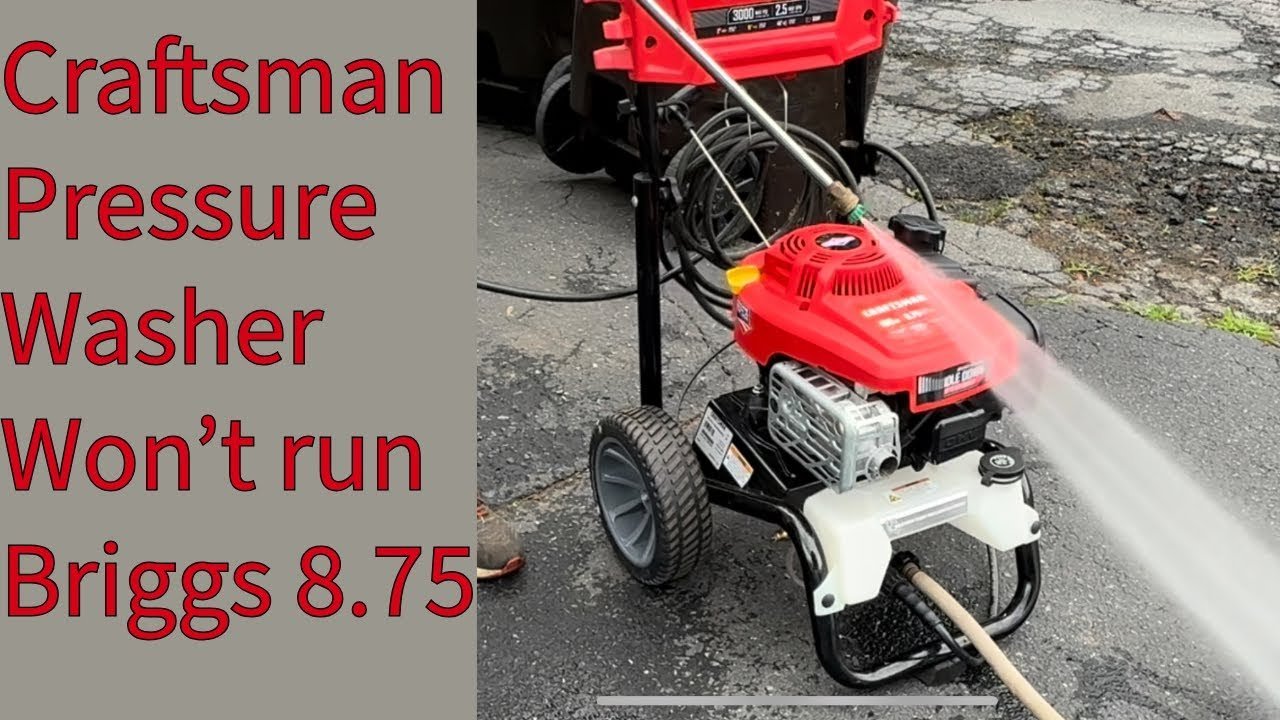 Photo: www.youtube.com on Google
Two main problems cause most washer failures: low water volume entering the pump and fuel delivery trouble in the engine. Power washer pumps require a steady, unrestricted supply of water to compress. When a garden hose kinks, or when inlet mesh screens clog with debris, air gets pulled into the pump chambers. This causes severe pulsing and destroys operating pressure.
On gas models, stale gasoline left in the fuel bowl forms a thick varnish that plugs the tiny jets in the carburetor. For electric models, voltage drops from improper power cords prevent the motor from reaching full operating speed.
Safety: Inside a mains-powered machine, the parts behind the outer cover can hold a dangerous electrical charge even after it has been unplugged — that’s why they sit behind a cover. Opening the housing, or testing or replacing anything behind it, is a job for a qualified technician, never a home repair.
Clear trapped air and check water supply
This fix is for machines that turn on but vibrate heavily, surge, or fail to build strong pressure. Turn off the power washer switch. Keep the garden hose connected to the inlet and turn your home water spigot all the way open. With the high-pressure hose and spray gun attached, squeeze the trigger for about two minutes until a solid, steady stream of water flows out with no spitting air bursts. Reconnect the high-pressure hose and restart the engine. You’ll know it worked when the spray feels solid immediately upon pulling the trigger, without any surging rhythm.
Clean the spray nozzle orifice
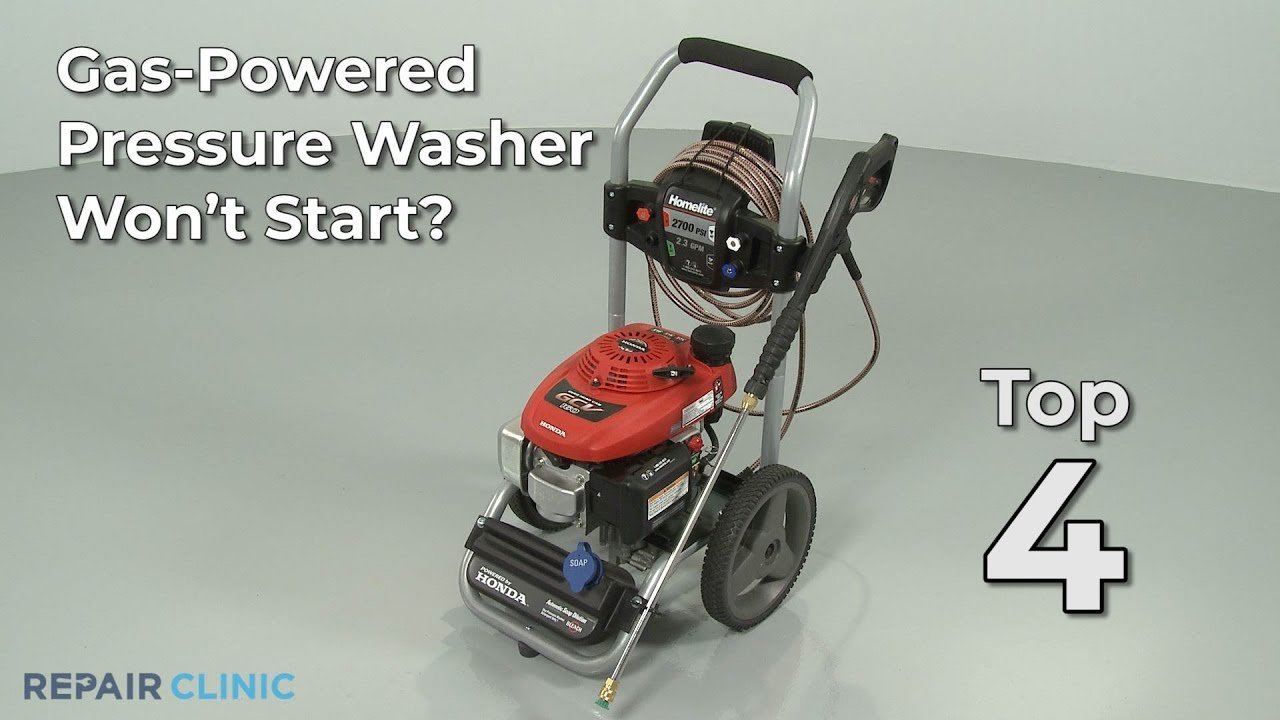 Photo: www.youtube.com on Google
This fix addresses a pump that builds excessive backpressure, bogs down the motor, or suddenly cuts pressure entirely. The trade-off of fine cleaning tips is that tiny dirt particles clog them quickly. Stop the washer, disconnect the wand, and pull out the quick-connect nozzle tip. Take the small wire cleaning tool that came with your unit, or a straightened paperclip, and push it directly through the center hole from front to back to dislodge grit. Flush water backward through the tip to wash away loose sand. This varies by model — check the label on your wand to ensure you use the proper nozzle size.
Purge stale fuel and check engine switches
This step is for gas-powered units that crank but won’t start, or stall out after a few seconds. If the fuel shutoff valve is closed, switch it to open; if the fuel sat in the tank for months, drain the old gas safely into an approved container. Add fresh gasoline mixed with a fuel stabilizer. This fix isn’t for electric unit owners, who should instead test their wall outlet with another appliance.
If fuel reached the spark plug or stale varnish coated internal engine parts, fixing it requires professional mechanical service. The CPSC power washer safety guidelines explain that high-pressure spray can inject fluid through skin, so never attempt home modifications on unloader valves or internal pump seals without certified training.
What not to do
- Running the machine without the garden hose turned fully on damages pump seals within thirty seconds because moving pump pistons rely on incoming cold water for lubrication.
- Leaving a gas pressure washer idling in bypass mode for over two minutes overheats the pump chamber water and melts internal plastic valves.
- Using a thin, 100-foot extension cord on an electric model causes a severe voltage drop, causing the motor to draw excess current and trip your household circuit breaker.
- Storing the machine in a cold garage over the winter without anti-freeze pump protector ruins internal brass fittings when leftover water freezes and expands, which costs you a full pump replacement.
How to stop it happening again
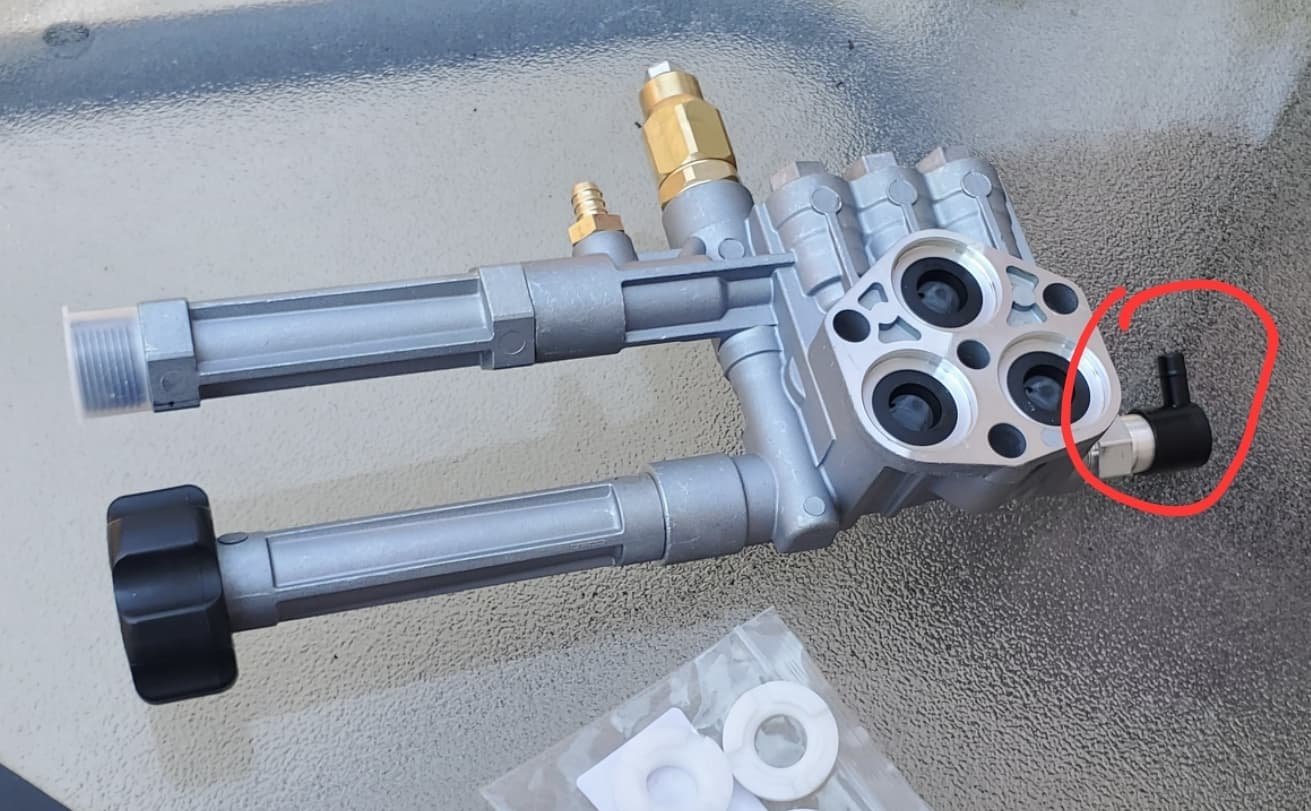 Photo: pressurewashingresource.com on Google
Simple storage routines and regular supply checks prevent almost all sudden pressure drops and startup failures.
| If you’re doing this | Do this instead | Why |
|---|---|---|
| Leaving fuel in the tank all winter | Run the tank dry or use stabilizer | Untreated fuel breaks down into gummy varnish that clogs small carburetor jets |
| Turning the motor on before the spigot | Purge all air through the wand first | Moving pistons without water create extreme friction and ruin pump seals |
| Connecting to narrow 1/2-inch garden hoses | Use a 5/8-inch or larger supply hose | Pumps require steady volume to maintain steady working pressure |
| Storing the washer in freezing weather | Draw pump protector liquid into the inlet | Trapped water expands when frozen, cracking the metal pump housing |
| Storing dirty tips in the wand holder | Rinse nozzles in clear water after use | Dirt dries hard inside the tiny orifice, blocking water completely |
Frequently asked questions
Why does my Craftsman pressure washer lose pressure while spraying?
A dirty nozzle tip or an inadequate garden hose flow usually causes this drop. When the pump demands more water than the house spigot delivers, it pulls air into the lines, which immediately drops output pressure.
Can you run a Craftsman power washer without water?
No, never run the unit without a pressurized water supply attached and turned fully open. The pump relies on cold incoming water to lubricate and cool its internal valves. Running it dry causes catastrophic seal failure in less than a minute.
How do I get soap to dispense from my Craftsman washer?
Soap only dispenses when you insert the wide-mouth black brass tip into the wand. The detergent siphon valve requires low pressure to open; high-pressure tips produce too much backpressure, preventing the chemical line from drawing soap.
What happens if you leave gas in a pressure washer?
Gasoline begins degrading after about thirty days. It forms sticky deposits that plug the carburetor needle valve and jet orifices, which prevents fuel from reaching the combustion chamber the next time you pull the starter cord.
Is it safe to use a standard extension cord with an electric model?
No, using standard light-duty cords can overheat the wiring and burn out the electric motor. If you must use one, select a heavy-duty 12-gauge cord rated for exterior use, or simply use a longer garden hose instead.
Related guides
- Monte Carlo Fan Remote Troubleshooting: Fix Pairing Issues
- Maytag Washer Bravos XL Troubleshooting: Fix Common Errors
- Samsung Clothes Washer Troubleshooting: Fix Common Error Codes