
Is your power washer just not cutting it anymore? You expect a powerful blast to blast away grime, but instead, you’re getting a weak trickle.
Frustrating, right? Low pressure from your power washer can turn a quick cleaning job into a time-consuming chore. But don’t worry, you’re not alone, and the good news is, most low-pressure problems are surprisingly simple to fix. Before you give up and call for expensive repairs, let’s dive into the common culprits behind your power washer’s weak performance and how you can get it back to its full, powerful potential.
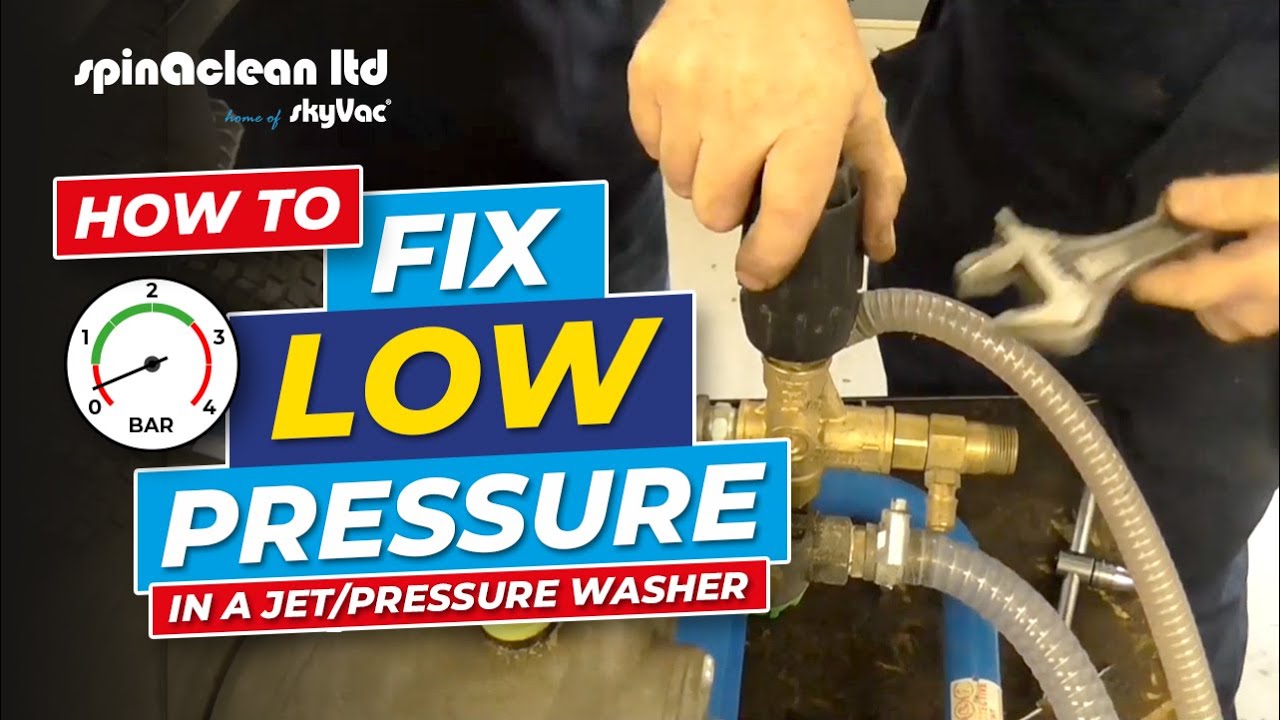
Credit: www.youtube.com
The Pressure Drop Mystery
Your power washer sputters. The mighty stream weakens. Suddenly, pressure is gone. What happened? This is the pressure drop mystery. It’s a common problem. Many users face this issue. Let’s uncover the causes.
Check the garden hose first. Is it kinked? A bent hose restricts water flow. Straighten it out. Ensure the hose is fully open. A partially closed valve also causes problems. Water needs a clear path. A simple check solves many issues.
Inspect the water filter. Most power washers have one. It stops debris from entering. A clogged filter blocks water. Remove the filter carefully. Clean it thoroughly. Rinse it under running water. Reinstall the clean filter. This restores water flow.
Examine the spray nozzle. Is it worn out? Small debris can clog it. A damaged nozzle reduces pressure. Check for any blockages. Clear it with a thin wire. Sometimes, a worn nozzle needs replacement. A clean, intact nozzle is vital.
Look at the water inlet. Is it secure? A loose connection lets air in. Air disrupts water pressure. Tighten the hose connection firmly. Ensure there are no leaks. A good seal is essential. This keeps air out. It maintains consistent pressure.
Consider the pump itself. Is it damaged? Pump issues are serious. They often require repair. Listen for strange noises. Leaks from the pump are bad. A failing pump cannot build pressure. Professional help may be needed.
Check The Obvious First
Before diving deep into complex power washer issues, always check the simple things. Many low pressure problems have easy fixes. Start with the basics. This saves time and frustration. You might find your solution quickly.
Water Supply Issues
Is the water fully on? Check your spigot. Make sure it is open all the way. Is the water pressure good? Test another faucet. Low home water pressure affects the washer. The washer needs enough water. Too little water causes low pressure.
Kinked Hoses
Inspect all hoses carefully. Look for any bends. A kink stops water flow. Straighten out any kinks. Ensure hoses are not twisted. Smooth, straight hoses allow water. This is a common problem. It is easy to fix.
Dirty Filters
Your power washer has filters. These keep out debris. Clogged filters reduce water flow. Locate the inlet filter. It is usually near the water connection. Remove the filter. Clean it thoroughly. Rinse it well. Reinstall the clean filter. This often solves low pressure.
Nozzle Niggles
Your power washer struggles. Low pressure frustrates you. Often, the problem is simple. It starts with the nozzle. These small parts control the spray. They can cause big issues. Let’s look at nozzle problems. They are common. They are fixable.
Clogged Nozzles
Dirt gets into the nozzle. Debris can block water flow. This reduces your washer’s power. You might see a weak spray. Or no spray at all. Check the nozzle tip carefully. Look for any tiny blockages. A small wire or pin can help. Gently poke it through the hole. This clears out the gunk. Rinse the nozzle well after. A clean nozzle means good pressure.
Wrong Nozzle Selection
Power washers use different nozzles. Each has a specific spray pattern. Some are for tough dirt. Others are for gentle cleaning. Using the wrong one causes problems. A nozzle with too wide a spray. It will not concentrate the water. This results in low pressure. Check your power washer’s manual. It shows the correct nozzle. Match the nozzle to your task. The right nozzle makes a difference.
Pump Problems
The pump is the heart of your power washer. It creates the high-pressure spray. When pressure drops, the pump might be the culprit. Several issues can affect pump performance. Let’s explore common pump problems.
Air In The Pump
Air trapped in the pump causes low pressure. This happens if the pump runs dry. It can also occur after maintenance. Air prevents proper water flow. You need to bleed the air out. Check your owner’s manual. It shows how to purge air. This restores consistent pressure.
Worn Seals
Pump seals wear out over time. They keep water inside the pump. Worn seals leak water. This loss of water reduces pressure. Leaks are often visible. You might see water dripping. Replacing worn seals is crucial. This fixes the pressure loss. New seals create a tight seal.
Internal Blockages
Debris can block the pump. Grit or sediment causes this. Blockages restrict water movement. This leads to weak pressure. Inspect the pump’s inlet screen. Clean any visible obstructions. Sometimes, internal parts get clogged. Flushing the pump might help. Removing blockages restores flow.
Engine Or Motor Woes
Low power washer pressure? Check the engine first. Simple fixes can restore your machine’s full force. Don’t let motor problems stop your cleaning.
Your power washer’s engine or motor is its heart. A weak heart means weak pressure. This section helps you find engine problems.Fuel Or Power Issues
Check your fuel first. Is there enough gas? Use fresh gasoline. Old gas causes problems. For electric models, check the power cord. Ensure it is plugged in securely. Verify the outlet has power. A tripped breaker stops the motor. Reset the breaker if needed.Overheating
Engines can get too hot. Overheating reduces power. Let the engine cool down. Do not run it too long. Ensure the air vents are clear. Debris can block airflow. Clean any blockages. This helps the engine stay cool.Internal Damage
Sometimes, the engine is broken inside. This is serious. You might hear strange noises. The engine may not start at all. Look for oil leaks. These can signal internal issues. Repairing internal damage is hard. You might need professional help. A damaged engine needs fixing.Hose And Wand Hurdles
Hose and wand issues can cause low pressure. Check for kinks or blockages. Clear any debris to restore power.
The hose and wand are vital. They deliver water power. Problems here cause low pressure. Let’s fix these common issues.Leaky Connections
Check all hose connections. Look for loose fittings. Water escapes there. Tighten them securely. A loose connection wastes water. This reduces spraying force. Ensure rubber washers are present. They create a good seal. Replace worn washers. A good seal is important.Damaged Hoses
Inspect your garden hose. Look for cuts or kinks. These block water flow. A damaged hose is bad. Repair small holes. Replace a severely damaged hose. A smooth water path is key. Avoid sharp bends. This prevents kinks. Kinks kill pressure.Faulty Wands
Examine the spray wand. Check the nozzle tip. Is it clogged or worn? Debris can block the opening. Clean out any dirt. A worn nozzle sprays poorly. Consider replacing the nozzle. The wand itself can crack. Inspect the wand for damage. A damaged wand needs replacement.Advanced Fixes
Sometimes basic fixes are not enough. Your power washer still lacks power. It’s time for advanced troubleshooting. These steps require more attention. They address deeper issues. Let’s get your machine working hard again.
Unloader Valve Adjustments
The unloader valve controls pressure. It directs water flow. Low pressure means it might be wrong. Look for an adjustment screw. Turn it slowly. Clockwise usually increases pressure. Test the machine. Small adjustments are best. Too much can damage parts. Consult your manual for specifics. Each model is different.
Checking The Bypass Line
The bypass line returns water. It does this when the trigger is off. A blockage here hurts pressure. Inspect the line for kinks. Check for debris inside. Remove any obstructions carefully. A worn bypass hose can leak. Leaks reduce system pressure. Replace damaged hoses immediately. This line is vital for operation. Ensure it is clear and sealed.

Credit: pressurekinginc.com
When To Call A Pro
Sometimes, your power washer needs a professional touch. You’ve tried fixing it. It still has low pressure. It’s time to get expert help.
The Limits Of Diy
You enjoy fixing things yourself. It saves money. It feels good. But some problems are too complex. Your power washer might have them. You could make it worse. A pro knows the right way. They have special tools.
Safety First, Always
Power washers are powerful machines. They use high pressure. This pressure can be dangerous. You could get hurt. Internal parts are complex. You might not understand them. A professional ensures safety. They know how to handle it.
When Simple Fixes Fail
You checked the nozzle. It is clean. You inspected the water source. It is strong. The detergent siphon works. Still low pressure. This suggests deeper issues. Maybe the pump is failing. Perhaps internal seals are bad. These need expert diagnosis.
Protecting Your Investment
Your power washer is an investment. You want it to last. Incorrect repairs can damage it. This leads to costly replacements. A qualified technician can fix it right. They prevent future breakdowns. Keep your machine running well.
When To Make The Call
You are out of ideas. The problem persists. You feel unsure. This is the moment. Call a power washer repair service. They have the knowledge. They have the experience. Let them solve the low pressure issue. Get back to cleaning effectively.

Credit: www.youtube.com
Frequently Asked Questions
Why Is My Power Washer Pressure Low?
Clogged parts can cause low pressure. A dirty filter is a common culprit. Check your nozzle for blockages too.
How To Fix A Weak Power Washer Stream?
Clean the water filter first. Inspect and clean the spray nozzle. Ensure the water supply is strong.
Is My Power Washer Pump Failing?
A failing pump makes a loud noise. It might also leak oil. Reduced pressure is a key sign.
What Causes A Power Washer To Lose Pressure?
Dirty fuel can reduce power. A worn-out pump is possible. Check for leaks in hoses.
How To Increase Power Washer Output?
Use the right size nozzle. Clean all internal components. Ensure full water flow.
Can A Clogged Hose Affect Pressure?
Yes, a blocked hose restricts water. This directly lowers your pressure. Try flushing the hose out.
What If My Pressure Washer Has No Power?
Check the fuel and oil levels. Inspect the spark plug condition. Ensure it’s properly assembled.
Conclusion
Low pressure got you down? Don’t despair. Check your filters first. Ensure the water supply is strong. Inspect the spray nozzle for clogs. Tighten all hose connections securely. These simple steps often fix it. Your power washer should run strong.
Get back to cleaning with power.