
Is your Hunter sprinkler system acting up? Don’t let a malfunctioning sprinkler ruin your lawn’s health!
We know how frustrating it can be when your sprinklers don’t water your yard like they should. That’s why we’ve put together this easy-to-follow guide to help you troubleshoot common Hunter sprinkler system problems. Get ready to get your sprinklers back in top shape and keep your grass looking its best, all by yourself.
Let’s dive in and fix those issues!

Credit: www.youtube.com
Common Hunter Sprinkler Issues
Your Hunter sprinkler system keeps your lawn green. Sometimes, things go wrong. Several common problems can happen. We will explore these issues. Fixing them is often simple. Let’s get started.
Leaky Sprinkler Heads
Heads leak water. This wastes water. It can also damage your lawn. Check the seals. Old seals break down. Replace worn-out seals. Look for cracks in the head. A cracked head needs replacement. Ensure heads are level. Uneven heads can leak. Adjust them carefully.
Sprinklers Not Turning On
Your sprinklers will not run. This is frustrating. First, check the controller. Is it programmed correctly? Is the power on? Check your circuit breaker. A tripped breaker stops power. Inspect the valves. Valves control water flow. A faulty valve won’t open. Listen for a click. A click means power. If no click, check wiring. Loose wires cause problems. Secure any loose connections.
Uneven Watering
Some areas get too much water. Other spots stay dry. This is uneven watering. Check sprinkler head spacing. Heads should overlap coverage. Adjust nozzle direction. Aim water where needed. Clean clogged nozzles. Clogged nozzles spray poorly. Check for low water pressure. Low pressure causes weak spray. This leads to dry spots.
Low Water Pressure
Water pressure is too low. Sprinklers don’t reach far. This causes dry patches. Check your main water valve. Is it fully open? Look for leaks. Leaks reduce pressure. Inspect your backflow preventer. A clogged preventer restricts flow. Clean or replace it. Ensure your pump is working. A weak pump means low pressure.
Controller Malfunctions
The controller is the brain. It controls watering times. A malfunctioning controller fails. Lights may not turn on. Programs might not run. Reset the controller. Remove power briefly. Then restore power. Check the battery. A dead battery causes issues. Replace it if needed. Consult the manual. It has troubleshooting steps. Sometimes, replacement is necessary.
Credit: www.youtube.com
Diagnosing The Problem
Troubleshooting your Hunter sprinkler system starts with diagnosis. You need to find the root cause. This section guides you. We will pinpoint the exact issue. Let’s get your sprinklers working again.
Visual Inspection
First, look closely at your system. Check for obvious damage. Are any sprinkler heads broken? Do you see leaks? Look for wet spots. Inspect the pipes. Are they cracked? Is anything blocking the heads? A quick visual check helps a lot.
Checking The Controller
Your sprinkler controller manages everything. Is it powered on? Check the display. Does it show any error codes? Are the settings correct? Ensure the date and time are right. Try resetting the controller. Sometimes, this fixes small glitches. Confirm it’s programmed for your needs.
Testing Zone Valves
Each zone has a valve. These valves control water flow. Listen for a faint humming sound. This happens when a valve opens. If you hear nothing, the valve may be faulty. You can manually test them. This often requires access to the valve box. Check for water leaks around the valves. A malfunctioning valve stops watering.
Pressure Gauge Readings
Water pressure is very important. Use a pressure gauge. Connect it to a spigot. Check the pressure during operation. Is the pressure too low? This could mean a leak. It might indicate a valve problem. High pressure can damage sprinklers. Consistent pressure is ideal. Low pressure means poor coverage. This needs immediate attention.
Fixing Sprinkler Heads
Sprinkler heads are vital. They deliver water to your lawn. Problems often start here. Easy fixes exist for common issues. Let’s explore them.
Replacing Nozzles
A broken nozzle causes problems. Water sprays unevenly. It might not spray at all. Unscrew the old nozzle. Screw on a new one. Match the spray pattern. Ensure a snug fit. Test the sprinkler.
Cleaning Filters
Dirt clogs sprinkler filters. This reduces water flow. Remove the sprinkler head carefully. Locate the filter screen. Rinse it under running water. Scrub gently with a brush. Reassemble the head. Check water pressure.
Adjusting Head Height
Heads can sink too low. Grass can block the spray. Dig around the head. Gently lift it up. Bury the riser slightly. Ensure the head is level. Water should clear the grass. Test the coverage.
Tightening Connections
Loose connections leak water. They waste precious resources. Check where the head connects. Use pliers for a gentle turn. Do not overtighten the fitting. A slight turn is often enough. Look for visible drips. Fix any leaks found.
Addressing Valve And Controller Issues
Valve and controller problems are common. These parts control your sprinkler system. Troubleshooting them is key. You can fix many issues yourself. Let’s explore these common problems.
Valve Diaphragm Repair
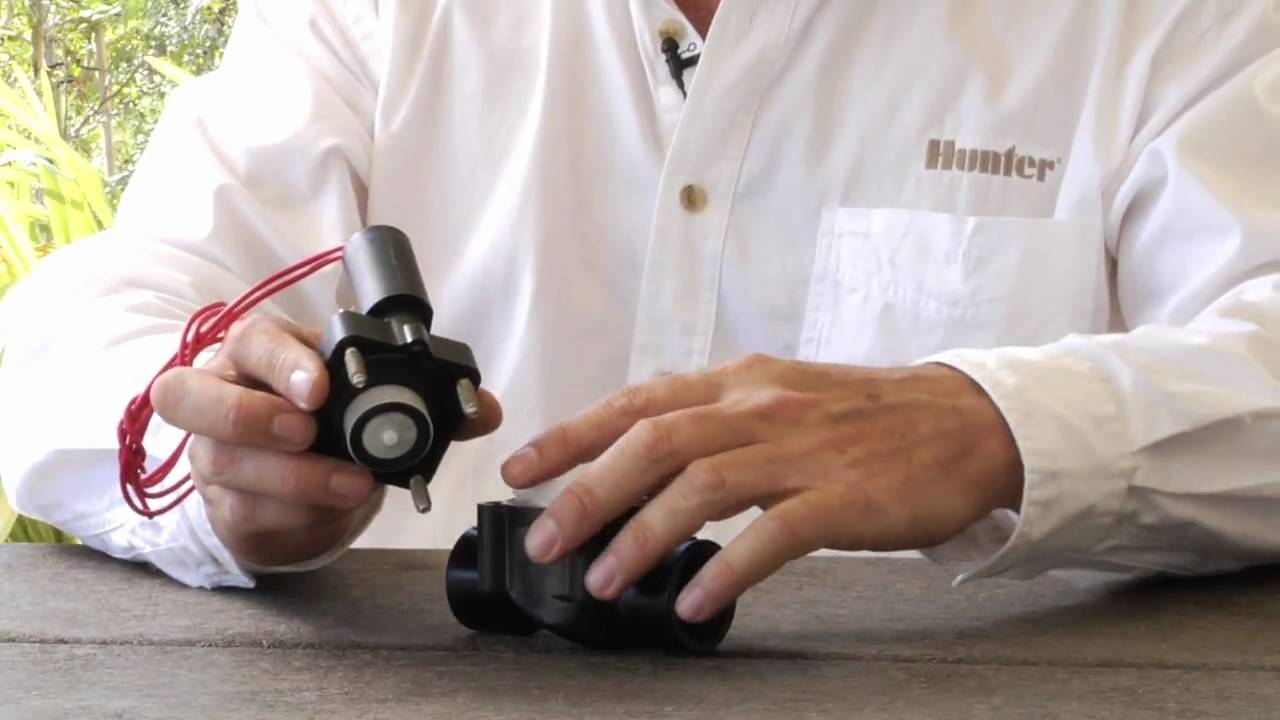
The diaphragm is a rubber part. It seals the valve. Dirt can clog it. Water pressure can damage it. Turn off the water supply. Remove the valve cap. Inspect the diaphragm carefully. Clean it gently with water. Replace it if torn or stiff. This is a simple fix. It restores water flow.
Wiring Checks
Loose wires cause problems. Check the controller wires. Ensure they are secure. Look for damaged insulation. Corrosion can also be an issue. Clean any corroded connections. Use a wire brush. Make sure all connections are tight. Proper wiring is essential. It sends signals to the valves.
Resetting The Controller
Sometimes controllers glitch. A simple reset can help. Find the reset button. It might be inside. Consult your controller manual. Press and hold the button. This clears temporary errors. Your controller will restart. It often fixes minor issues. Try this before complex repairs.
Replacing Faulty Valves
Some valves fail completely. A worn-out valve needs replacement. Turn off the main water supply. Disconnect the wires. Unscrew the old valve. Install the new valve. Connect the wires again. Turn the water back on. Test the new valve. This ensures your system works.
Water Pressure Woes
Water pressure problems can make your sprinkler system useless. Low pressure means poor coverage. High pressure can damage your system. Let’s fix these water pressure woes.
Identifying Leaks
Leaks are a common cause. Check your pipes for wet spots. Look for puddles in your yard. A steady drip is a clear sign. Listen for hissing sounds underground. A small leak can waste much water. Fixing leaks is crucial for pressure.
Checking For Blockages
Debris can block water flow. Inspect sprinkler heads for dirt. Clean out any clogged nozzles. Check the main water filter. A dirty filter restricts water. Remove any obstructions you find. Clear passages restore good pressure.
Adjusting Pressure Regulators
Pressure regulators control water flow. They ensure consistent pressure. Locate your system’s regulator. Turn the adjustment screw slowly. Increase pressure if it’s too low. Decrease pressure if it’s too high. Set pressure for optimal sprinkler function. Proper adjustment is key.
Preventative Maintenance Tips
Preventative maintenance keeps your Hunter sprinkler system working well. Simple steps save you trouble later. A little care goes a long way. It ensures your lawn gets the water it needs. This prevents costly repairs. Your system will last longer.
Seasonal Checks
Check your system each spring. Look for any leaks. Inspect sprinkler heads for damage. Ensure they pop up correctly. Test each zone. Adjust sprinkler heads as needed. This keeps water on the grass. It keeps water off sidewalks.
Regular Cleaning
Clean sprinkler heads often. Debris can clog them. Remove the filter screens. Rinse them thoroughly. Brush away dirt and grit. Reassemble them carefully. Clean filters improve spray patterns. Your lawn gets even watering.
Winterization Best Practices
Prepare your system for winter. Drain all water from pipes. This prevents freezing and cracking. Use compressed air for blowing out. Follow manufacturer instructions. Shut off the water supply. Store indoor controllers safely. Proper winterization is crucial. It protects your investment.
When To Call A Professional
Sometimes sprinkler issues need expert help. Don’t try to fix everything yourself. Some problems are too big for DIY. Knowing when to call a pro saves time. It also prevents more damage. Trust your gut. Big problems need big solutions.
Complex Electrical Problems
Electrical issues can be tricky. Sparks might fly. You might smell burning. Your sprinkler system might not turn on. These signs point to electrical trouble. Faulty wiring needs a trained hand. A professional can find the break. They will fix it safely. Do not risk electric shock. Call the experts right away.
Major Pipe Bursts
Water gushing everywhere? This is bad. A major pipe burst is serious. Your lawn might flood. You could lose a lot of water. This requires immediate attention. Digging up pipes is hard work. Professionals have the right tools. They can locate the burst quickly. They will repair the pipe fast. Stop the water flow. Protect your property.
System-wide Failures
Your whole system is down. Nothing works at all. Zones don’t activate. Heads don’t pop up. This is a big problem. It could be a main line issue. It might be a controller failure. A professional can diagnose this. They understand the whole system. They can find the root cause. Get your sprinklers running again. Call for expert assistance.

Credit: www.youtube.com
Frequently Asked Questions
Hunter Sprinkler Not Turning On?
Check your controller’s power supply and ensure it’s programmed correctly. Verify that the circuit breaker for the sprinkler system hasn’t tripped. A tripped breaker often stops everything.
Sprinkler Heads Leaking Water?
Inspect sprinkler heads for cracks or loose fittings. Tighten any loose connections you find. Replace any damaged sprinkler heads promptly.
Low Water Pressure From Sprinklers?
Ensure your main water supply valve is fully open. Check for any clogs in the sprinkler filter. Obstructions can significantly reduce pressure.
Hunter Sprinkler Zones Not Working?
Examine the wiring connections at the controller and valves. Look for any signs of corrosion or damage. Loose wires are a common culprit.
Sprinkler System Running Too Long?
Review your controller’s run times and watering schedules. Adjust settings to prevent overwatering. Shorter, more frequent watering can be better.
Sprinkler Heads Spraying Unevenly?
Clean any debris from the sprinkler nozzles. Adjust the nozzle pattern if needed. Proper nozzle function ensures even coverage.
Hunter Controller Error Message?
Consult your sprinkler system’s manual for specific codes. Often, an error indicates a wiring issue. Resetting the controller might also help.
Conclusion
Your Hunter sprinkler system needs care. Simple fixes solve many problems. Check your sprinklers regularly. Look for leaks and clogs. Adjust sprinkler heads for good coverage. Watering your lawn efficiently is key. Most issues are easy to handle. Keep your system working well.
Enjoy a healthy, green yard.