
Are you having trouble with your electric brake controller? If your trailer brakes aren’t working the way they should, it can be frustrating and even dangerous.
But don’t worry—you’re not alone, and fixing the issue might be easier than you think. You’ll learn simple, step-by-step tips to troubleshoot your electric brake controller. Keep reading to discover how to get your brakes back in perfect working order quickly and safely.
Your peace of mind on the road starts here.
Common Brake Controller Issues
Electric brake controllers are important for safe towing. They help control the trailer brakes. Problems with the controller can cause unsafe braking or no braking at all. Knowing common issues helps you fix problems fast. This keeps your trailer safe on the road.
No Power To Controller
The controller needs power to work. No power means it won’t turn on. Check the fuse first. A blown fuse stops power flow. Look at the wiring next. Loose or broken wires cause power loss. Make sure the battery connection is tight. Power problems are usually easy to find and fix.
Brake Controller Not Engaging
The controller must engage to apply brakes. If it does not, the trailer brakes won’t work. Test the manual override switch. If it does not activate brakes, the controller may be faulty. Check the wiring between the controller and trailer. Bad connections stop signals. Also, inspect the brake magnets on the trailer. They must move freely for braking.
Weak Or Uneven Braking
Brakes that feel weak or uneven can be dangerous. Weak braking means the trailer brakes do not stop well. Uneven braking causes the trailer to pull to one side. Check the brake controller’s settings first. Adjust the gain control to increase braking power. Inspect the brake shoes or pads on the trailer. Worn parts cause poor braking. Also, look for damaged wiring or bad ground connections.
Controller Display Problems
The display shows important info about the brakes. If the screen is blank or flickering, the controller may have electrical issues. Check the power supply and wiring. Dirty or corroded connectors can cause display trouble. Reset the controller by disconnecting power for a few minutes. Persistent display problems might mean the controller needs replacement.
Checking Electrical Connections
Checking electrical connections is a key step in fixing electric brake controller issues. Loose or damaged connections often cause problems. Start by carefully examining each connection point. A strong connection helps the brake controller work properly. Poor connections can cause weak or no braking power. Follow these steps to ensure all electrical parts are working well.
Inspecting Wiring And Fuses
Look at all wiring connected to the brake controller. Check for broken, frayed, or corroded wires. Damaged wiring can stop signals from reaching the brakes. Also, check the fuses. A blown fuse cuts off power to the brake controller. Replace any damaged wires or blown fuses. Make sure wires are secure and clean for good contact.
Testing The Brake Controller Plug
Examine the plug that connects the brake controller to the vehicle. Dirt or corrosion on the plug can cause poor connection. Unplug it and clean the contacts with a soft cloth. Check for bent or broken pins. A faulty plug can stop the controller from sending signals. Replace the plug if damaged.
Battery And Ground Connection
Check the battery connection to the brake controller. A weak battery connection can cause erratic controller behavior. Look for loose or corroded battery terminals. The ground connection is just as important. A bad ground can cause electrical faults. Clean and tighten both battery and ground connections to ensure steady power flow.
Adjusting Brake Controller Settings
Adjusting brake controller settings is key to a smooth towing experience. Proper settings help the trailer brakes work in sync with your vehicle. This prevents jerky stops and keeps control during braking. Small tweaks can make a big difference in safety and comfort.
Setting The Gain Correctly
Gain controls the power sent to the trailer brakes. Set it too high, and the brakes lock up. Too low, and the trailer won’t stop well. Start with a low gain setting. Increase it slowly while testing on a quiet road. Adjust until the trailer brakes feel firm but not harsh.
Adjusting Sensitivity Levels
Sensitivity adjusts how quickly the brake controller reacts. Higher sensitivity means quicker brake response. Lower sensitivity gives a smoother, slower brake application. Choose a setting that matches your driving style. Test in different traffic conditions to find the best balance.
Manual Vs. Proportional Mode
Manual mode lets you apply trailer brakes by hand. This is useful on steep hills or slippery roads. Proportional mode applies brakes based on your vehicle’s braking force. It feels more natural and adjusts automatically. Many drivers prefer proportional mode for everyday towing.
Testing The Brake Controller
Testing the brake controller ensures it works properly and keeps your trailer safe. This step checks electrical connections and the controller’s response. It helps find problems early before they cause accidents or damage. Follow simple methods to test the system.
Using A Multimeter
A multimeter measures electrical signals in the brake controller system. Set the meter to read voltage or resistance. Connect the probes to the controller’s output terminals. Press the brake pedal to see if voltage appears. No voltage means a wiring or controller issue. Check resistance for broken wires or bad grounds.
Performing A Brake Test
Attach the trailer and drive slowly in a safe area. Apply the trailer brakes using the controller. Feel if the brakes engage smoothly and evenly. Listen for any unusual noises or delays. Uneven braking or no response points to controller or brake problems. Repeat the test several times for accuracy.
Identifying Faulty Components
Look for signs of wear or damage on wires and connectors. Inspect the brake magnets and drum for rust or breaks. Test each part separately with the multimeter if needed. Replace damaged wires, connectors, or magnets. Faulty components cause weak or no braking power. Fixing these parts restores the controller’s function.
Quick Fixes For Common Problems
Electric brake controllers can stop working properly for different reasons. Many problems have quick fixes. These fixes save time and money. They help get the brakes working again fast. Here are some common issues and simple ways to fix them.
Resetting The Controller
Sometimes the brake controller needs a reset. This clears error messages and glitches. To reset, turn off the vehicle. Wait a few minutes. Turn the vehicle back on. Press the reset button on the controller if it has one. Check if the brakes respond properly after the reset.
Replacing Blown Fuses
Blown fuses stop the controller from getting power. Check the fuse box for any broken fuses. A blown fuse looks dark or broken inside. Replace it with a new fuse of the same rating. Always turn off the vehicle before changing fuses. Test the controller after replacing the fuse to see if it works.
Cleaning Corroded Connectors
Corrosion on connectors can block the signal. Check all plugs and connectors for rust or dirt. Use a small brush or cloth to clean them. You can also use electrical contact cleaner. Make sure connectors are dry before reconnecting. Clean connectors help the controller communicate with the trailer brakes well.

Credit: trailparts.co.nz
When To Seek Professional Help
Knowing when to seek professional help for electric brake controller issues is important. Some problems can be fixed at home. Others need expert care to avoid risks. Understanding the signs helps protect your vehicle and trailer.
Complex Wiring Issues
Wiring problems can be tricky and dangerous. If wires are tangled, broken, or unclear, call a pro. Incorrect wiring can cause failure or damage. Professionals have the tools and knowledge to fix complex electrical systems safely.
Persistent Controller Malfunctions
Controllers that keep failing need expert attention. Simple resets or adjustments might not work. A professional can diagnose hidden faults. They ensure the controller works reliably for safe braking every time.
Safety Concerns And Inspections
Brake systems are critical for safety. If you doubt the system’s condition, get a professional inspection. Experts check all parts thoroughly. They fix issues that could cause accidents or legal problems.
Maintenance Tips To Prevent Issues
Keeping your electric brake controller in good shape is key to safe towing. Regular care stops small problems from becoming big ones. Simple steps can keep your brake controller working well for years.
Regular Inspection Schedule
Check your brake controller every few months. Look for loose wires or worn parts. Make sure the connections are tight and clean. Testing the controller ensures it responds correctly. Early checks catch issues before they cause trouble.
Protecting Electrical Components
Keep all electrical parts dry and free from dirt. Use protective covers on plugs and connectors. Avoid exposing wires to sharp edges or moving parts. Secure cables so they do not hang or drag. This prevents damage and short circuits.
Updating Firmware If Available
Some brake controllers have software to update. Check the manufacturer’s website for updates. New firmware can fix bugs and improve performance. Follow instructions carefully to install updates safely. Staying current keeps your system reliable.
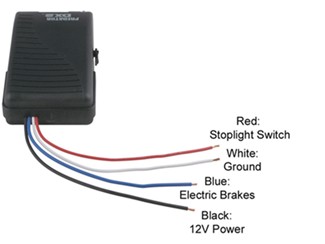
Credit: www.etrailer.com

Credit: www.youtube.com
Frequently Asked Questions
What Causes An Electric Brake Controller To Stop Working?
Common causes include loose wiring, blown fuses, or a dead battery. Check connections and power supply first.
How Do I Test My Electric Brake Controller?
Use a multimeter to check voltage at the controller and trailer connection. Follow the manufacturer’s test steps.
Why Is My Electric Brake Controller Not Powering The Trailer Brakes?
This often happens due to faulty wiring or a bad ground connection. Inspect wires and ensure a solid ground.
Can A Bad Brake Controller Cause Trailer Brakes To Lock?
Yes, a malfunctioning controller can send constant power, causing brakes to lock. Test and replace if needed.
How Do I Fix A Flashing Light On My Brake Controller?
A flashing light usually signals an error or short circuit. Check wiring and trailer connectors for problems.
What Tools Do I Need For Electric Brake Controller Troubleshooting?
You need a multimeter, wiring diagram, and basic hand tools. These help identify electrical faults quickly.
Conclusion
Electric brake controller problems can be fixed with clear steps. Check wiring and connections first. Test the controller settings to match your trailer. Keep your system clean and dry to avoid issues. Regular maintenance helps prevent future troubles. Stay calm and follow the guide carefully.
Proper care keeps your brakes working well and safe. Troubleshooting does not need to be hard. You can solve most problems by yourself. Drive with confidence knowing your brakes respond right.