
Is your Bryant heating or cooling system acting up when you need it most? You rely on it to keep your home comfortable, but when it starts making strange noises or stops working altogether, frustration sets in fast.
Don’t worry—you’re not alone, and many common issues have simple fixes you can try yourself. In this guide, you’ll discover easy troubleshooting tips that can save you time, money, and stress. Keep reading to learn how to get your Bryant system back on track quickly and confidently.
Common Bryant System Issues
Bryant heating and cooling systems can face some common problems. These issues affect comfort and system performance. Understanding these problems helps in quick troubleshooting and repair. Here are the most frequent Bryant system issues and what they mean.
No Heating Or Cooling
The system does not produce heat or cool air. This could be due to a faulty thermostat, tripped breaker, or a blown fuse. Sometimes, the system needs a reset or filter replacement. Check the power supply and settings first.
Unusual Noises
Strange sounds like banging, rattling, or squealing can signal trouble. Loose parts, worn belts, or motor issues may cause noise. Ignoring sounds can lead to bigger problems. Early attention helps avoid costly repairs.
Frequent Cycling
The system turns on and off too often. This wastes energy and strains components. Causes include a dirty air filter, improper thermostat placement, or wrong system size. Fixing these helps improve efficiency and comfort.
Poor Airflow
Weak airflow reduces heating or cooling. Blocked vents, dirty filters, or duct leaks often cause this. Check the air filter and vents regularly. Proper airflow keeps the system working well.
Thermostat Problems
The thermostat may show wrong temperature or not respond. Dead batteries, loose wires, or outdated models can cause this. Test and replace batteries or upgrade the thermostat if needed. Accurate control is key to comfort.

Credit: www.thegreenfactor.eu
Basic Troubleshooting Steps
Basic troubleshooting steps help solve many Bryant heating and cooling issues. These steps save time and avoid unnecessary repairs. Anyone can perform these simple checks. Start here before calling a professional.
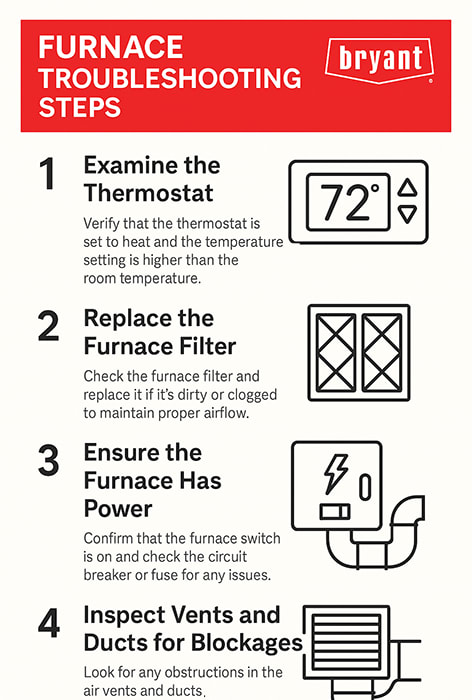
Check Power Supply
Ensure the system is plugged in and switched on. Look for any tripped circuit breakers or blown fuses. Power interruptions often cause the system to stop working. Restore power to see if the unit starts running again.
Inspect Air Filters
Dirty air filters block airflow and reduce efficiency. Remove and check filters regularly. Replace filters if they look clogged or dirty. Clean filters improve air quality and system performance.
Reset The System
Turn off the thermostat and power to the unit. Wait for about five minutes. Turn everything back on to reset the system. This step can clear minor errors and glitches.
Examine Thermostat Settings
Check if the thermostat is set to the right mode: heating or cooling. Confirm the temperature setting is correct. Replace batteries if the thermostat screen is blank. Incorrect settings prevent the system from running properly.
Clear Vents And Registers
Blocked vents stop air from flowing freely. Remove any objects covering vents and registers. Keep furniture and curtains away from airflow paths. Clear vents help maintain even temperature in rooms.
Fixing Heating Problems
Heating problems in Bryant systems can cause discomfort during cold days. Fixing these issues quickly helps keep your home warm and safe. Understanding common heating faults makes repairs easier and faster.
Below are simple steps to troubleshoot and fix heating problems in your Bryant heating system.
Pilot Light And Ignition Issues
The pilot light helps start the heating process. If it goes out, your heater won’t warm your home. Check if the pilot light is on. If it is off, try relighting it carefully following the manual. Sometimes, dirt or drafts can cause the pilot to go out.
Ignition problems may also stop the heater from working. The ignition system should spark correctly. If you hear clicking without ignition, the igniter might need cleaning or replacing.
Blocked Or Dirty Burners
Burners burn the fuel to create heat. Dirt or blockages can stop burners from working well. This can cause uneven heating or strange smells. Turn off the heater and clean the burners gently with a brush or vacuum. Keep the area around burners clear of dust and debris.
Regular cleaning of burners helps your heater run efficiently and safely.
Faulty Heat Exchanger
The heat exchanger warms the air that flows into your home. Cracks or damage to this part can lead to dangerous gas leaks. Look for signs like strange smells or poor heating. If you suspect a heat exchanger problem, call a professional immediately. Do not use the heater until it is checked.
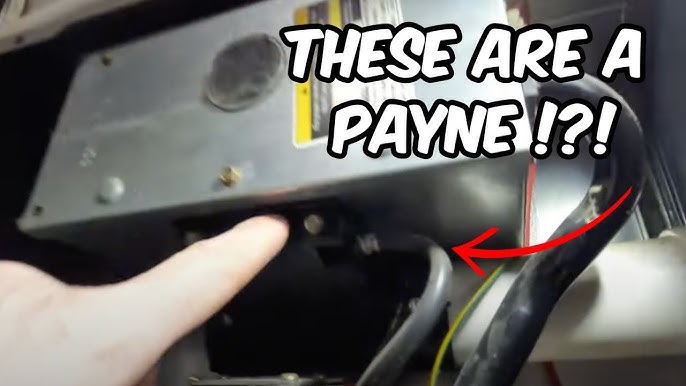
Fan Problems
The fan moves warm air through your home. If the fan is not working, warm air won’t circulate properly. Listen for unusual noises or check if the fan spins freely. Dust and dirt can block the fan blades. Clean the fan blades carefully and remove any debris. If the fan motor fails, it may need replacement.
Credit: www.youtube.com
Fixing Cooling Problems
Fixing cooling problems in Bryant heating and cooling systems requires understanding common issues. These problems can affect your comfort and increase energy bills. Identifying the cause helps you take the right steps to repair your system quickly. Below are some frequent cooling problems and how to fix them.
Refrigerant Leaks
Refrigerant leaks reduce the cooling power of your system. Signs include warm air from vents and hissing noises. Check for oily spots on pipes or coils. Repairing leaks involves locating the source and sealing it. After fixing, recharge the system with the correct refrigerant amount. A professional technician should handle this to avoid damage and ensure safety.
Dirty Condenser Coils
Dirty condenser coils block heat transfer, making the system work harder. This causes poor cooling and higher energy use. Clean the coils by turning off the power and using a soft brush or coil cleaner. Remove dirt, leaves, and debris regularly to keep coils clear. Clean coils improve efficiency and extend the system’s life.
Frozen Evaporator Coils
Frozen evaporator coils stop air from cooling properly. Low airflow or low refrigerant levels often cause freezing. Turn off the system and let the ice melt before restarting. Check and replace dirty air filters to improve airflow. If freezing continues, call a technician to inspect refrigerant levels and system function.
Compressor Issues
The compressor pumps refrigerant and is key to cooling. Signs of compressor problems include loud noises or no cooling. Overheating and electrical faults can cause failure. Turn off the system to prevent more damage. Compressor repairs require a professional. Regular maintenance can help avoid these issues.
Dealing With Airflow Issues
Airflow issues can cause your Bryant heating and cooling system to work poorly. You may notice weak air coming from vents or uneven temperatures in rooms. These problems make your home less comfortable and can raise energy bills. Identifying the cause of airflow issues helps you fix the problem quickly. Below are common reasons for poor airflow and how to address them.
Blocked Ductwork
Ducts carry air throughout your home. Dirt, dust, and debris can block these ducts over time. Blocked ductwork reduces air volume and makes your system work harder. Check for visible blockages near vents and access points. Cleaning or repairing ducts can restore proper airflow and improve system efficiency.
Faulty Blower Motor
The blower motor pushes air through your system. If the motor fails or runs weakly, airflow decreases. You might hear unusual noises or notice no air from vents. Testing the blower motor ensures it works well. Repair or replace the motor to restore strong airflow and comfort.
Damaged Fan Belts
Fan belts connect the blower motor to the fan. Worn or broken belts cause the fan to slow or stop. This lowers the amount of air moved by your system. Inspect belts for cracks or breaks. Replace damaged belts to keep airflow steady and your system running smoothly.
Credit: www.bryant.com
Thermostat Troubleshooting
Thermostats control your Bryant heating and cooling system. When the system acts up, the thermostat often plays a key role. Checking the thermostat first can save time and money. Simple fixes here can restore comfort quickly.
Calibration And Settings
A thermostat may show the wrong temperature. This happens if it is not calibrated correctly. Check the temperature reading with a separate thermometer. Adjust the thermostat settings to match the real room temperature. Make sure the system mode is set to heat or cool as needed. Incorrect settings can stop your system from working properly.
Battery Replacement
Many thermostats use batteries to work. Weak or dead batteries cause the thermostat to stop responding. Replace old batteries with fresh ones. Always use the type recommended by Bryant. After replacement, check if the thermostat powers on and controls the system correctly. This simple step often fixes common problems.
Wiring Inspection
Loose or damaged wires can break thermostat connections. Turn off the power to your system before inspecting wires. Open the thermostat panel and look for loose, frayed, or corroded wires. Tighten any loose connections carefully. Replace damaged wires if possible. Proper wiring ensures signals reach your heating and cooling system without interruption.
When To Call A Professional
Knowing when to call a professional for Bryant heating and cooling issues saves time and prevents damage. Some problems require expert care to ensure safety and proper repair. Simple troubleshooting helps, but certain signs mean it’s time to get help.
Safety Concerns
Dealing with electrical parts can be dangerous. Sparks, burning smells, or strange noises need immediate attention. Gas leaks or carbon monoxide risks demand professional service right away. Avoid risks by letting experts handle these issues.
Complex Repairs
Some problems need special tools and knowledge. If your system won’t start or keeps shutting off, call a technician. Issues with compressors, motors, or circuit boards require skilled hands. DIY fixes may cause more damage or void warranties.
Regular Maintenance
Scheduled maintenance keeps your system working well. Professionals clean, inspect, and adjust parts to prevent breakdowns. Regular check-ups improve efficiency and extend equipment life. Plan annual service to avoid costly repairs later.
Frequently Asked Questions
What Are Common Bryant Heating And Cooling Problems?
Common issues include thermostat errors, dirty filters, and frozen coils. These often cause poor heating or cooling performance. Regular maintenance helps prevent most problems.
How Can I Reset My Bryant Hvac System?
Turn off the power to the unit for about 30 seconds. Then turn it back on to reset the system. This can clear minor errors and improve operation.
Why Is My Bryant System Blowing Warm Air Only?
Warm air may mean a dirty filter or low refrigerant levels. Check the filter first and replace if dirty. If problem continues, call a professional.
How Often Should I Change Bryant Hvac Air Filters?
Change filters every 1 to 3 months depending on usage and air quality. Clean filters improve airflow and system efficiency. This keeps your unit running well.
What Does A Blinking Light On Bryant Thermostat Mean?
Blinking lights usually signal a system error or maintenance need. Refer to your manual for specific blink codes. It helps identify the exact issue quickly.
Can I Fix Bryant Hvac Issues Myself Safely?
Simple tasks like changing filters or resetting the unit are safe to do. Avoid complex repairs to prevent damage or injury. Always call a pro for major problems.
Conclusion
Bryant heating and cooling units can face common issues. Troubleshooting helps spot problems early and save money. Check filters, thermostats, and power first. Simple fixes often restore comfort quickly. For complex problems, call a professional technician. Regular care keeps your system running well.
Stay warm in winter and cool in summer. Trust your Bryant system to work efficiently. Take action when you notice unusual sounds or smells. Enjoy a comfortable home year-round with proper maintenance.