
You can fix common samsung refrigerator problems by checking the evaporator coils for ice buildup, as this is the most frequent cause of cooling loss. If you find a thick block of ice near the coils, your defrost system is failing. Unplugging the unit for 24 hours to let it melt is the first step, but you must also check the defrost heater and sensor for electrical continuity. When these parts fail, the frost returns within days.
Why your Samsung refrigerator has cooling problems
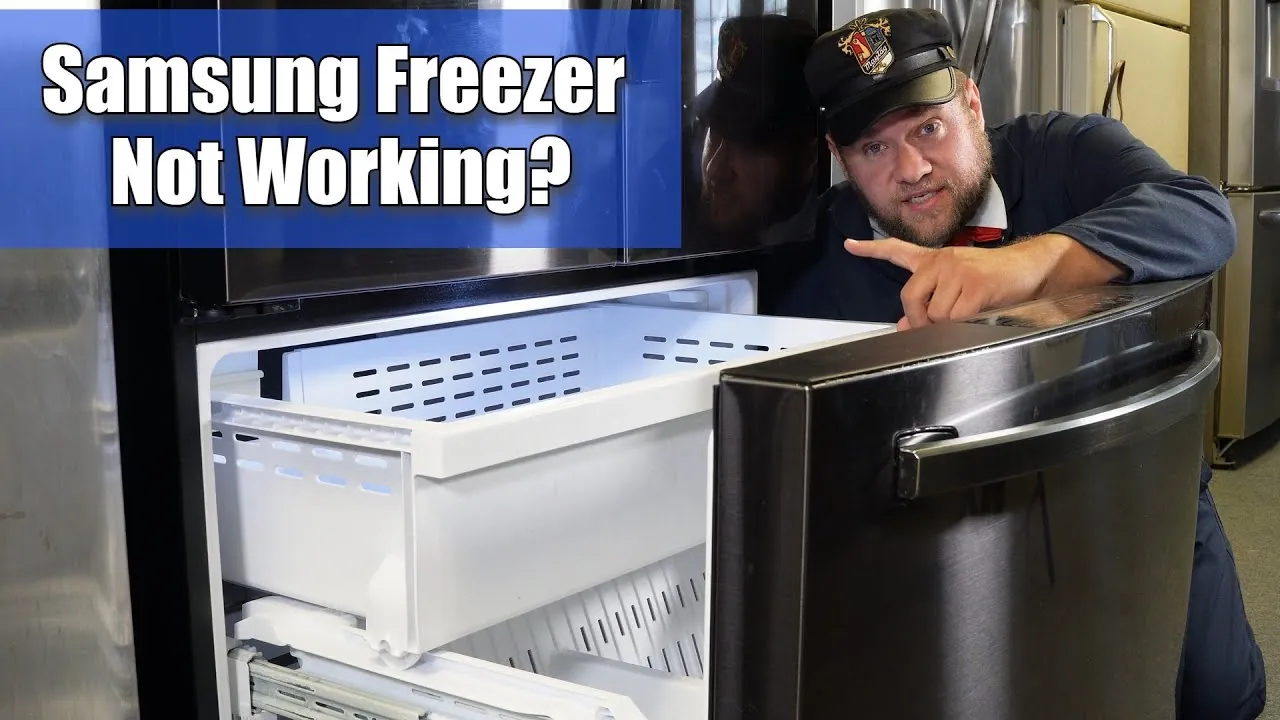
Most cooling failures happen because the automatic defrost cycle stops working correctly. Inside your unit, a heater turns on periodically to melt frost off the coils. If the defrost sensor or the heater fails, ice builds up until it blocks the airflow from the freezer to the fridge section. This prevents cold air from circulating, even if the compressor is running normally.
If you hear a loud humming noise coming from the back, but the interior feels warm, ice buildup is the likely culprit. You can confirm this by removing the back panel in the freezer; if you see a thick wall of frost covering the coils, the defrost heater is likely dead. Replace the heater and the thermostat as a set to ensure the system cycles properly.
Another common issue involves the door seals. If the rubber gasket is torn or doesn’t sit flush against the frame, warm, humid air enters the fridge. This extra moisture turns into frost on the coils much faster than usual. You can test this by closing the door on a piece of paper; if it slides out easily, the seal isn’t tight enough.
Finally, clogged condenser coils cause the system to overheat. The coils sit at the bottom or back of the fridge and release heat from inside the appliance. When they’re covered in dust or pet hair, the compressor works harder and gets hotter.
Clean these coils based on your specific usage, as the owner’s manual is the final authority on maintenance frequency. If the fridge is silent and the light is on but the compressor won’t kick in, clean the coils first before assuming the compressor has failed.
Clear the ice from the evaporator coils
If your freezer is cold but the fridge is warm, you likely have an ice blockage. To fix this, first unplug the refrigerator to keep yourself safe from electrical shocks. Remove the food and the back panel inside the freezer compartment to reveal the evaporator coils. If you see them buried in a solid block of ice, you have found the source of your problem.
Use a hair dryer on a low setting to melt the ice, but keep it moving constantly. Never use a knife or sharp tool to chip at the ice, as hitting the thin aluminum lines will puncture the refrigerant system and ruin the fridge. Once the ice is gone, look for the defrost sensor clipped to the coils. If you have a multimeter, check the sensor for continuity while it’s cold.
If the sensor shows no continuity when cold, it’s faulty and needs a replacement. If the sensor is fine, the fault often lies with the main control board. Replacing a control board requires specific knowledge of your unit’s wiring; if you aren’t comfortable working with electrical components, contact a certified technician. This fix isn’t for those who lack basic tools or experience with appliance repair.
Replace the worn door gaskets
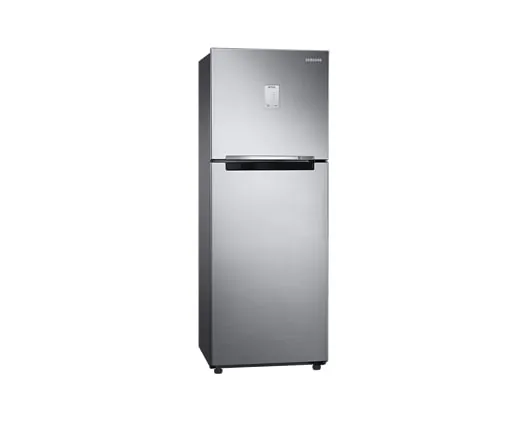
A loose door seal is a silent killer for refrigerator efficiency. When the seal fails, the compressor runs almost constantly to fight incoming heat. This constant running shortens the lifespan of your cooling system and inflates your electricity bill.
To test your seal, close the door on a single sheet of notebook paper. If you can pull the paper out with zero resistance, the gasket is no longer creating an airtight vacuum. If the paper stays firmly in place, the seal is still functioning correctly.
Inspect the rubber gasket around the entire perimeter of both the fridge and freezer doors for cracks or brittle spots. If you find gaps where the magnet no longer pulls the door tight, replace the gasket immediately.
Pull the old gasket out of its track and press the new one into place. Warming the new rubber with a hair dryer makes it more flexible and easier to seat in the channel. After installing, clean the seal with mild soap and water to ensure it’s free of debris.
This replacement only works if the door hinges are aligned. If the door hangs crooked, even a new seal will leak. Check for a drop in the door when you open it; if the door sags, tighten the hinge screws on top of the fridge.
If the hinge itself is visibly bent or the door still fails the paper test after a new gasket is installed, you must replace the entire hinge bracket to restore proper closure. Ignoring a sagging hinge will quickly destroy your brand-new gasket, costing you both the price of the part and the labor of a second installation.
Clean the condenser coils to restore airflow
Cleaning the condenser coils is the most effective way to prevent overheating and compressor failure. These coils are usually located behind a removable grill at the bottom front or back of the fridge. When these coils are dusty, the fridge can’t shed heat, which leads to higher internal temperatures and potential mechanical damage.
To clean them, unplug the fridge and remove the kick plate. Use a long-handled coil brush and a vacuum with a hose attachment to remove every bit of dust and lint. Be careful not to bend the delicate fins while cleaning. If the coils are extremely dirty, you might need to use a soft cloth to reach the tight spots between the tubes.
Most homeowners make the mistake of only cleaning the surface. If you see a thick mat of dust, you must use a vacuum crevice tool to pull debris from the gaps between the coils.
This job is worth the effort if your fridge makes a loud humming sound or runs constantly without cycling off. If the coils are already clean but the unit still runs hot, the condenser fan motor might be failing. Listen for the sound of a fan when the compressor is running; if it’s silent or grinding, the motor needs a replacement.
If you hear a rhythmic clicking sound, the issue is likely the start relay, not the coils. This is a task for someone with basic mechanical skills, as it involves removing panels and electrical connections. Always wear gloves to protect your hands from the sharp edges of the metal housing.
Common mistakes that make cooling worse
- Overstuffing the shelves: Blocking the air vents with food prevents circulation, so keep the area near the vents clear to ensure cold air moves freely.
- Leaving the door open: Frequent or long openings let in warm air that turns to frost, so try to grab everything you need at once.
- Using a knife to chip ice: Puncturing the coils releases refrigerant, which is a costly repair that often exceeds the value of an older appliance.
- Ignoring error codes: Displayed codes often point to specific sensor failures, so look them up in your manual rather than just resetting the power.
How to stop it happening again
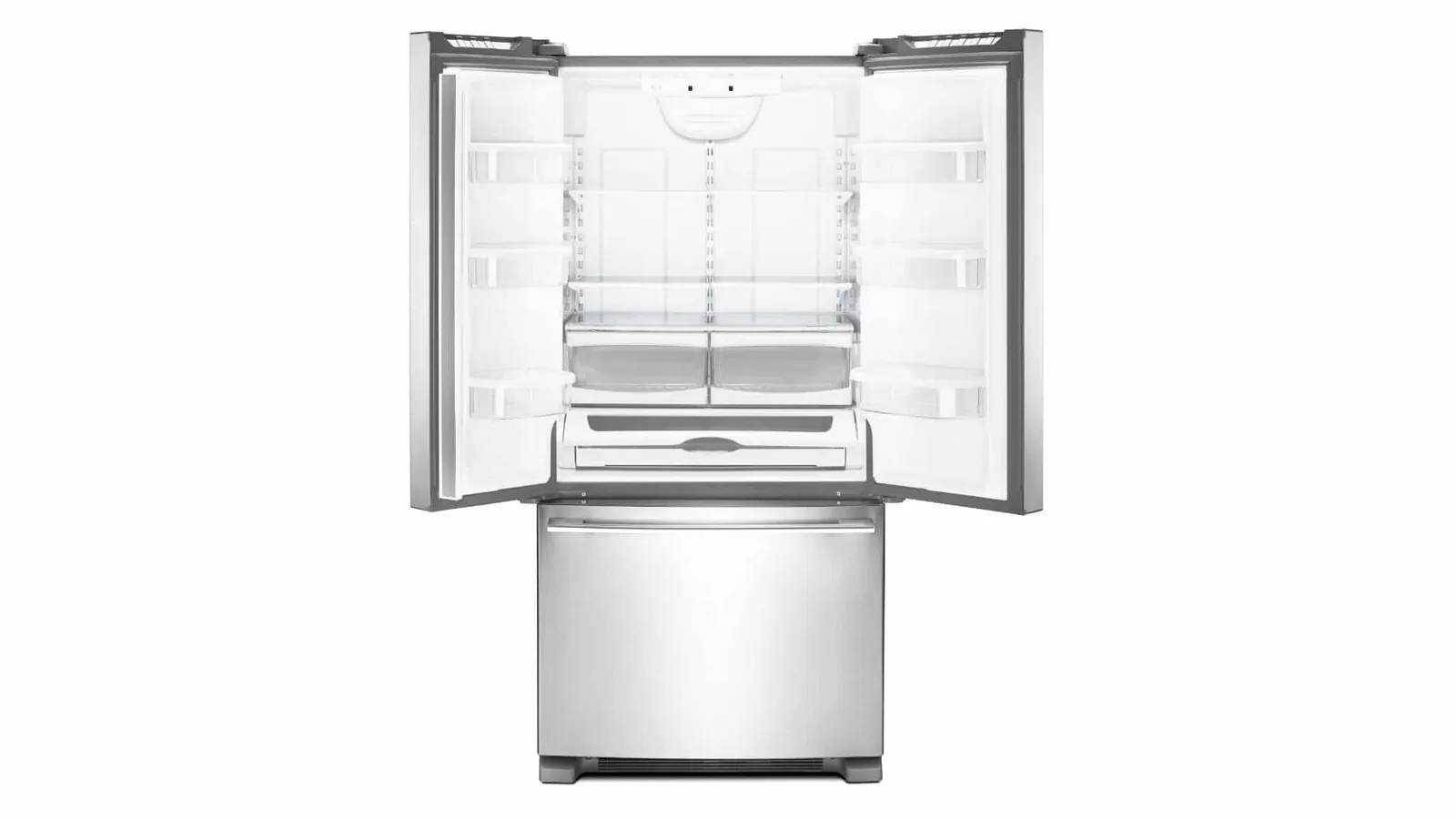
Maintaining a steady temperature requires keeping the airflow pathways clear and the exterior components clean. If you notice your fridge is struggling, act before the frost becomes a solid block.
| If you’re doing this | Do this instead | Why |
|---|---|---|
| Pushing food against the back wall | Leave 2 inches of space | Air needs to circulate |
| Ignoring a warm fridge | Check the coils for ice | Ice blocks cold air |
| Cleaning only the inside | Vacuum the back coils | Dust traps heat outside |
| Forcing a stuck door | Replace the gasket | Leaks waste cold energy |
Frequently asked questions
How long should a samsung refrigerator last?
Most refrigerators last between 10 and 15 years with regular maintenance. This estimate assumes the unit is kept in a climate-controlled room and the condenser coils are cleaned regularly. Lifespan may be shorter if the fridge is kept in a hot garage or high-humidity environment.
Is it safe to use the fridge if it isn’t cooling?
No, it isn’t safe to keep perishable food in a fridge that stays above 40°F. Bacteria like Salmonella and Listeria grow rapidly in food held between 40°F and 140°F. Discard any meat, dairy, or leftovers if the fridge has been warm for more than two hours.
Why is my samsung refrigerator making a loud noise?
A loud noise usually comes from a failing condenser fan or an evaporator fan hitting ice. If the noise is coming from the back, it’s likely the condenser fan hitting dust or a worn bearing. If the noise is coming from inside the freezer, ice buildup is likely interfering with the evaporator fan blades. Unplug the unit and check for debris or ice accumulation before assuming the motor itself has failed.
How do I reset a samsung refrigerator?
You can reset the control board by unplugging the unit from the wall for 5 minutes. This action clears temporary errors and forces the system to re-scan its sensors upon startup. Don’t use this as a permanent fix if cooling problems persist.
What is the ideal temperature for the fridge?
The ideal setting for the fresh food section is 37°F and the freezer should be 0°F. These temperatures provide the best balance between food safety and energy efficiency for most modern units. Adjust these settings slightly if your food freezes or remains too soft.
Keeping your appliance clean and monitoring the internal temperature will prevent most major failures.
Conclusion
If the ice continues to build up after you’ve replaced the faulty parts, it’s time to call a professional technician. They’ll have the right tools to check the control board for deeper issues. Don’t wait until your food spoils; getting it sorted early will save you a lot of stress later on.