
The Tev’s Role
The TEV controls refrigerant flow. It maintains proper system pressure. Diagnosing TEV issues is key for efficient cooling.
The Thermal Expansion Valve (TEV) is vital. It controls refrigerant flow. This ensures optimal cooling. The TEV adjusts to system needs. It maintains proper evaporator pressure. This keeps your AC running smoothly.Sensing The Temperature
The TEV has a sensing bulb. This bulb attaches to the suction line. It measures refrigerant temperature. This temperature reading is crucial. It tells the TEV how to react.Regulating Refrigerant Flow
The TEV opens and closes. This action controls refrigerant. It meters liquid refrigerant. This happens at the evaporator inlet. Too much refrigerant is bad. Too little is also bad. The TEV finds the right balance.Maintaining Superheat
Superheat is key. It is the temperature above saturation. The TEV maintains correct superheat. This prevents liquid floodback. Liquid floodback damages the compressor. The TEV protects this expensive part.Adapting To Loads
Cooling loads change. Your AC works harder sometimes. It works less at other times. The TEV adapts to these changes. It adjusts refrigerant flow accordingly. This maintains consistent cooling. It improves energy efficiency.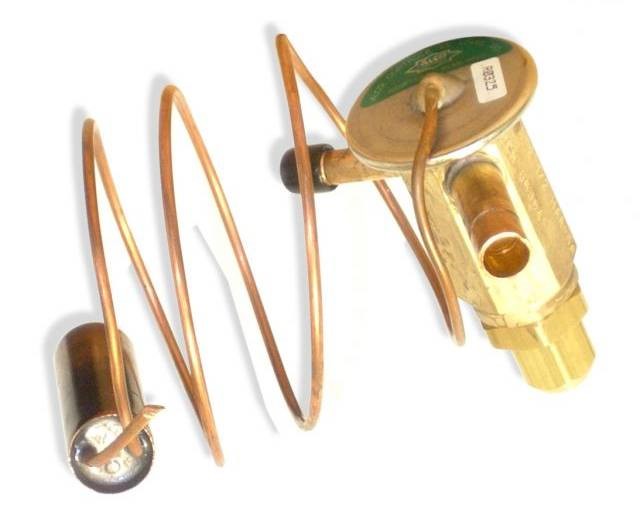
Credit: superiorsignal.com
Common Tev Symptoms
Understanding common Thermal Expansion Valve (TEV) symptoms helps diagnose cooling system problems. A TEV controls refrigerant flow. Its performance impacts system efficiency. Recognizing these signs is crucial for quick repairs.
Low Superheat
Low superheat means too much refrigerant. The evaporator coil floods. This can damage the compressor. Look for a very cold suction line. The TEV might be stuck open.
High Superheat
High superheat indicates low refrigerant flow. Not enough refrigerant enters the evaporator. The system struggles to cool. The TEV might be stuck closed. The sensing bulb may lose its charge.
Intermittent Operation
Intermittent operation is confusing. The system cools sometimes. It fails at other times. This suggests a TEV that is sticking. It may respond slowly to changes. Check for obstructions in the line.
Frosty Bulb
A frosty sensing bulb is a bad sign. It means the bulb is too cold. This happens when refrigerant is overfeeding. The TEV is likely stuck open. This causes ice to form on the bulb.
No Cooling
No cooling can have many causes. A TEV malfunction is one possibility. The valve might be completely blocked. No refrigerant enters the evaporator. This stops all cooling. Check for other issues first.
Diagnostic Tools
Troubleshooting a thermal expansion valve requires specific diagnostic tools. These tools help pinpoint issues quickly. Accurate readings ensure proper system function.
Troubleshooting a TXV requires specific tools. These tools help you understand system performance. They reveal hidden problems. Accurate readings are crucial. Use reliable equipment.Temperature Gauges
Temperature gauges measure refrigerant temperature. Place them on the suction line. Also check the liquid line. Compare these readings. They indicate refrigerant state. Hotter lines mean issues. Colder lines signal other problems.Pressure Gauges
Pressure gauges measure system pressure. Connect them to service ports. You need both low and high side readings. These pressures tell much. Low suction pressure is common. High head pressure is another sign. These readings guide your diagnosis.Superheat Calculation
Superheat is vital. It is the temperature above saturation. Measure suction line temperature. Find the suction pressure. Convert pressure to saturation temperature. Subtract saturation temperature from line temperature. This is your superheat. Proper superheat ensures efficiency. Too high or too low signals TXV trouble.Troubleshooting Steps
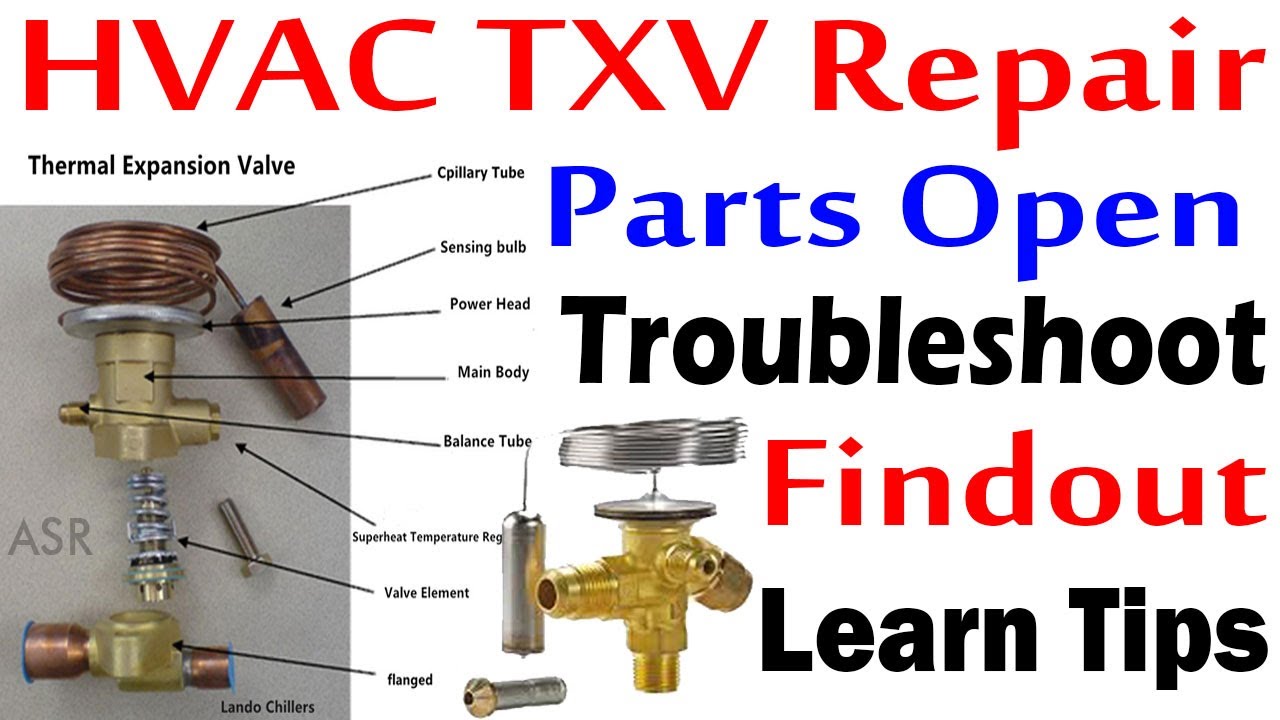
Troubleshooting a thermal expansion valve (TXV) can seem daunting. But following a clear process makes it manageable. These steps help identify the root cause of TXV issues. Let’s dive into the practical troubleshooting. You can fix your system efficiently. This guide simplifies the process. It ensures your HVAC system runs smoothly.
Check Refrigerant Charge
First, check the refrigerant level. Low charge causes problems. The TXV may not get enough refrigerant. This can lead to poor cooling. It can also cause freezing. Verify the charge is correct. This is a crucial first step.
Inspect The Sensing Bulb
Next, examine the sensing bulb. It sits on the suction line. Ensure it is securely attached. It must have good thermal contact. Dirt or insulation can interfere. This affects the TXV’s operation. A loose bulb is a common fault.
Examine The Valve Body
Look closely at the valve body. Check for any external damage. Leaking refrigerant can freeze. Ice on the valve is a bad sign. Inspect the connections for leaks. A damaged valve needs replacement.
Verify Line Set Integrity
Assess the line set condition. Ensure it is not kinked. Kinks restrict refrigerant flow. Proper insulation is also vital. Damaged insulation affects performance. This impacts the TXV’s readings.
Assess Airflow
Finally, check the airflow. Poor airflow stresses the system. Dirty filters restrict air. Blocked vents cause issues. Good airflow helps the TXV. It ensures proper system operation. This impacts the entire HVAC unit.
Specific Tev Issues
A thermal expansion valve (TEV) is vital. It controls refrigerant flow. Malfunctions cause big problems. Let’s explore specific TEV issues. This helps diagnose your system.
Stuck Open Valve
A TEV can get stuck open. Refrigerant flows too much. This causes low suction pressure. The evaporator may freeze up. Ice forms on the coil. The system won’t cool well. Superheat readings will be low. This indicates too much liquid. It can damage the compressor. Check for proper superheat. Adjust or replace the valve.
Stuck Closed Valve
A TEV can also stick closed. Refrigerant flow is restricted. This causes high suction pressure. The evaporator won’t get enough. The system’s cooling suffers greatly. Superheat readings become very high. This means no liquid reaches the compressor. It can overheat and fail. Check superheat levels. A stuck closed valve needs replacement. It prevents proper operation.
Leaky Valve
Sometimes a TEV leaks. Refrigerant can bypass the valve. This leads to inconsistent control. Superheat levels fluctuate wildly. The system may short cycle. Cooling performance is unpredictable. You might see frost on the valve. This suggests a refrigerant leak. A leaky valve needs prompt attention. Repair or replace it quickly.
Incorrectly Sized Valve
Using the wrong size TEV is bad. It may be too large or too small. A large valve allows too much flow. This mimics a stuck open valve. Low suction pressure results. A small valve restricts flow. This acts like a stuck closed valve. High suction pressure occurs. Always use the correct valve size. Proper sizing ensures efficiency. It prevents system damage.
Credit: www.youtube.com
Preventative Maintenance
Preventative maintenance is key. It keeps your Thermal Expansion Valve (TXV) working well. This avoids costly repairs later. Regular checks catch small issues early. This ensures efficient system operation. It also extends equipment life.
Regular Inspections
Inspect your TXV often. Look for leaks. Check for corrosion. Listen for unusual noises. Ensure connections are secure. This simple step saves trouble.
Filter Drier Replacement
Replace the filter drier regularly. It traps moisture and debris. A clogged drier harms the TXV. Follow manufacturer guidelines. This protects your system.
System Cleaning
Keep the refrigeration system clean. Dirt can block the TXV. Flush the system periodically. This removes contaminants. A clean system runs better.
When To Call A Pro
Experiencing cooling issues? A faulty thermal expansion valve can cause problems. If your system struggles to cool or makes strange noises, it’s time for expert help. Call a professional for accurate diagnosis and repair.
Some HVAC issues are DIY-friendly. Others demand expert attention. Your Thermal Expansion Valve (TXV) might fall into the latter category. Knowing when to seek professional help protects your system. It also prevents costly mistakes.Signs Your Txv Needs Expert Help
Your air conditioner runs but blows warm air. This is a big red flag. The TXV controls refrigerant flow. A faulty TXV stops this flow. Your cooling suffers greatly. You hear strange noises from your unit. Hissing or gurgling sounds are bad signs. These noises suggest refrigerant leaks. Leaks require specialized tools. Professionals handle refrigerant safely. Your energy bills are suddenly higher. An inefficient TXV wastes energy. It makes your system work harder. This drives up your electricity costs. An HVAC technician can diagnose this. Ice forms on refrigerant lines. This indicates a refrigerant problem. The TXV may be stuck open. It might be stuck closed. Both scenarios cause ice buildup. Your system cycles on and off rapidly. This is called short cycling. It’s a sign of system imbalance. The TXV plays a key role here. A pro can pinpoint the cause.Why Professional Txv Service Is Crucial
Refrigerant is a hazardous substance. Improper handling can harm you. It can also damage the environment. Certified technicians know safety protocols. They have the right equipment. TXV adjustment is complex. It requires precise measurements. Incorrect settings damage your compressor. Compressors are very expensive parts. Avoid this risk. HVAC systems are intricate. Many parts work together. A TXV issue can signal other problems. A pro can see the whole picture. They offer comprehensive solutions. Warranty protection is important. DIY repairs can void warranties. Professional service keeps warranties valid. This saves you money long-term. Your comfort is at stake. A malfunctioning AC is miserable. Professionals restore your system quickly. They ensure optimal performance. Trust the experts for TXV issues.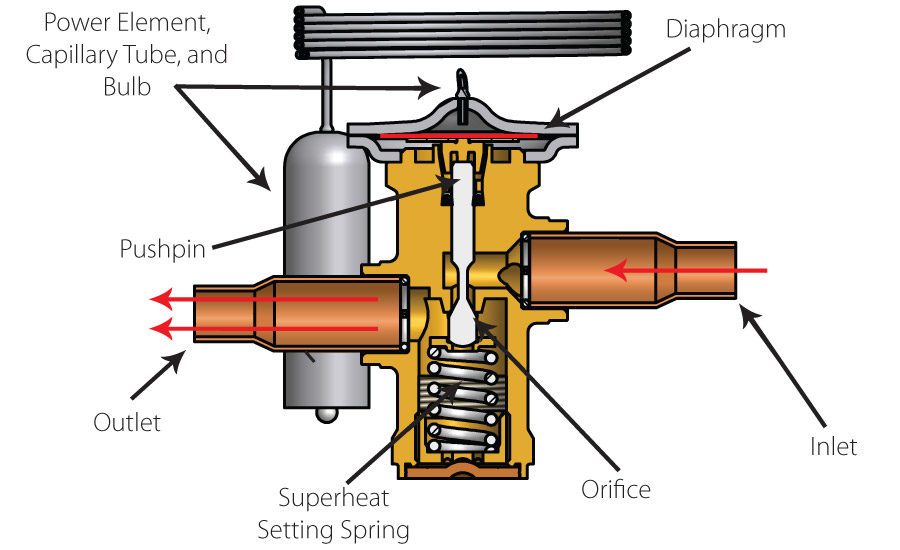
Credit: www.achrnews.com
Frequently Asked Questions
What Is A Txv Valve?
A TXV valve controls refrigerant flow. It ensures the right amount enters the evaporator. This keeps your system running well.
Why Is My Txv Valve Failing?
TXV valves can clog or wear out. Dirt or debris is a common cause. A faulty valve disrupts cooling.
How Do I Know If Txv Is Bad?
Your AC might blow warm air. You may see ice on the valve. Low system pressure is another sign.
Can A Bad Txv Cause Leaks?
A bad TXV itself doesn’t leak. But, it can cause other parts to strain. This might lead to refrigerant leaks elsewhere.
What Happens If Txv Is Stuck Open?
Too much refrigerant enters the evaporator. This can flood the compressor. It leads to poor cooling performance.
What If Txv Valve Is Stuck Closed?
Not enough refrigerant flows. The evaporator won’t get cold enough. This results in weak cooling.
How To Test A Txv Valve?
Check system pressures carefully. Measure superheat and subcooling. These readings help diagnose valve issues.