
Whitfield pellet stove troubleshooting is primarily about ensuring your fuel, airflow, and sensors are working in harmony to maintain a consistent burn. Most issues stem from poor fuel quality or a buildup of ash that blocks the air paths required for combustion. If your stove fails to start or shuts down unexpectedly, check the burn pot for clogs and ensure your hopper is feeding pellets correctly before looking for deeper mechanical faults.
Whitfield Pellet Stove Troubleshooting
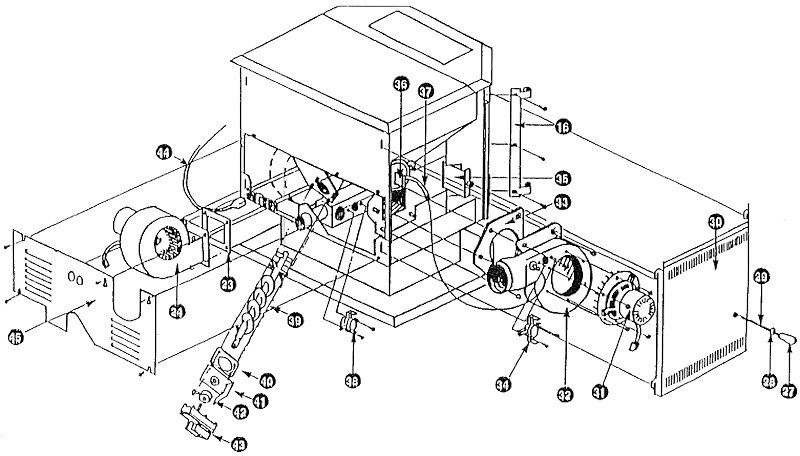
Most stove failures occur because the internal sensors detect a safety risk and cut power to the feed motor. The most common cause is ash accumulation. When ash builds up in the burn pot, it restricts the flow of oxygen. Without enough air, the fire can’t sustain itself, and the thermal sensor detects a drop in heat, triggering a shutdown.
Another frequent cause is poor pellet quality. If your pellets contain too much moisture or high amounts of sawdust, they won’t burn efficiently. This leads to “clinkers”—hard, fused deposits of ash that can physically clog the burn pot grate. If your stove is struggling to stay lit, inspect the pellets for signs of crumbling or dampness.
Finally, air intake blockages often cause erratic performance. These stoves rely on a precise mix of air and fuel. If the intake pipe outside your home is blocked by debris, or if the internal exhaust fan is coated in thick layers of soot, the stove will starve of oxygen. This varies by model — check the label on your specific unit for the recommended cleaning schedule. Always follow the official maintenance guidelines provided by the manufacturer to ensure you’re clearing the correct vents and sensors.
Clear the burn pot and air paths
This fix is for users experiencing a “no start” condition or a fire that dies shortly after ignition. If you see a buildup of debris in the grate, this is likely your culprit.
First, turn off the stove and let it cool completely. Never attempt to clean a hot stove, as this poses a burn risk. Once cool, remove the burn pot grate and use a stiff brush or a vacuum to remove all ash and carbon buildup. Ensure the small air holes in the pot are completely clear. If you use a vacuum, ensure it’s a shop-style vacuum designed for ash, as fine soot can damage standard household vacuums.
If the air holes are blocked by hardened material, use a small metal tool to poke through the holes. Don’t force the tool, as you might widen the holes and change the air-to-fuel ratio. Once cleaned, replace the grate and try to restart the unit. If the stove lights and stays on, you have solved the issue. If it still fails, the problem may be the igniter or the control board. If you don’t have experience with electrical components, stop here and contact a certified hearth technician.
Inspect the fuel feed system
This fix is for stoves that run but produce an uneven flame, or stoves that shut down because they aren’t getting enough fuel. If the auger motor sounds like it’s straining or clicking, it’s likely jammed.
Check the hopper for foreign objects like large wood chips or stones that occasionally get mixed into fuel bags. Empty the hopper and reach in to check if the auger turns freely by hand. If it’s stuck, clear the obstruction. If the auger is clear but the stove still fails to feed, check the auger motor mounting screws. If they’re loose, the motor may slip and fail to engage the feed mechanism.
This isn’t for someone who is uncomfortable working with mechanical parts. If you find the auger is bent or the motor is making a grinding noise, don’t attempt to force it. A damaged motor requires a direct replacement part specific to your model. If you’re unsure about the electrical connections to the motor, call a professional. Working on the motor involves internal wiring that, if handled incorrectly, can cause a short circuit.
Reset the thermal snap disc

This fix is for when your stove simply refuses to turn on at all, even though it’s plugged in and the hopper is full. The thermal snap disc is a safety feature that cuts power if it detects overheating.
Locate the snap disc, which is usually a small circular component mounted near the exhaust or the main body of the stove. If the stove has overheated, this switch may have “tripped” into the open position. Some models have a manual reset button on the center of the disc. If yours has one, press it firmly. If you hear a click, the circuit is closed again.
If you find the disc has tripped, it means the stove was running too hot. This often happens because of restricted airflow or a failing convection fan. If the disc trips again immediately after a reset, don’t keep trying. This indicates a persistent safety fault that requires a professional inspection. Using a stove with a faulty thermal sensor is a fire hazard.
What not to do
- Don’t use liquid fire starters or lighter fluid to help the stove catch; these chemicals can cause an explosive ignition in the confined space of the burn pot.
- Don’t bypass the safety sensors by wiring them together; this removes the only protection you have against a house fire if the stove malfunctions.
- Don’t use pellets designed for outdoor grills or industrial use, as these often have high resin contents that will permanently clog your intake system within days.
- Don’t wash the internal components with water; moisture causes the metal parts to rust rapidly and can create a shock hazard if it touches the electrical wiring.
How to stop it happening again
Consistent maintenance is the only way to ensure the stove operates safely throughout the winter season.
| If you’re doing this | Do this instead | Why |
|---|---|---|
| Using low-grade fuel | Use premium-rated wood pellets | Lower ash content keeps vents clear |
| Ignoring exhaust sounds | Check for fan obstructions | Early detection prevents motor burnout |
| Emptying hopper rarely | Check for dust at the bottom | Prevents auger jams from sawdust |
Frequently asked questions
Why is my stove making a loud grinding noise?
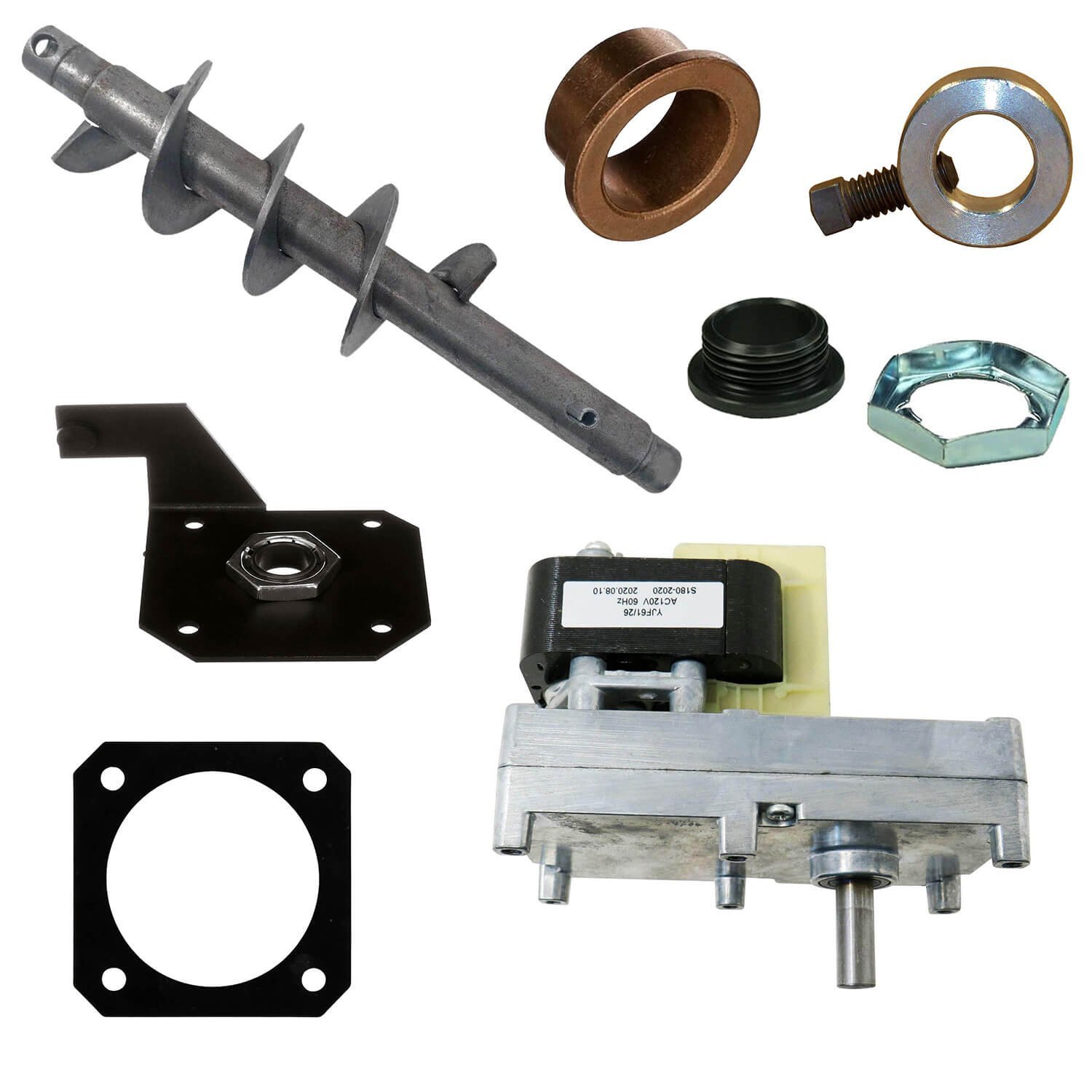
A grinding noise typically indicates an obstruction in the auger or failing motor bearings. Immediately turn off the power and inspect the hopper for foreign objects. If the obstruction is clear and the noise persists, you’ll likely need a technician to replace the drive motor.
How long should the igniter last?
An igniter typically lasts between two and five years, depending on how often you start the stove. If you cycle the stove on and off daily, it will wear out faster than if you leave it running on a low setting. When an igniter fails, the stove won’t produce a flame even if the auger is feeding pellets. This is a common wear part and is considered a routine repair.
Is it safe to leave the stove running while I sleep?
Yes, it’s safe to leave the stove running while you sleep if it has been properly installed and maintained. Ensure your smoke and carbon monoxide detectors are working correctly in the same room. Never leave the stove unattended if you notice erratic flame behavior or unusual noises. If the stove has been serviced recently and is burning a clean, bright flame, it’s designed for continuous operation.
What happens if I use the wrong pellet size?
Using pellets that are too long can cause the auger to jam, while pellets that are too thin can fall through the grate before they fully burn. This leads to inefficient heating and excessive ash production. Always check the manufacturer’s manual for the specific diameter requirements of your stove. Using the correct size ensures the auger moves a consistent volume of fuel.
Can I fix a broken control board myself?
No, you shouldn’t attempt to repair a control board yourself. Control boards contain sensitive micro-electronics and high-voltage connections that are dangerous to handle without specialized training. If your stove isn’t responding to settings or the display is blank, the board may be faulty. This is a job for a professional technician who can test the board against the manufacturer’s specifications.
Final Thoughts
Regular maintenance keeps your unit running smoothly throughout the coldest months. If you’ve cleared the blockages and the stove still won’t cooperate, don’t hesitate to reach out to a local technician. It’s better to get a professional’s help early than to deal with a freezing home when you’re least prepared.
Related guides
- Englander Pellet Stove Troubleshooting: Fix Common Heating Issues in 2026
- Breckwell Pellet Stove Troubleshooting: Fix Common Issues in 2026