
You can perform basic 3 Phase Electric Motor Troubleshooting by checking the power supply, verifying terminal connections, and observing physical behavior. The most common cause of failure is a single-phased condition, where one of the three power lines is interrupted. If you notice a burning smell or unusual noise, shut off the power immediately and contact a qualified professional.
3 Phase Electric Motor Troubleshooting Guide
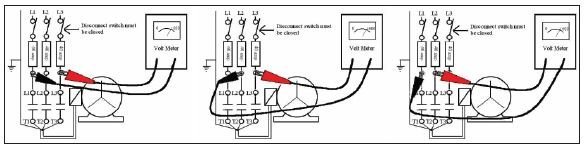
Most motor issues stem from simple power delivery problems rather than internal hardware failure. The most frequent issue is the loss of one phase, often called “single-phasing.” When this occurs, the motor continues to run if it was already moving, but it draws excessive current on the remaining two lines. This rapid increase in current causes the internal windings to overheat quickly. If the motor is stationary when this happens, it won’t produce enough torque to start, resulting in a loud humming sound.
Another common cause is a loose or oxidized connection within the external terminal box. Vibration over time can loosen the nuts holding the power cables to the motor terminals. When a connection becomes loose, it creates resistance, which generates intense heat. This heat can melt the wire insulation or damage the terminal block itself.
Finally, environmental factors play a large role. Motors located in dusty or damp areas often suffer from clogged cooling vents. If air can’t flow over the frame, the heat generated during normal operation has nowhere to go. This leads to thermal degradation of the insulation. Always check the manufacturer’s nameplate for the duty cycle and ambient temperature ratings. According to the Occupational Safety and Health Administration electrical safety guidelines, improper grounding or maintenance can lead to significant shock hazards, so keep the exterior clean and dry at all times.
Check the power supply
This fix is for motors that hum but don’t rotate. First, ensure the main power disconnect is in the off position. Check the breaker panel to see if one of the three fuses has tripped or blown. If you find a tripped breaker, reset it once. If it trips again immediately, don’t force it to stay on, as this indicates a short circuit that requires a professional.
Look at the power cable entry point for any signs of physical damage, such as fraying or crushed conduit. If the cable looks intact, move to the motor’s terminal box. Open only the outer cover, but don’t touch the wires inside. Look for visible signs of melting, discoloration, or loose connections. If a wire is clearly detached, have a licensed electrician secure it. This fix isn’t for you if you’re uncomfortable working near electrical enclosures or if the motor is connected to complex automated control systems.
Verify environmental conditions
This fix is for motors that run hot or shut down intermittently. Check the area around the motor for debris, dust, or restricted airflow. Motors are designed to dissipate heat through their outer fins; if these fins are covered in grease or dust, the motor will overheat and trigger its internal thermal protection. Use a dry, soft brush or compressed air to clear the cooling vents.
If the motor is in a very hot room, check if the temperature exceeds the limits listed on the motor label. If the environment is too hot, the motor can’t cool down, even if the vents are clean. In this case, you may need to install an auxiliary fan to move more air across the frame. This fix is for those who can safely reach the motor without climbing and who have easy access to the vents. If the motor is mounted high on a ceiling or inside heavy machinery, call a maintenance professional to avoid fall risks.
Assess mechanical load
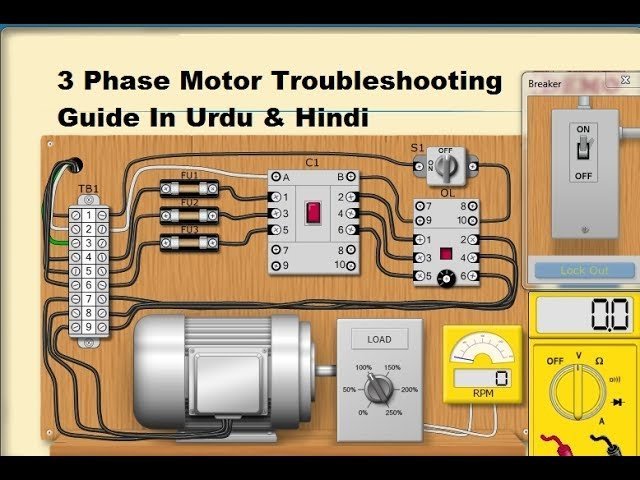
This fix is for motors that struggle to reach full speed or trip the breaker after a few minutes of operation. Sometimes the problem isn’t electrical at all, but mechanical resistance in the machine the motor is driving. Try to rotate the motor shaft by hand while the power is completely disconnected and locked out. The shaft should turn with consistent, smooth resistance.
If the shaft feels gritty, stuck, or difficult to turn, the bearings inside the motor or the driven machine may be worn. If the load is too heavy or the machine is jammed, the motor will draw too much current and trigger a thermal overload. If you find a mechanical jam, clear the obstruction or adjust the belt tension. If the bearings sound like grinding metal, the motor needs a shop overhaul. Don’t attempt to lubricate or replace bearings yourself, as this requires specialized tools and risks damaging the motor housing.
What not to do
- Never open the motor casing. The internal windings and capacitors can hold a lethal electrical charge long after the machine is unplugged, which can cause severe injury or death.
- Don’t bypass thermal overload switches. These switches are there to prevent fire; forcing the motor to run when it’s overheating will likely destroy the windings permanently.
- Avoid using water to clean the motor. Even if the motor is rated for washdown, using high-pressure water can force moisture into the bearings or the terminal box, leading to immediate electrical shorts.
- Don’t ignore unusual noises. A grinding or clicking sound is a sign of mechanical failure, and ignoring it usually leads to a complete motor seizure that’s much more expensive to repair.
How to stop it happening again
Regular inspection is the best way to prevent unexpected downtime. Keep a log of the motor’s operating temperature and any unusual sounds you hear during the daily startup.
| If you’re doing this | Do this instead | Why |
|---|---|---|
| Forcing a restart | Check for jams first | Stops winding damage |
| Ignoring loose wires | Tighten connections | Prevents arcing and fire |
| Overloading the motor | Reduce the work load | Increases motor lifespan |
Frequently asked questions
Can I fix a 3 phase motor that smells like burning?
No, you can’t fix a motor that smells like burning. This scent indicates the internal insulation on the copper windings has melted, meaning the motor is likely ruined. Turn off the power immediately, as this poses a significant fire hazard.
Why does my motor hum but not turn?
Your motor is likely experiencing a single-phasing condition or a mechanical jam. If one of the three power lines is cut, the motor lacks the field needed to start. Check your breaker panel for tripped fuses before investigating mechanical resistance.
How long should a 3 phase motor last?
A 3 phase motor can last over a decade if kept clean and operated within its rated load. Lifespan is determined by the specific duty cycle and service factor found on the motor label. Frequent starts and high temperatures will significantly reduce this expected longevity.
Is it safe to touch the motor while it’s running?
No, it’s never safe to touch a motor while it’s running. Many motors have exposed cooling fans, belts, or pulleys that can catch clothing or fingers. Furthermore, if the motor has a fault, the metal frame could become energized, posing a high risk of electric shock. Always keep a safe distance and use only your ears and eyes to monitor the motor’s performance.
What happens if I run a motor on two phases?
Running a motor on two phases will cause it to overheat rapidly and eventually burn out. Even if the motor keeps running, it draws much higher current than normal, which degrades the insulation inside the windings. This will lead to a total failure of the motor in a short time. If you suspect you have lost a phase, stop the motor immediately to save the equipment from permanent damage.
Final Thoughts
Keeping a maintenance log is a smart way to track your equipment’s health over time. If you aren’t sure about a specific reading or sound, don’t hesitate to call an expert for help. It’s better to be safe than sorry when you’re dealing with high-voltage machinery in your facility.