
Nordic RV refrigerator troubleshooting involves checking your power source, ventilation, and thermostat settings to restore cooling performance. Most cooling issues stem from a simple lack of airflow behind the unit or a tripped breaker rather than a mechanical failure. If basic checks fail to resolve the temperature issue, the system likely requires a professional technician.
Nordic RV Refrigerator Troubleshooting
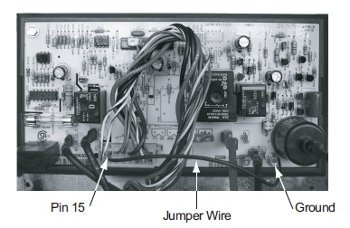
The cooling process in an RV refrigerator relies on a delicate balance of heat exchange. Unlike a home fridge that uses a compressor, many RV units use an absorption system. This system needs to be perfectly level to function. If your RV is parked on a slope, the cooling fluid can’t circulate properly through the pipes. This causes the liquid to pool, which stops the heat absorption process and leaves your food warm.
Another common cause is poor ventilation. The heat extracted from the inside of your fridge must be vented outside the RV. If the roof or side vents are clogged with debris, bird nests, or even heavy dust, the heat builds up behind the fridge. When the ambient temperature behind the unit becomes too high, the cooling efficiency drops significantly.
Finally, the thermostat or control board may lose its calibration. These units rely on sensors to detect internal temperature. If a sensor is loose or corroded, the board doesn’t know when to trigger the cooling cycle. This is often linked to the FoodSafety.gov cold food storage charts which remind us that food must remain at or below 40°F to prevent bacterial growth. If your fridge can’t reach this point, the issue is internal and requires a qualified technician to test the electrical resistance of the cooling unit.
Safety: Inside a mains-powered machine, the parts behind the outer cover can hold a dangerous electrical charge even after it has been unplugged — that’s why they sit behind a cover. Opening the housing, or testing or replacing anything behind it, is a job for a qualified technician, never a home repair.
Ensure level operation
Before you assume a part is broken, you must verify that your RV is sitting on level ground. An absorption fridge requires a level surface to allow the ammonia-based cooling fluid to flow through the boiler and condenser coils by gravity. If the vehicle is tilted, the fluid collects in the tubing and causes a blockage that prevents the cycle from starting. Use a standard bubble level on the surface of the freezer shelf to confirm it’s level. If you’re parked on uneven ground, use leveling blocks under your tires until the bubble is centered.
This fix is for anyone who has noticed the fridge stopped cooling after moving to a new campsite. If you have leveled the RV and the fridge still doesn’t cool after four hours, the cooling unit may have suffered permanent damage from being run while off-level. While you can check the level yourself, you can’t repair a damaged cooling unit. If the system remains warm after leveling, you need to contact a certified RV technician to inspect the boiler tubes for signs of crystallization or leaks. This varies by model—check the label inside your fridge for the manufacturer’s specific leveling tolerances, as some older units are more sensitive than others.
Clean external vents
Airflow is the lifeblood of an RV refrigerator. You should check the exterior access panel on the side of your RV to ensure the space behind the fridge is clear. Over time, leaves, spider webs, and dirt accumulate in this area, blocking the natural chimney effect that pulls hot air away from the coils. Use a soft brush or a vacuum with a long hose to gently remove any debris you see. Don’t use high-pressure air, as you might bend the delicate fins on the condenser coils.
This fix is for users who notice the fridge works fine on cool mornings but stops cooling as the afternoon heat rises. If you find the area is clean and the fridge still struggles, your roof vent may be blocked. Inspect the roof vent cover to ensure it’s secure and free of obstructions. If you aren’t comfortable working on the roof, hire a professional to perform the inspection. A mistake people often make is packing the storage compartment behind the fridge with items, which blocks the air path and forces the cooling unit to work double-time. This extra strain reduces cooling efficiency and prevents the fridge from maintaining safe temperatures.
Reset power connections
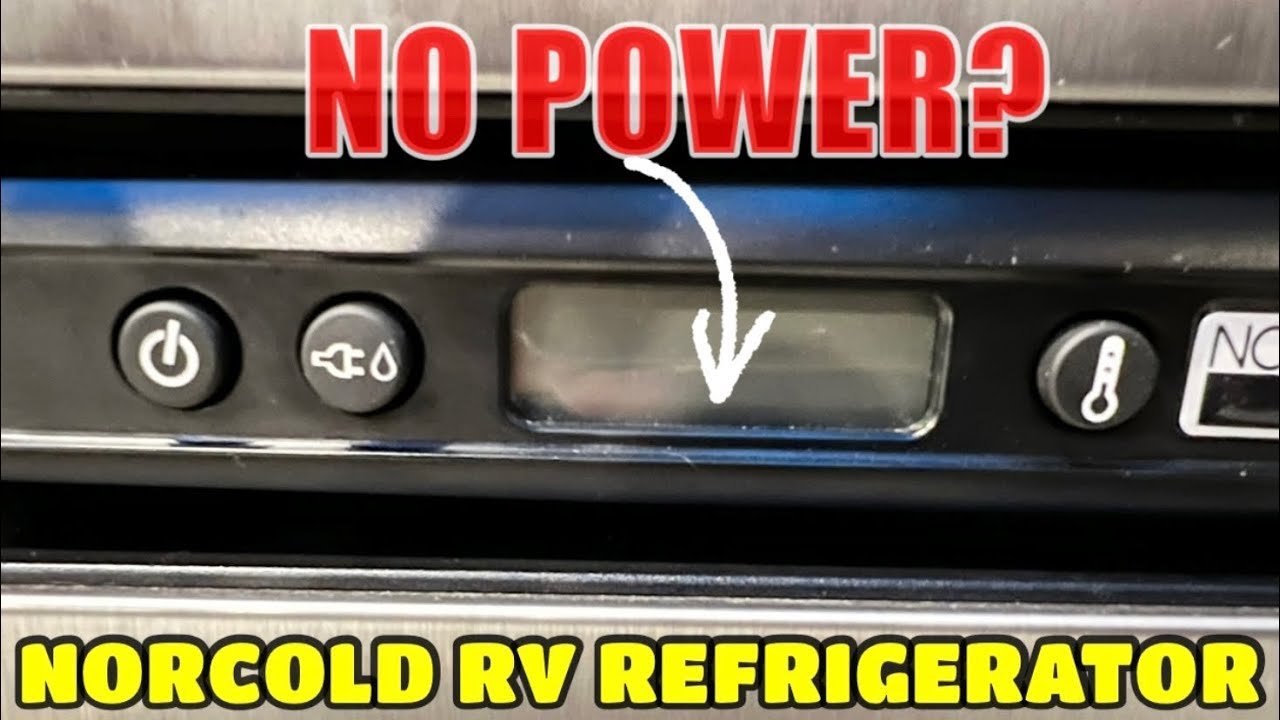
Sometimes the control board simply needs a reboot to clear a logic error. Locate the power switch on the front of your fridge and turn it to the “Off” position. Then, go to your RV’s power distribution panel and flip the breaker for the refrigerator to the “Off” position for 60 seconds. This allows the control board to reset. After the minute has passed, flip the breaker back on and turn the fridge switch to the “On” position.
This isn’t for users who smell ammonia or see yellow powder near the rear cooling unit, as those are signs of a dangerous leak that requires immediate professional intervention. If you hear the fridge clicking but it never ignites or starts cooling, the control board might be failing. If this reset doesn’t fix the issue, a technician confirms whether the part has failed.
What not to do
- Don’t try to force the fridge to cool by turning the thermostat to the highest setting, as this doesn’t speed up the process and may cause the unit to freeze up or cycle improperly.
- Never attempt to bypass the thermal fuse or safety interlocks to get the fridge running; these are there to prevent fire hazards if the cooling unit overheats.
- Avoid using a hair dryer to melt ice on the coils, as the plastic lining of the fridge is sensitive to heat and will warp or melt if you hold the dryer too close.
- Don’t store fuel, chemicals, or flammable liquids in the exterior vent compartment, as the heat from the cooling unit can easily ignite these items and cause a fire.
How to stop it happening again
Regular maintenance prevents the most common cooling failures. Keep a log of your fridge performance and ensure the airflow remains clear throughout the season.
| If you’re doing this | Do this instead | Why |
|---|---|---|
| Parking on slopes | Use leveling blocks | Keeps fluid moving |
| Leaving vents open | Add vent screens | Prevents pest nests |
| Ignoring dust | Vacuum coils yearly | Improves heat transfer |
| Overloading shelves | Leave space for air | Allows cold circulation |
Frequently asked questions
Can I run my RV fridge while driving?
You can run an absorption fridge while driving if your unit is designed for it, but check local laws regarding propane use in tunnels or on ferries. Many modern RV fridges feature an “Auto” mode that automatically switches to DC power while the vehicle is in motion.
Why does my RV fridge smell like ammonia?
No, an ammonia smell means the cooling unit has a leak and is no longer safe to use. This is a critical failure that indicates the internal tubing has corroded or cracked, releasing the refrigerant gas. You must turn the fridge off immediately, ventilate your RV, and contact a professional technician. Never attempt to patch these leaks yourself, as the chemicals inside are toxic.
How long does it take for an RV fridge to cool down?
An empty RV refrigerator typically takes 6 to 12 hours to reach a safe operating temperature. This duration varies based on the specific model and the ambient outside temperature. Don’t load your fridge with room-temperature food until it has fully cooled.
Is it safe to use a fridge with a yellow residue on the back?
No, the yellow residue is a sign of a leaking cooling unit and it isn’t safe to use. This substance is often sodium chromate, which is a rust inhibitor used in the cooling solution and is hazardous to handle. If you see this powder or residue, the unit has lost its ability to cool and the entire cooling system will likely need to be replaced by a professional.
What happens if my RV isn’t level?
Leveling your RV is essential because operating off-level causes crystals to form in the cooling fluid, leading to permanent pipe blockages. Always prioritize leveling your RV before turning the fridge on to avoid this damage. If you have run the unit off-level, a technician may need to inspect the pipes.
Final Thoughts
Keeping your fridge in top shape ensures your food stays fresh during every getaway. If you’re still noticing inconsistent temperatures after these checks, don’t hesitate to contact a local repair service. They’ll help you get back on the road quickly so you can enjoy your next adventure without any worries.
Related guides