
You can resolve most power or cutting issues by consulting this Hart Lawn Mower Troubleshooting Manual to identify if the problem is a blocked discharge chute, a depleted battery, or a loose safety key. Most users find that checking these three simple points restores full operation without needing outside help. If your mower stops suddenly, the most common cause is a tripped thermal overload switch or a safety key that has vibrated loose during use.
Hart Lawn Mower Troubleshooting Manual
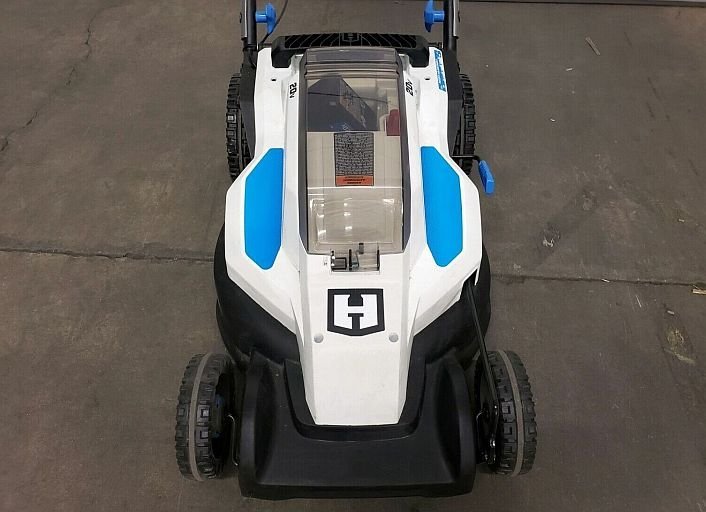
Lawn mowers often stop or lose power due to simple physical obstructions or electrical safety triggers. When grass builds up under the deck, the blade can’t spin at the required speed. The motor senses this resistance and shuts down to prevent permanent damage to the internal windings. This is a standard safety feature across most modern electric mowers.
Another common cause is the battery connection. If the battery isn’t pushed firmly into its slot, the vibration from the motor can break the electrical circuit. You might notice the mower starts for a second and then dies immediately. This varies by model — check the label on your battery port to see if there’s a secondary locking tab you must engage.
Finally, the safety key acts as a master switch. If this key is dirty or not fully inserted, the mower will remain dead. Don’t force the key if it feels stuck; instead, check for debris inside the key port. If you see melted plastic or a burnt smell, don’t attempt further use. This is a sign of an internal electrical fault that requires a professional inspection. You can find guidance on safe handling and general maintenance standards through the Consumer Product Safety Commission resources.
Clear the cutting deck
This fix is for users whose mower blade won’t spin or whose motor hums but doesn’t cut. Before you begin, always remove the battery and the safety key. Never reach into the underside of the deck while the battery is attached, as even a partial connection can cause the blade to move suddenly.
To clear the deck, tilt the mower onto its side with the discharge chute facing upward. Use a long, sturdy wooden stick or a plastic scraper to remove compacted grass clumps. If you use a metal tool, take care not to scratch the underside coating, as this can lead to rust.
Once the path is clear, spin the blade by hand to ensure it moves freely without hitting the deck walls. If it feels stuck or grinds, there may be a bent drive shaft. This is a mechanical failure that requires a technician to repair. If the blade spins smoothly, wipe the area clean with a dry cloth, return the mower to all four wheels, and reinsert your battery. If the mower starts, you have solved the blockage.
Secure the battery and key
This fix is for users whose mower cuts out intermittently or refuses to start despite a fully charged battery. Start by inspecting the battery contacts inside the mower housing. Look for any dirt, grass clippings, or corrosion on the metal pins. If they look dirty, use a dry, soft-bristled brush to gently remove the debris. Don’t use water or liquid cleaners, as these can cause shorts.
Next, check the battery itself. Ensure it clicks firmly into the port. Many models have a two-stage locking mechanism; you should feel a distinct click for each stage. If the battery feels loose or wobbles, check the locking tab for cracks. If the tab is broken, the battery won’t maintain a steady connection, and the mower will lose power whenever you hit a bump.
For the safety key, ensure it’s pushed all the way into the slot. If the key feels loose, the contact points inside the slot may be worn. If X is a loose key, do A: apply a small piece of electrical tape to the side of the key to increase its thickness for a tighter fit. If Y is a damaged port, do B: contact the manufacturer for a replacement part. This fix isn’t for those who are uncomfortable working with electrical components; if you see frayed wires, stop and contact a licensed repair center.
Reset the thermal switch
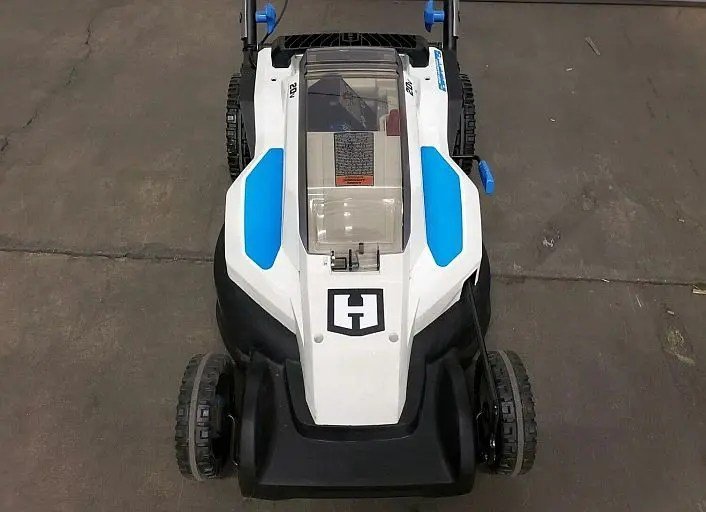
This fix is for users whose mower stops during heavy use, especially when cutting tall or wet grass. When the motor works too hard, the internal thermal protection trips to stop the engine from overheating. This is a normal safety feature, but it needs time to reset.
Wait at least fifteen minutes for the motor to cool down completely. Don’t try to restart the mower repeatedly during this time, as this can damage the internal circuit board. After waiting, ensure the discharge chute is clear and the grass isn’t too tall for your current deck height setting. Move the height adjustment lever to a higher position to reduce the load on the motor for your next pass.
If the mower starts after the cool-down period, you have confirmed a thermal trip. If it still doesn’t start, the internal fuse may have blown. This is a permanent limit for the user; if the mower doesn’t respond after a full cooling period, you must take it to an authorized service center. Don’t attempt to bypass the thermal switch or open the motor housing yourself, as this will void your warranty and creates a fire hazard.
What not to do
- Don’t spray water into the battery compartment. Water damages the sensitive electrical contacts and can cause permanent short circuits that are expensive to repair.
- Don’t use a metal screwdriver to pry out stuck grass. Metal tools can easily chip the protective paint on the deck, which leads to rapid rusting and structural weakness.
- Don’t bypass the safety key with wires. This disables the mower’s emergency stop system and creates a severe risk of injury to yourself and others.
- Don’t force the blade to turn with your hand while the battery is in. Even if the motor is off, the energy stored in the system can cause the blade to snap back and cause injury.
How to stop it happening again
To keep your mower running well, follow a regular cleaning schedule after every session.
| If you’re doing this | Do this instead | Why |
|---|---|---|
| Cutting wet grass | Wait for the grass to dry | Wet grass sticks and clogs the deck |
| Cutting too low | Use the highest setting | High grass puts less load on the motor |
| Ignoring the blade | Sharpen or replace annually | A dull blade tears grass and strains power |
Frequently asked questions
Can I use a different battery in my mower?
No, you must only use the specific battery brand and voltage recommended by the manufacturer for your model. Using an incorrect battery can damage the motor controller or cause the battery to overheat. Always check your user manual for the exact part number required for your machine.
Why does my mower smell like burning plastic?
A burning smell usually indicates that the motor is overheating or that debris has entered the motor housing. Stop the mower immediately, remove the battery, and allow the unit to cool for at least one hour. If the smell persists, don’t attempt to use the mower again.
How long should the battery last per charge?
Most batteries provide between thirty and sixty minutes of continuous cutting on a single charge. This assumes the grass is dry and of average height. If you’re cutting very thick or overgrown grass, the battery will drain significantly faster because the motor must work harder.
Is it safe to tilt the mower to clean it?
Yes, it’s safe to tilt the mower, but you must always remove the battery and safety key first. Always tilt the mower with the discharge chute facing upward to prevent debris from falling into the motor housing. Never tilt the mower toward the discharge chute to avoid debris falling into the motor.
What happens if I hit a rock while mowing?
Hitting a rock can bend the blade or the motor shaft, which creates dangerous vibrations and can snap mounting hardware. Turn off the mower immediately and inspect the blade for chips, cracks, or bends. If the blade looks damaged or the mower vibrates, don’t use it until the blade is replaced.
Final Thoughts
If your mower still won’t start after checking these parts, don’t hesitate to reach out to the manufacturer’s support team. They’ve got the technical expertise to help you figure out if a part needs replacing. You’ll be back to maintaining your yard in no time once you’ve got the right guidance.
Related guides