
Washer Drain Overflows Troubleshooting involves stopping a laundry room flood by clearing the drain line or turning off the water supply valves. These overflows are usually caused by lint or soap scum blocking the standpipe, preventing water from flowing into the sewer. Identifying this blockage immediately helps prevent further water damage.
Washer Drain Overflows Troubleshooting
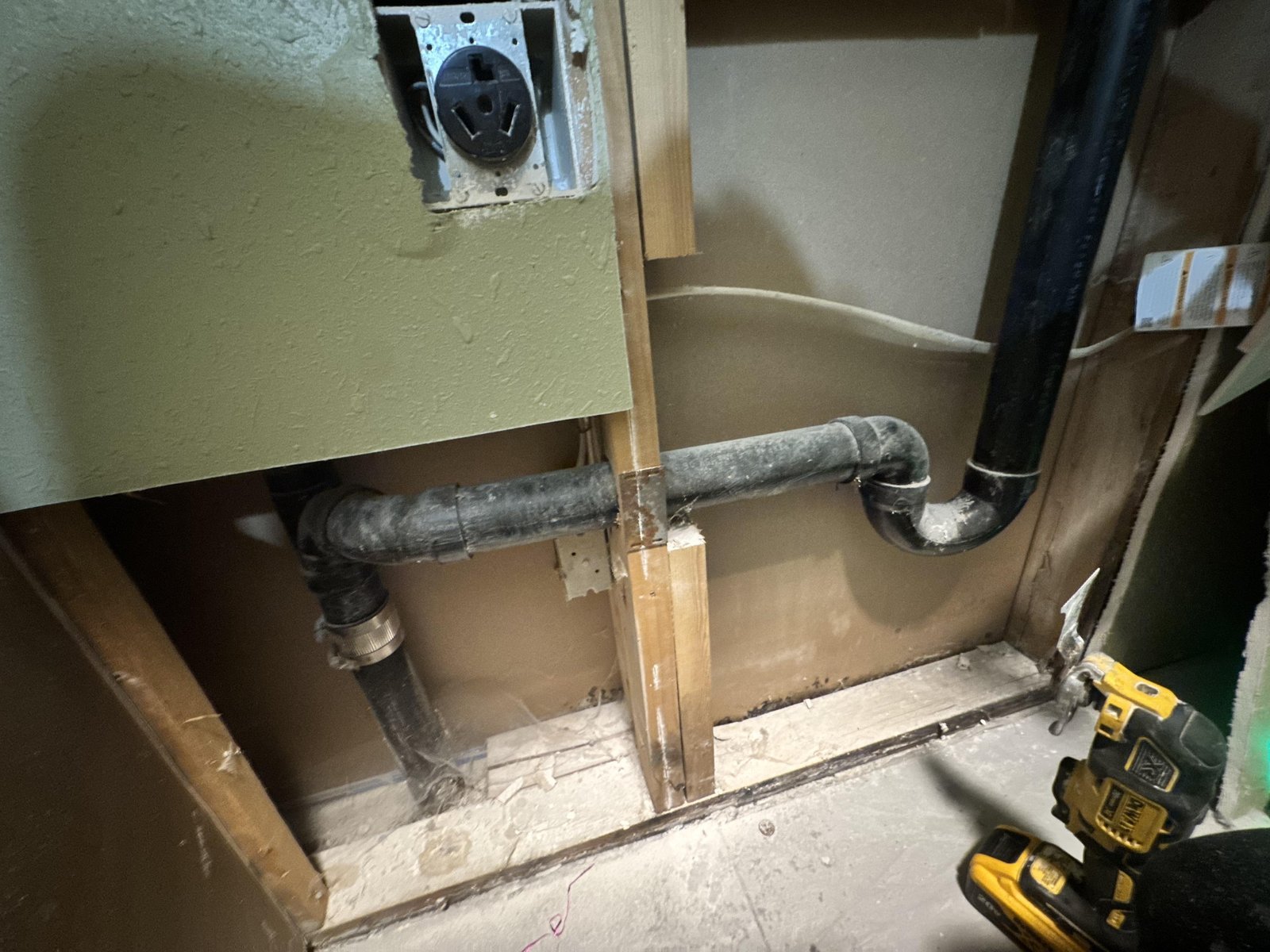
Water overflows during the drain cycle primarily because the discharge rate of the washing machine exceeds the capacity of your home’s drain pipe. If the pipe is partially blocked, the water can’t exit fast enough, leading to a backup that spills onto the floor. This often happens because lint, hair, and solidified detergent create a dense plug over time.
Another common cause is an incorrectly installed standpipe. If the standpipe is too short or lacks the proper diameter, it can’t hold the surge of water released by the pump. Standard plumbing codes typically require a standpipe to be at least 18 inches high and 2 inches in diameter. If your setup is smaller than this, the machine will likely overwhelm the drain every time it pumps out a full load. You can check your local plumbing requirements through the International Association of Plumbing and Mechanical Officials to see the specific codes for residential laundry drainage.
Mechanical failures within the washer also play a role. If the drain pump is failing, it might struggle to push water through the hose, or the hose itself might be kinked or crushed behind the unit. If the hose is pushed too far into the standpipe, it can create a seal that prevents air from escaping, which causes the water to siphon or back up. This varies by model — check the label on your drain hose to see if the manufacturer specifies a maximum insertion depth. If you have ruled out a blocked pipe and a short standpipe, the problem is likely an internal issue like a faulty pump or a restricted internal filter.
Clear the drain line
This fix is for homeowners who notice water backing up specifically at the point where the washer hose enters the wall or floor drain. If you suspect a clog, don’t use harsh chemical drain cleaners. These products can damage the rubber gaskets in your plumbing or the plastic components of your washer. Instead, use a plumbing snake to reach into the standpipe and pull out the debris.
If the clog is deep, you may need a longer snake or a professional plumber. If you see lint coming out, you have found your culprit. To test if it worked, pour a bucket of water down the drain manually. If it disappears quickly, your pipe is clear. If the water sits there or drains slowly, the clog is deeper in the main line.
This isn’t for someone who is uncomfortable working with plumbing tools or who lacks a snake. If the drain is totally backed up and you can’t clear it with a simple tool, don’t force it. You might damage the P-trap or the connections behind the wall. A professional plumber has the right equipment to clear the line without damaging your home’s infrastructure.
Adjust the drain hose position
This fix is for those who find that the drain overflows even when the pipe seems clear. Often, the issue is that the drain hose is sitting too low or too deep inside the standpipe. If the hose is inserted too far, it can create a vacuum effect that causes the water to back up, or it can sit directly against the bottom of the pipe, blocking the flow entirely.
Pull the hose out until it’s only about 6 to 8 inches into the standpipe. Use a zip tie or a hook to secure the hose so it can’t slip further down during the spin cycle. This ensures that air can escape from the pipe while the washer is pumping out water. If the hose is too low, the weight of the water in the machine can cause it to siphon out prematurely, which leads to overflows.
This fix works if the overflow happens consistently at the same point in the cycle. If you adjust the height and the machine still overflows, the issue is likely a restriction in the house pipe rather than the hose placement. If your washer is on a pedestal, ensure the hose isn’t kinked, as the added height can strain the pump.
Inspect the pump filter
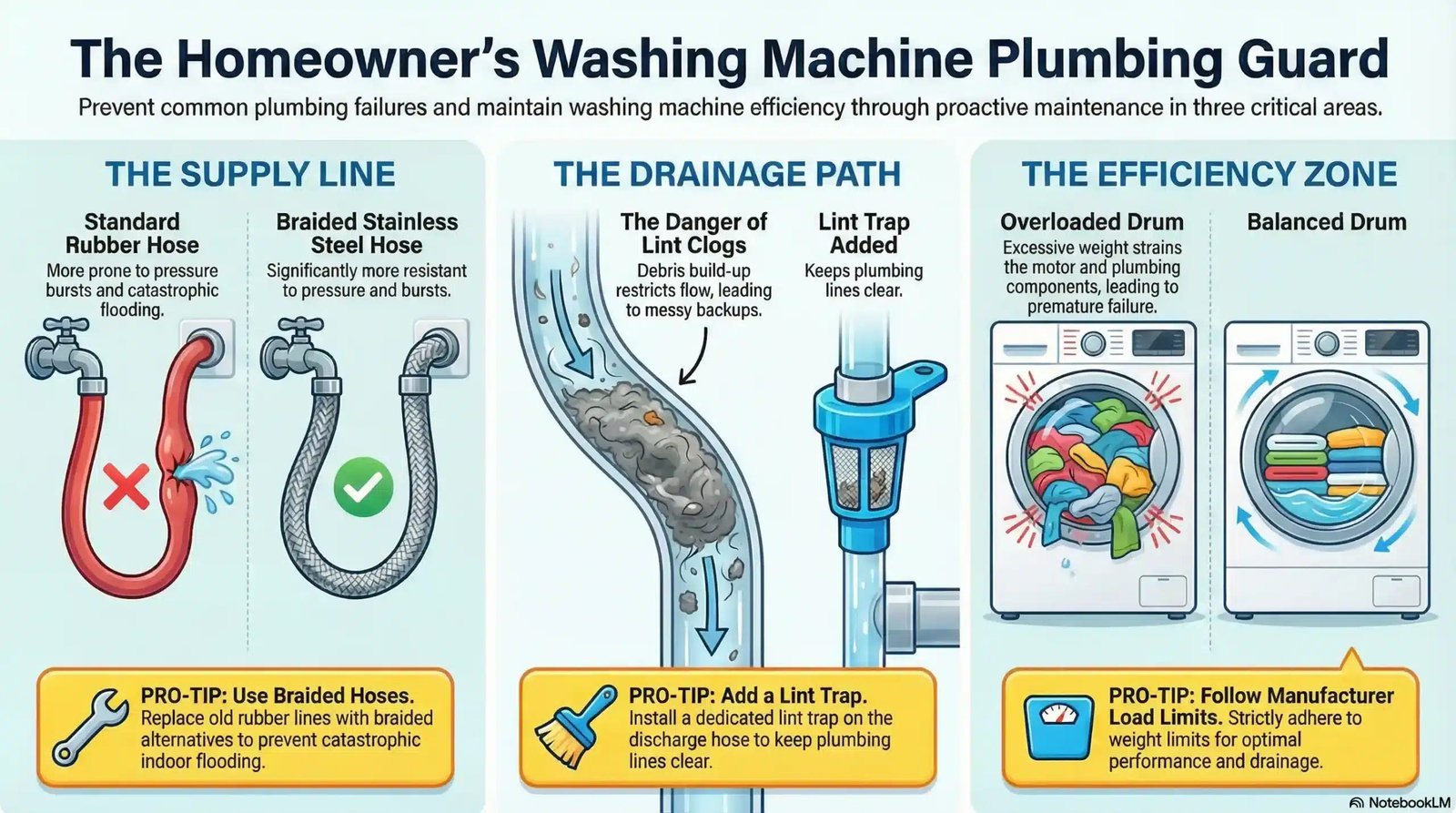
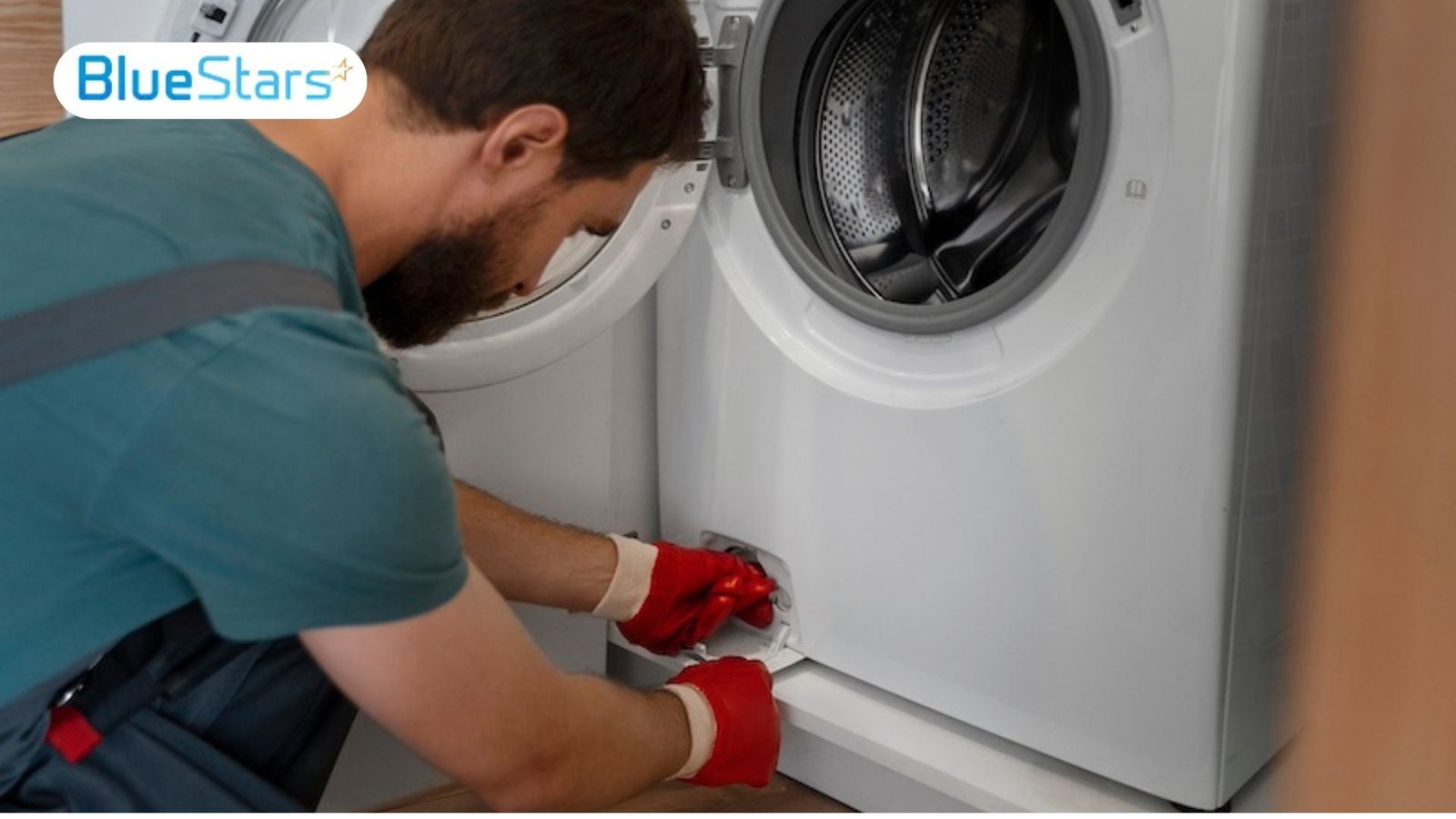
This fix is for machines that have an accessible debris filter, usually located behind a small door at the bottom front of the unit. If your washer is draining slowly or not at all, the filter is likely clogged with coins, buttons, or lint.
Before opening the filter, place a shallow tray and several towels on the floor to catch the water that will inevitably spill out. Slowly unscrew the filter cap. If a lot of water comes out, tighten it back up and drain as much as you can through the emergency drain tube if your model has one. Once the water stops, remove the filter and clean it under a warm tap. Remove all debris and check the pump housing for any trapped objects.
This isn’t for someone who can’t lift or move the machine if the filter is in a difficult spot. If you can’t get the filter to unscrew, don’t force it with pliers, as you might crack the plastic housing. If the filter is clean but the machine still won’t drain, the pump itself might be broken. Replacing a pump requires specialized tools and knowledge of the machine’s internal wiring, so call a professional technician if the pump is the suspected failure point.
What not to do
- Don’t use liquid drain cleaners. These chemicals are often too harsh for the plastic pipes and rubber seals used in laundry setups, and they can cause leaks behind your walls.
- Don’t force a metal coat hanger into the drain pipe. It’s easy to scratch or puncture the interior of the pipe, which leads to hidden leaks that you won’t notice until the wall is damaged.
- Don’t ignore a slow-draining pipe. If the water takes more than a few seconds to leave the standpipe, the blockage will only get worse, eventually leading to a complete backup and potential flooding.
- Don’t try to disassemble the internal pump assembly. A capacitor can hold a lethal charge even when the machine is unplugged, so leave all internal pump or motor repairs to a licensed professional.
How to stop it happening again
Regular maintenance prevents the buildup of debris that causes most overflows. Keep your drain line clear by checking it regularly as part of your usual clean.
| If you’re doing this | Do this instead | Why |
|---|---|---|
| Leaving lint in the trap | Clean the washer lint filter | Keeps debris out of the drain |
| Using too much detergent | Use the recommended amount | Soap scum clogs the pipes |
| Pushing the hose too deep | Secure it at 6 inches | Allows air to vent properly |
| Ignoring slow drainage | Snake the line immediately | Prevents a total backup |
Frequently asked questions
Can I fix a washer drain overflow myself?
You can fix most overflows by clearing clogs in the standpipe or repositioning the drain hose. These issues are often caused by external debris or improper hose height, which you can resolve without special tools. However, deep sewer line clogs require a professional plumber to use a power auger.
Why does my washer overflow only during the spin cycle?
The washer overflows during the spin cycle because the pump discharges a high volume of water that a narrow or blocked pipe can’t handle. This surge causes water to back up out of the standpipe. Ensure your standpipe is at least 2 inches in diameter to accommodate high-speed discharge.
How long should a washer drain hose be?
Your drain hose should be long enough to reach the standpipe without being stretched, but never exceed 8 to 10 feet. Excessively long hoses create resistance that can cause the pump to overheat or fail. Always consult your owner’s manual for the manufacturer’s specific length limits.
Is it safe to use a plunger on a washer drain?
Don’t use a plunger on a washer standpipe. Plunging can force debris deeper into the P-trap or cause water to spray back onto your floor. If a snake doesn’t clear the obstruction, the clog is likely too far down the line for a plunger to be effective.
What happens if I keep running the washer while it overflows?
You risk significant water damage to your flooring, subfloor, and nearby walls. Constant exposure to water will warp wood, ruin carpeting, and create the perfect environment for mold growth. Additionally, if the water backs up into the machine, it can damage the motor or the pump, turning a simple plumbing issue into a costly repair for the washer itself. Stop the machine at the first sign of water on the floor.
Final Thoughts
If the problem persists after you’ve cleared the pipe, don’t hesitate to call a professional plumber. They’ll have the right tools to reach deeper clogs in your home’s main line. Keeping your laundry area dry is worth the effort, so you won’t have to worry about messy water damage again.
Related guides
- Maytag Washer Bravos XL Troubleshooting: Fix Common Errors
- Craftsman Power Washer Troubleshooting: Fix Pressure Issues
- Samsung Clothes Washer Troubleshooting: Fix Common Error Codes