
The Raypak Hi Delta Troubleshooting Manual provides the diagnostic codes needed to identify why your boiler has stopped heating. If your unit displays a fault code, cross-reference it against the official documentation. Most issues stem from low water flow, tripped switches, or gas interruptions, while blank displays usually indicate a loss of power.
Why this happens
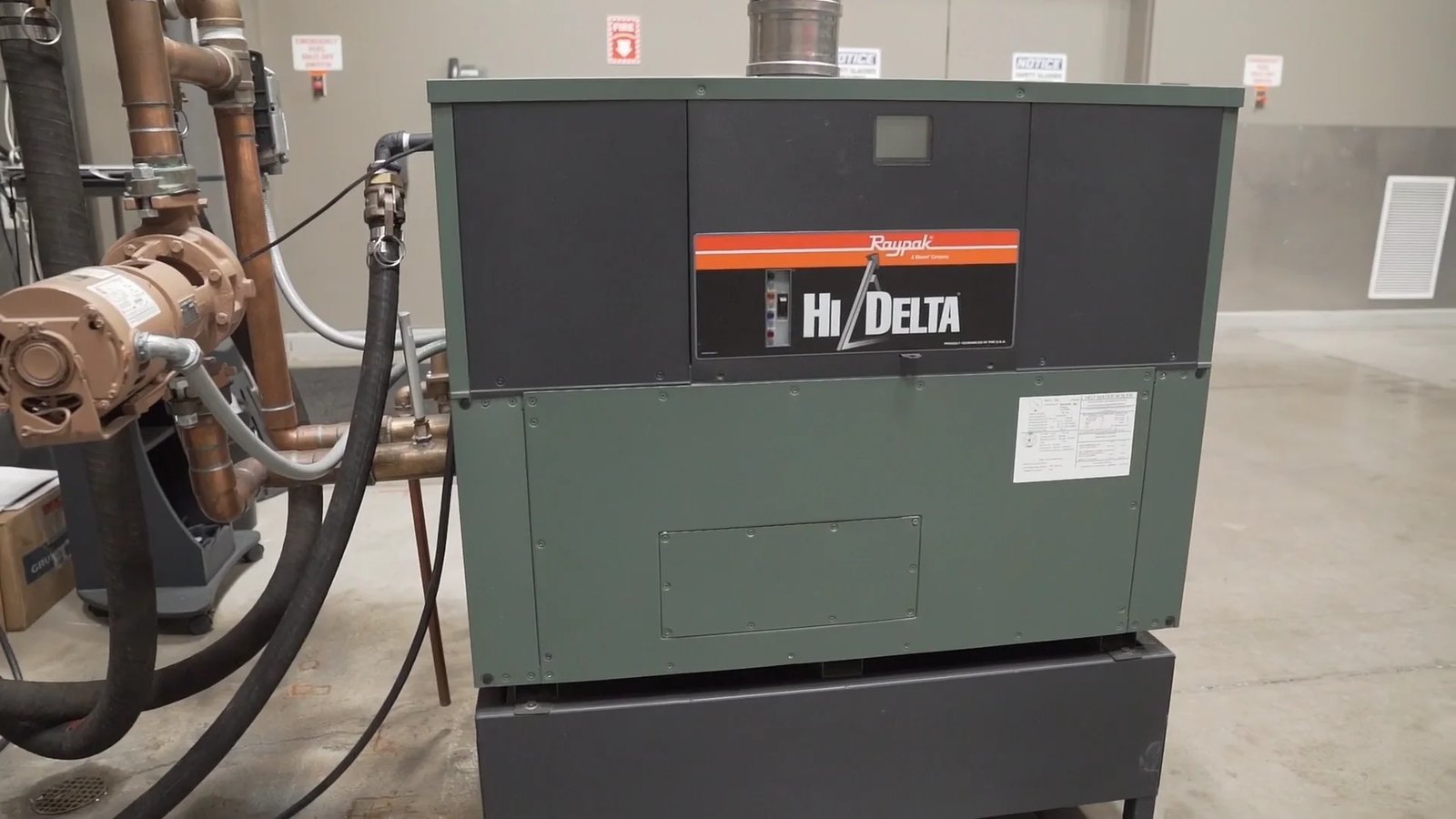
Boilers fail because they operate on a strict sequence of safety checks. If one sensor detects a problem, the control board halts the process to prevent damage or dangerous gas leaks.
The most common reason for a shutdown is a flow switch failure. The boiler requires a constant, steady stream of water to move heat away from the heat exchanger. If the water pump is old or the internal filter is clogged, the flow switch won’t close. The unit assumes the water is stagnant and shuts down the ignition sequence immediately.
Another frequent cause is a tripped high-limit switch. This is a safety sensor that detects if the water temperature has exceeded the maximum safe limit. If this happens, the system locks out. This varies by model—check the label on your control panel for the specific temperature threshold of your unit. A tripped switch usually means the boiler is working too hard or the water isn’t circulating fast enough to cool the system down.
Finally, gas supply issues often trigger an ignition failure. If your gas valve is partially closed or the pressure is too low, the boiler will attempt to light, fail, and show an ignition error. If you smell gas, leave the building immediately and call your gas provider.
Check the flow and pressure
This fix is for users who see a “Flow” or “Pressure” error on the display. Before doing anything else, ensure your circulation pump is running and that all valves leading to the boiler are fully open.
If the pump sounds like it’s straining or making a grinding noise, it may be struggling to move water. Check the pressure gauge on the side of the unit. It should sit within the range specified by your local installation manual, usually between 12 and 20 PSI for residential systems. If the pressure is too low, you may need to open the water fill valve slightly until the needle reaches the green zone.
If the pressure is correct but the error persists, check the external strainer or filter on the return line. If it’s full of debris, it will block the water flow. If you clean the filter and the boiler still shows a flow error, the flow switch itself might be stuck. This is a professional-grade repair. Don’t attempt to bypass the switch with a jumper wire, as this removes a critical safety feature. If you have confirmed the pump is running and the lines are clear, call a certified technician to inspect the switch.
Reset the control system
This fix is for when the boiler shows a “Lockout” or “Limit” error but the water appears to be moving correctly. Sometimes, the electronic control board needs a hard reset to clear a temporary glitch.
Start by turning off the power at the main breaker box. Wait at least 60 seconds before flipping the breaker back on. This allows the control board to fully power down before restarting. When the power returns, watch the display. It should go through a self-test sequence. If the error code returns immediately, the system has detected a permanent fault that a reset can’t fix.
If the error doesn’t return, try to call for heat by turning up your thermostat. If the boiler fires up and begins heating, the issue was likely a minor surge. However, if the unit immediately jumps back into a lockout state, you have a persistent sensor failure. This fix isn’t for those who are uncomfortable working around electrical breakers. If you feel any hesitation, stop and contact a licensed heating contractor. They have the tools to test the sensors for resistance and verify if the board is sending the correct signals.
Inspect the external gas supply
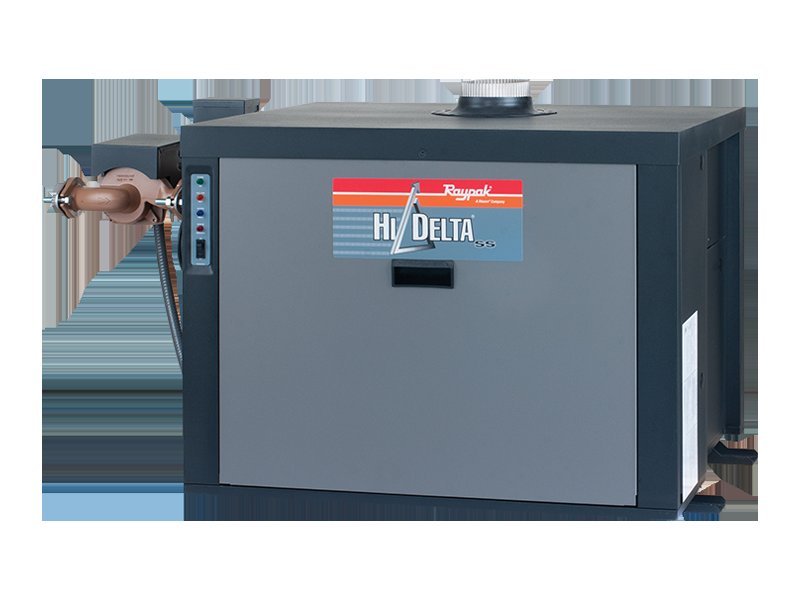
This fix is for units that show an “Ignition” or “Flame” error. This error means the boiler is getting power and water, but it can’t get the burner to stay lit.
First, verify that your gas supply is turned on. Check the shut-off valve located on the gas line near the boiler. Ensure the handle is parallel to the pipe. If you have other gas appliances, such as a stove or water heater, check if they’re working. If your stove won’t light, the problem is likely with the main gas supply to your home, not the boiler.
If your other appliances are working fine, check the flue or chimney. If the exhaust is blocked by leaves, nests, or ice, the boiler will detect a lack of draft and refuse to ignite to prevent carbon monoxide buildup. If the vent looks clear, don’t attempt to disassemble the burner or the gas valve. These parts require specialized training and tools to calibrate. A professional technician must check the gas pressure at the manifold to ensure the burner is receiving the correct amount of fuel.
What not to do
- Don’t use a jumper wire on the flow switch. This is a dangerous mistake that bypasses a critical safety control, which can lead to the heat exchanger melting or the unit overheating.
- Don’t adjust the gas valve screw. This screw is factory-calibrated for specific pressure levels; moving it without a manometer will cause the boiler to run inefficiently and could create a fire hazard.
- Don’t attempt to clean the burner assembly yourself. The burner contains delicate ceramic or metal mesh components that break easily, and professional tools are required to ensure the fuel-to-air mixture is safe.
- Don’t rely on “resetting” the unit repeatedly. If the boiler locks out three times in a row, it’s warning you of a mechanical failure; repeatedly resetting it can cause the heat exchanger to warp from heat stress.
How to stop it happening again
To keep your system running, you must schedule a professional service regularly as part of your usual clean.
| If you’re doing this | Do this instead | Why |
|---|---|---|
| Ignoring small leaks | Fix leaks immediately | Leaks drop system pressure |
| Using old, dirty filters | Dirt restricts water flow | |
| Keeping the boiler area full | Clear a 3-foot space | Airflow prevents overheating |
| Waiting for a total breakdown | Annual professional inspection | Finds wear before it fails |
Frequently asked questions
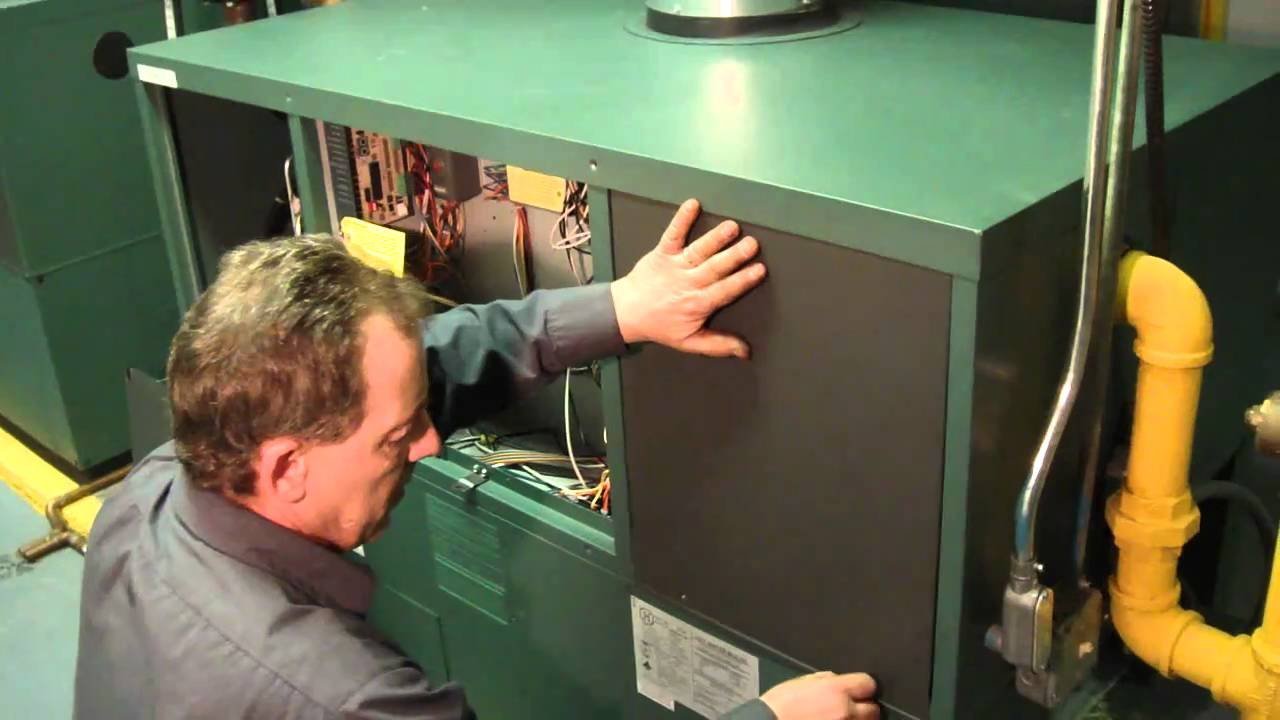
Raypak Hi Delta Troubleshooting Manual: DIY Fixes
You can fix simple issues like low water pressure, but you must stop if the repair requires opening the boiler cabinet. Many errors stem from external factors like water flow or power supply. If the problem is internal, you need a licensed technician to avoid safety risks.
Why does my boiler keep showing a flow error?
A flow error occurs because the internal sensor doesn’t detect enough water moving through the heat exchanger. This often happens because the circulation pump has failed, system pressure is low, or the filter is clogged. If the pressure is normal, a professional must test the pump motor.
How long should a Raypak boiler last?
A well-maintained boiler can last between 15 and 20 years with proper care. The lifespan depends heavily on local water quality, as hard or acidic water can corrode the heat exchanger. Using a water softener is the best way to ensure you get the maximum life from your unit.
Is it safe to keep using the boiler with an error code?
No, it isn’t safe to ignore an error code, as these codes are designed to prevent the boiler from operating in an unsafe condition. The system shuts down if it detects risks like overheating or gas leaks. Always treat an error code as a signal to stop and investigate.
What happens if I ignore a water pressure warning?
If you ignore a low pressure warning, the boiler will eventually fail to circulate water, leading to heat exchanger overheating. Conversely, high pressure can force the relief valve to open and cause leaks. Always verify that your pressure gauge is reading within the manufacturer’s recommended range.
Final Thoughts
If you still can’t get your system running smoothly, don’t hesitate to reach out to a certified technician. They’ll have the right tools to handle complex electrical repairs safely. It’s always better to ask for professional help than to risk further damage, so keep your manual handy for their visit.
Related guides