
Is your John Deere tractor not performing as it should? Don’t let a stubborn problem keep you from your work.
You’ve invested in a reliable machine, and we’re here to help you get it back in top shape. This guide is designed to help you quickly pinpoint and fix common issues. Read on to discover how to get your John Deere running smoothly again.

Credit: www.youtube.com
Common John Deere Starting Issues
John Deere tractors are tough. But sometimes they won’t start. This can be frustrating. We will look at common starting problems. This guide helps you find solutions.
Engine Won’t Crank
The engine makes no noise at all. This is a common issue. Several things can cause this. Check the battery first. Is it dead? Are the battery terminals clean? Corrosion stops power flow. Loose battery cables are another culprit. Make sure they are tight. The starter solenoid might be bad. It sends power to the starter. A faulty safety switch can prevent cranking. These switches are on the seat or clutch. They ensure the tractor is safe.
Engine Cranks But Won’t Start
The engine turns over. It just does not fire up. Fuel is a likely problem. Is there enough fuel in the tank? The fuel filter might be clogged. This stops fuel from reaching the engine. Check the fuel lines. Are they kinked or blocked? Air in the fuel system causes issues. You may need to bleed the system. Spark plugs are important too. Are they fouled or worn out? Bad spark plugs do not ignite fuel. The ignition system could also fail. This includes coils and wires.
Slow Cranking Speed,
The engine turns slowly. It sounds weak. This usually means low battery power. The battery is not fully charged. Weak battery cells are possible. Check the battery voltage. A failing starter motor can cause this. It struggles to turn the engine. Bad electrical connections matter. Corroded or loose wires slow things down. A hydraulic issue could also be the cause. This is less common. It puts a heavy load on the engine.
Hydraulic System Problems
John Deere tractor hydraulics are powerful. They lift and move heavy loads. Sometimes, problems arise. These can stop your work. This guide helps you fix them. We focus on common hydraulic issues.
Loss Of Hydraulic Power
Hydraulics feel weak. They might not lift at all. Check the hydraulic fluid level. Low fluid causes this. Add the correct type of fluid. Inspect for leaks. Leaks mean lost fluid. A clogged hydraulic filter is another cause. Replace the filter if it is dirty. The hydraulic pump could be failing. This is a more serious issue. Consult your manual for pump checks. Sometimes, air gets into the system. Bleed the hydraulic system. This removes trapped air. Air causes poor performance.
Slow Or Jerky Hydraulics
Your hydraulics move slowly. They might stutter or jerk. This often points to fluid problems. Check the fluid level again. Ensure it is at the right mark. The fluid might be old. Old fluid loses its properties. Change the hydraulic fluid. Use the recommended type. A dirty hydraulic filter restricts flow. Clean or replace the filter. Air in the system causes jerky moves. Bleed the hydraulics properly. Inspect the hydraulic pump. A worn pump can cause issues. Control valve problems can also occur. The valve might be sticking. Examine the control linkages. Ensure they move freely.
Leaking Hydraulic Lines
You see oil under your tractor. Hydraulic lines are leaking. Find the source of the leak. Look for damaged hoses. Hoses can crack or fray. Damaged hoses need replacement. Check the hydraulic fittings. Fittings can become loose. Tighten any loose fittings. Seals can also fail. Seals are in the cylinder or pump. Replacing seals stops small leaks. Inspect the hydraulic cylinder. Seals inside can wear out. Examine the hydraulic pump seals. A leaking pump needs repair. Clean the area around the leak. This helps you spot new leaks.
Cooling System Woes
John Deere tractor cooling systems are vital. They keep engines running smoothly. Problems can arise. These cooling system woes need attention. Ignoring them causes bigger issues. This guide helps you fix them. We will cover common problems. Let’s get your tractor cool again.
Engine Overheating
Your tractor is too hot. The engine temperature gauge is high. This is a serious issue. Stop the tractor immediately. Let it cool down. Check the coolant level. Low coolant causes overheating. Low coolant means the system is not working right. You might have a leak. The thermostat could be stuck. A stuck thermostat blocks coolant flow. This prevents cooling. The water pump might fail. A bad water pump circulates coolant. If it fails, heat builds up. Fan belt problems also cause this. A loose fan belt does not turn the fan well. The fan cools the radiator. A broken fan belt stops cooling entirely.
Coolant Leaks
You see puddles under your tractor. This is a coolant leak. Coolant is often green or orange. Leaks reduce coolant levels. This leads to overheating. Check hoses for cracks. Old hoses can split. Clamps can loosen over time. Inspect the radiator itself. Radiators can develop small holes. Water pump seals can fail. This allows coolant to escape. The heater core might leak. It is part of the cooling system. Head gasket leaks are also possible. These are more serious problems. They allow coolant into the engine.
Radiator Fan Malfunctions
The radiator fan is crucial. It pulls air through the radiator. This cools the coolant. A broken fan means no cooling. Check the fan belt. Is it tight enough? Is it damaged? A loose belt slips. A damaged belt can break. The fan itself can break. Blades might be missing. The fan clutch can fail. This part controls fan speed. It engages when needed. If it fails, the fan does not spin. The fan motor might be bad. Electric fans need a working motor. A faulty motor stops the fan.
Electrical System Glitches
Electrical system glitches can halt your John Deere tractor. This guide helps you find common electrical problems. Fixing these issues gets you back to work.
Your John Deere tractor’s electrical system keeps everything running. Lights, starting, and controls all depend on it. Electrical glitches can stop your work. They can be frustrating. This guide helps you fix them.Battery Drain
A dead battery stops your tractor. This is a common problem. Something might be drawing power. Check your lights. Are they staying on? Inspect your wiring. Look for frayed or damaged wires. A faulty alternator also causes issues. It might not charge the battery. Test your battery’s voltage. A multimeter is useful. Ensure connections are clean and tight.Lighting Issues
Headlights not working? Tail lights dim? Lighting problems are common. Check the bulbs first. They might be burnt out. Inspect the wiring to the lights. Look for loose connections. Fuses protect your lighting circuits. Find the fuse box. Check for blown fuses. Replace any blown fuses. Test the light switch. It could be faulty.Dashboard Warning Lights
Warning lights mean trouble. They alert you to problems. A red light needs immediate attention. Don’t ignore these signals. A flashing light indicates a serious issue. Consult your owner’s manual. It explains each light. Common lights include oil pressure. Battery charge is another. Engine temperature is also shown. Address these warnings quickly.Transmission And Drivetrain Troubles
Transmission and drivetrain issues can halt your work. Learn common problems and simple fixes. This guide helps keep your John Deere tractor moving.
Your John Deere tractor’s transmission and drivetrain are its heart. They transfer engine power to the wheels. Problems here can stop your work. We will explore common issues. Let’s get your tractor running smoothly again.Shifting Problems
You find it hard to shift gears. The lever feels stiff. Gears might grind when you try. This is a common transmission issue. Low transmission fluid causes this. Check your fluid level. Add more if it is low. Worn linkage parts can also bind. Inspect the shift linkage for damage. Sometimes, internal transmission parts wear out. This needs professional diagnosis.Loss Of Power To Wheels
Your tractor moves, but slowly. Engine sounds fine. Power does not reach the wheels. This is frustrating. A slipping clutch is a prime suspect. The clutch connects engine to transmission. If it slips, power is lost. Check the clutch for wear. Low hydraulic fluid can also cause this. Many John Deere tractors use hydraulics. These power the transmission. Ensure hydraulic fluid is full. A damaged driveshaft or axle is another cause. Inspect these for breaks.Noises From Drivetrain
You hear strange sounds. Clunking or grinding noises come from under the tractor. These noises are warning signs. Worn gears make grinding sounds. Listen closely to the transmission. Whining sounds often mean bearing failure. Check wheel bearings. Universal joints can also fail. They make clunking noises. Listen when turning. A broken driveshaft might also clunk. Stop the tractor immediately. Investigate the source of the noise.
Credit: manuals.plus
Fuel System Fixes
The fuel system is vital for your tractor. It delivers power to the engine. Problems here stop your work. This section guides you. We fix common fuel system issues. Get your John Deere running again. Learn simple solutions.
Clogged Fuel Filters
Dirty fuel causes problems. Filters catch the dirt. Clogged filters block fuel flow. Your engine may sputter. It might not start at all. Check your fuel filter regularly. Replace it when it looks dirty. This is a simple fix. It saves your engine.
Fuel Injector Issues
Injectors spray fuel into the engine. They need to spray precisely. Worn injectors spray poorly. This causes rough running. You might see black smoke. It wastes fuel. Cleaning injectors helps. Sometimes they need replacement. Consult your manual. A mechanic can help too.
Fuel Pump Failures
The fuel pump moves fuel. It sends it to the engine. A failing pump starves the engine. You will lose power. The tractor may stop suddenly. Listen for the pump working. A humming sound is normal. No sound means trouble. Check electrical connections first. Then test the pump itself. Replacement might be needed.
Tire And Wheel Care
Tires and wheels are vital. They connect your John Deere tractor to the ground. Proper care ensures smooth operation. It prevents costly breakdowns. This section covers key tire and wheel issues.
Low Tire Pressure
Tires need the right air. Low pressure causes problems. It makes tires wear unevenly. Fuel efficiency drops significantly. Tractor handling becomes poor. Check pressure regularly. Use a reliable gauge. Inflate to manufacturer recommendations. This maintains performance. It extends tire life.
Uneven Tire Wear
Uneven wear signals trouble. It can mean alignment issues. Improper inflation is a cause. Heavy loads stress tires. Check for bald spots. Look for cupping or feathering. These indicate specific problems. Address the root cause quickly. Proper wheel alignment is crucial. Maintain correct tire pressure. Avoid overloading your tractor.
Wheel Bearing Problems
Wheel bearings are essential. They allow wheels to spin freely. Listen for grinding noises. Feel for excessive play. A loose wheel is dangerous. Inspect bearings for damage. Clean and lubricate them often. Replace worn bearings promptly. This prevents catastrophic failure. Smooth operation depends on them.
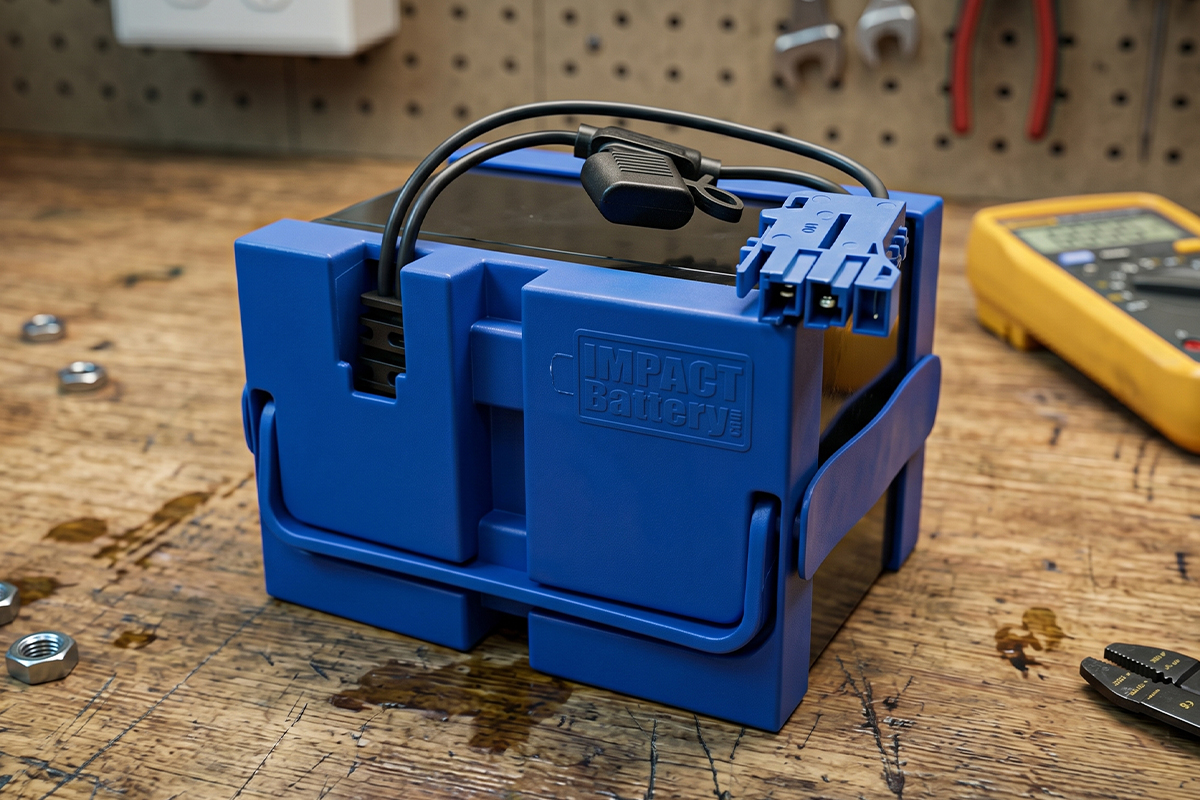
Credit: www.impactbattery.com
Preventative Maintenance Tips
Keep your John Deere tractor running well. Simple preventative care saves you trouble. Check fluids and filters regularly. This guide helps fix common issues.
Keep your John Deere tractor running smoothly. Simple steps prevent big problems. Regular care saves you time and money. It ensures your tractor works when you need it.Regular Fluid Checks
Check engine oil often. Look for the right oil level. Top it off if needed. Inspect hydraulic fluid too. Low levels can cause issues. Monitor coolant levels regularly. Ensure it is between the marks. Clean fluid means a healthy tractor.Filter Replacements
Change the oil filter. Do this with every oil change. Replace the fuel filter. A clean filter protects the engine. Air filters need attention. Check them for dirt. Clean or replace as needed. Clogged filters hurt performance.Lubrication Schedule
Follow the lubrication guide. Grease all fitting points. Use the correct grease type. Do this at recommended intervals. Moving parts need lubrication. This reduces wear and tear. A well-lubed tractor lasts longer.When To Call A Professional
Sometimes, your John Deere tractor needs expert help. DIY fixes have limits. Knowing when to call a professional saves time. It also prevents bigger problems. Trust your gut. If a repair feels too big, it probably is. Let the pros handle it.
Complex Engine Repairs
Engine issues can be tricky. Internal engine damage is serious. You might hear strange noises. The engine could lose power. Smoke might come from the exhaust. These signs point to deep trouble. A professional has specialized tools. They understand engine mechanics. They can diagnose complex faults. Don’t risk further damage. Call a qualified mechanic.
Major Hydraulic Overhauls
Hydraulic systems are complex. Leaking fluid is a red flag. Slow or jerky movements signal issues. The tractor might not lift properly. These problems affect tractor function. Hydraulic overhauls require expertise. Specialized knowledge is essential. A professional can identify leaks. They can replace worn parts. They ensure system integrity.
Safety Concerns
Safety always comes first. Some repairs involve risks. Brakes are critical for safety. Steering problems are dangerous. Electrical faults can be hazardous. If you doubt your ability, stop. Do not attempt unsafe repairs. A professional understands safety protocols. They have the right equipment. Protect yourself and others. Call for expert assistance.
Frequently Asked Questions
Why Is My John Deere Tractor Not Starting?
Check the battery first. Ensure it has a full charge. Also, check fuel levels and look for any blockages in the fuel line.
What Causes A John Deere Tractor To Overheat?
Low coolant levels are a common cause. Make sure the radiator is clean and free of debris. Check the thermostat for proper function.
How Do I Fix A John Deere Tractor’s Hydraulic Issue?
Inspect hydraulic fluid levels. Look for leaks in hoses or cylinders. A faulty pump can also cause problems.
Why Is My Tractor’s Pto Not Engaging?
Confirm the PTO lever is fully engaged. Check the PTO shaft for damage. The PTO clutch might need adjustment or repair.
What Should I Do If My John Deere Tractor Loses Power?
Inspect the air filter for clogs. Check the fuel system for issues. Engine problems can also reduce power output.
How To Troubleshoot A John Deere Tractor’s Steering?
Check the power steering fluid. Look for leaks in the steering system. Worn steering components may need replacement.
My Tractor Won’t Move. What’s Wrong?
Verify the transmission is in gear. Check the clutch for wear. Inspect the drive shafts for damage.
Conclusion
Keep your John Deere running smoothly. Consult this guide often. Simple fixes save time. Complex issues need experts. Your tractor’s health matters. Regular checks prevent trouble. Happy farming ahead.