
Troy Bilt riding mower troubleshooting starts by checking the safety interlock switches, the brake pedal, and the fuel shut-off valve before touching any tools. The single most common cause of a sudden failure to crank is an unpressed clutch-brake pedal or an engaged blade switch.
Why your riding mower won’t start
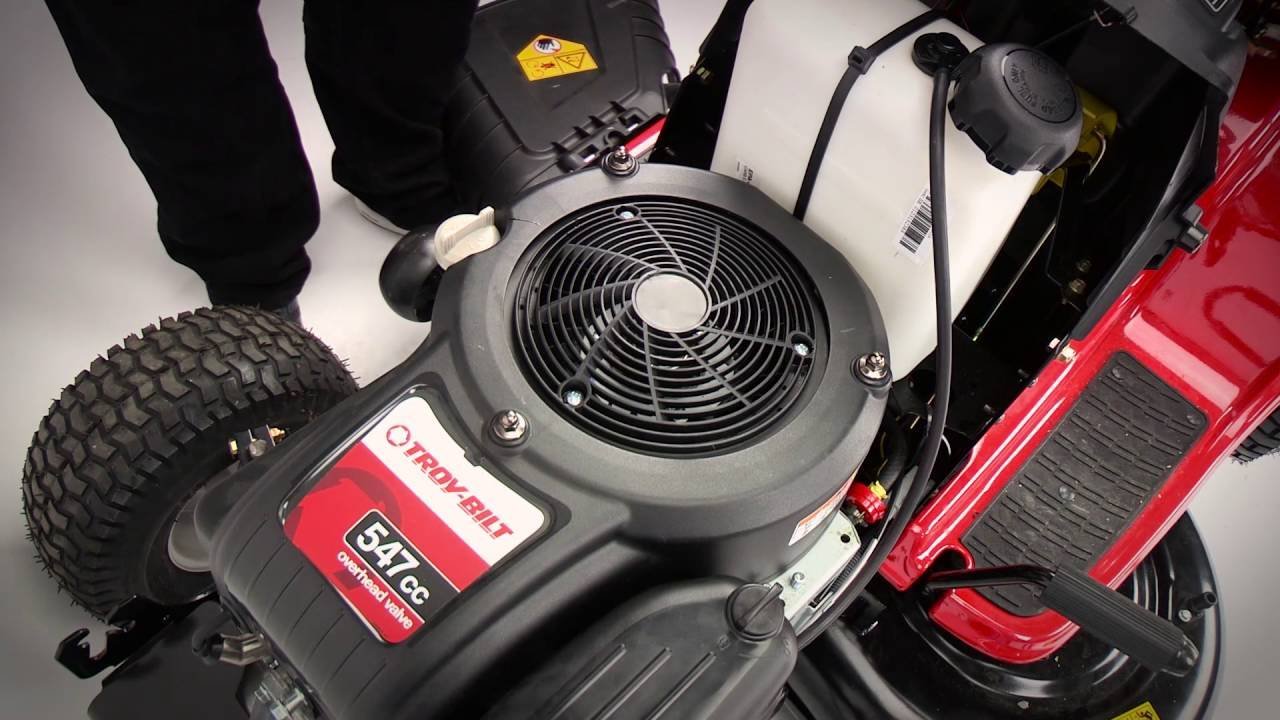 Photo: www.youtube.com on Google
A riding mower needs three basic systems to run: electrical power to crank, clean fuel to burn, and moving air to mix with that fuel. Most sudden breakdowns happen because the machine thinks an operator is unsafe, or because the engine can’t draw fuel.
Old gasoline is a major culprit. Modern pump gas contains ethanol, which pulls moisture from the air and gums up the tiny passages inside the carburetor if it sits for more than 30 days. Another common problem is a weak battery that has enough juice to click the starter solenoid, but not enough power to spin the starter motor under engine compression. Finally, grass clippings can pack around the engine cooling fins or safety switches, jamming the linkages that tell the mower it’s safe to start.
Inspect the safety switches and battery
This check is for anyone whose mower clicks once or stays completely silent when turning the key. Set the parking brake firmly, place the cutting deck lever in the fully disengaged position, and sit flat on the seat. The engine won’t turn over if the mower thinks the blades are spinning or the brake is loose.
Lift the hood to look at the battery terminals. If you see white or blue crust on the posts, clean them with a stiff wire brush and tight fasteners. If you turn the key and the dashboard lights shut off completely, the battery lacks sufficient charge to crank the engine. Recharge it using a standard 12-volt automotive smart charger. You’ll know it worked when the starter cranks fast and smooth without clicking. If you notice split wires or smell burning insulation, stop immediately and call a certified small-engine technician.
Check fuel flow and air filters
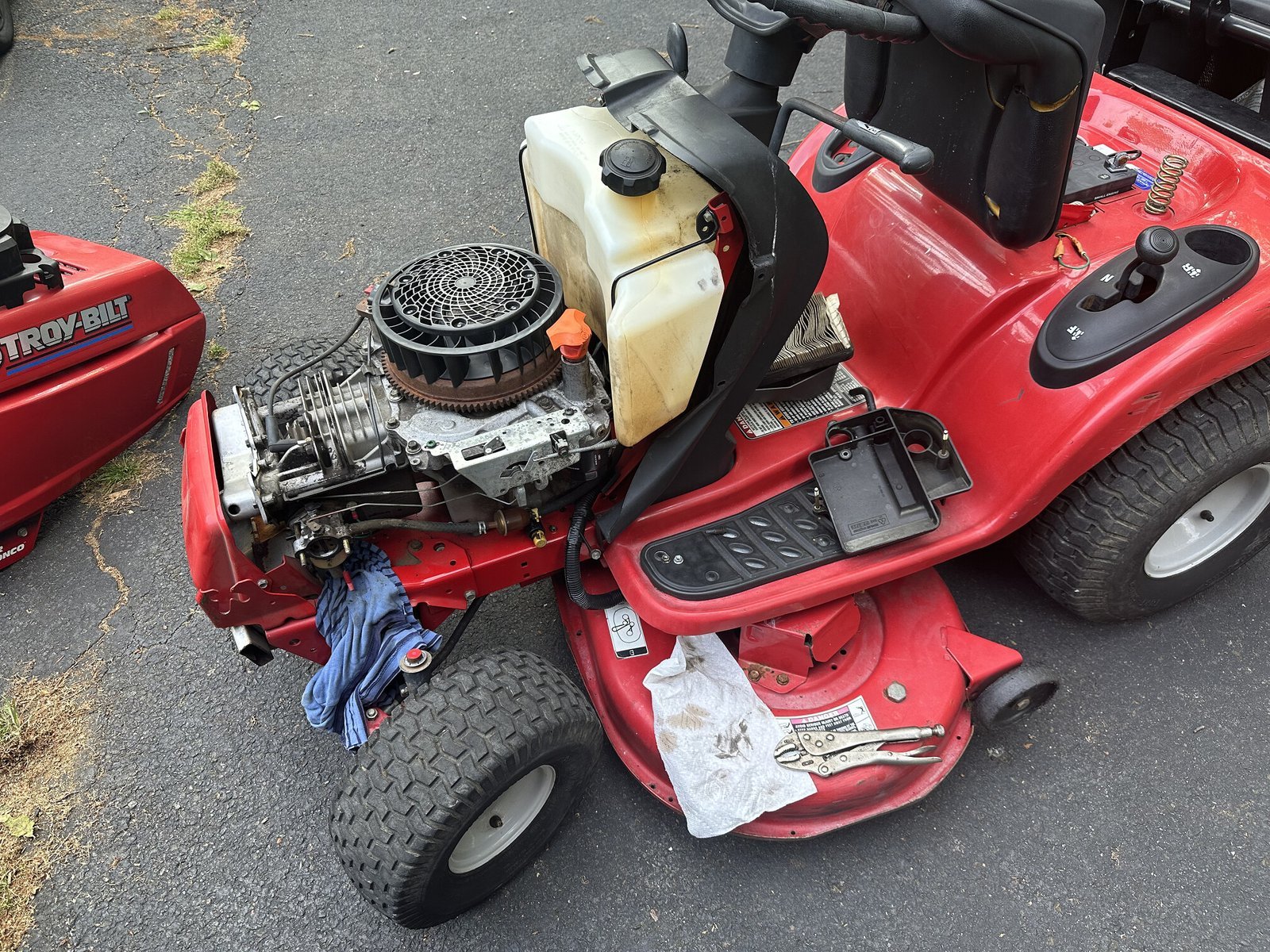 Photo: diejawue.de on Google
This step is for engines that crank loudly and spin freely, but won’t fire up and run. Walk to the rear or side of the mower and look through the translucent fuel filter housing. You should see gasoline flowing through the filter body.
If the filter is dry, verify that the fuel tank shut-off valve is turned counter-clockwise to the open position. Remove the paper air filter cover by twisting the plastic thumb knobs on the side of the engine. Tap the filter against a hard surface to knock off loose dirt. If you smell stale, sour fuel that resembles varnish, the gas has gone bad. The EPA spark-ignition engine regulations require fuel lines to prevent evaporation, but they can’t keep old gas fresh inside your tank. Drain the tank safely into an approved red container and add fresh fuel treated with stabilizer.
Clear the cutting deck and mandrel housings
This fix is for mowers that stall immediately whenever you try to engage the cutting blades. Turn the ignition key to off, pull the key out of the switch, and disconnect the rubber spark plug boot for safety.
Raise the cutting deck to its highest notch. Look underneath the deck edges to see if wet grass clippings or foreign debris have wrapped around the blades or pulleys. Use a wooden scraper or a thick stick to dislodge packed turf from the metal housing. Check the drive belt that snakes around the top pulleys: it should rest centered inside every groove without fraying or twisting. This step takes real muscle and requires getting on your knees, so it isn’t worth doing yourself if you have severe back pain or lack basic hand tools. You’ll know you resolved the issue when the blades spin up smoothly without dragging down the engine speed.
What not to do
- Don’t bypass the seat safety switch with electrical tape or jumper wires, because doing so removes the vital feature that kills the blades if you tip over or fall off.
- Don’t pour raw gasoline straight down the carburetor throat, as backfires through the intake can cause fuel in your hand to ignite instantly.
- Don’t keep cranking the starter key for more than ten seconds at a time without resting, which overheats the starter motor and melts internal solder joints.
- Don’t spray water from a pressure washer directly at the dashboard controls or carburetor linkages, because pressurized moisture forces its way past seals and corrodes hidden wiring.
How to stop it happening again
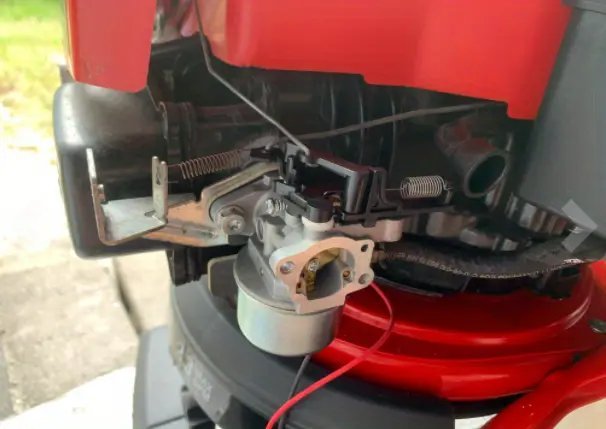 Photo: consorziostoppani.it on Google
Regular preventative maintenance stops most starting and cutting problems before your grass gets out of hand.
| If you’re doing this | Do this instead | Why |
|---|---|---|
| Leaving fuel in the tank all winter | Add stabilizer and run the engine for 5 minutes | Fuel goes stale and gums up internal jets within a month |
| Washing the deck immediately with cold water | Scrape the deck dry using a wooden stick | Sudden water causes bearing corrosion inside hot blade spindles |
| Starting the deck in tall, thick grass | Move to bare dirt or short grass before engaging | Heavy resistance snaps mower drive belts and stalls the motor |
| Ignoring dusty air filters all season | Clean or swap the filter cartridge every 25 hours | Choked filters starve the engine of oxygen and cause black smoke |
| Mowing across wet, spongy soil | Wait until the morning dew dries off completely | Wet turf packs underneath the deck and overworks the engine |
Frequently asked questions
Why does my mower click when I turn the key?
The starter solenoid is engaging, but the 12-volt battery lacks enough electrical current to turn the heavy engine flywheel. Connect a battery charger or clean the corroded terminal cables.
Can old gas stop a riding mower from running?
Yes, untreated fuel begins breaking down after 30 days and forms sticky gum deposits that plug the tiny fuel passages inside the carburetor bowl. Drain the fuel tank and refill it with fresh gasoline.
How do I know if my deck belt is loose?
Look at the spring-loaded idler pulley arm with the engine off to see if the belt shows deep cracks, glazed sides, or hangs loose from the pulley grooves. A worn belt slips and slows the blades down.
Is it safe to jump start a riding mower from a car?
Yes, but only if the car engine remains completely turned off during the entire jump. A running automobile alternator pushes high charging amperage that can fry the mower’s delicate voltage regulator.
What happens if the engine blows thick white smoke?
The crankcase has too much motor oil, or the mower was tilted sideways during storage, allowing oil to leak past the piston rings into the combustion chamber. Check your oil dipstick immediately.
Tucking your owner’s manual under the seat makes future yard work much easier. Keep a spare spark plug and a clean fuel filter in your shed, too. When you take care of these simple parts before spring starts, you won’t lose sunny weekends to a stubborn engine that won’t run.