
Travel trailer furnace troubleshooting starts with checking your 12-volt battery charge, opening your propane valve fully, and setting the thermostat 5 degrees above room temperature. A low house battery is the most common reason a camper heater fails to run, because the safety fan can’t spin fast enough to close the internal air sail switch.
Why your travel trailer furnace stops working
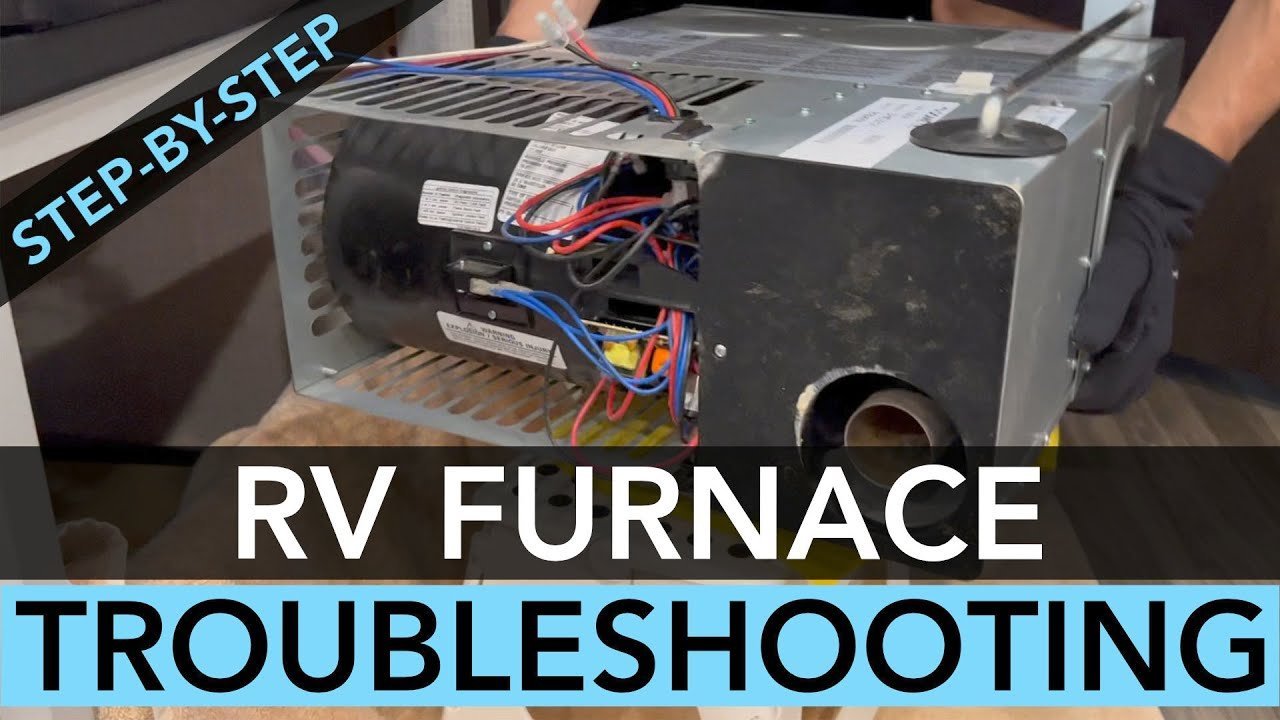 Photo: www.youtube.com on Google
A camper heater needs three things to ignite: enough direct-current electricity, steady propane pressure, and clear airflow. If a technician finds your trailer battery drops below sufficient voltage under load, the blower motor turns too slowly. This prevents the sail switch from closing, which stops the circuit board from opening the gas valve.
Propane line air or an empty tank will also cause the furnace to lock out after three failed ignition clicks. Mud daubers or rust can block the exterior exhaust pipes as well, choking the flame. The exact voltage threshold and safety timings vary by model — check the label on your furnace casing for the factory specifications.
| Symptom | Most Likely Cause | DIY Safe Action |
|---|---|---|
| Blower won’t start | Blown 12V fuse or dead battery | Check fuse box and charge house battery |
| Blower runs, no click, stops | Stuck sail switch or weak motor | Clear airflow vents; don’t open housing |
| Blower runs, clicks, no heat | Closed propane valve or empty tank | Open tank valve fully, light stove burner |
| Air blows warm then goes cold | High-limit heat switch tripping | Remove vent obstructions, vacuum return grill |
Safety: Inside a mains-powered machine, the parts behind the outer cover can hold a dangerous electrical charge even after it has been unplugged — that’s why they sit behind a cover. Opening the housing, or testing or replacing anything behind it, is a job for a qualified technician, never a home repair.
Check the 12-volt power supply
This step is for anyone whose furnace fan won’t spin or cuts off after thirty seconds. If your interior lights dim when the heat kicks on, your battery bank lacks the current needed to keep the safety switches closed.
Switch your furnace off at the wall thermostat. Check your trailer’s main 12-volt fuse panel and replace any blown fuse with another of the exact same amp rating. If the fuse is intact, plug your trailer into shore power or hitch it to a running tow vehicle to supply a full charge. Turn the thermostat back on and raise the heat setting. You’ll know it worked when the blower runs with a steady pitch for at least 45 seconds, followed by a soft click and warm air from the floor vents.
Purge the propane line
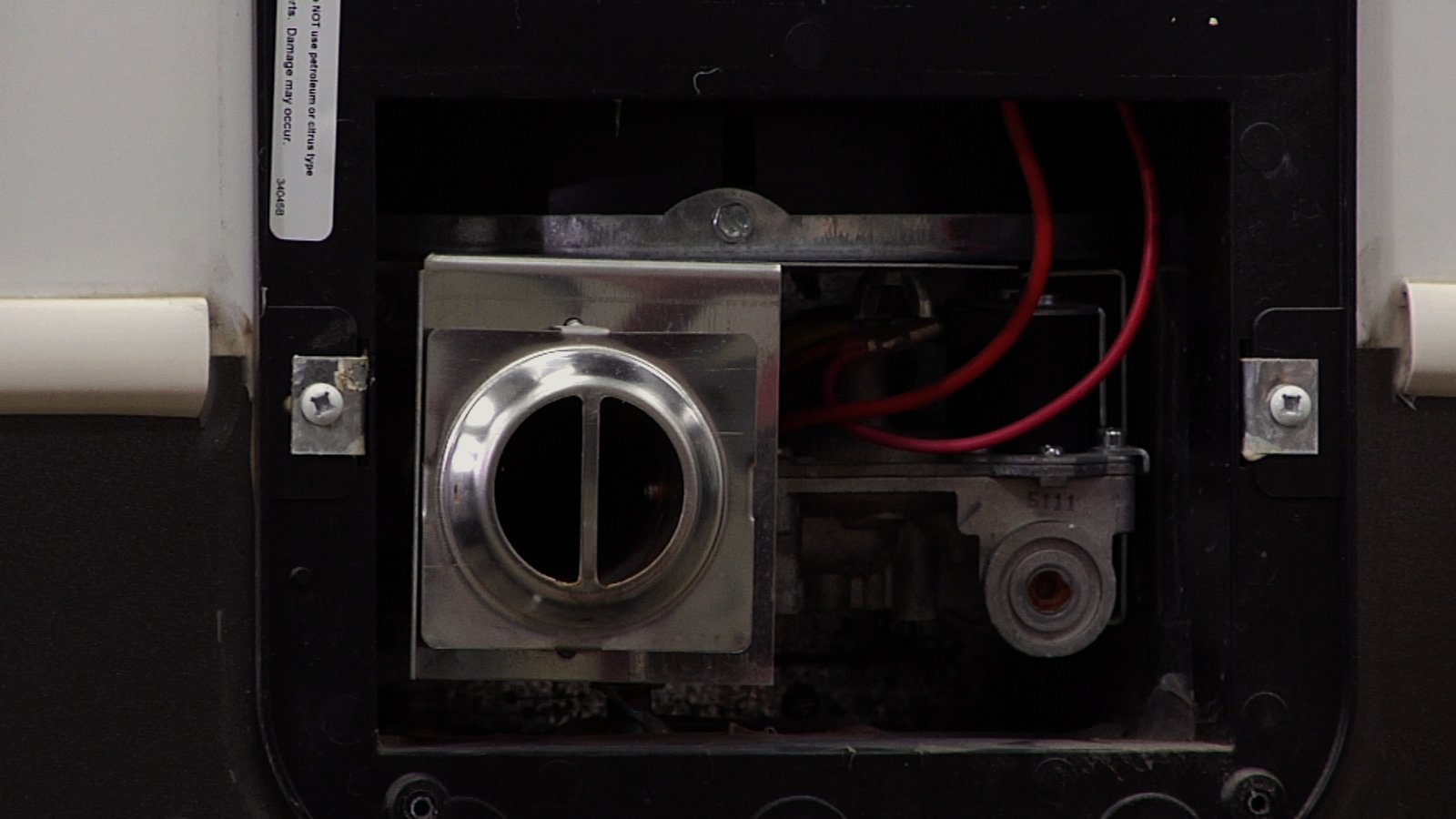 Photo: fujidan.com on Google
This step is for heaters where the fan blows strongly, but the burner never lights. Air trapped in the copper supply tubes prevents propane from reaching the igniter electrode.
Go outside to your trailer tongue and turn the main propane tank valve counterclockwise until it stops. If you have two tanks on an automatic changeover regulator, make sure the lever points directly to the full cylinder. Next, step inside and light all three burners on your propane kitchen stove. Let them burn on high for 60 seconds until the flames stay steady and pure blue, then shut them off. This clears any pocket of stale air out of the system. Turn the wall thermostat back on. You’ll hear the blower spin, then three distinct clicks, followed by the roar of the main flame lighting.
Clear vents and reset the control board
This fix handles stubborn lockouts and furnaces that shut down from overheating. Dust, dog hair, or insect nests restrict airflow across the heat exchanger, which trips the high-limit safety sensor.
Inspect your exterior intake and exhaust ports for insect nests, and vacuum the return-air register inside the cabin. Never insert wire coat hangers or tools into the exterior furnace exhaust pipe; if you suspect a wasp nest deep inside the tube, schedule an inspection with a certified RV technician. Turn the thermostat completely off, wait 5 minutes to clear the control board’s lock-out memory, and switch it back on.
This fix isn’t for damaged internal gas valves or cracked heat exchangers. According to the Consumer Product Safety Commission, faulty combustion exhaust can lead to hazardous carbon monoxide build-up inside enclosed living quarters. Testing gas pressures, replacing internal wiring, or servicing the combustion chamber requires specialized tools and certified technician training.
What not to do
- Don’t keep flipping the thermostat on and off after three ignition failures, because repeated cycles dump unburned fuel into the chamber.
- Don’t bypass the internal sail switch or high-limit sensor with a jumper wire, as these prevent your trailer from catching fire if the fan fails.
- Don’t use a portable outdoor catalytic heater inside a closed trailer overnight without an open window, because unvented fuel burners rapidly consume interior oxygen.
- Don’t use a household hairdryer to thaw frozen propane regulators, as the heating element can ignite tiny gas leaks around the vent.
How to stop it happening again
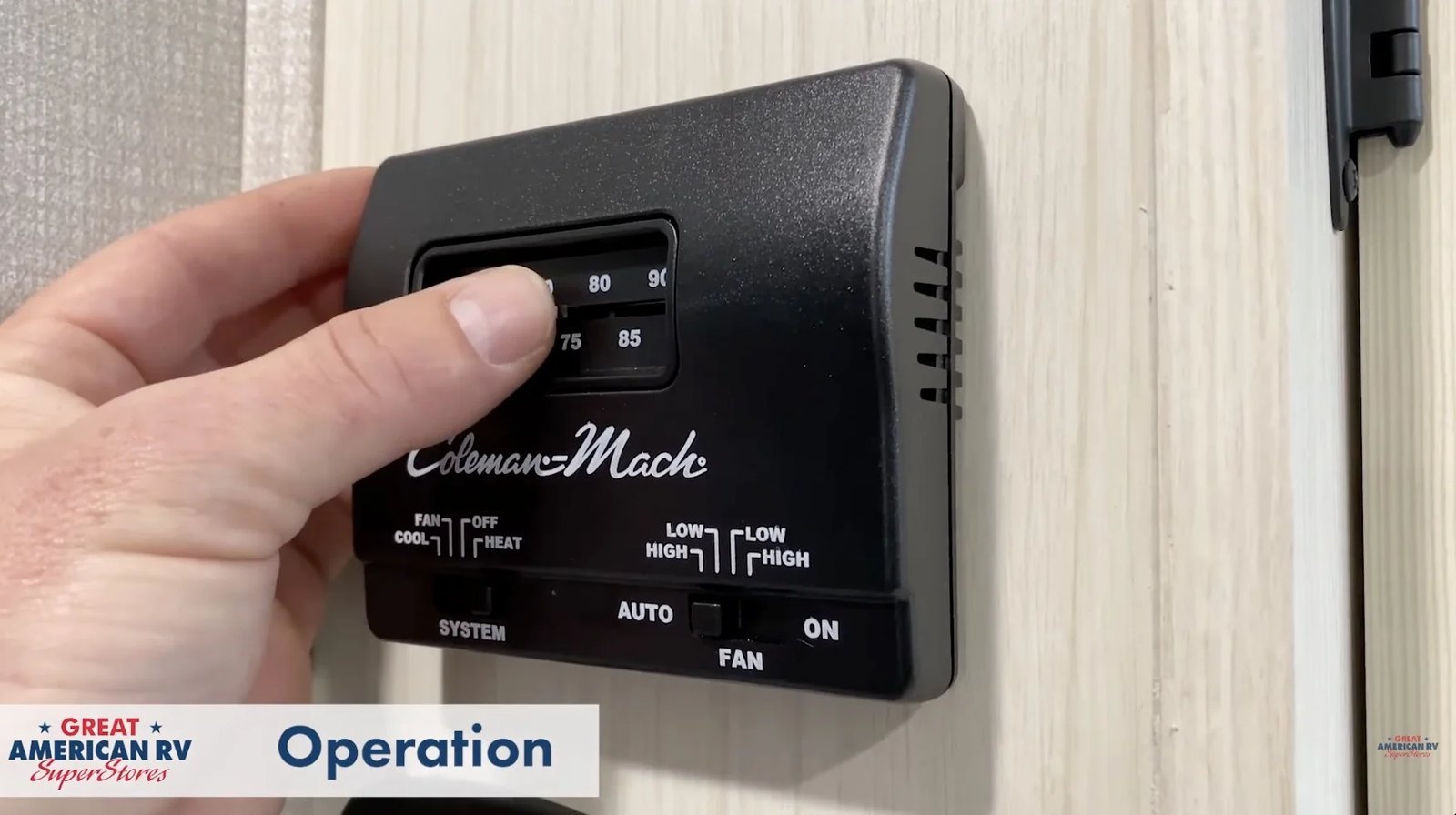 Photo: cookiehorse.com on Google
Routine maintenance prevents cold nights and expensive emergency repairs. If your trailer sits in storage for months, mud daubers will build nests inside the exhaust ports, costing you an entire afternoon of cleaning or a scorched heat exchanger.
| If you’re doing this | Do this instead | Why |
|---|---|---|
| Leaving external furnace vents open in summer | Install metal insect mesh screens over ports | Wasps and mud daubers build nests in the exhaust tube |
| Running heaters on low batteries | Keep trailer plugged in or recharge daily | Low voltage burns out blower motors prematurely |
| Storing rugs over the furnace return grill | Keep floor area around the return grate clear | Blocked return air trips the high-limit heat sensor |
| Opening propane valves very fast | Turn the tank knob slowly over five seconds | Fast opening trips the tank’s internal safety shutoff valve |
| Storing the RV without winterizing the fuel lines | Turn tank valves fully shut during storage | Prevents slow regulator leaks and fuel line contamination |
Frequently asked questions
Can a weak trailer battery stop the furnace from lighting?
Yes, a weak battery will run the blower fan too slowly to push the air-sail switch closed. If that internal switch doesn’t close, the control board won’t open the propane gas valve or trigger the igniter spark.
Why does my camper furnace blow cold air and then shut off?
Your furnace shuts off after ninety seconds because the flame sensor never detected heat. If the burner fails to ignite after three attempts, the computer locks down the system so unburned propane doesn’t fill the living space.
Is it safe to leave an RV furnace running all night?
Yes, it’s safe to run your built-in furnace overnight because it uses a sealed combustion chamber that vents exhaust gases outside. Always test your trailer’s 12-volt carbon monoxide detector before going to sleep to ensure early warning against potential leaks.
How do I know if my trailer is out of propane?
Turn on your trailer stove burners to see if they light with a strong blue flame. If the burners flicker out, hiss without lighting, or show small yellow tips, your propane cylinder is empty or frozen.
What happens if the furnace sail switch gets stuck?
The blower fan will run continuously, but the furnace will never click or supply heat. The sail switch acts as an airflow safety lock, preventing fuel release until it confirms that adequate air moves through the housing.