
Is your KitchenAid built-in refrigerator acting up? Don’t let a malfunctioning appliance disrupt your kitchen routine.
You rely on your refrigerator to keep your food fresh and your family happy. When it stops working correctly, it can be incredibly frustrating. But before you call for expensive repairs, you might be able to fix the problem yourself.
This guide will walk you through common KitchenAid built-in refrigerator issues and provide simple, step-by-step solutions. You’ll be back to a perfectly functioning fridge in no time.
Credit: www.kitchenaid.com
Common Kitchenaid Refrigerator Issues
Your KitchenAid built-in refrigerator is a kitchen workhorse. Sometimes, it needs a little help. You might notice small problems. These are often easy fixes. Don’t panic. We will explore common issues. We will guide you through solutions.
Not Cooling Properly
Your fridge feels warm. The food is not cold enough. This is a common problem. Check the temperature settings first. Make sure they are correct. The door seals might be dirty. Clean them gently. A blocked air vent can cause this. Ensure vents are not covered. Food items can block them. Sometimes, the condenser coils need cleaning. Dust builds up on them. This makes cooling harder.
Freezer Too Cold, Fridge Too Warm
This is a tricky issue. The freezer works great. The refrigerator section is warm. The damper control might be stuck. This controls air flow. It moves cold air. If it is stuck, warm air enters the fridge. The defrost system could also fail. This part removes frost. If it fails, frost builds up. This blocks air. The evaporator fan might be the problem. It circulates cold air. If it stops, the fridge warms up.
Ice Maker Malfunctions
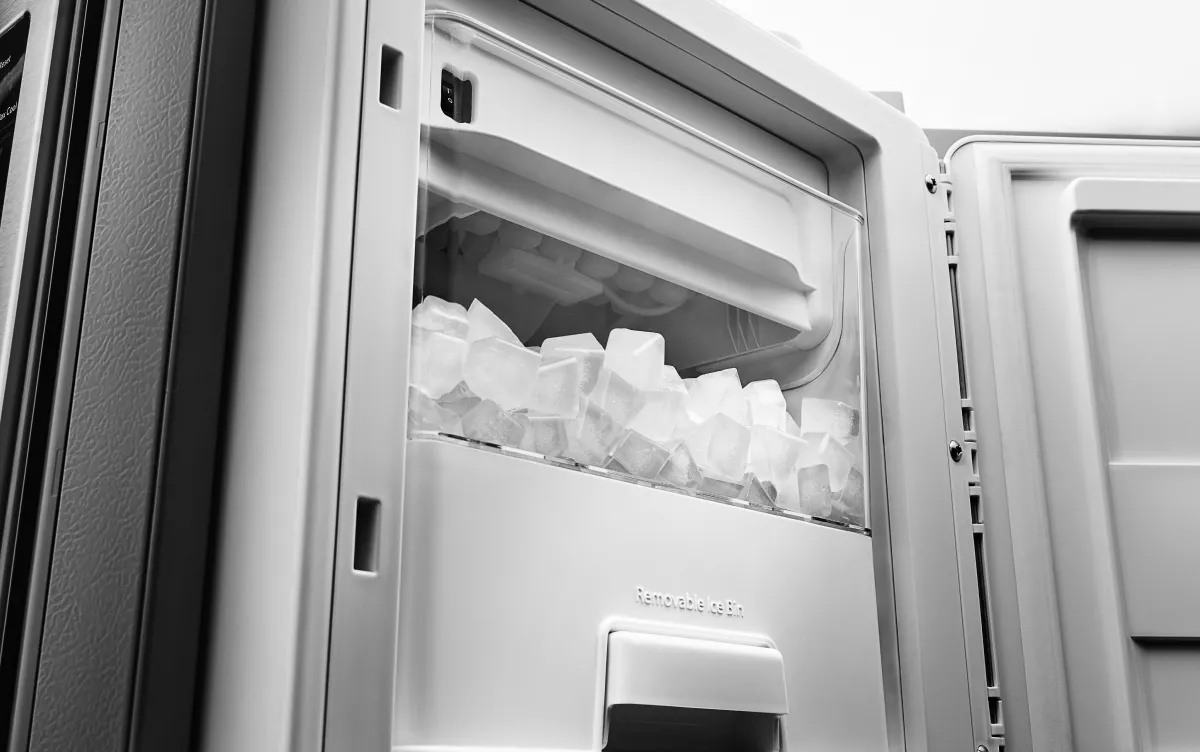
No ice. Or, the ice is small. The water line might be frozen. Check for ice blockages. The ice maker itself could be faulty. The water inlet valve may not open. This stops water flow. The feeler arm might be stuck. It tells the maker when to stop. Ensure it moves freely. Sometimes, the temperature is too high. The ice maker needs a cold freezer.
Water Dispenser Problems
Water flow is slow. Or, no water comes out. The water filter might be clogged. Replace an old filter. Check the water supply line. Ensure it is connected. It should not be kinked. The water tank might be empty. Refill it if needed. The dispenser switch could be broken. This prevents water flow. Sometimes, the pump fails.
Unusual Noises
Your fridge makes strange sounds. A humming noise is normal. Buzzing or clicking can be concerning. Check if the fridge is level. Uneven placement causes vibrations. The condenser fan might be dirty. Debris can hit the blades. The evaporator fan can also make noise. Listen for scraping sounds. The ice maker can click. This is usually normal.
Leaking Water
Water pools on the floor. The defrost drain tube may be blocked. This tube removes meltwater. Clear any obstructions. The drip pan might be cracked. This pan collects water. Check it for damage. The water line connection could leak. Tighten it carefully. Ensure the fridge is level. This helps water flow correctly. A faulty water valve can also leak.
Troubleshooting Cooling Problems
Your KitchenAid built-in refrigerator is not cooling. This is a common problem. Many issues cause this. You can fix some yourself. This guide helps you troubleshoot. Let’s find the cooling issue.
Check Temperature Settings
Your refrigerator has settings. Make sure they are correct. Dial the temperature lower. Wait a few hours. See if it cools better. Sometimes settings get changed by accident.
Inspect Door Seals
Check the door gaskets. They create a tight seal. Look for any damage. Tears or gaps let cold air out. Clean them with warm, soapy water. A good seal keeps cold air in. A bad seal makes it warm.
Clean Condenser Coils
Condenser coils need cleaning. They are usually on the back or bottom. Dust and dirt block airflow. Unplug the refrigerator first. Use a vacuum cleaner brush. Gently remove the dust. Clean coils help the fridge run well.
Verify Airflow Vents
Inside the fridge, find vents. These move cold air around. Do not block the vents. Food items can block them. Rearrange food for better airflow. Clear vents mean even cooling. Uneven cooling is frustrating.
Examine Evaporator Fan
The evaporator fan circulates cold air. Listen for the fan running. Is it making strange noises? Is it running at all? If not, it might be faulty. This fan is critical for cooling.
Test Start Relay And Compressor
These parts are more complex. The start relay helps the compressor. The compressor makes the fridge cold. If the fridge is silent, check these. A clicking sound can mean a relay issue. Compressor problems need professional help. Do not attempt this yourself if unsure.
Addressing Ice Maker And Water Dispenser
Your KitchenAid refrigerator has many parts. The ice maker and water dispenser are popular. They can sometimes have issues. This section helps you fix them. We will guide you through common problems. Let’s get your ice and water flowing again.
Check Water Supply Line
Is the water line connected? Ensure it is secure. Look for any kinks. A bent line stops water. Open the valve fully. This ensures water flow.
Inspect Water Filter
A clogged filter blocks water. Remove the old filter. Check it for debris. Replace it if it looks dirty. A new filter helps flow. Ensure it is installed correctly.
Clear Ice Maker Jam
Ice can get stuck. Open the ice maker bin. Look for any jammed ice. Gently remove the stuck cubes. Use a plastic utensil. Avoid metal tools. This can damage the maker.
Test Water Inlet Valve
This valve controls water flow. It is usually at the back. Listen for a humming sound. This means it is working. No sound? The valve might be bad. You may need a replacement.
Examine Dispenser Solenoid
This part controls water release. It is near the dispenser. Check its connection. Ensure wires are secure. A faulty solenoid stops water. It might need professional help.

Credit: www.kitchenaid.com
Quieting Strange Noises
Your KitchenAid built-in refrigerator is usually quiet. A sudden strange noise is concerning. Don’t panic. Many noises have simple fixes. This section helps you find and stop them. Let’s get your fridge quiet again.
Identify Noise Source
First, listen carefully. Where does the noise come from? Is it a hum? A buzz? A rattle? Pinpoint the location. The back of the fridge often makes noise. The inside can too. Listen near the motor. Listen by the vents. This helps narrow down the problem.
Level The Refrigerator
An uneven fridge can rattle. Check if your appliance is level. Use a level tool. Place it on top. Look at the front and sides. Adjust the leveling feet. Turn them up or down. A stable fridge runs smoother. This often stops buzzing sounds.
Check Fan Obstructions
Fans cool your refrigerator. Ice or debris can block them. Open the freezer door. Look for the fan. Is anything touching it? Remove any obstructions. A clear fan spins freely. This stops grinding noises. It ensures proper cooling too.
Inspect Compressor Mounts
The compressor is the heart. It pumps refrigerant. It has rubber mounts. These can wear out. Loose mounts cause vibrations. They create a knocking sound. Check the compressor mounts. Ensure they are secure. Replace worn mounts if needed. This quiets the knocking.
Stopping Leaks
Water pooling inside your KitchenAid refrigerator? Troubleshoot common causes for leaks. Check the defrost drain for blockages. Ensure door seals are tight and clean.
When your KitchenAid built-in refrigerator leaks, it’s frustrating. Water pooling is a common problem. Don’t worry. We can fix this. Follow these steps.Locate The Leak Source
First, find where the water comes from. Look under the fridge. Check the floor. See any drips? Is water coming from the front or back? Pinpointing the start helps. This guides your next steps.Check Drain Pan And Tube
The drain pan collects water. It’s usually at the bottom. The drain tube carries water away. Is the pan cracked? Is it overflowing? The tube might be clogged. Clear any debris. A blocked tube causes leaks.Inspect Defrost System
Your fridge defrosts itself. This process creates water. The defrost system moves this water. A faulty defrost heater can cause issues. The defrost drain might freeze. Check for ice buildup. This ice melts. It can leak inside.Examine Water Lines
Refrigerator water lines supply water. They connect to your ice maker. They also connect to the dispenser. Look for loose connections. Are the lines damaged? A small crack can leak. Tighten any loose fittings. Replace any damaged lines.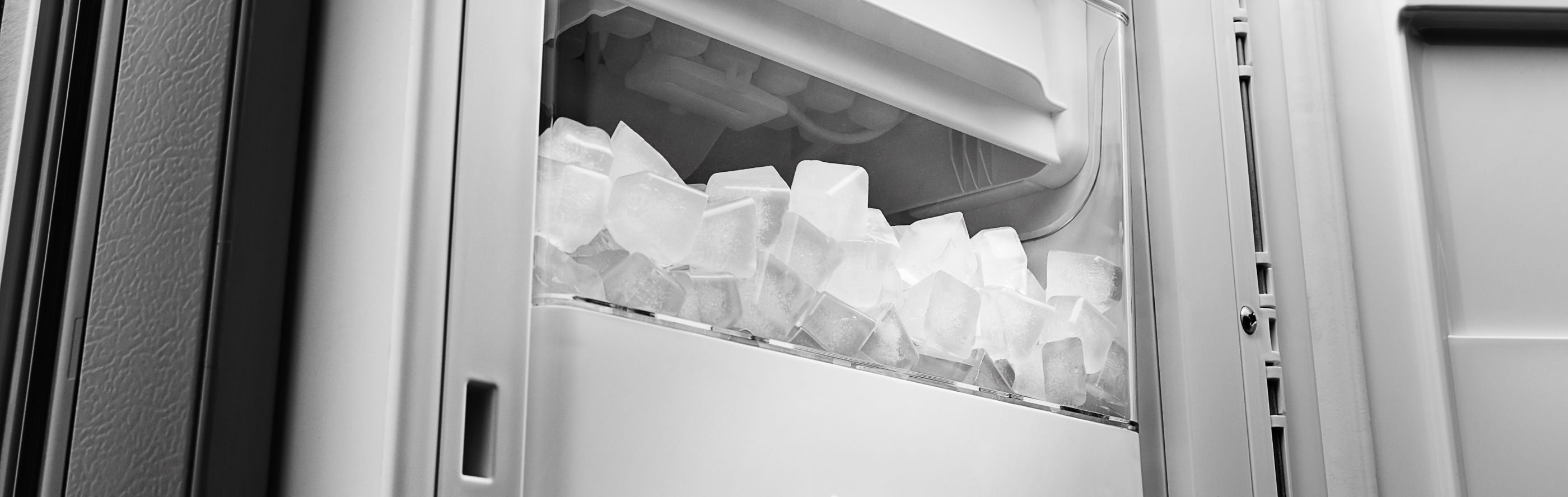
Credit: www.kitchenaid.com
When To Call A Professional
Simple fixes might not solve your KitchenAid refrigerator problem. Persistent issues suggest a need for expert help. Call a professional for complex troubleshooting.
It’s tempting to fix everything yourself. Your KitchenAid refrigerator is a big appliance. Some problems need expert help. Knowing when to call a pro saves time. It also prevents further damage. Your refrigerator will thank you.Complex Electrical Issues
Your fridge has many wires. These carry power. A faulty wire causes problems. Sparks are a bad sign. Burning smells are serious. These point to electrical trouble. Do not try to fix them. A qualified technician is needed. They understand electrical systems. They have the right tools. Safety is their priority.Refrigerant Leaks
Refrigerant cools your food. Leaks make your fridge warm. You might see an oily residue. A hissing sound is possible. This gas is not safe. It is harmful to breathe. It is also bad for the environment. A certified HVAC tech can help. They can find and fix leaks. They recharge the system safely.Persistent Problems
Some issues repeat themselves. You fix one thing. Another problem appears. This suggests a deeper issue. The root cause is hidden. A professional can diagnose it. They have experience with these. They understand complex failures. They will find the lasting solution.Safety Concerns
Your refrigerator is powerful. Electrical components are dangerous. Refrigerant can also be hazardous. Do not risk your safety. If you see smoke or sparks, stop. If you smell burning plastic, unplug it. Call a professional immediately. They have the training. They know how to work safely. Your well-being matters most.Frequently Asked Questions
Refrigerator Not Cooling Enough?
Check the temperature settings first. Ensure the door seals are clean and tight. Avoid overloading the refrigerator with warm food.
Ice Maker Not Working?
Verify the ice maker is turned on. Check for any kinks in the water line. Make sure the freezer temperature is cold enough.
Water Dispenser Leaking?
Inspect the water filter for a proper seal. Tighten the water line connections. Clear any ice buildup in the dispenser chute.
Strange Noises From Refrigerator?
Listen for the type of noise. Rattling might be items inside touching. Humming is usually normal compressor operation.
Refrigerator Smells Bad?
Clean spills immediately with baking soda. Check for spoiled food in the compartments. Replace the water filter if it’s old.
Freezer Too Warm?
Confirm the freezer door is fully closed. Check if the evaporator fan is running. Defrost the freezer if frost buildup is heavy.
Lights Not Working Inside?
Ensure the door is actually open. Check if the light bulb is burnt out. Test the light switch for proper function.