
Is your refrigerator making strange noises, or worse, not cooling at all? The heart of your fridge is its compressor, and when it acts up, it can be a real headache.
Don’t panic! Many common refrigerator compressor issues are actually fixable. This guide will walk you through the most frequent problems and how to troubleshoot them, saving you time and money. Let’s get your cool air flowing again.

Credit: www.youtube.com
The Heart Of Your Fridge
The refrigerator compressor is vital. It is the engine of your fridge. This small part keeps your food cold. It is truly the heart of your appliance.
What A Compressor Does
The compressor moves refrigerant. It circulates it through the system. This process removes heat. Cold air fills your refrigerator. It keeps everything fresh.
Signs Of A Failing Compressor
Your fridge might make strange noises. A humming sound is common. It could be a loud clicking sound. The fridge may not be cold enough. Food spoils quickly. The compressor might run too often. Or it might not run at all. These are serious warnings.
Common Compressor Issues
Your refrigerator compressor is vital. It keeps your food cold. What happens when it acts up? Common compressor issues can cause problems. Understanding these problems helps you fix them. We will explore typical compressor troubles. Get your fridge running right again.
Compressor Not Running
The compressor is silent. Your fridge is warm. This is a common problem. The compressor might be faulty. Electrical issues could be the cause. The starter relay may have failed. The capacitor could be bad. A tripped circuit breaker is possible. Check the thermostat setting first. Ensure it is set to cool.
Compressor Running Constantly
Your compressor never stops. The fridge is too cold. It might be running too much. This wastes energy. The door seals could be worn. They let warm air enter. The condenser coils might be dirty. This makes the compressor work harder. The thermostat could be malfunctioning. It might not signal the compressor to stop.
Compressor Making Strange Noises
Hear odd sounds? The compressor could be failing. Humming is normal. Loud buzzing is not. Rattling sounds mean trouble. Clicking noises are concerning. These indicate internal damage. It might need replacement soon. A loose mounting bolt is a cause. Internal wear is another reason.
Compressor Overheating
The compressor feels very hot. This is a serious sign. It can damage the unit. Dirty condenser coils are a cause. Poor ventilation is another. The compressor may be overworked. Low refrigerant levels cause strain. A failing start relay can lead to this. Overheating can cause a shutdown. It may prevent cooling altogether.
Diagnostic Steps
First, check for power. Then, listen for the compressor running. Next, test its electrical components. These steps help find refrigerator compressor issues.
When your refrigerator stops cooling, the compressor might be the culprit. Troubleshooting it yourself can save time and money. These diagnostic steps help pinpoint the problem. Follow them carefully.Check Power Supply
First, ensure your fridge gets power. Is it plugged in? Check the outlet. Use a voltage tester. The outlet should have power. No power means a different issue.Inspect The Relay And Overload Protector
These parts protect the compressor. They are usually near the compressor. Look for burnt wires. A faulty relay stops the compressor. The overload protector might trip. Reset it if possible.Test The Start Capacitor
The start capacitor helps the compressor begin. It looks like a small cylinder. A multimeter tests it. Check for continuity. A bad capacitor prevents starting.Listen For Humming
Turn on the refrigerator. Listen closely. Do you hear a hum? A faint hum is good. No sound suggests no power. A loud hum is bad. It might mean the compressor is stuck.Measure Voltage And Amperage
This requires a multimeter. Measure the voltage at the compressor. Check the amperage draw. Compare readings to specifications. Low voltage or high amperage signals trouble. This confirms compressor failure.
Credit: www.youtube.com
Troubleshooting Specific Problems
Refrigerator compressors are vital. They keep your food cold. Sometimes, they stop working right. This section helps you fix them. We will look at common issues. You can troubleshoot specific problems. Your fridge can work again.
No Cooling, Compressor Silent
Your fridge is warm. The compressor makes no sound. This is a big problem. First, check the power. Is the fridge plugged in? Is the outlet working? Look at the thermostat setting. It might be too low. Set it to a colder temperature. Still no cooling? The compressor might be dead. The start relay could fail. The capacitor might be bad. These parts need replacement. A technician can help here.
Fridge Too Warm, Compressor Always On
Your fridge is not cold enough. The compressor runs all the time. This wastes energy. It also stresses the compressor. Check the door seals. Are they tight and clean? Dirty or damaged seals let cold air out. Adjust the thermostat. Maybe it is set too high. Try a colder setting. If seals and thermostat are fine, the issue is inside. The evaporator fan might be weak. It circulates cold air. The condenser coils may be dirty. They release heat. Clean them well. If problems persist, call a pro.
Clicking Noises From Compressor Area
You hear clicking sounds. It comes from the compressor. This often means trouble. The compressor tries to start. It cannot get enough power. The start relay is suspect. It might be faulty. The overload protector could trip. It protects the compressor. It may need resetting. Sometimes, the compressor itself fails. This clicking is a warning. Do not ignore it. A repair person should check it.
Loud Grinding Or Buzzing Sounds
Harsh noises are bad signs. Grinding means metal parts rub. Buzzing suggests electrical issues. The compressor motor may be failing. Internal damage can cause grinding. Electrical problems cause buzzing. This usually means a serious fault. The compressor might be worn out. It could be damaged internally. These sounds are alarming. Stop the fridge immediately. Continued running causes more harm. You need professional repair. Replacement is often the answer.
When To Call A Pro
Your fridge compressor is vital. It keeps food cold. Strange noises or no cooling? Call a professional. They can fix compressor issues safely.
Sometimes, a refrigerator problem needs expert hands. You might try simple fixes. But some issues are too big. It is time to call a professional technician. They have the right tools. They have the right knowledge. Do not risk further damage. Do not risk your safety.Safety First
Electricity powers your fridge. Working with it can be dangerous. You could get a shock. You could cause a fire. A pro knows electrical safety. They handle wiring carefully. They test components safely. Your home’s safety is important. Leave electrical work to experts.Complex Electrical Issues
Compressors involve complex wiring. They connect to many parts. You might see burnt wires. You might smell electrical odors. These are signs of trouble. A technician can diagnose these issues. They can replace damaged parts. They understand the electrical system. Trust their expertise for safety.Signs Of Serious Damage
Your compressor might make loud noises. It could hum constantly. It might not start at all. These are bad signs. The compressor could be failing. It might have internal damage. A pro can inspect the compressor. They can tell if it needs repair. They can also suggest replacement. Early diagnosis saves money. It prevents bigger problems. `Preventative Maintenance Tips
Keep your refrigerator’s compressor running smoothly. Regular cleaning prevents overheating. Ensure good airflow around the unit. These simple steps help avoid costly repairs.
Here are some tips. They help your fridge run well. Preventative maintenance saves you trouble. It keeps your compressor happy. It also saves you money.Keep Coils Clean
Dust builds up fast. It covers the condenser coils. These coils get hot. They release heat from the fridge. Dirty coils can’t work well. They make the compressor work harder. Clean them regularly. Use a vacuum cleaner. A soft brush works too. This keeps your fridge cool. It helps the compressor last.Ensure Proper Ventilation
Your fridge needs air. The compressor needs airflow. It sits at the back. Or it’s under the fridge. Keep this area clear. Do not block the vents. Allow space for air to move. Good ventilation prevents overheating. This protects your compressor. It ensures efficient cooling.Avoid Overpacking
Too much food is bad. It blocks air circulation. Cold air cannot flow freely. This makes the compressor run longer. It works overtime. Pack your fridge smartly. Leave space between items. This helps keep food cold. It reduces strain on the compressor. Your fridge will perform better.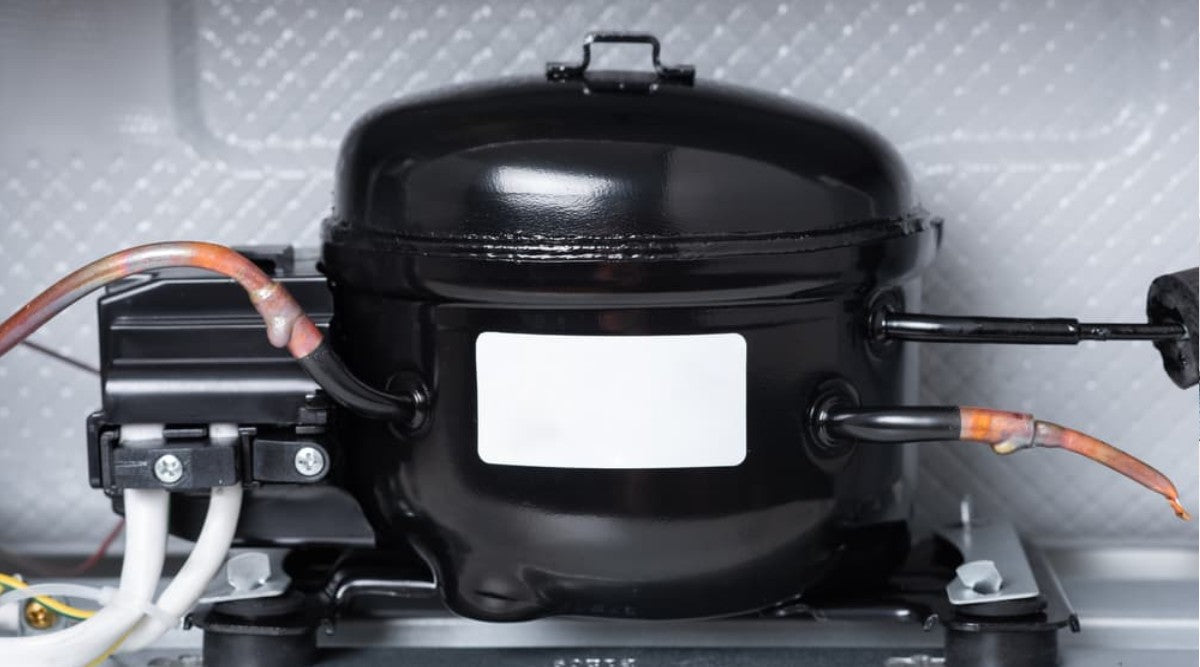
Credit: ironmountainrefrigeration.com
Frequently Asked Questions
Why Is My Refrigerator Compressor Not Running?
The compressor might be overloaded or have a faulty start relay. Check for any obstructions preventing it from cycling. A tripped circuit breaker can also be the cause.
How To Test A Refrigerator Compressor?
Listen for a humming sound from the compressor. Check for warmth if it’s running. You can also use a multimeter to test its electrical components.
What Does A Bad Refrigerator Compressor Sound Like?
A bad compressor may make loud clicking or grinding noises. It might also hum loudly without cooling. Sometimes, you’ll hear buzzing sounds.
How Long Does A Refrigerator Compressor Last?
Most refrigerator compressors last between 10 to 20 years. Proper maintenance helps extend their lifespan. Avoid frequent door openings.
Can I Replace A Refrigerator Compressor Myself?
Replacing a compressor is complex and dangerous. It requires specialized tools and knowledge. It’s best to hire a professional for this task.
What Causes A Refrigerator Compressor To Fail?
Overheating is a common cause of failure. Lack of regular cleaning can also lead to issues. Electrical problems can strain the compressor too.
How Much Does It Cost To Fix A Refrigerator Compressor?
Compressor replacement costs vary widely. Parts and labor can range from $400 to $1,000 or more. The refrigerator’s brand affects the price.
Conclusion
Your refrigerator compressor is vital. It keeps food cold. Troubleshooting can save money. Check for simple issues first. Listen for strange noises. Ensure clear airflow. These steps might solve problems. Still no cool air? A professional may be needed. They can fix complex faults.
Keep your fridge running well.