
The Westinghouse WPX3400 is a robust and popular gas-powered pressure washer, known for its reliable performance in tackling tough cleaning jobs around the home and workshop. However, like any piece of machinery, it can sometimes encounter issues. When your WPX3400 isn’t performing as expected, understanding common troubleshooting steps can save you time, money, and frustration.
This guide will walk you through diagnosing and resolving the most frequent problems encountered with the Westinghouse WPX3400, ensuring you can get back to achieving that sparkling clean finish.
Key Takeaways
- No Start Issues: Check fuel, oil, spark plug, air filter, and carburetor for blockages or damage.
- Low Pressure Problems: Inspect water intake, nozzle, hoses, and pump seals for leaks or obstructions.
- Engine Stalling/Rough Running: Address fuel quality, air filter cleanliness, carburetor issues, or overheating.
- Water Leaks: Tighten connections, check O-rings and seals, and inspect the pump for cracks.
- Detergent Not Dispensing: Ensure the siphon tube is submerged, the filter is clean, and the detergent system is clear.
- Regular Maintenance is Key: Preventative care is the best way to avoid most troubleshooting scenarios.
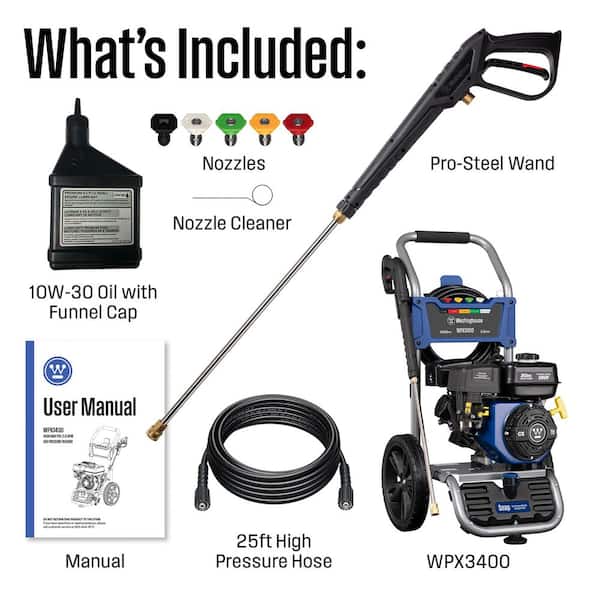
Credit: www.homedepot.com
Understanding Common Westinghouse Wpx3400 Issues
The Westinghouse WPX3400 is engineered for durability, but its operation involves several critical components working in harmony. When one of these components falters, it can manifest in various ways, from a complete failure to start to a noticeable drop in cleaning power.
Identifying the specific symptom is the first step in pinpointing the cause. Common issues often revolve around the engine’s ability to run, the water delivery system’s pressure, and the detergent application.
For instance, a pressure washer that won’t start might be suffering from a simple fuel issue or a more complex problem within the ignition system. Conversely, a unit that starts but lacks power could have a blockage in the water path or a worn-out pump seal.
Understanding these fundamental relationships between components and their potential failures is crucial for effective troubleshooting. This guide will break down these issues into manageable categories, providing clear, actionable steps to bring your WPX3400 back to optimal working condition.
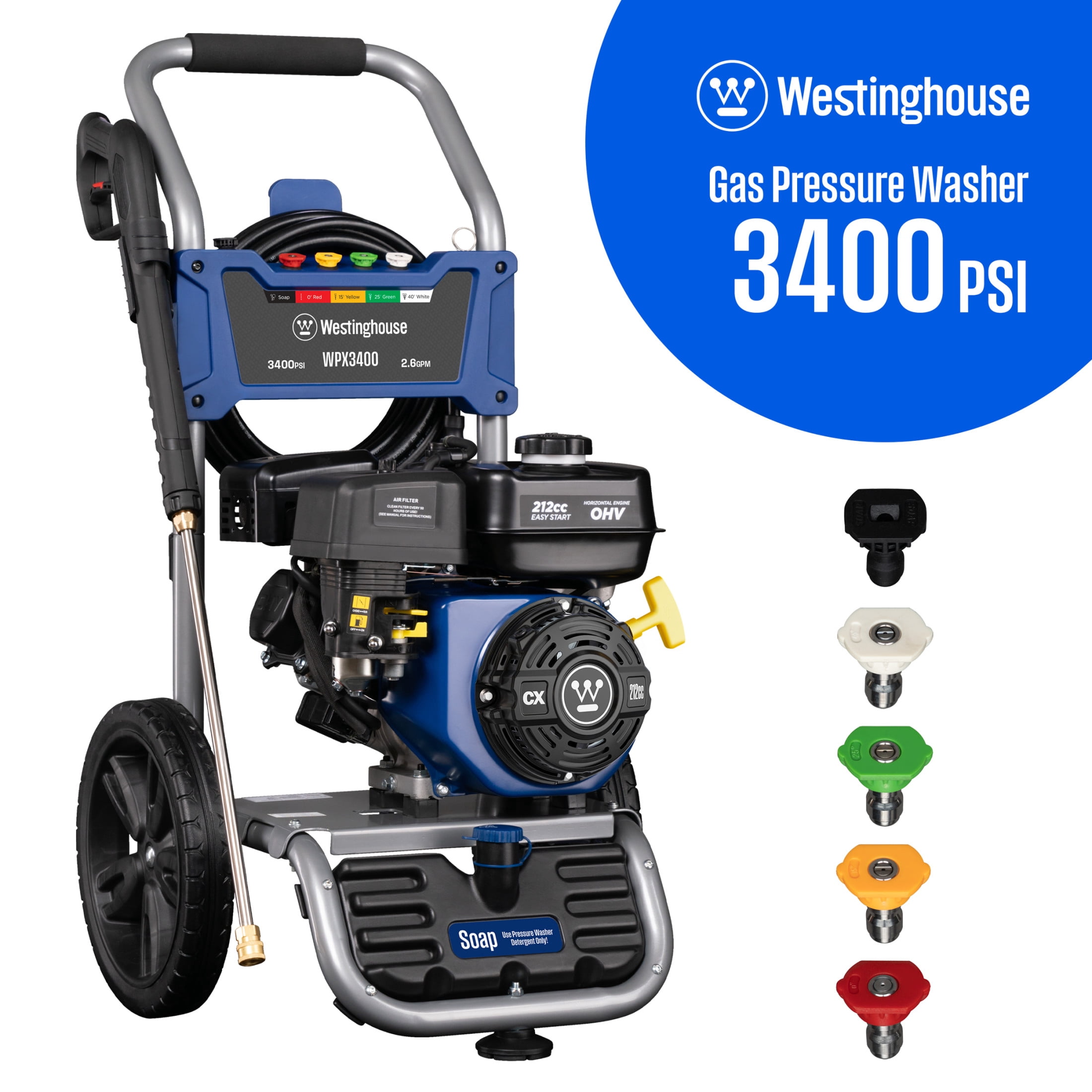
Credit: sportingathletics.com
Engine Won’t Start Or Is Difficult To Start
This is perhaps the most common and frustrating problem a pressure washer owner can face. A failure to start can stem from a variety of sources, ranging from simple oversights to more mechanical complications. Before assuming a major breakdown, it’s essential to systematically check the most probable culprits.
Fuel System Checks
The engine requires a proper fuel mixture to ignite and run. Issues here are frequent and often easily rectified.
- Fresh Fuel: Gas can degrade over time, especially if it contains ethanol, which can absorb moisture. Always use fresh gasoline, ideally less than 30 days old. If the fuel is old, drain the tank and carburetor bowl and refill with fresh fuel. For stored fuel, consider using a fuel stabilizer.
- Fuel Valve: Ensure the fuel valve is in the “ON” position. It’s a simple lever that can be accidentally bumped or left off.
- Fuel Filter: A clogged fuel filter restricts fuel flow to the carburetor. Locate the filter (usually inline between the fuel tank and carburetor) and inspect it. If it appears dirty or clogged, replace it.
- Carburetor: The carburetor mixes fuel and air. If it’s clogged with debris or gummed up from old fuel, it won’t deliver fuel properly. Sometimes, gently tapping the carburetor bowl can dislodge minor blockages. For more persistent issues, the carburetor may need to be cleaned or rebuilt. This often involves removing the carburetor bowl and cleaning the jet.
Ignition System Issues
A strong spark is vital for ignition. If the spark plug isn’t firing correctly, the engine won’t start.
- Spark Plug: Remove the spark plug and inspect it. Look for signs of fouling (black, oily deposits), damage to the electrode, or excessive wear. Clean a fouled plug with a wire brush and check the gap according to your owner’s manual. If it appears damaged or heavily worn, replace it with a new one. Ensure the spark plug wire is securely attached.
- Ignition Coil: While less common, a faulty ignition coil can prevent spark generation. Testing an ignition coil typically requires specialized tools and knowledge. If you’ve ruled out the spark plug and fuel, this might be the next area to consider, potentially requiring professional service.
Air Intake And Filtration
The engine needs air to combust fuel. A blocked air filter will starve the engine of air.
- Air Filter: Locate the air filter housing. Remove the cover and inspect the air filter. If it’s dirty, clogged with dust, or oily, it needs to be cleaned or replaced. For washable filters, clean them according to the manufacturer’s instructions (usually with soap and water, then dried thoroughly). A severely clogged filter can significantly impede airflow.
Safety Features
Modern pressure washers have safety interlocks that prevent them from starting under certain conditions.
- Water Supply: Ensure the water supply is connected and the hose is not kinked, preventing water from reaching the pump. Some pressure washers have a low-water cutoff that will prevent starting if no water is detected.
- Trigger Lock: Check that the trigger lock on the spray gun is disengaged.

Credit: www.lowes.com
Engine Stalls Or Runs Rough
If your WPX3400 starts but then sputters, stalls, or runs unevenly, it indicates an imbalance in the fuel-air mixture or an issue with combustion.
Fuel Quality And Delivery
Similar to starting problems, fuel can be the culprit for rough running.
- Old Fuel: As mentioned, old fuel loses its combustibility and can cause poor engine performance. Drain and refill with fresh fuel if you suspect this is the issue.
- Water in Fuel: If water has entered the fuel tank, it will cause the engine to run erratically or stall. This often requires draining the tank and carburetor completely.
- Fuel Line Obstruction: A partially blocked fuel line or filter can lead to inconsistent fuel delivery, causing the engine to starve and run rough.
Air Filter Condition
A dirty air filter restricts airflow, leading to a rich fuel mixture (too much fuel, not enough air), which causes rough running and loss of power.
- Cleaning/Replacement: Regularly clean or replace the air filter as per your owner’s manual. A clean air filter is one of the easiest ways to ensure smooth engine operation.
Carburetor Issues
The carburetor is responsible for precisely mixing fuel and air. If it’s not adjusted correctly or is dirty, it can cause performance problems.
- Adjustment: Some carburetors have adjustment screws for idle speed and mixture. If these are out of spec, the engine may run poorly. Refer to your manual for proper adjustment procedures, but be cautious as improper adjustments can cause damage.
- Internal Clogging: Even if the engine starts, internal passages within the carburetor can be partially clogged, leading to inconsistent fuel delivery and rough running, especially under load. Cleaning the carburetor, as described in the “Engine Won’t Start” section, is often necessary.
Overheating
Gasoline engines generate significant heat. If the engine overheats, it can cause performance issues or shut down.
- Cooling Fins: Ensure the engine’s cooling fins are clean and free of debris (grass clippings, dirt, oil buildup). Blocked fins prevent proper heat dissipation.
- Oil Level: Check the engine oil level. Low oil can lead to overheating and engine damage.
- Continuous Operation: Running the engine for extended periods without a load (i.e., not spraying water) can cause it to overheat. Always ensure the spray gun trigger is engaged periodically to allow water to circulate and cool the pump and engine.
Spark Plug Fouling
A spark plug that is fouled with carbon or oil can lead to incomplete combustion, resulting in a rough-running engine.
- Cleaning/Replacement: Inspect and clean or replace the spark plug if it shows signs of fouling.
Low Water Pressure Or No Water Output
This issue directly impacts the effectiveness of your pressure washer. When you’re not getting the expected force from the water stream, it’s usually related to the water intake, the pump, or the nozzle.
Water Inlet Issues
The pressure washer needs a consistent and adequate supply of water.
- Water Source: Ensure your water source (faucet) is fully turned on.
- Hose Kinks: Check the garden hose connecting the faucet to the pressure washer’s inlet. Any kinks or restrictions will significantly reduce water flow.
- Inlet Filter: Most pressure washers have a screen filter at the water inlet to prevent debris from entering the pump. This filter can become clogged. Remove it and clean it thoroughly. If it’s damaged, replace it.
- Water Volume: The pressure washer requires a minimum flow rate from your water source. If your home’s water pressure is low or the faucet isn’t providing enough gallons per minute (GPM), the pump may not be able to build adequate pressure. Your owner’s manual will specify the minimum GPM required.
Pump Problems
The pump is the heart of the pressure washer, responsible for generating high pressure.
- Air in the Pump (Cavitation): If air gets into the pump system, it can reduce pressure and cause the pump to make unusual noises. To purge air, ensure the water supply is on, connect the garden hose, and squeeze the trigger on the spray gun (without the high-pressure nozzle attached, or with a low-pressure nozzle) until a steady stream of water flows out.
- Worn Unloader Valve: The unloader valve regulates water flow and pressure. If it’s faulty or stuck, it can cause low pressure or prevent the pump from building pressure. This is often a component that requires professional attention.
- Damaged Pump Seals or Impellers: Over time, seals and internal pump components can wear out. Leaking seals will reduce pressure. Inspect the pump housing for any visible leaks. If you see water dripping from the pump itself, it may indicate worn seals or internal damage.
- Pump Overheating: If the pump overheats, it can temporarily lose pressure. This is often linked to insufficient water flow or running the pump dry. Allow the unit to cool down.
High-pressure Hose And Wand Issues
The components that deliver the pressurized water can also be a source of pressure loss.
- Hose Leaks: Inspect the high-pressure hose for any cuts, abrasions, or leaks, especially at the fittings. A leak here will release pressurized water, reducing the effective pressure at the nozzle.
- Nozzle Blockage: The high-pressure nozzle is a critical component. If it’s partially or fully blocked by debris (sand, grit, mineral deposits), it will restrict water flow and reduce pressure. Clean the nozzle thoroughly using a thin wire or a specialized nozzle cleaning tool. Ensure you are using the correct nozzle for the desired pressure; lower pressure nozzles have larger orifices.
Water Leaks From The Unit
Leaks can occur from various points in the pressure washer system. Identifying the source is key to fixing the problem.
Inlet And Outlet Connections
Loose connections are a common cause of leaks.
- Garden Hose Connection: Ensure the garden hose is securely attached to the pressure washer’s inlet. Tighten the fitting by hand, and if necessary, use pliers gently. Check the O-ring inside the fitting for damage or wear.
- High-Pressure Hose Connection: The connection between the high-pressure hose and the pump outlet should be tight. Check the threaded fittings and the O-ring for damage.
Pump Housing Leaks
Leaks originating directly from the pump housing are more serious.
- Seals and Gaskets: The pump relies on various seals and gaskets to prevent water from escaping. If these wear out or become damaged, leaks will occur. This often requires disassembling the pump to replace the faulty seals.
- Cracked Housing: In rare cases, the pump housing itself might develop a crack due to freezing or impact. A cracked housing will necessitate pump replacement.
High-pressure Hose Leaks
As mentioned, damage to the hose itself can cause leaks.
- Hose Integrity: Visually inspect the entire length of the high-pressure hose. Look for bulges, cuts, or cracks. If the hose is damaged, it must be replaced.
Detergent System Leaks
Leaks can also occur in the detergent siphon tube or associated fittings.
- Siphon Tube: Ensure the detergent siphon tube is securely connected at both the intake and where it enters the pressure washer. Check for cracks or damage to the tube itself.
Detergent Not Dispensing
Most pressure washers have a system for drawing and mixing detergent with the water stream, typically for low-pressure applications. If this isn’t working, your cleaning tasks might be less effective.
Siphon Tube Issues
The detergent is drawn up through a siphon tube.
- Submersion: Ensure the end of the detergent siphon tube is fully submerged in the detergent solution. If it’s not deep enough, it won’t draw the fluid.
- Blockage: The siphon tube or its filter can become clogged with dried detergent or debris. Remove the tube and clean it, paying attention to any small filter screen at the end.
- Air Leaks: Any air leaks in the siphon tube or its connection point will prevent it from drawing detergent effectively.
Detergent System Blockage
The internal passages for detergent can become blocked.
- Internal Passages: After using detergent, it’s good practice to run plain water through the system for a few minutes to flush out any residue. If detergent has dried and clogged the system, you may need to flush it with warm water or a specialized cleaning solution, following your manual’s guidance.
- Detergent Control Valve: Some units have a valve to control detergent flow. Ensure this is set correctly and is not obstructed.
Low-pressure Nozzle Requirement
Most detergent systems only work when the pressure washer is operating at low pressure.
- Nozzle Selection: Ensure you are using the appropriate low-pressure nozzle. High-pressure nozzles will not allow the detergent system to function. The red or black nozzles are typically for detergent application.
Maintenance And Preventative Measures
The best way to avoid troubleshooting is through consistent maintenance. A well-maintained pressure washer is a reliable pressure washer.
Fuel Management
- Fresh Fuel: Always use fresh gasoline.
- Fuel Stabilizer: Use a fuel stabilizer, especially if the pressure washer will be stored for more than a month.
- Drain for Storage: For long-term storage (over winter), drain the fuel tank and run the engine dry to prevent carburetor gumming.
Oil Checks
- Regularly Check Oil Level: Maintain the correct oil level in the engine crankcase as specified in your owner’s manual.
- Oil Changes: Change the engine oil according to the manufacturer’s recommended schedule.
Cleaning And Storage
- Clean After Use: Rinse the pressure washer after each use, especially if you used detergents.
- Protect from Freezing: Store the pressure washer in a temperature-controlled environment, away from freezing temperatures, to prevent water damage to the pump. Consider using pump protector fluid if storing in freezing conditions.
- Keep it Clean: Regularly clean the exterior of the unit, paying attention to cooling fins and air intakes.
Regular Inspections
- Hoses and Fittings: Periodically inspect high-pressure hoses, garden hoses, and all fittings for wear and tear.
- Spark Plug: Check the spark plug annually or as recommended.
- Air Filter: Clean or replace the air filter at recommended intervals.
Troubleshooting Table: Common Issues And Solutions
To provide a quick reference, here is a table summarizing common problems and their likely solutions for the Westinghouse WPX3400.
| Symptom | Possible Cause | Solution |
|---|---|---|
| Engine Won’t Start | No Fuel / Old Fuel | Add fresh fuel; Drain and refill if old. |
| Clogged Fuel Filter or Carburetor | Clean or replace fuel filter; Clean carburetor. | |
| Fouled or Damaged Spark Plug | Clean, gap, or replace spark plug. | |
| Blocked Air Filter | Clean or replace air filter. | |
| Engine Stalls / Runs Rough | Old Fuel / Water in Fuel | Drain and refill with fresh fuel. |
| Dirty Air Filter | Clean or replace air filter. | |
| Carburetor Issues | Clean carburetor; Check adjustments. | |
| Low Water Pressure | Kinked Garden Hose / Low Water Supply | Straighten hose; Ensure faucet is fully open and provides adequate GPM. |
| Clogged Inlet Filter / Nozzle | Clean inlet filter and nozzle. | |
| Air in Pump | Purge air by running water through the system with the trigger pulled. | |
| Worn Pump Seals / Unloader Valve | Inspect pump for leaks; May require professional repair. | |
| Water Leaks | Loose Connections (Inlet/Outlet) | Tighten fittings; Check O-rings. |
| Damaged High-Pressure Hose | Inspect hose for damage; Replace if necessary. | |
| Pump Housing Leak | Inspect pump for cracks or worn seals; May require pump repair/replacement. | |
| Detergent Not Dispensing | Siphon Tube Blocked or Not Submerged | Clean tube and filter; Ensure it’s in detergent. |
| Incorrect Nozzle Selected | Use low-pressure (black/red) nozzle. | |
| Clogged Detergent System | Flush system with warm water. |
Addressing Specific Component Failures
Beyond general symptoms, sometimes a specific component might be the primary source of the problem. Understanding these individual parts can help in targeted troubleshooting.
The Carburetor
The carburetor is a complex part responsible for the precise mixing of fuel and air. Issues often arise from its small internal passages becoming clogged with debris from old fuel or contaminants.
- Symptoms: Hard starting, rough running, engine stalling, loss of power.
- Troubleshooting: The most common fix is cleaning. This involves carefully disassembling the carburetor bowl, cleaning jets and passages with carburetor cleaner and compressed air, and reassembling. For significant damage or wear, replacement might be necessary. You can find detailed guides and videos online for specific carburetor cleaning procedures, but always consult your WPX3400’s manual for guidance. For example, a thorough cleaning of the carburetor is often recommended before long-term storage.
The Spark Plug
The spark plug is the ignition source. Its condition directly impacts the engine’s ability to start and run smoothly.
- Symptoms: Engine won’t start, misfiring, rough idle, poor acceleration.
- Troubleshooting: Inspect for fouling (black, oily residue), carbon buildup, or physical damage to the electrode. Clean with a wire brush and ensure the correct gap is set using a feeler gauge. If damaged or excessively worn, replacement is the only option. This is a straightforward DIY fix that can resolve many engine performance issues.
The Water Pump And Unloader Valve
The pump generates the high pressure, and the unloader valve manages it.
- Symptoms: Low pressure, no pressure, pump making unusual noises, leaks from the pump.
- Troubleshooting: Leaks from the pump body often indicate worn seals or a cracked housing. The unloader valve can become stuck or fail, leading to pressure regulation issues. Troubleshooting these components often requires specialized tools and mechanical knowledge. For instance, a common cause of the engine revving high but producing no pressure is a faulty unloader valve. In many cases, if pump seals are gone, it’s more economical to replace the entire pump unit rather than attempt extensive repairs, depending on the model and cost of parts.
High-pressure Hose And Nozzles
These are the front-line components delivering the cleaning power.
- Symptoms: Leaks from the hose, reduced pressure at the nozzle, inconsistent spray pattern.
- Troubleshooting: Inspect the hose for abrasions, cuts, or bulges. Check that all fittings are tight and that O-rings are present and in good condition. Nozzles can become clogged with small debris, significantly reducing flow and pressure. Use a thin wire or a specialized tool to clear any blockages. Different colored nozzles offer different spray patterns and pressure levels; ensure you’re using the correct one for the task. For example, the red nozzle typically has the smallest orifice and delivers the highest pressure, while the black nozzle is for detergent application.
Frequently Asked Questions
Why Does My Westinghouse Wpx3400 Start But Then Die After A Few Seconds?
This often points to a fuel delivery issue. The engine might start on the residual fuel in the carburetor, but if the fuel line or