
Are you having trouble with your Orbit 2 Outlet Hose Faucet Timer? It can be frustrating when your watering schedule doesn’t work as expected.
Maybe the timer won’t start, or it won’t shut off at the right time. Don’t worry—you’re not alone, and fixing these issues might be easier than you think. You’ll find simple, step-by-step solutions to common problems that can get your timer back on track quickly.
Keep reading to save time, avoid water waste, and make sure your garden stays healthy and hydrated.
Common Issues With Orbit 2 Outlet Hose Faucet Timer
The Orbit 2 Outlet Hose Faucet Timer is a useful tool for automatic watering. It helps save time and water. Still, some common issues can affect its performance. Knowing these problems helps fix them quickly.
Below are some frequent problems users face with the Orbit 2 Outlet Hose Faucet Timer. Each issue has clear signs and easy checks.
No Power Or Display
The timer may not turn on or show any display. This usually happens due to dead batteries. Sometimes, poor battery contact can cause this. Check the battery compartment for corrosion or dirt. Replace old batteries with fresh ones. Make sure batteries are inserted correctly.
Water Not Flowing
Water might not come out even if the timer runs. This could be due to a clogged valve or hose. Dirt or debris can block water flow. Check the valve and clean any build-up. Also, check if the timer is set to water at the right times.
Inaccurate Watering Schedule
The watering times may not match the schedule set. This can happen if the clock is not set correctly. Changes in daylight saving time can affect the clock. Reset the timer’s clock and review the watering program. Make sure the timer is not in manual mode.
Leaking Or Dripping Faucet
Water may leak or drip from the faucet connection. Loose or damaged washers cause leaks. Tighten all connections carefully. Replace any worn washers or seals. A leaking faucet wastes water and may damage the timer.
Button Or Screen Malfunctions
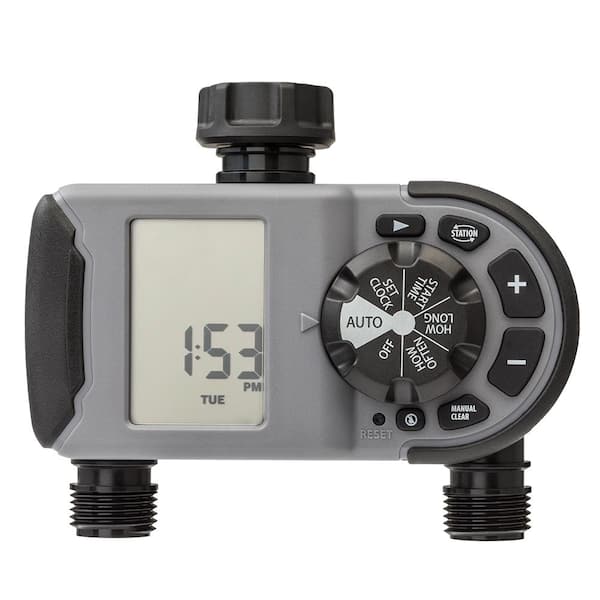
Buttons might not respond or the screen may freeze. This can be due to dirt or moisture inside the timer. Clean the buttons gently and keep the timer dry. Reset the device by removing and reinserting batteries. If problems persist, the timer may need repair or replacement.
Credit: www.homedepot.com
Basic Troubleshooting Steps
Troubleshooting the Orbit 2 Outlet Hose Faucet Timer starts with simple checks. Basic steps solve most common issues fast. These steps ensure the timer works smoothly. Follow these simple actions to get your timer running again.
Checking Battery And Power Supply
First, check the battery inside the timer. Weak or dead batteries cause the timer to stop working. Remove the battery cover and replace old batteries with fresh ones. Make sure the batteries fit correctly and the terminals are clean. A good power supply keeps the timer active and accurate.
Resetting The Timer
Sometimes the timer needs a reset. Press the reset button to clear errors. This action restores the timer’s default settings. After resetting, set the current time and watering schedule again. Resetting fixes software glitches and restores normal function.
Inspecting Hose And Connections
Check all hose connections for leaks or clogs. Loose or damaged hoses affect water flow. Tighten hose fittings to secure them. Clear any blockages inside the hose or faucet. Proper water flow is essential for timer operation.
Cleaning The Timer And Faucet Area
Dirt and debris can block the timer’s sensors and valves. Clean the timer body and faucet area with a soft cloth. Remove any mud or buildup around the timer. Keep the area dry to avoid rust and corrosion. Clean parts improve timer performance and lifespan.
Fixing No Power Or Display Problems
Fixing no power or display problems on your Orbit 2 Outlet Hose Faucet Timer is essential for smooth watering schedules. Power issues often prevent the timer from working properly. Troubleshooting these problems is simple and can save time and frustration.
Start with the basics. Check the power source and the timer’s batteries first. Small issues like dead batteries or poor connections cause most power failures. Inspect the device carefully before moving to more complex fixes.
Replacing Batteries
Dead batteries are a common reason the timer won’t turn on or show a display. Replace old batteries with fresh ones. Use the type recommended by the manufacturer. Avoid mixing new and old batteries to prevent power problems. Always dispose of old batteries properly.
Ensuring Proper Battery Placement
Incorrect battery placement stops the timer from powering up. Remove the battery cover and check the battery orientation. Match the plus (+) and minus (–) signs with the markings inside the battery compartment. Secure the batteries firmly to maintain good contact with terminals.
Inspecting For Water Damage
Water damage can cause power failures and display issues. Check the timer for any signs of moisture or corrosion. Look inside the battery compartment and around buttons. Dry the timer completely if wet. Use a soft cloth and keep it in a dry place before testing again.
Resolving Water Flow Issues
Water flow problems can stop your Orbit 2 Outlet Hose Faucet Timer from working well. These issues make watering plants hard and slow. Fixing these problems helps your timer run smoothly and your plants stay healthy.
Check the water flow carefully. Small problems can cause big trouble. Use simple steps to find and fix the cause. This saves time and water.
Clearing Hose Blockages
Blockages in the hose stop water from moving. Dirt, leaves, and small stones can build up inside. Remove the hose and look inside. Shake or flush it with water to clear dirt. Use a thin wire if needed. Make sure no parts are bent or crushed. Clear hose means water flows freely and plants get enough water.
Checking Water Pressure
Low water pressure causes weak water flow. Check if your home water supply has enough pressure. Turn on the faucet without the timer. Watch the water flow. If it is weak, the problem is with the water supply. Check valves and pipes for leaks or damage. Fixing these will improve water pressure and timer performance.
Verifying Timer Settings
The timer controls when and how long water flows. Wrong settings can stop water flow or cause short watering. Open the timer panel and check the schedule. Make sure the start times and run times are correct. Set the timer to the right mode for your needs. Reset the timer if it acts strangely. Correct settings help your timer water plants on time.
Adjusting And Correcting Watering Schedules
Adjusting and correcting watering schedules is key for efficient garden care. Proper schedules save water and keep plants healthy. The Orbit 2 Outlet Hose Faucet Timer allows easy changes to fit your needs.
Fine-tuning the timer ensures watering happens at the right time and for the right length. It also helps avoid overwatering or underwatering. Follow these steps to keep your watering system working well.
Setting Correct Time And Date
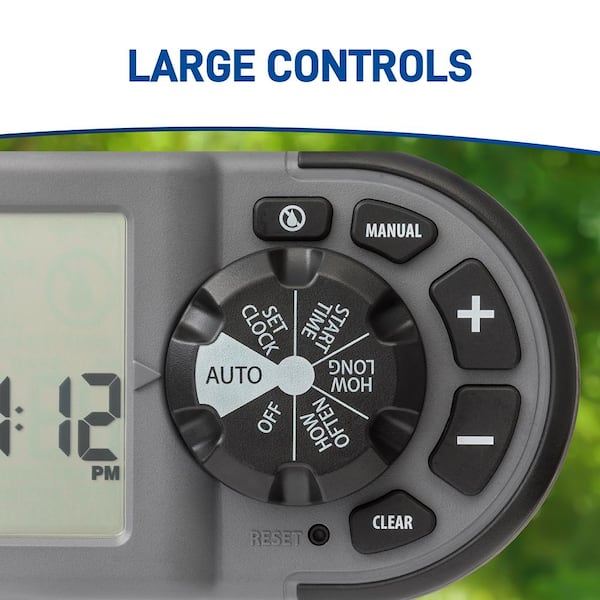
Start by setting the correct time and date on your timer. Press the clock button and use the arrows to adjust. Make sure AM and PM are set correctly. This keeps watering times accurate every day.
Check the date to match the current day and month. Incorrect dates cause watering on wrong days. Save your settings before exiting the menu.
Reprogramming Watering Duration
Change watering duration to match your plant needs and weather. Open the program menu and select the watering zone. Use the arrows to set minutes or hours for watering. Shorten duration during rainy seasons and lengthen in dry spells.
Confirm the new duration to apply the changes. Test by starting a manual watering cycle. Stop it once the desired amount is reached.
Synchronizing Multiple Timers
Use multiple timers in larger gardens or separate zones. Synchronize their clocks to water all areas evenly. Set each timer’s time and date to match exactly.
Adjust each timer’s start times to avoid overlap. This prevents water pressure drops and system stress. Review all schedules regularly to keep them aligned.
Credit: www.homedepot.com
Handling Leaks And Drips
Leaks and drips from the Orbit 2 Outlet Hose Faucet Timer can waste water and cause damage. Fixing these issues quickly saves water and prevents bigger problems. This section explains simple steps to handle leaks and drips effectively. Follow these tips to keep your timer working well and your garden healthy.
Tightening Hose Connections
Loose hose connections often cause leaks. Check all connections around the timer. Use your hand to turn them tighter. Avoid using too much force to prevent damage. Tight connections stop water from dripping at the joints. Regularly inspect connections to keep them secure.
Replacing Washer Or Seals
Worn washers or seals can cause water to leak. Turn off the water supply before starting. Remove the hose and check the washer inside the connection. Replace old or cracked washers with new ones. This simple fix stops water leaks and keeps the timer working smoothly. Use washers that fit your timer model.
Detecting Cracks Or Damage
Cracks in the timer or hose cause continuous drips. Carefully inspect the timer body and hose for any damage. Small cracks may be visible under bright light. Replace any damaged parts immediately. Using a cracked timer can waste water and reduce performance. Regular checks help catch damage early.
Fixing Button And Screen Issues
Fixing button and screen issues on the Orbit 2 Outlet Hose Faucet Timer is simple with the right steps. These problems often cause frustration and stop the timer from working properly. This section covers easy methods to clean button contacts, unfreeze a stuck screen, and update the firmware. Follow these tips to get your timer back in action quickly.
Cleaning Button Contacts
Dirt and dust can block button contacts. This stops the timer from responding. Use a soft cloth slightly dampened with rubbing alcohol. Gently clean around the buttons. Press each button several times to remove grime. Avoid using too much liquid to prevent damage. Cleaning can restore button sensitivity and improve performance fast.
Unfreezing A Frozen Screen
A frozen screen may show no response or stay stuck on one display. Try pressing and holding the power button for 10 seconds. This resets the device and unfreezes the screen. If this does not work, remove the batteries for 30 seconds. Reinsert them and turn the timer back on. This often clears frozen screens and restores normal function.
Firmware Updates And Support
Outdated firmware can cause screen glitches or button issues. Visit the Orbit website to check for updates. Download the latest firmware version for your timer model. Follow the instructions to install updates carefully. Firmware updates fix bugs and improve device stability. If problems continue, contact Orbit customer support for help.
Credit: www.lowes.com
When To Seek Professional Help
Sometimes, fixing the Orbit 2 Outlet Hose Faucet Timer yourself is not enough. Some problems need expert help. Knowing when to call a professional saves time and avoids further damage. Below are key points to guide you on seeking help.
Warranty And Support Options
Check your timer’s warranty before trying repairs. Many issues are covered under warranty. This means you can get repairs or replacements at no extra cost. Keep your purchase receipt and warranty papers ready. Using warranty services ensures safe and proper fixes.
Contacting Orbit Customer Service
Orbit’s customer service team knows the timer well. They can guide you through troubleshooting steps. Use their help if the problem is complex or unclear. Contact them by phone or email for quick support. Keep your timer model number handy for faster service.
Considering Replacement
If the timer is old or broken beyond repair, think about replacing it. Frequent malfunctions may mean the timer is worn out. A new timer often works better and lasts longer. Compare costs of repair versus replacement before deciding.
Frequently Asked Questions
How Do I Reset The Orbit 2 Outlet Hose Faucet Timer?
Press and hold the reset button for about 3 seconds. The screen will clear, and settings will return to default. This fixes many common timer issues.
Why Is My Orbit Timer Not Turning On The Water?
Check the batteries first; weak batteries often cause power issues. Also, ensure the timer is properly connected to the faucet and hoses.
How Can I Fix A Leaking Faucet Timer Connection?
Tighten all connections between the faucet, timer, and hose. Replace any worn washers or seals to stop leaks.
What To Do If The Orbit Timer Screen Is Blank?
Replace the batteries with fresh ones. If the screen stays blank, the timer might be faulty and need replacement.
How Do I Program The Watering Schedule On Orbit Timer?
Press the program button, set start time, watering duration, and frequency. Follow the user manual steps for detailed programming guidance.
Why Does My Orbit Timer Water At Wrong Times?
Check the timer’s current time and program settings. Incorrect time or programs cause watering at unexpected hours. Adjust as needed.
Conclusion
Troubleshooting the Orbit 2 Outlet Hose Faucet Timer can save time and water. Check the batteries and connections first. Clean the timer’s screen and buttons if they seem stuck. Reset the device to fix minor errors. Keep the timer away from extreme weather.
Small fixes often solve common issues quickly. Stay patient and follow simple steps carefully. Your garden will get watered on time again.