
Is your Miele T1 dryer taking forever to dry your clothes? You’re not alone, and it can be really frustrating when your laundry routine slows down.
You expect quick, efficient drying, but instead, you’re left waiting and wondering what’s wrong. Don’t worry—you don’t have to keep guessing. You’ll find simple, effective troubleshooting tips to get your Miele T1 drying fast again. Keep reading to save time, avoid costly repairs, and get your laundry back on track.

Credit: www.reddit.com
Common Causes Of Slow Drying
Slow drying in your Miele T1 dryer can be frustrating. It wastes your time and energy. Understanding common causes helps fix the issue fast. These causes often block airflow or reduce heat. Fixing them restores normal drying speed.
Clogged Lint Filter
The lint filter traps dust and fibers from clothes. When clogged, air cannot flow well. This slows drying and can cause overheating. Clean the lint filter after every load. This keeps air moving freely and dries clothes faster.
Blocked Ventilation System
The dryer vents hot air outside. A blocked vent traps moist air inside. This stops clothes from drying quickly. Check the vent for kinks, debris, or nests. Clean or replace the vent if needed. Clear vents help the dryer work efficiently.
Overloaded Drum
Packing too many clothes in the drum reduces airflow. Clothes stay wet longer and take more time to dry. Load the dryer with smaller, balanced loads. This allows hot air to circulate and dries clothes evenly.
Incorrect Drying Settings
Using the wrong drying program can lengthen drying time. Some settings use lower heat or longer cycles. Choose the right setting for the fabric type and load size. Proper settings save time and protect your clothes.
Inspecting And Cleaning The Lint Filter
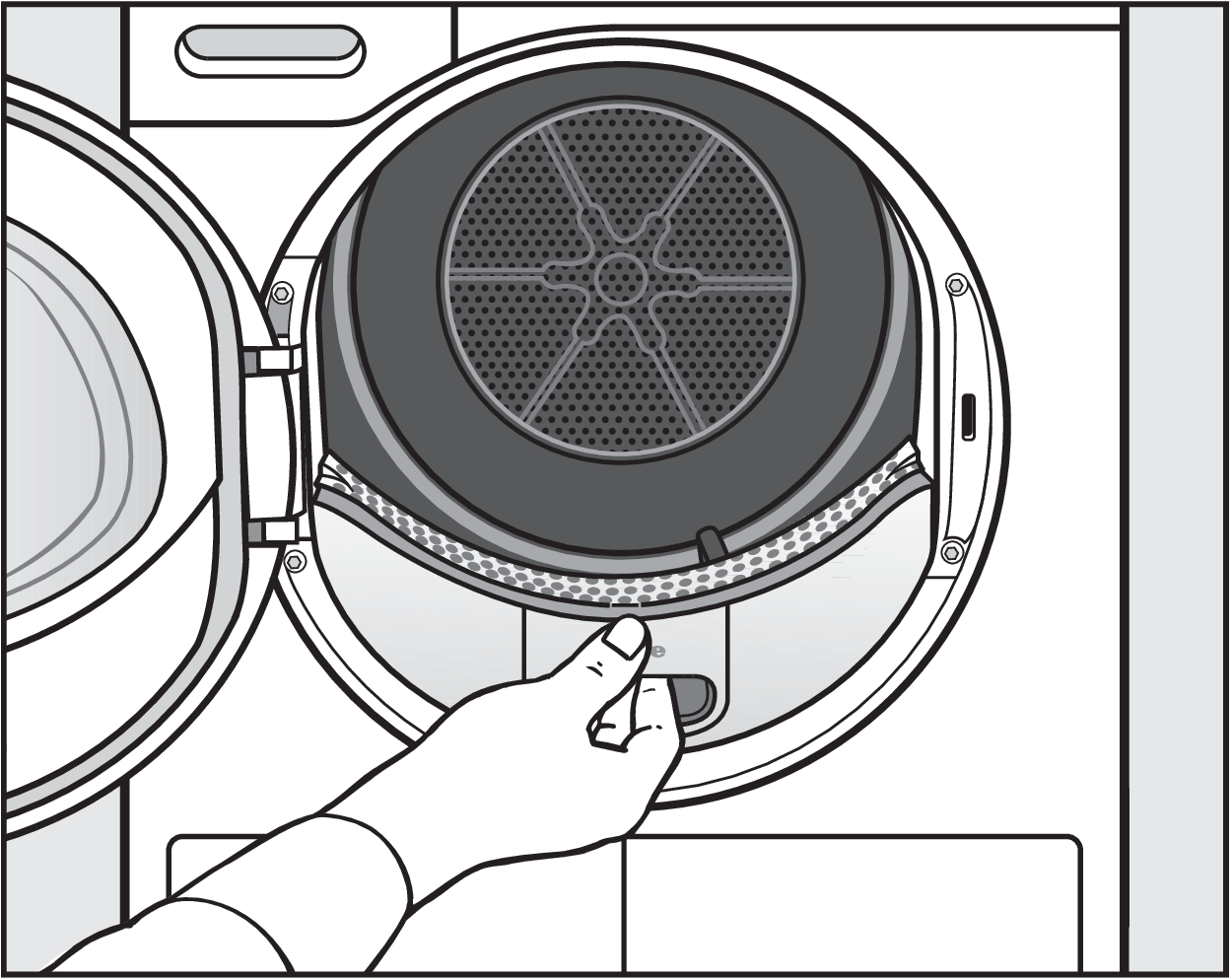
Inspecting and cleaning the lint filter is crucial for your Miele T1 dryer. A clogged lint filter blocks airflow. This causes your dryer to take longer to dry clothes. Regular care keeps your dryer working well and safe.
Removing The Lint Filter
Find the lint filter at the dryer door or inside the door frame. Pull it out gently. Do not force it. Check for trapped lint or debris. Removing the filter is easy and quick.
Cleaning Techniques
Use your fingers or a soft brush to remove lint. Rinse the filter with warm water if needed. Avoid using sharp objects. Let the filter dry completely before placing it back.
Frequency Of Maintenance
Clean the lint filter after every drying cycle. This prevents lint buildup. For heavy use, check it more often. Regular cleaning improves drying speed and saves energy.
Checking The Ventilation System
Checking the ventilation system is key when your Miele T1 dryer takes too long to dry clothes. The dryer needs good airflow to remove moisture effectively. Poor ventilation can block hot air and slow down drying. Regular checks keep your dryer working well and save energy.
Locating The Vent Hose
Start by finding the vent hose at the back of your dryer. This hose connects the dryer to the outside wall or vent. It is usually a flexible tube made of plastic or metal. Make sure the hose is not twisted or crushed, which can block airflow.
Clearing Vent Blockages
Look inside the vent hose for lint, dust, or debris. These blockages stop air from flowing freely. Use a vacuum or a brush to clean the inside of the hose. Also, check the vent opening outside your home. Remove any leaves or dirt that might block air exit.
Ensuring Proper Airflow
Make sure the vent hose is straight and has no sharp bends. Sharp bends reduce airflow and cause drying delays. Keep the hose short if possible. Check that the vent flap outside opens easily when the dryer runs. This flap lets moist air escape and prevents outside air from coming in.
Optimizing Load Size And Composition
Optimizing the load size and fabric types in your Miele T1 dryer helps speed up drying time. Overloading or mixing heavy and light fabrics can cause longer drying cycles. Proper loading improves airflow and heat distribution inside the drum.
Following the right load size and sorting fabrics makes drying faster and more efficient. It also prevents wear and tear on your dryer and clothes.
Recommended Load Capacity
Do not overload your Miele T1 dryer. The dryer works best with loads that match its capacity. Check the user manual for the exact weight limit. Usually, 7 to 8 pounds of laundry is ideal.
Too many clothes block air circulation. This slows drying and uses more energy. Smaller loads dry quicker and reduce wrinkles.
Separating Heavy And Light Fabrics
Sort clothes by fabric weight before drying. Heavy items like towels or jeans take longer to dry. Light fabrics like t-shirts or blouses dry faster.
Drying heavy and light fabrics together causes uneven drying. Light clothes may overdry, while heavy ones remain damp. Separate loads to get the best results and save time.
Adjusting Drying Settings
Adjusting the drying settings on your Miele T1 can solve slow drying problems. Proper settings help the machine work efficiently. They also protect your clothes from damage. Small changes can speed up the drying cycle.
Explore each setting carefully. Choose the right program for your laundry load. Use sensor drying for best results. Avoid long timed drying to save energy and time.
Choosing The Right Program
Select a program that fits the fabric type. Cotton, synthetics, and delicates need different settings. Using the wrong program can make drying take longer. Check the symbols on your clothes tags. Match them with your dryer’s program options. This reduces drying time and keeps clothes safe.
Using Sensor Drying Features
Sensor drying detects moisture levels in clothes. It stops the cycle when clothes are dry. This prevents over-drying and saves energy. Enable sensor drying if your model has it. It adjusts the drying time automatically. This feature makes drying faster and more efficient.
Avoiding Extended Timed Drying
Timed drying runs for a set period. It does not check if clothes are dry. This can waste energy and cause longer drying times. Use timed drying only for quick refresh cycles. For full loads, rely on sensor or program drying. This helps your Miele T1 dry clothes faster.

Credit: www.reddit.com
Addressing Mechanical Issues
Mechanical problems often cause a Miele T1 dryer to take too long to dry clothes. Fixing these issues can help the dryer work properly again. Check the key parts that affect drying speed. This section explains how to find and address common mechanical faults.
Checking The Heating Element
The heating element warms the air inside the dryer. A broken or weak element means no hot air. Without heat, clothes stay wet longer. Look for signs like no heat or cold air blowing. Use a multimeter to test the element’s resistance. Replace it if the reading shows no continuity.
Inspecting The Moisture Sensor
The moisture sensor tells the dryer when clothes are dry. A dirty or faulty sensor can confuse the machine. This causes extra drying time. Clean the sensor bars with a soft cloth and rubbing alcohol. If cleaning does not help, test the sensor with a multimeter. Replace it if needed.
Testing The Drum Motor
The drum motor spins clothes inside the dryer. A weak motor slows the drum or stops it completely. This leads to longer drying times. Listen for strange noises or slow spinning. Test the motor using a multimeter for electrical issues. Replace the motor if it does not work properly.
When To Call A Professional
Knowing when to call a professional can save time and avoid further damage to your Miele T1 dryer. Some issues need expert attention for safe and effective repair. Understanding the warning signs helps you decide the right moment to seek help.
Signs Of Electrical Problems
Unusual smells like burning or smoke signal electrical issues. The dryer may trip the circuit breaker often. Sparks or visible damage to the power cord also show danger. Strange noises during operation may mean faulty wiring. These signs require immediate professional inspection.
Warranty Considerations
Check your Miele T1 warranty before attempting repairs. Unauthorized fixes can void the warranty, leading to costly repairs. Professionals authorized by Miele follow correct procedures. Always confirm if your issue is covered under warranty. This protects your investment and keeps repairs valid.
Finding Authorized Service Centers
Use Miele’s official website to locate authorized service centers. These centers have trained technicians for your model. Authorized centers use genuine parts for repairs. Choosing them ensures quality service and maintains warranty. Avoid unverified repair shops to reduce risks.
Credit: www.mieleusa.com
Frequently Asked Questions
Why Is My Miele T1 Dryer Taking Too Long To Dry Clothes?
A clogged lint filter or blocked vent can slow drying times. Check and clean these parts regularly for better airflow.
How Do I Fix A Miele T1 Dryer That Won’t Dry Properly?
Clean the lint filter, check the vent pipe, and avoid overloading the dryer. These steps improve drying efficiency.
Can A Faulty Heating Element Cause Slow Drying In Miele T1?
Yes, a broken heating element can reduce heat output, causing longer drying times. A technician can test and replace it.
Does Overloading The Miele T1 Dryer Affect Drying Speed?
Overloading reduces air circulation inside the drum. Dry smaller loads for faster, more even drying results.
How Often Should I Clean The Miele T1 Dryer’s Lint Filter?
Clean the lint filter after every drying cycle. This keeps airflow strong and prevents drying delays.
What Role Does The Dryer Vent Play In Drying Time?
A blocked or long vent slows air exit and drying speed. Keep vents clear and short for best performance.
Conclusion
Miele T1 dryers can take longer to dry for several reasons. Cleaning the filter and checking the vent helps speed up drying. Avoid overloading the dryer to improve air flow. Using the right settings also matters. Regular maintenance keeps your dryer working well.
Troubleshooting small issues early saves time and energy. Keep these tips in mind for better drying results. Your clothes will dry faster and feel fresh every time.