
Is your Philips Sonicare toothbrush not working the way it used to? You’re not alone, and the good news is that most problems are easy to fix.
Whether it won’t charge, stops mid-clean, or feels less powerful, understanding what’s wrong can save you time and money. In this guide, you’ll discover simple steps to troubleshoot your Sonicare toothbrush and get it back to peak performance quickly. Keep reading to learn how to solve common issues and make sure your smile stays bright every day.

Credit: www.youtube.com
Common Issues With Philips Sonicare
Philips Sonicare toothbrushes are popular for their effective cleaning. Still, some users face common problems. These issues can affect daily use and cleaning quality. Understanding these problems helps fix them quickly. Here are some typical troubles and how to identify them.
Toothbrush Won’t Turn On
A toothbrush that won’t turn on may have a drained battery. Dirt or moisture can block the power button. Check if the brush is fully charged. Clean the button area carefully with a dry cloth. Press the power button firmly but gently. If it still won’t start, try resetting the toothbrush by holding the power button for 15 seconds.
Battery Not Charging
Battery issues are common in electric toothbrushes. The charger might not connect well to the handle. Dust or debris can stop charging. Clean the charging base and handle contacts. Use only the original charger supplied by Philips. Plug the charger into a working outlet. Avoid charging in very hot or cold places. If charging fails, the battery might need replacement after long use.
Brush Head Not Spinning
The brush head might stop spinning due to loose attachment. Remove and reattach the brush head firmly. Check for any hair or dirt trapped in the rotating mechanism. Replace the brush head if it is worn out. Using the wrong brush head can cause spinning problems. Always use brush heads made for Philips Sonicare models.
Unusual Noises Or Vibrations
Strange sounds or strong vibrations can signal a problem. The brush head may be loose or damaged. Tighten or replace the brush head as needed. Dirt or debris inside the brush can cause noise. Clean the handle and brush head connection. If the noise continues, the motor might be faulty. Contact Philips support for repairs or replacement advice.
Resetting And Rebooting Your Toothbrush
Resetting and rebooting your Philips Sonicare toothbrush can fix many common problems. This simple process often restores normal function. It helps clear minor glitches and refreshes the device’s system. Knowing how to reset your toothbrush saves time and frustration. There are two main reset methods to try: a soft reset and a factory reset.
Soft Reset Steps
A soft reset is quick and easy. First, turn off the toothbrush. Next, press and hold the power button for about 10 seconds. Release the button when the light blinks or the brush vibrates. This action restarts the toothbrush without erasing settings. Use a soft reset if the brush is unresponsive or acting strange. It often resolves small issues like freezing or slow response.
Factory Reset Procedures
A factory reset clears all user settings. This step returns the brush to its original state. To perform a factory reset, hold down the power button and the mode button together. Keep holding both buttons for 15 seconds. You will see the lights flash or hear a beep. This confirms the reset is complete. Use a factory reset only if the soft reset does not work. Remember, this step deletes saved preferences and data.
Battery And Charging Solutions
Battery and charging issues are common with Philips Sonicare toothbrushes. These problems can stop your toothbrush from working properly. Fixing them is often simple. Knowing the right steps helps you save time and money.
Check the battery and charger first. These parts affect how well your toothbrush powers up. Some small fixes keep your toothbrush running longer and stronger.
Cleaning Charging Contacts
Dirty charging contacts can block power flow. Wipe the contacts gently with a soft cloth. Use a little rubbing alcohol if needed. Avoid water or harsh chemicals. Clean both the toothbrush base and the charger. Do this regularly to keep charging smooth and quick.
Replacing The Battery
Batteries lose power over time. If your toothbrush does not hold charge, the battery may be dead. Replacing the battery can bring it back to life. Use only batteries made for Sonicare models. Open the handle carefully to avoid damage. Follow instructions or seek help from a professional.
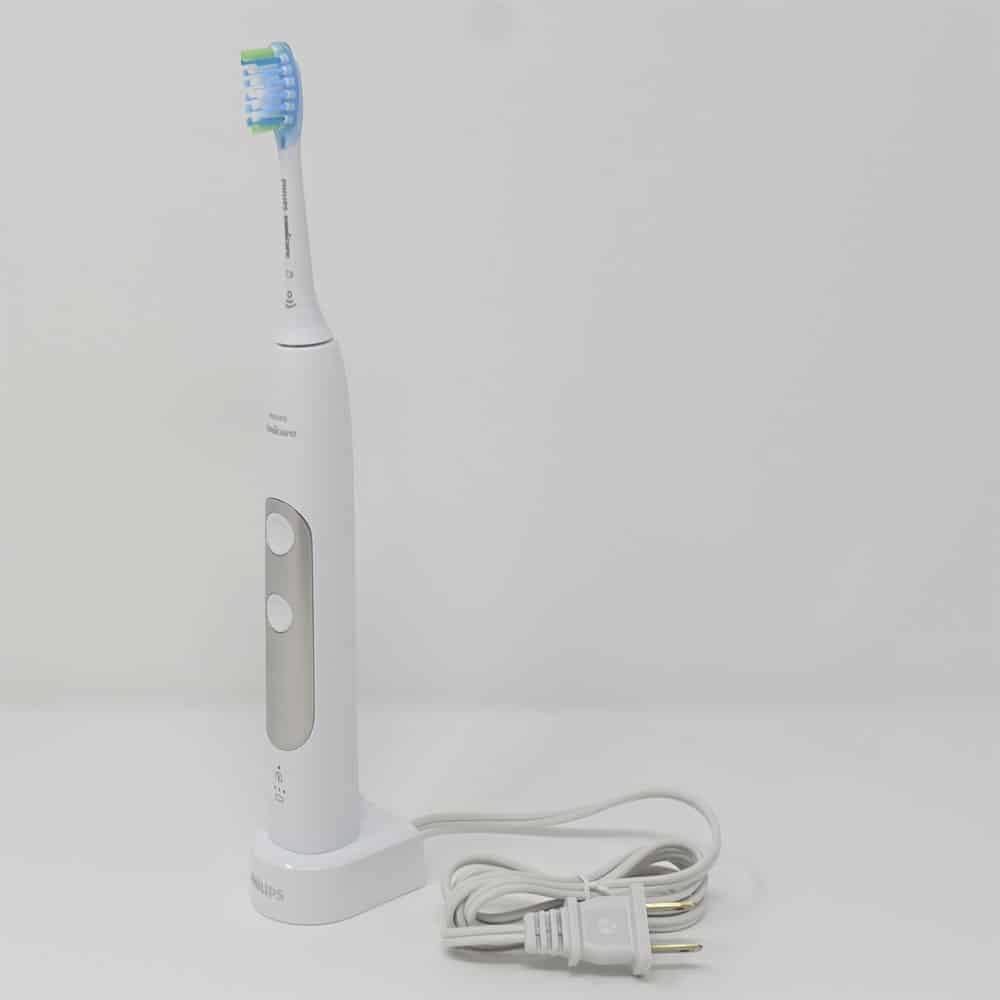
Using The Correct Charger
Use the charger designed for your Sonicare model. Wrong chargers may not fit or work right. They can cause slow charging or no charging at all. Check the voltage and connector type before buying. Always plug the charger into a safe power source. This keeps your toothbrush safe and working well.
Credit: www.electricteeth.com
Brush Head Maintenance Tips
Keeping your Philips Sonicare toothbrush working well depends a lot on how you care for the brush head. Good maintenance helps the brush clean better and last longer. It also keeps your mouth healthy by stopping germs from building up. Follow these simple brush head tips to get the best from your toothbrush every day.
Replacing The Brush Head
Change the brush head every three months. Worn bristles clean less well and may hurt your gums. Replace sooner if bristles look bent or faded. Always use new brush heads to keep your teeth clean and fresh.
Cleaning The Brush Head Properly
Rinse the brush head with warm water after each use. Remove toothpaste and debris carefully. Let the brush head air dry in an upright position. Avoid covering it while wet to stop bacteria growth.
Checking For Brush Head Compatibility
Use only brush heads made for Philips Sonicare models. Wrong types may not fit or work correctly. Check your toothbrush model number before buying new heads. This ensures better cleaning and protects the device.
Handling Water Damage
Water damage can cause your Philips Sonicare toothbrush to stop working properly. It may affect the battery or the motor. Acting fast can help save your device. Proper care prevents permanent damage and costly repairs.
Drying Techniques
First, turn off the toothbrush and remove it from the charger. Wipe the outside with a dry cloth. Avoid pressing buttons to keep moisture out. Leave the toothbrush in a warm, dry place. Do not use a hairdryer or heat source. Let it air dry for at least 24 hours. You can also put it in a container with uncooked rice. Rice absorbs moisture and helps dry the inside.
When To Seek Professional Repair
If the toothbrush does not turn on after drying, it may need repair. Battery or motor damage requires expert help. Contact Philips customer service for advice. Using a damaged toothbrush can be unsafe. Professional repair ensures your device works safely again. Avoid opening the toothbrush yourself to prevent voiding the warranty.
Software And Firmware Updates
Keeping your Philips Sonicare toothbrush updated is important. Software and firmware updates fix bugs and improve performance. Updates also add new features and enhance cleaning modes. Regular updates keep your toothbrush working smoothly and efficiently.
Connecting To The Sonicare App
Download the Sonicare app from your device’s app store. Turn on Bluetooth on your phone. Open the app and follow the instructions to pair your toothbrush. Connection helps you check updates and track brushing habits. Keep the app open during the connection process.
Updating Toothbrush Firmware
Once connected, the app will check for firmware updates. If an update is available, you will see a prompt to install it. Make sure your toothbrush is charged before starting the update. Keep the toothbrush near your phone during the process. Do not turn off the brush or close the app until the update finishes.
When To Contact Philips Support
Knowing when to contact Philips support can save time and effort. Some issues need expert help. Others can be fixed at home. This section guides you on when to reach out to Philips. It also explains the support options available.
Warranty And Repair Options
Philips Sonicare comes with a warranty. This covers defects and some damages. Check your product manual for warranty details. If your toothbrush stops working within the warranty period, contact Philips. They may offer a repair or replacement. Repairs by authorized technicians keep your product safe. Avoid trying to fix major problems yourself. This can void the warranty and cause more damage.
Customer Service Resources
Philips has many customer service resources. Visit the official website for troubleshooting guides. Live chat and phone support offer quick answers. Email support works for less urgent questions. Use the support page to find FAQs and product manuals. Keep your model number handy when contacting support. This helps them assist you faster. Philips support staff are trained to help with common issues. They can guide you through fixes or repair steps.

Credit: www.youtube.com
Frequently Asked Questions
Why Won’t My Philips Sonicare Toothbrush Turn On?
Check if the toothbrush is charged fully. Clean the charging base and toothbrush handle. Faulty batteries may need replacement.
How Do I Reset My Philips Sonicare Toothbrush?
Press and hold the power button for 10 seconds. Release and wait a few seconds. The toothbrush should reset and restart.
What To Do If My Toothbrush Won’t Charge?
Ensure the charger is plugged in and the contact points are clean. Try a different power outlet. Replace the charger if needed.
Why Is My Sonicare Toothbrush Brushing Too Softly?
The brush head might be worn out or loose. Replace the brush head every 3 months. Check if the mode setting is correct.
How Can I Fix A Flashing Light On My Sonicare?
Flashing lights usually indicate a low battery or an error. Charge the toothbrush fully and clean all contact points. Reset the device if the light continues.
What Causes My Toothbrush To Stop Mid-brush Cycle?
Battery issues or brush head problems may cause this. Charge the toothbrush fully and replace the brush head if needed. Contact support if the problem persists.
Conclusion
Philips Sonicare toothbrush problems can be fixed with simple steps. Check the battery and clean the brush head regularly. Resetting or charging the device often helps. Follow the user manual for specific tips. Regular care keeps your toothbrush working well.
Don’t ignore small issues; fix them early. Enjoy a clean, healthy smile every day. Keep your brushing routine smooth and easy. Troubleshooting saves time and money. Stay confident in your dental care.