
If your Briggs and Stratton engine isn’t running smoothly, you know how frustrating it can be. Whether it won’t start, stalls unexpectedly, or makes strange noises, these issues can stop your work and waste your time.
But don’t worry—you don’t need to be an expert to fix many common problems. This guide will walk you through simple troubleshooting steps that anyone can follow. By the end, you’ll feel confident diagnosing and solving issues with your Briggs and Stratton engine, so you can get back to work faster and with less hassle.
Keep reading to learn how to bring your engine back to life quickly and easily.
Common Briggs And Stratton Engine Issues
Briggs and Stratton engines power many outdoor tools and machines. These engines are reliable but can face common problems. Knowing these issues helps fix them quickly. This guide covers typical engine troubles and what to check first.
Engine Won’t Start
The engine may fail to start due to several reasons. Check the fuel level and quality. Old or stale fuel can stop the engine from starting. Inspect the spark plug for dirt or damage. A dirty spark plug blocks ignition. Also, ensure the air filter is clean. A clogged air filter limits airflow and affects starting.
Engine Stalls Or Dies
The engine may run briefly then stop suddenly. This often happens with dirty fuel or a blocked fuel filter. Look for loose or damaged spark plug wires. These cause weak sparks and engine stalls. Check the choke position. An open choke may cause the engine to die quickly.
Loss Of Power
When the engine runs but feels weak, it needs attention. A dirty air filter reduces airflow and power. Low oil levels can cause engine strain. Check the carburetor for dirt or gum buildup. This restricts fuel flow and power output. Also, inspect the exhaust for blockages.
Excessive Smoke
Too much smoke signals engine problems. Blue or gray smoke means burning oil. This may come from worn piston rings or valve seals. Black smoke shows too much fuel is burning. Clean or replace the air filter to fix this. White smoke often means coolant in the engine, requiring professional service.
Overheating Problems
Engines can overheat from poor ventilation or low oil. Check oil levels regularly. Clean cooling fins on the engine to allow airflow. Remove debris around the engine area. Overheating can cause serious damage if ignored.
Unusual Noises
Strange sounds like knocking or rattling indicate trouble. Loose parts or worn components often cause noise. Tighten bolts and check the muffler. A damaged muffler can cause loud noise. If knocking persists, stop using the engine and seek help.
Credit: www.briggsandstratton.com
Basic Inspection Steps
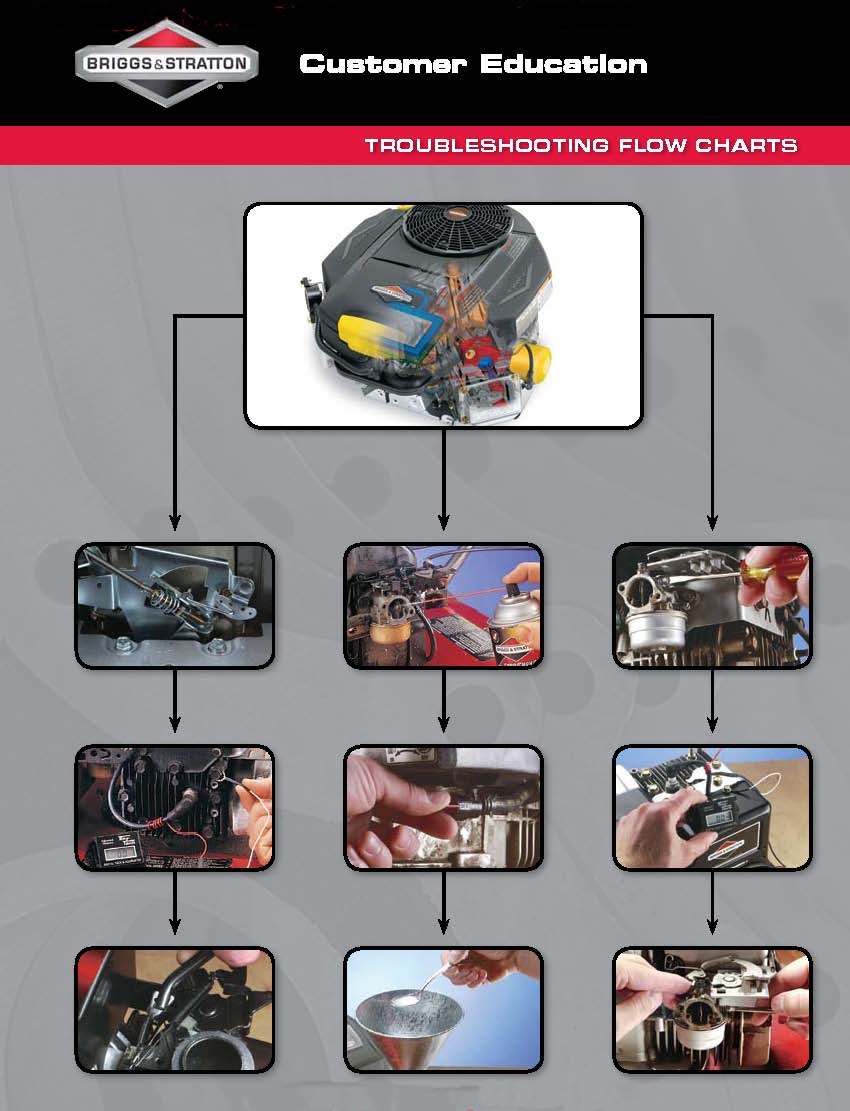
Basic inspection steps help find common issues in Briggs and Stratton engines. These checks are simple and save time before calling for repairs. Start with fuel, spark, air, oil, and carburetor. Each part plays a key role in engine performance. A careful look can prevent bigger problems.
Checking The Fuel System
Make sure the fuel tank has clean, fresh gasoline. Old gas can cause engine trouble. Look for leaks or cracks in fuel lines. Clear any blockages in the fuel filter. Fuel must flow smoothly for the engine to run well.
Inspecting The Spark Plug
Remove the spark plug and check its condition. A dirty or damaged spark plug stops the engine from starting. Clean the plug with a wire brush or replace it if worn out. Check the spark plug gap and adjust if needed. Proper spark is vital for ignition.
Examining The Air Filter
Check the air filter for dirt and debris. A clogged air filter reduces airflow and engine power. Clean the filter with soap and water if it is foam type. Replace paper filters if they are dirty or damaged. Good airflow keeps the engine running smoothly.
Verifying Oil Levels
Check the engine oil level with the dipstick. Low oil can cause engine damage. Add oil if the level is below the recommended mark. Use the right oil type specified in the engine manual. Change oil regularly for best engine health.
Assessing The Carburetor
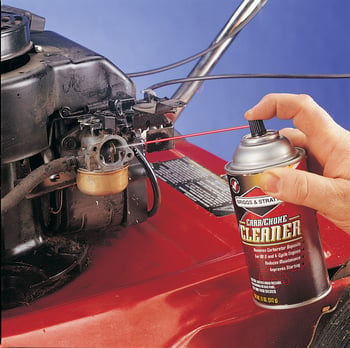
Look for dirt or gunk around the carburetor. A dirty carburetor can cause rough running or stalling. Clean the carburetor carefully using a spray cleaner. Check all linkages and screws for tightness. Proper carburetor function improves fuel efficiency and power.
Fixes For Starting Problems
Starting problems with Briggs and Stratton engines can be frustrating. Often, simple fixes can solve these issues quickly. This guide covers easy steps to get your engine running again.
Cleaning Or Replacing Spark Plugs
Spark plugs are key to engine ignition. Dirt or damage can stop your engine from starting. Remove the spark plug and check for dirt or wear. Clean it with a wire brush or replace it if damaged. A clean spark plug improves engine spark and starts your engine smoothly.
Draining And Refilling Fuel
Old or bad fuel can cause starting problems. Drain the fuel tank completely. Refill with fresh, clean gasoline. Stale fuel clogs the carburetor and stops the engine. Fresh fuel helps your engine start quickly and run well.
Adjusting The Choke
The choke controls air and fuel mixture. If the choke is stuck or wrongly set, the engine struggles to start. Move the choke to the correct position for cold starts. Adjust it slowly until the engine runs smoothly. Proper choke setting helps your engine start without trouble.
Resetting The Ignition System
Sometimes, the ignition system needs a reset. Turn off the engine and remove the key if possible. Wait a few minutes to reset the system. Restart the engine to see if it runs better. Resetting can clear minor electrical faults and improve starting.
Resolving Performance Issues
Performance problems can make your Briggs and Stratton engine slow or hard to start. Fixing these issues often improves how the engine runs. Simple checks and fixes can restore power and efficiency quickly.
Cleaning The Carburetor
Dirt in the carburetor blocks fuel flow. This causes rough running or stalling. Remove the carburetor carefully. Use a carburetor cleaner spray to remove grime. Clean jets and passages with a soft brush. Let parts dry fully before reassembly.
Replacing The Air Filter
A dirty air filter chokes the engine. It reduces airflow and lowers power. Check the filter for dirt and damage. Replace it if clogged or torn. Use the correct filter type for your engine model. A clean filter helps the engine breathe better.
Adjusting The Throttle
Incorrect throttle settings affect engine speed and response. Locate the throttle control on the engine. Adjust it slowly to find the smoothest running point. Make small changes and test engine speed. Proper throttle adjustment ensures steady performance.
Checking The Fuel Filter
The fuel filter stops dirt from entering the engine. A blocked filter reduces fuel flow and power. Remove the fuel filter and inspect it. Replace the filter if it looks dirty or clogged. Clean fuel filters help maintain engine efficiency.
Addressing Overheating And Noise
Overheating and noise are common problems with Briggs and Stratton engines. These issues can cause engine damage and reduce its life. Fixing them early helps keep the engine running smoothly.
Several simple checks and repairs can solve these problems. Each step targets a specific cause of overheating or noise. Follow these tips to improve engine performance and safety.
Cleaning Cooling Fins
Cooling fins help the engine stay cool. Dirt and debris block airflow and cause overheating. Use a brush or compressed air to clean the fins. Clean fins help the engine cool faster and run better.
Checking Oil Quality
Old or dirty oil can cause engine noise and heat. Check the oil regularly and change it as needed. Use the right oil type recommended by Briggs and Stratton. Good oil reduces friction and keeps parts moving smoothly.
Tightening Loose Components
Loose parts create noise and vibration. Check bolts, screws, and nuts around the engine. Tighten any loose parts carefully. Secure components help the engine run quietly and avoid damage from shaking.
Replacing Worn Bearings
Worn bearings cause grinding sounds and overheating. Listen for unusual noises during operation. Replace bearings that feel rough or spin poorly. New bearings reduce friction and keep the engine quiet and cool.

Credit: www.scribd.com
Preventive Maintenance Tips
Taking care of your Briggs and Stratton engine prevents many common problems. Regular maintenance keeps the engine running smooth. It also extends its life and saves money on repairs. Follow these simple tips to keep your engine in good shape.
Regular Oil Changes
Changing oil regularly keeps the engine lubricated. It stops parts from wearing out too fast. Check the oil level before every use. Replace the oil after every 25 hours of running. Use the oil type recommended in your manual.
Seasonal Storage Preparation
Proper storage protects the engine during long breaks. Drain the fuel or add a fuel stabilizer before storing. Clean the engine and remove dirt or debris. Store it in a dry, cool place to avoid rust.
Routine Spark Plug Checks
Inspect the spark plug every season. Clean or replace it if dirty or worn out. A good spark plug helps the engine start easily. Check the gap to ensure it matches the manual’s advice.
Fuel Stabilizer Use
Fuel stabilizers keep gasoline fresh longer. Add stabilizer to the fuel tank before storage. It prevents fuel from breaking down and clogging parts. Use stabilizer even if you run the engine often.
When To Seek Professional Help
Knowing when to seek professional help is important for Briggs and Stratton engine care. Some issues need expert skills. Trying to fix them alone can cause more damage. This section explains situations when calling a professional is the best choice.
Complex Engine Repairs
Complex repairs require special tools and knowledge. Problems inside the engine, like valve or piston issues, need expert attention. Professionals can diagnose and fix these problems safely. Attempting these repairs without experience may lead to costly mistakes.
Major Component Replacements
Replacing big parts such as the crankshaft or carburetor can be tricky. These parts affect engine performance and need precise installation. A professional ensures the replacement is done correctly. This helps avoid future breakdowns and keeps the engine running well.
Persistent Performance Issues
Ongoing engine problems that don’t improve need professional checks. Continuous stalling, hard starting, or poor power often signal deeper issues. Experts can identify hidden problems quickly. Early professional help saves time and prevents bigger repairs later.
Credit: www.dansmc.com
Frequently Asked Questions
What Are Common Briggs And Stratton Engine Problems?
Common problems include hard starting, loss of power, and rough running. These issues often stem from fuel, spark, or air supply problems.
How Do I Fix A Briggs And Stratton Engine That Won’t Start?
Check the fuel level, spark plug, and air filter first. Clean or replace parts as needed to restore proper function.
Why Is My Briggs And Stratton Engine Running Rough?
A dirty carburetor or old fuel can cause rough running. Cleaning the carburetor and using fresh fuel often helps.
How Often Should I Change The Oil In My Engine?
Change the oil after every 25 hours of use or once a season. Fresh oil keeps the engine running smoothly and lasts longer.
What Causes Briggs And Stratton Engines To Overheat?
Overheating usually happens due to dirty cooling fins or low oil levels. Clean the fins and check oil to prevent damage.
How Can I Tell If The Spark Plug Needs Replacing?
A fouled or damaged spark plug causes poor engine performance. Inspect the plug and replace it if it looks worn or dirty.
Conclusion
Briggs and Stratton engines can face many common problems. Knowing how to find and fix these issues saves time and money. Regular checks keep your engine running smoothly. Small problems often have simple solutions. Keep tools ready and follow safety steps.
This guide helps you feel confident with basic repairs. Take your time and work carefully. Your engine will serve you better with good care. Troubleshooting becomes easier with practice and patience. Keep this guide handy for future reference.