
Is your Mitsubishi air conditioner acting up when you need it the most? You’re not alone.
Many people face common issues that can turn a cool breeze into a frustrating problem. But don’t worry—this guide is here to help you quickly spot and fix those troubles. By understanding what’s going wrong and how to troubleshoot it, you can save time, avoid costly repairs, and get your AC running smoothly again.
Keep reading to discover simple, effective solutions that put you back in control of your comfort.
Common Mitsubishi Ac Issues
Mitsubishi air conditioners are reliable, but issues can occur. Knowing common problems helps you fix them quickly. This saves money and keeps your home comfortable.
Here are some frequent issues with Mitsubishi AC units. Understanding these can guide you to simple solutions.
Unit Not Cooling
The AC may run but fail to cool the room. Dirty air filters block airflow and reduce cooling power. Low refrigerant levels cause poor cooling too. Check if the thermostat is set correctly. Sometimes, the outdoor unit is blocked by debris, reducing efficiency.
Water Leakage
Water leaking inside your home signals a problem. Clogged drain pipes stop water from draining properly. This causes leaks around the indoor unit. Dirty filters increase condensation and lead to leaks. Check the drain pan for cracks or damage. Regular cleaning prevents water leakage issues.
Unusual Noises
Strange sounds coming from your AC are a warning. Loose parts inside the unit can rattle or buzz. A failing fan motor makes grinding or squealing noises. Ice buildup on coils causes popping or cracking sounds. Turn off the AC and inspect for any visible damage. Early action prevents bigger problems.
Remote Control Problems
The remote may stop working or respond slowly. Dead batteries are the most common cause. Check and replace them if needed. Make sure nothing blocks the remote’s signal to the unit. Resetting the remote can fix minor glitches. Keep the remote clean and dry to avoid issues.
Basic Troubleshooting Steps
Basic troubleshooting helps fix common Mitsubishi air conditioner issues fast. These simple steps save time and avoid costly repairs. Follow clear instructions to find the problem.
Start with easy checks before calling a technician. Most problems come from power, filters, or settings. Understand these steps well for quick fixes.
Checking Power Supply
First, ensure the air conditioner has power. Check if the plug is fully inserted into the outlet. Look for tripped circuit breakers or blown fuses in the main panel. Without power, the unit won’t work at all.
Cleaning Air Filters
Dirty filters reduce airflow and cooling. Remove the filters gently and wash them with warm water. Let them dry completely before reinserting. Clean filters improve efficiency and air quality.
Resetting The Unit
Sometimes the system needs a reset to clear errors. Turn off the air conditioner and unplug it. Wait for about five minutes. Plug it back in and switch it on. This can fix minor glitches.
Inspecting The Thermostat
Check if the thermostat setting matches your comfort needs. Make sure it is set to “cool” and the temperature is lower than room temperature. Faulty or misconfigured thermostats cause poor cooling performance.
Fixing Cooling Problems
Cooling problems with a Mitsubishi air conditioner can be frustrating. The unit may run but fail to cool the room properly. This section covers simple steps to fix these issues. Follow these tips to restore cool air quickly and safely.
Adjusting Temperature Settings
Check the remote control or wall panel. Make sure the temperature is set lower than the room temperature. Sometimes, the setting is too high, so the unit does not cool.
Switch between cooling and auto modes. Cooling mode works best for hot days. Confirm the fan speed is not set to low. Increase it to improve airflow and cooling.
Clearing Obstructions
Look for any objects blocking the indoor unit. Curtains, furniture, or dust can stop air from flowing. Remove these to let air move freely.
Check the outdoor unit as well. Leaves, dirt, or plants might block the fan or coils. Clean the area and clear debris carefully to improve performance.
Refrigerant Levels Check
Low refrigerant causes weak cooling. Signs include warm air or ice on the coils. This issue needs a professional technician.
Do not try to refill refrigerant yourself. Contact an authorized service provider for a safe and correct check. Proper refrigerant levels keep the unit cooling well and running efficiently.
Credit: igrs.itu.edu.tr
Handling Water Leaks
Water leaks from a Mitsubishi air conditioner can cause damage and discomfort. Handling these leaks early helps protect your home and keeps the unit running well. Understanding the common causes of leaks makes fixing them easier. Below are key steps to handle water leaks effectively.
Clearing Drainage Blockages
Drainage blockages often cause water leaks in air conditioners. Dirt and debris can clog the drain pipe. This stops water from leaving the unit properly. Check the drain pipe for any visible blockages. Use a vacuum or a thin brush to clear the pipe gently. Regular cleaning prevents water from backing up and leaking inside.
Checking Drain Pan Condition
The drain pan collects water from the air conditioner. Over time, it can crack or rust. A damaged drain pan leads to leaks. Inspect the pan for holes or rust spots. Replace the pan if it shows damage. Keeping the drain pan in good shape helps avoid water spills.
Ensuring Proper Installation
Improper installation can cause water leaks. The unit needs to be level for correct drainage. If it tilts, water may pool and leak. Check that the air conditioner is installed flat and secure. Adjust the position if needed. Proper installation keeps water flowing out as it should.
Resolving Noise Issues
Noise from your Mitsubishi air conditioner can be annoying and distracting. It may signal a problem that needs fixing. Resolving these noise issues can improve comfort and extend the unit’s life. Simple steps often solve the noise without extra cost.
Tightening Loose Parts
Loose screws or bolts cause rattling sounds in the air conditioner. Check all visible screws on the unit. Use a screwdriver to tighten any loose parts. Pay attention to panels and covers. Tight parts reduce vibration and noise. This quick fix often stops annoying sounds fast.
Lubricating Moving Components
Moving parts need smooth motion to work quietly. Dry or worn parts create grinding or squeaking noises. Apply a small amount of lubricant to the fan motor and other moving parts. Use a lubricant recommended for appliances. Lubrication helps parts move easily and lowers noise.
Replacing Worn Fans
Fans can wear out or get damaged over time. A worn fan blade causes imbalance and loud noise. Inspect the fan blades for cracks or damage. Replace the fan if it shows wear signs. A new fan runs smoothly and cuts down noise. This step improves air flow and sound quality.

Credit: www.youtube.com
Remote Control Troubleshooting
The remote control is the main way to operate your Mitsubishi air conditioner. It controls settings like temperature, fan speed, and mode. Sometimes, the remote might not work properly. This section helps you fix common remote control problems fast. Follow simple steps to get your remote back in action.
Replacing Batteries
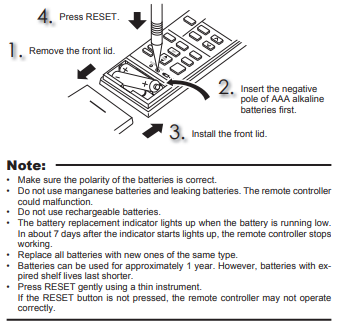
Weak or dead batteries cause many remote issues. Open the battery cover on the back. Remove old batteries carefully. Insert new ones with correct polarity (+ and -). Use fresh alkaline batteries for better performance. Close the cover securely. Test the remote by pressing any button. The unit should respond quickly.
Resetting Remote
Resetting clears any glitches in the remote. Take out the batteries first. Press and hold any button for 10 seconds. Release the button and wait 30 seconds. Put the batteries back in. This process resets the remote’s internal settings. Try using the remote again. Problems like unresponsive buttons may disappear.
Pairing Remote With Unit
Sometimes, the remote loses connection with the AC unit. Pairing reconnects them so they work together. Turn off the air conditioner and remote. Press and hold the remote’s “Set” or “Pair” button. Turn on the AC unit while holding the button. Release the button when the unit beeps or flashes. Test the remote to confirm pairing is successful.
When To Call A Professional
Knowing when to call a professional for your Mitsubishi air conditioner saves time and money. Some issues are safe to fix at home. Others need expert skills and tools. Choosing the right time to get help keeps your AC working well and avoids damage.
Complex Electrical Problems
Electrical issues can be risky and tricky. Problems like faulty wiring or circuit board failure need an expert’s touch. A professional can safely diagnose and repair these problems. Avoid handling electrical parts yourself to prevent injury or further damage.
Refrigerant Recharge
Recharging refrigerant requires special tools and knowledge. Incorrect handling can harm the environment or damage your AC unit. Professionals know the right type and amount of refrigerant to use. Trust them to keep your system running efficiently and safely.
Major Component Repairs
Parts like compressors or fans are complex to fix. Repairing major components often needs precise skills and equipment. Professionals can identify the root cause and replace parts properly. Calling a technician ensures your air conditioner works reliably after repairs.
Credit: antillespr.edu
Frequently Asked Questions
Why Is My Mitsubishi Ac Not Cooling Properly?
Check if the air filter is dirty or blocked. Clean it to improve airflow and cooling. Also, ensure the thermostat is set to the correct temperature.
How Do I Reset My Mitsubishi Air Conditioner?
Turn off the unit and unplug it from the power source. Wait for about 5 minutes, then plug it back in and turn it on.
What Causes Strange Noises In A Mitsubishi Ac Unit?
Noises often come from loose parts, debris in the fan, or a faulty motor. Inspect the unit and tighten or clean parts if needed.
How Can I Fix A Mitsubishi Ac That Won’t Turn On?
Check the power supply and remote control batteries. If power is fine, the internal fuse or wiring may need professional inspection.
Why Is Water Leaking From My Mitsubishi Air Conditioner?
Water leaks usually come from a clogged drain pipe or dirty filter. Clean the drain and filters regularly to prevent leaks.
How Do I Know If My Mitsubishi Ac Needs Servicing?
If cooling drops, noises increase, or strange smells occur, it’s time for a service. Regular maintenance keeps the AC running well.
Conclusion
Troubleshooting your Mitsubishi air conditioner can save time and money. Small issues often have simple fixes. Regular maintenance helps keep your unit running smoothly. Always check filters, power supply, and remote control first. Don’t ignore unusual sounds or smells. Seek professional help if problems persist or get worse.
Staying calm and patient makes repairs easier. Your comfort depends on a well-functioning air conditioner. Keep these tips in mind for trouble-free cooling all year.