
Is your Culligan water conditioner acting up when you need it most? You rely on it to keep your water clean and your home running smoothly.
When problems pop up, it can be frustrating and confusing. But don’t worry—this guide is here to help you troubleshoot common issues quickly and easily. By the end, you’ll know exactly what to check and how to fix it, saving you time, money, and hassle.
Keep reading to regain control over your water system today.
Credit: www.culligan.com
Common Issues With Culligan Water Conditioners
Culligan water conditioners help improve water quality by reducing hardness and impurities. Despite their reliability, some common issues may arise. Understanding these problems aids quick fixes and ensures smooth operation.
Most problems involve water taste, pressure, salt levels, resin bed function, or error signals. Identifying the issue early prevents bigger damage and keeps water clean and fresh.
Water Taste And Odor Problems
Water may taste salty or have a strange odor. This often happens if the salt level is too high or low. Old or dirty filters can also cause bad taste or smell. Regular cleaning and salt checks keep water tasting fresh.
Low Water Pressure
Low water pressure means water flows slowly from faucets. It can result from clogged pipes or a blocked resin bed. Hard water deposits might build up inside the system. Flushing the system and cleaning pipes usually restore pressure.
Salt Bridging And Mushing
Salt bridging occurs when salt forms a hard crust inside the brine tank. This stops salt from dissolving in water. Salt mushing happens when salt turns into a thick sludge. Both block regeneration and reduce water softening. Breaking up salt bridges and cleaning the tank fixes this.
Resin Bed Troubles
The resin bed traps hard minerals but can wear out or become dirty. If the resin is old, water may stay hard. Dirt or iron can coat the resin, reducing efficiency. Cleaning or replacing the resin bed restores softening power.
Error Codes And Alerts
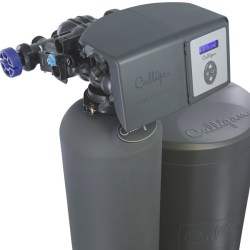
Culligan conditioners show error codes to signal problems. Codes might indicate salt low, service needed, or system faults. Checking the user manual helps understand each code. Timely response prevents damage and keeps the system running well.
Credit: www.culligan.com
Basic Troubleshooting Steps
Basic troubleshooting steps can help fix common issues with your Culligan water conditioner. These steps are simple and quick to perform. They often solve problems without needing a professional.
Start by checking key parts of the system. Small fixes can restore proper water softening. Follow these easy steps to get your system working again.
Checking Salt Levels
Salt is essential for the water softener to work. Open the salt tank and look inside. The salt should be at least half full. Add more salt if the level is low.
Use the right type of salt for your system. Avoid salt bridges—hardened salt layers that block water flow. Break up any salt bridges with a broom handle or stick.
Inspecting The Bypass Valve
The bypass valve controls water flow through the system. Check if the valve is in the correct position. It should allow water to pass through the softener.
If the valve is set to bypass, water will not be softened. Turn the valve to the service position to fix this. Make sure the valve moves smoothly and is not stuck.
Regenerating The System Manually
Regeneration cleans the resin beads inside the softener. Start a manual regeneration cycle using the control panel. This helps remove built-up minerals from the beads.
Follow your system’s instructions to start regeneration. Wait for the cycle to finish before using water. Manual regeneration can improve water quality quickly.
Resetting The Control Panel
The control panel manages the softener’s settings. Sometimes it needs a reset to clear errors. Locate the reset button or unplug the system for a few minutes.
Plug it back in or press the reset button. The panel will restart and clear minor glitches. This step can restore normal operation fast.
Fixing Salt-related Problems
Salt issues often cause problems in Culligan water conditioners. These problems can stop your system from working right. Fixing salt problems keeps your water soft and your system running smooth. This section explains how to solve common salt troubles.
Breaking Up Salt Bridges
Salt bridges form when salt hardens and creates a crust. This crust blocks salt from reaching the water. It can cause the water softener to stop working. To break a salt bridge, gently push a broom handle or stick into the salt. Do this carefully to avoid damaging the tank. Once broken, remove the loose salt pieces. Check the salt level often to prevent bridges from forming again.
Handling Salt Mushing
Salt mushing happens when salt turns into a thick sludge at the bottom. This sludge blocks water flow and causes system errors. To fix salt mushing, empty the salt tank. Clean out the mushy salt and rinse the tank with water. Refill the tank with fresh salt. Use a brush to clean the sides of the tank if needed. Regular checks can help stop salt from mushing.
Choosing The Right Salt Type
Using the right salt helps prevent salt problems. Culligan systems work best with high-purity salt pellets or crystals. Avoid using rock salt, which has more impurities. Pure salt reduces buildup and keeps the system clean. Check the salt type recommended in your water conditioner manual. Buy salt that dissolves easily and leaves less residue. This choice improves system performance and salt efficiency.
Resolving Pressure Issues
Pressure problems in a Culligan water conditioner can reduce water flow and affect performance. Low or inconsistent pressure often causes frustration. Fixing these issues usually involves simple steps. Understanding how to check and adjust parts helps keep your system working well.
Cleaning The Injector And Screen
The injector and screen can collect dirt and debris. This buildup blocks water flow and lowers pressure. Remove the injector and screen carefully. Rinse them under running water to clear any clogs. Use a soft brush to remove stubborn particles. Clean parts improve water flow and system efficiency.
Checking For Clogs In The System
Clogs can form inside pipes and valves. These blockages reduce water pressure. Inspect all accessible parts for dirt or mineral buildup. Flush the system with clean water if needed. Clear any visible blockages to restore normal pressure. Regular checks prevent future clogs and keep water flowing smoothly.
Adjusting Water Pressure Settings
Culligan systems often have pressure settings that control flow. Check your system’s manual for the correct range. Use the control valve to increase or decrease pressure. Adjust settings slowly and test water flow after each change. Proper pressure settings ensure the conditioner works efficiently and protects your pipes.
Dealing With Resin Bed Challenges
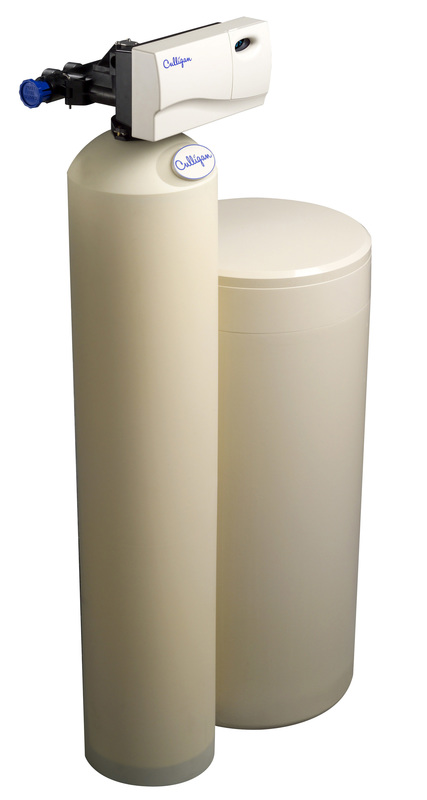
The resin bed is the heart of your Culligan water conditioner. It removes hard minerals from your water. Over time, the resin bed can face problems. These problems affect your water softener’s performance. Knowing how to handle resin bed challenges keeps your system running well.
Identifying Resin Fouling
Resin fouling happens when dirt or iron builds up in the resin bed. This clogs the resin beads and stops them from working. Signs include less soft water or strange tastes. Your water might also have a reddish or brown color. Check for these signs regularly to catch problems early.
Cleaning And Replacing Resin
Cleaning the resin bed can remove buildup and restore function. Use a resin cleaner made for water softeners. Follow the instructions carefully to avoid damage. If cleaning does not help, the resin may need replacing. Resin replacement is simple but requires some effort and care.
When To Call A Professional
Some resin bed problems need expert help. Call a professional if cleaning does not improve water quality. Also, if you see damage inside the tank or resin leaks. Professionals can test the resin and replace it safely. They ensure your water conditioner works correctly again.
Credit: www.culliganofshawano.com
Maintaining Your Culligan Water Conditioner
Maintaining your Culligan water conditioner keeps it working well. Proper care prevents common problems and extends its life. Regular tasks help your system soften water efficiently. Follow simple steps to ensure smooth operation every day.
Regular Salt Refills
Salt is vital for your water conditioner. Check the salt level in the brine tank often. Refill the tank before it runs low. Use the right type of salt recommended by Culligan. Avoid letting salt bridges form. These can stop the system from working properly.
Scheduled System Regeneration
Regeneration cleans and recharges the system’s resin beads. Set the system to regenerate at regular intervals. This process removes hardness minerals from the resin. Most Culligan systems regenerate automatically. Confirm the timing fits your water usage. Manual regeneration may be needed sometimes.
Annual Inspections And Servicing
Have a professional inspect your water conditioner yearly. They check for wear, leaks, and proper function. Service includes cleaning parts and replacing worn components. Regular maintenance prevents bigger issues later. It ensures your system runs at peak performance.
When To Seek Professional Help
Knowing when to call a professional for Culligan water conditioner problems can save time and stress. Some issues are simple and fixable at home. Others need expert care to avoid damage or wasted money. Recognizing the signs helps protect your water system and ensures it works well.
Persistent System Errors
Errors that do not clear after resetting the system need expert help. Persistent error codes may show a deeper problem. Professionals have tools to diagnose issues accurately. Fixing these errors early can prevent bigger damage.
Complex Mechanical Failures
Mechanical parts inside the conditioner can wear out or break. Problems like stuck valves or broken timers require special skills. Trying to fix complex parts without training may cause more harm. A professional can safely repair or replace these parts.
Warranty And Service Plans
Checking your warranty before repairs is smart. Many Culligan units come with service plans. Using authorized service keeps your warranty valid. Experts under these plans know your system best and offer reliable fixes.
Frequently Asked Questions
How Do I Reset My Culligan Water Conditioner?
To reset, locate the control panel and press the reset button. Wait for the system to reboot. This clears minor errors quickly.
Why Is My Culligan Water Conditioner Not Softening Water?
Check salt levels and ensure the brine tank is clean. Low salt or clogged tanks reduce softening. Also, verify the settings are correct.
How Can I Fix A Culligan Water Conditioner That Won’t Regenerate?
Make sure the timer is set properly for regeneration cycles. Inspect the motor and valve for blockages or damage. These often cause regeneration issues.
What Causes A Culligan Water Conditioner To Leak?
Leaks usually come from loose connections or worn seals. Tighten fittings and replace old seals to stop leaks. Inspect the tank regularly.
How Often Should I Clean My Culligan Water Conditioner?
Clean the brine tank every 3 to 6 months to avoid salt buildup. Regular cleaning keeps the system efficient and prevents clogs.
What Does Error Code On Culligan Water Conditioner Mean?
Each code signals a specific problem, like sensor failure or low salt. Check the user manual for exact meanings and solutions. This helps diagnose quickly.
Conclusion
Troubleshooting your Culligan water conditioner can save time and money. Start with basic checks like power supply and salt levels. Small issues often cause common problems. Regular maintenance keeps the system working well. Remember to follow the user manual’s steps carefully.
If problems persist, call a professional for help. Clean water improves daily life and protects your home. Stay patient and methodical to fix issues faster. Good water means better health and comfort for your family. Keep your water softener in good shape for long-term use.