
Is your GE refrigerator’s water dispenser not working right? Maybe the ice maker isn’t making ice like it should.
Often, the problem comes down to the water valve. If you’re wondering how to fix it without calling a technician, you’re in the right place. This guide will help you understand common issues with your GE refrigerator water valve and show you simple steps to troubleshoot it yourself.
Keep reading to save time, avoid costly repairs, and get your fridge working perfectly again.
Common Water Valve Issues
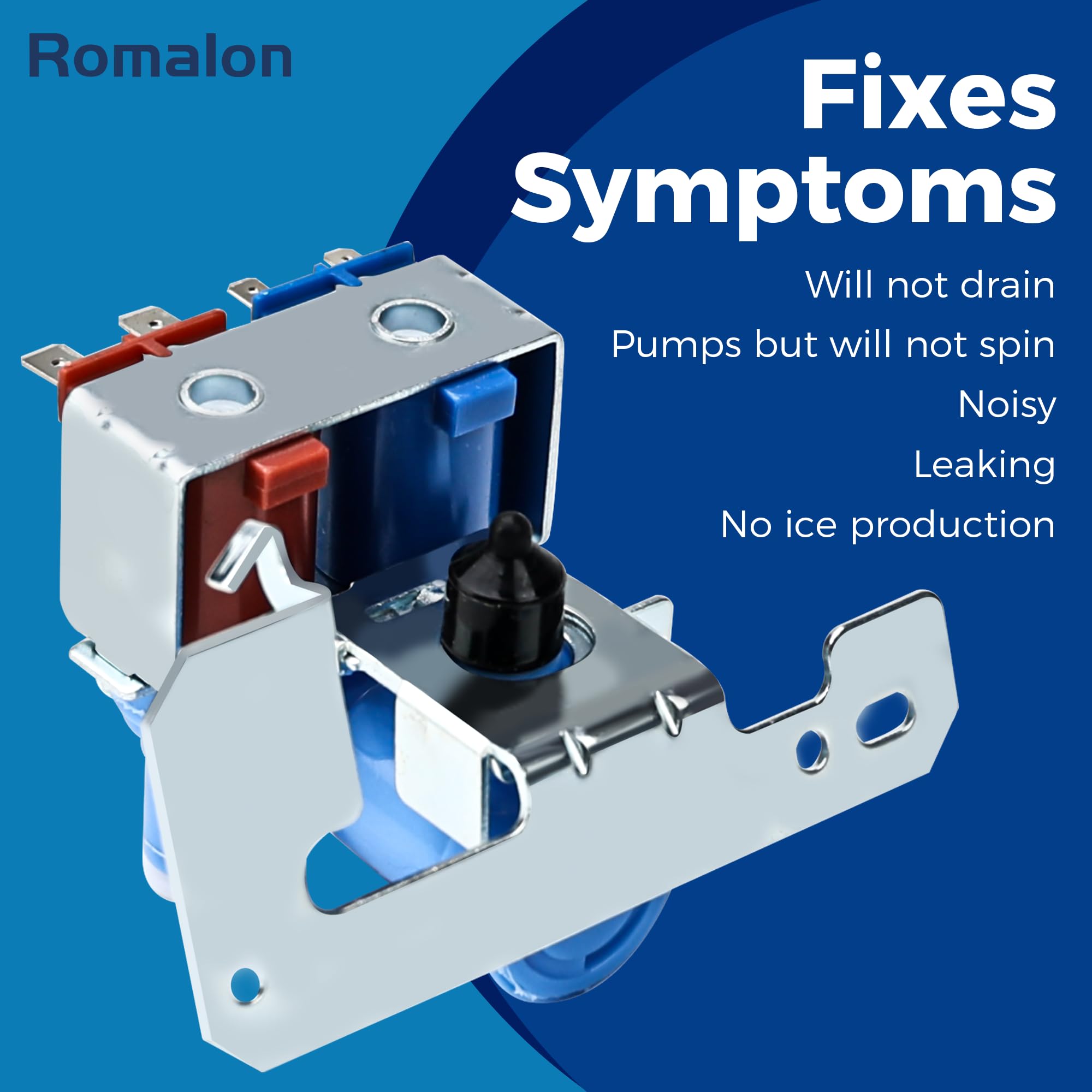
The water valve in a GE refrigerator controls the flow of water to the ice maker and dispenser. Problems with this valve can cause several common issues. These problems often affect the water supply, making daily use difficult. Identifying the issue early helps in fixing it quickly and avoiding more damage.
No Water Dispensing
This issue happens when the water valve does not open. The water stops flowing to the dispenser or ice maker. Causes include a faulty valve, clogged filter, or frozen water line. Testing the valve with a multimeter can show if it works. Cleaning or replacing the filter may also help.
Leaking Valve
Leaks around the water valve cause water to pool inside or under the fridge. The leak may result from loose connections or a cracked valve body. Tightening fittings or replacing the valve usually fixes the leak. Ignoring leaks can lead to water damage and mold growth.
Continuous Water Flow
The water keeps running from the dispenser or ice maker. This issue wastes water and may cause flooding. A stuck valve or faulty solenoid often causes continuous flow. Replacing the valve or the solenoid usually stops the water flow. Check the water pressure to ensure it is not too high.
Strange Noises
Humming, buzzing, or clicking noises near the valve can indicate a problem. These sounds often come from a faulty solenoid or valve coil. The valve may struggle to open or close properly. Replacing the noisy part can restore quiet operation and normal water flow.
Credit: luthsports.org
Tools Needed For Repairs
Fixing a GE refrigerator water valve requires the right tools. Using the proper tools makes the job easier and safer. It helps find the problem faster and ensures a good repair. Prepare these tools before starting your repair work.
Basic Hand Tools
Start with simple tools like screwdrivers and pliers. A flathead and a Phillips screwdriver are essential. Adjustable pliers help to grip and turn parts. A wrench may be needed to loosen bolts. Keep a towel nearby to catch any water spills.
Multimeter For Testing
A multimeter checks electrical parts for faults. It measures voltage, resistance, and continuity. Use it to test the water valve’s solenoid coil. This tool helps identify if the valve gets power. It’s a must-have for safe and accurate troubleshooting.
Replacement Parts
Have the right replacement water valve ready. Check your refrigerator model number first. Order parts that match your GE refrigerator exactly. Keep extra hoses or connectors on hand. Using correct parts prevents leaks and further problems.
Step-by-step Valve Inspection
Inspecting the water valve on your GE refrigerator is important when the water dispenser or ice maker stops working. This step-by-step guide helps you check the valve safely and clearly. Follow these instructions carefully to find any problems early.
Turning Off Power And Water
First, switch off the refrigerator’s power by unplugging it or turning off the circuit breaker. Next, close the water supply valve to stop water flow. This prevents leaks and electrical hazards during inspection.
Accessing The Water Valve
Move the refrigerator away from the wall to reach the back panel. Use a screwdriver to remove the panel covering the water valve. The valve is usually near the bottom, connected to water tubes and wires.
Checking Electrical Connections
Look at the wires connected to the valve for loose or damaged parts. Tighten any loose connections gently. Replace wires that show signs of wear or corrosion to ensure proper electrical flow.
Examining Valve For Damage
Inspect the valve body for cracks or breaks. Check the water tubes for kinks or blockages. Any visible damage means the valve may need replacing to restore water flow.
Fixing No Water Flow
Fixing no water flow in your GE refrigerator can be simple with the right steps. Start by checking common issues that block water from reaching the dispenser or ice maker. These problems often involve filters, coils, or the valve itself.
Clearing Clogged Filters
Water filters can get clogged with dirt and minerals. This stops water from flowing properly. Remove the filter and inspect it closely. Replace it if it looks dirty or old. A clean filter lets water pass through easily. Changing the filter every six months keeps water fresh and flowing.
Testing Solenoid Coil
The solenoid coil controls the valve opening. If it is broken, water will not flow. Use a multimeter to check the coil’s electrical resistance. A reading far from the standard means the coil is faulty. Replace the coil to restore the valve’s function and water flow.
Replacing Faulty Valve
The water valve may fail over time. Signs include no water flow or leaks. Turn off the water supply before removing the valve. Disconnect the wires and water lines carefully. Install a new valve by reversing these steps. Test the water flow after replacement to ensure the problem is fixed.
Stopping Water Leaks
Water leaks from your GE refrigerator valve can cause damage and waste water. Stopping these leaks fast is important. Small leaks can grow into big problems. Fixing leaks saves money and protects your home.
Tightening Connections
Loose connections often cause water leaks. Use a wrench to gently tighten the valve connections. Avoid over-tightening, which can damage parts. Check both the valve and water line connections for any looseness. Tightening these can stop drips and leaks quickly.
Replacing Damaged Seals
Seals inside the valve can wear out over time. Look for cracks, splits, or hardening in the seals. Replacing damaged seals stops leaks from inside the valve. Use seals that fit your GE refrigerator model. Properly installed seals keep water flowing only where it should.
Inspecting Water Line
Check the water line for cracks or holes. Damage here can cause leaks near the valve. Replace any damaged water lines with new, sturdy tubing. Make sure the water line fits tightly on the valve. A good water line connection helps keep your refrigerator leak-free.

Credit: codysappliancerepair.com
Handling Continuous Water Flow
Continuous water flow from a GE refrigerator water valve can waste water and cause damage. Fixing this issue quickly saves your home from leaks. Understanding how to handle the problem helps you avoid costly repairs. Start by checking the valve parts and their functions. Then, try resetting the valve. If needed, replace any broken components.
Checking Solenoid Function
The solenoid controls the water valve’s opening and closing. If it gets stuck, water will keep flowing. Use a multimeter to test the solenoid’s electrical resistance. A faulty reading means the solenoid needs repair or replacement. Also, inspect the solenoid for dirt or corrosion. Clean it gently to restore proper function.
Resetting The Valve
Sometimes the valve needs a reset to stop the flow. Unplug the refrigerator from the power source first. Wait for one minute to let the system reset. Plug it back in and watch if the water stops. This simple step can fix minor electrical glitches causing continuous water flow.
Replacing Defective Parts
If the valve or solenoid shows damage, replacement is necessary. Order parts designed for your GE model. Turn off the water supply before removal. Carefully disconnect wires and tubing from the old valve. Attach the new part and reconnect all connections. Turn the water back on and test for leaks.
Preventive Maintenance Tips
Preventive maintenance keeps your GE refrigerator water valve working well. It reduces the chance of leaks and clogs. Regular care helps avoid costly repairs. Follow simple steps to maintain the valve.
Regular Cleaning Schedule
Clean the water valve every few months. Dirt and minerals can build up inside. Use a soft cloth and mild soap. Avoid harsh chemicals that can damage parts. Keep the valve clear to ensure smooth water flow.
Monitoring Water Pressure
Check the water pressure often. Too high pressure may damage the valve. Too low pressure can stop water flow. Use a pressure gauge to measure it. Adjust the pressure to fit your refrigerator’s needs.
Using Quality Replacement Parts
Always choose high-quality parts for repairs. Cheap parts wear out faster and cause problems. Use parts made for your GE model. This keeps the valve working longer and better.
When To Call A Professional
Knowing when to call a professional can save time and prevent damage. Some problems with your GE refrigerator water valve need expert help. Attempting repairs without proper knowledge can cause more issues or risk safety.
Recognizing signs that require professional service helps keep your fridge working well. Below are common situations when calling a technician is the best choice.
Complex Electrical Issues
Water valves often have electrical parts. If wiring looks damaged or connections are loose, avoid fixing it yourself. Electrical problems can cause shocks or fire risks. A professional has tools and skills to safely handle these issues.
Persistent Leaks
Small leaks might stop with simple fixes. But constant leaking indicates a bigger problem. Water damage can ruin floors and cabinets over time. A technician can find the source and fix it properly to prevent future leaks.
Warranty And Safety Concerns
Some repairs may void your warranty. Opening or changing parts without permission can cause this. Also, safety is important with water and electricity near each other. Professionals know how to work safely and keep your warranty valid.

Credit: www.youtube.com
Frequently Asked Questions
What Causes A Ge Refrigerator Water Valve To Stop Working?
A water valve can fail due to dirt, wear, or electrical issues. Faulty wiring or a blocked valve often causes the problem.
How Do I Test The Water Inlet Valve On My Ge Fridge?
Use a multimeter to check for electrical continuity on the valve. No continuity means the valve needs replacing.
Why Is My Ge Refrigerator Water Valve Leaking?
Leaks often happen from cracks or damaged seals in the valve. Tighten connections or replace the valve to fix leaks.
Can A Clogged Water Filter Affect The Water Valve?
Yes, a clogged filter reduces water flow and strains the valve. Replace the filter regularly to keep water flowing well.
How Do I Fix A Noisy Water Valve In My Ge Fridge?
Noise may come from debris or a weak valve coil. Cleaning or replacing the valve usually stops the noise.
How Long Does A Ge Refrigerator Water Valve Last?
A water valve typically lasts 5 to 10 years with normal use. Regular maintenance helps extend its lifespan.
Conclusion
Troubleshooting your GE refrigerator water valve can save time and money. Check the valve regularly for leaks or blockages. Clean any dirt or ice that may cause problems. Make sure the water supply line is connected properly. Replacing a faulty valve can restore water flow.
Keep an eye on water pressure for steady operation. Simple fixes often solve common valve issues. Taking these steps helps your fridge work better. Stay patient and careful while troubleshooting. Your fridge will thank you with fresh, cold water.