
Is your GE refrigerator not cooling like it used to? You rely on it every day to keep your food fresh and drinks cold, so when it stops working properly, it can throw your whole routine off.
Before you panic or call for an expensive repair, there are simple reasons why your fridge might be struggling to stay cold—and easy steps you can take to fix it. Keep reading to discover what might be causing the problem and how you can get your GE refrigerator cooling again fast.

Credit: www.spinchill.com
Common Reasons Ge Refrigerator Stops Cooling
A GE refrigerator that stops cooling can cause food spoilage and inconvenience. Understanding common causes helps fix the issue quickly. Several simple problems often lead to cooling failure.
Most issues are easy to spot and fix without calling a technician. Knowing these common reasons saves time and money. Here are the main causes why a GE refrigerator may stop cooling.
Power Supply Issues
The refrigerator needs steady power to run. A loose plug or faulty outlet can cut power supply. Check the power cord and wall socket for damage or disconnection. A tripped circuit breaker might also stop the fridge from working.
Dirty Condenser Coils
Condenser coils remove heat from inside the fridge. Dust and dirt buildup on coils reduce cooling efficiency. Clean coils regularly with a brush or vacuum to keep the fridge cold. Dirty coils force the compressor to work harder and overheat.
Faulty Evaporator Fan
The evaporator fan moves cold air inside the fridge. A broken fan stops air circulation, causing warm spots. Listen for unusual noises or no sound at all from the fan. Replace the fan if it is not spinning properly.
Malfunctioning Thermostat
The thermostat controls the fridge temperature. A faulty thermostat may not signal the compressor to run. This causes the fridge to stop cooling or overcool. Test or replace the thermostat to restore proper temperature control.
Blocked Air Vents
Air vents allow cold air to flow between compartments. Blocked vents restrict airflow and cause uneven cooling. Avoid overpacking the fridge or blocking vents with food items. Clear any ice or debris that may block the vents.
Refrigerant Leaks
Refrigerant absorbs heat inside the fridge. A leak lowers cooling capacity and may cause frost buildup. Signs include warm fridge and hissing sounds. A professional should repair refrigerant leaks for safety and effectiveness.
Quick Checks Before Calling A Technician
Before calling a technician for your GE refrigerator not cooling, try some quick checks. These simple steps may help you find the problem fast. They can save time and money. Most issues are easy to fix without special tools or skills. Follow these tips to spot common problems.
Verify Power Connection
Check if the refrigerator is plugged in properly. Make sure the outlet works by testing another device. Look for a loose or damaged power cord. Reset the circuit breaker if it has tripped. Power issues often cause cooling problems.
Inspect Door Seals
Look closely at the rubber seals around the door. Clean any dirt or food stuck on them. Check for cracks, tears, or gaps. A bad seal lets cold air escape, reducing cooling. Press the door gently to see if it closes tightly.
Clear Vents And Airflow
Remove any items blocking vents inside the fridge. Ensure nothing is stopping the air from circulating. Clean dust or debris from vents at the back or bottom. Proper airflow is key to keeping the fridge cold.
Test Temperature Settings
Check the temperature control inside the fridge. Set it to the recommended level, usually between 37°F and 40°F. Avoid setting it too cold or too warm. Wait a few hours after adjusting. Incorrect settings can cause poor cooling.
Easy Fixes You Can Do Yourself
When a GE refrigerator stops cooling, small problems often cause it. Many fixes do not need a professional. These easy steps can save time and money. You can try them with simple tools and clear instructions. Each fix targets a common issue that blocks cooling. Follow these steps carefully to bring cold air back fast.
Cleaning Condenser Coils
Dust and dirt gather on condenser coils over time. This buildup stops the fridge from cooling well. Find the coils behind or under the fridge. Unplug the fridge before cleaning for safety. Use a coil brush or vacuum to remove dust. Clean coils help the fridge run cooler and use less energy. Do this at least twice a year.
Replacing The Evaporator Fan
The evaporator fan moves cold air inside the fridge. If the fan stops working, the fridge won’t cool properly. Listen for a humming sound when the door is closed. No sound means the fan may be broken. Find the fan behind the freezer panel. Remove the panel and check the fan blades. Replace the fan if it is damaged or silent. This fix restores airflow inside the fridge.
Resetting The Thermostat
The thermostat controls the fridge temperature. Sometimes it gets stuck or set too high. Turn the thermostat knob to the lowest setting. Wait five minutes and then set it back to normal. This reset can fix minor control issues. If the fridge still does not cool, the thermostat may need replacement. Try this quick reset before calling a technician.
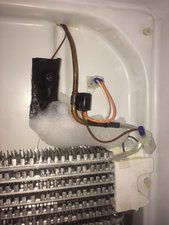
Unclogging Drain Lines
Drain lines remove water from inside the fridge. Clogs cause water buildup and frost problems. Find the drain hole at the fridge’s bottom inside. Use warm water and a pipe cleaner or soft brush. Push gently to clear any blockage. Keep drain lines clean to avoid leaks and odors. Regular checks help keep the fridge dry and cold.
Credit: www.ifixit.com
When To Contact Professional Repair Services
Knowing when to call a professional for your GE refrigerator not cooling saves time and money. Some problems need expert tools and skills. Trying to fix these issues alone can cause more damage or safety risks.
Recognize signs that require professional help. These include strange noises, no cold air, or the fridge turning on and off frequently. Experts handle complex repairs safely and correctly.
Handling Refrigerant Issues
Refrigerant leaks cause cooling failure. Professionals find leaks with special tools. They refill refrigerant to the right level. Handling refrigerants needs care and legal knowledge. It is unsafe to do this yourself.
Fixing Compressor Problems
The compressor is the fridge’s heart. If it fails, the fridge stops cooling. Repairing or replacing compressors needs expert skills. Professionals test electrical parts and mechanical functions. They ensure the compressor runs smoothly again.
Dealing With Electrical Malfunctions
Electrical issues can stop the fridge from working. Problems with wiring or the control board need careful checking. Professionals use proper tools to find faults. They fix wiring safely and replace bad parts. This prevents fire risks and further damage.
Preventive Tips To Keep Your Ge Refrigerator Cooling Efficiently
Keeping your GE refrigerator cooling properly saves energy and extends its life. Simple habits prevent common cooling issues and keep food fresh. Follow these easy tips to maintain your fridge’s efficiency and avoid costly repairs.
Regular Maintenance Schedule
Clean the condenser coils every three to six months. Dust buildup makes the fridge work harder. Check door seals for cracks or gaps. Replace damaged seals to stop cold air from escaping. Defrost the freezer if ice forms too thick. Regular care keeps your GE refrigerator running smoothly.
Proper Food Storage Practices
Do not overload shelves with heavy items. Too much food blocks airflow inside the fridge. Store hot food only after cooling it down. Warm items raise the internal temperature. Use airtight containers to keep moisture and odors in check. Organized storage helps maintain even cooling.
Ensuring Adequate Air Circulation
Leave space between items on shelves for air to move. Avoid placing large containers against the back wall. Keep vents inside the fridge clear of obstructions. Good air circulation spreads cold air evenly. This prevents warm spots and keeps all food fresh.
Monitoring Temperature Consistently
Set the fridge temperature between 37°F and 40°F for optimal cooling. Use a fridge thermometer to check accuracy. Adjust settings if temperatures fluctuate. Regular monitoring helps catch problems early. Maintaining the correct temperature protects your food and saves energy.
Credit: www.youtube.com
Frequently Asked Questions
Why Is My Ge Refrigerator Not Cooling Properly?
Your GE refrigerator might not cool due to dirty coils, a faulty thermostat, or poor door seals. Check these parts first for any damage or dirt.
How To Fix A Ge Fridge That Stops Cooling Suddenly?
Try unplugging the fridge for 5 minutes, then plug it back in. This can reset the system and fix minor errors.
Can A Dirty Condenser Coil Cause Cooling Issues?
Yes, dirty condenser coils reduce cooling efficiency. Clean coils regularly to keep your fridge working well.
What Role Does The Thermostat Play In Cooling?
The thermostat controls the fridge’s temperature. If it breaks, the fridge may not cool or may cool too much.
How Do Door Seals Affect A Refrigerator’s Cooling?
Damaged or loose door seals let cold air escape. Replace or fix seals to keep the fridge cold.
Could A Malfunctioning Fan Cause Cooling Problems?
Yes, the evaporator or condenser fan helps cool air circulate. If the fan stops, the fridge may not cool properly.
Is Low Refrigerant A Reason For Poor Cooling?
Low refrigerant can stop cooling but is rare. A professional should check and recharge refrigerant if needed.
How Often Should I Clean My Ge Refrigerator Coils?
Clean coils every 6 months to prevent dust buildup. This helps maintain good cooling performance.
Can Temperature Settings Cause A Ge Fridge Not To Cool?
Incorrect temperature settings might make the fridge too warm. Set the fridge to 37-40°F for proper cooling.
When Should I Call A Technician For Cooling Issues?
Call a technician if cleaning and simple fixes don’t work. Complex parts like compressors need expert repair.
Conclusion
A GE refrigerator not cooling can cause many problems at home. Check the power supply and temperature settings first. Clean the condenser coils to help it run better. Make sure the door seals are tight and not damaged. Listen for unusual noises that may show a problem.
Small fixes can often solve the cooling issue. For bigger problems, a professional repair service can help. Taking care of your fridge saves food and money. Don’t ignore the signs; act quickly to keep things fresh.