
Is your KitchenAid refrigerator not cooling like it should? If you’ve noticed that your food isn’t staying fresh or your drinks aren’t as cold as usual, it’s frustrating—and it could mean a bigger problem.
You rely on your fridge every day, so when it stops working right, you need answers fast. You’ll discover simple steps to identify what’s wrong and how to fix it before your groceries go to waste. Keep reading to get your KitchenAid fridge back to perfect cooling in no time.
Common Cooling Issues
Common cooling issues can cause your KitchenAid refrigerator to stop working properly. These problems often affect how cold the fridge stays. Understanding these issues helps you fix the problem faster. Check some usual causes below.
Temperature Settings Check
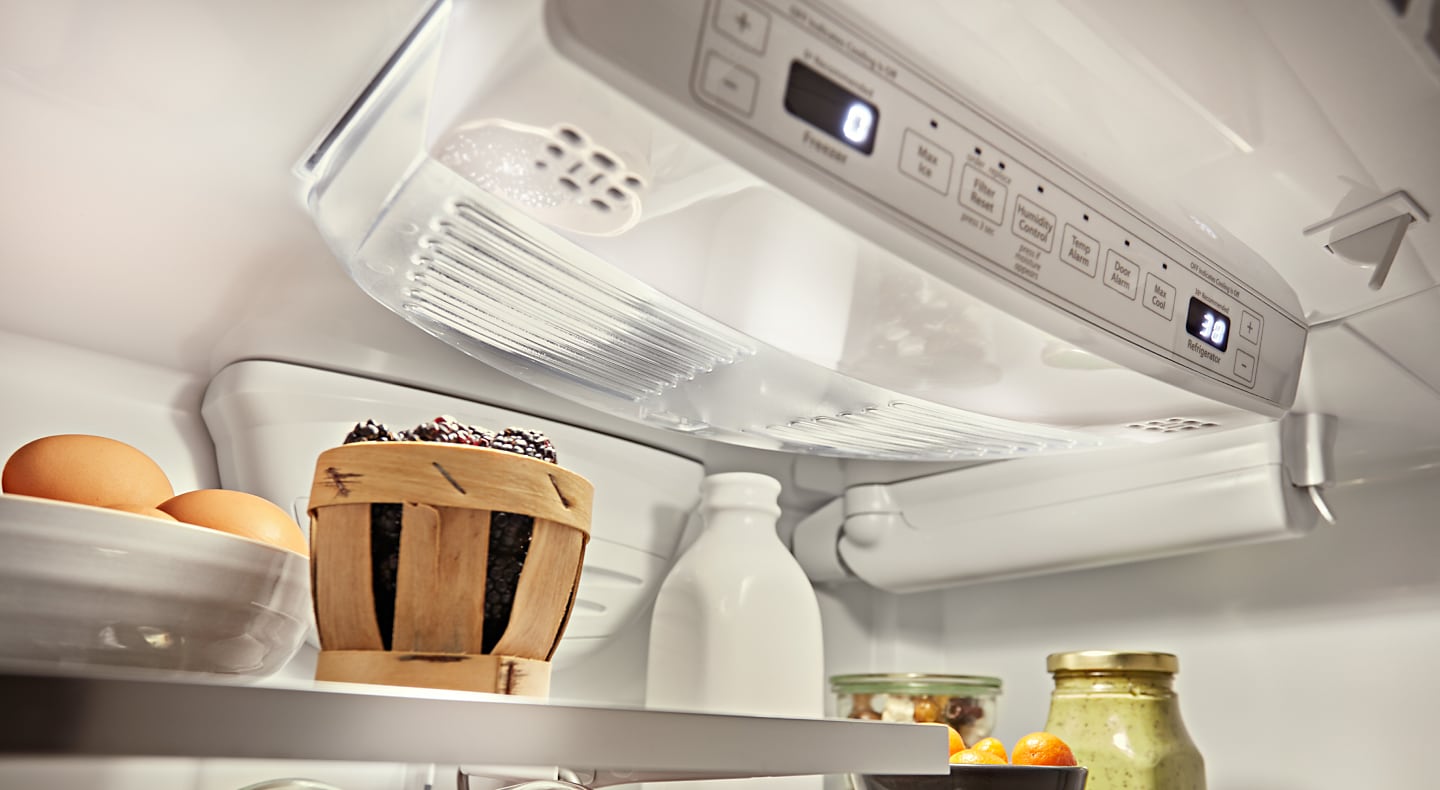
Incorrect temperature settings can stop your fridge from cooling well. The ideal fridge temperature is 37°F (3°C). The freezer should be around 0°F (-18°C). Check the control panel and adjust if needed. Sometimes, a simple reset can solve the problem.
Door Seal Problems
Damaged or dirty door seals let cold air escape. This makes the fridge work harder to stay cold. Look for cracks or gaps in the seal. Clean seals with warm, soapy water to remove dirt. Replace seals if they are worn out or broken.
Vent Blockages
Blocked vents reduce airflow inside the fridge. Cold air cannot circulate properly between compartments. Avoid overfilling the fridge and blocking vents. Check vents for ice buildup or debris. Clear any blockages to restore airflow and cooling.

Credit: www.youtube.com
Diy Troubleshooting Steps
When your KitchenAid refrigerator is not cooling, simple checks can help. These steps guide you through easy fixes. You can try them before calling a technician. Follow each step carefully for the best results.
Start with basic tasks that take only a few minutes. These checks often solve common cooling issues. Keep your fridge running smoothly and avoid costly repairs.
Clean Condenser Coils
Dust and dirt can block the condenser coils. This stops your fridge from cooling properly. Find the coils at the back or underneath the fridge. Use a brush or vacuum to clean them. Cleaning coils improves airflow and cooling power.
Reset The Refrigerator
Resetting can fix minor electrical glitches. Unplug the fridge for five minutes. Plug it back in and wait a few minutes. This simple step can restore normal cooling. It refreshes the system and clears errors.
Inspect The Evaporator Fan
The evaporator fan moves cold air inside the fridge. If it stops working, cooling drops. Open the fridge and listen for the fan sound. If you don’t hear it, the fan might be broken or stuck. Clean any debris or replace the fan if needed.
When To Call A Technician
Your KitchenAid refrigerator stops cooling properly. You try simple fixes, but nothing works. This is the time to call a technician. Some problems need expert skills and tools. Attempting repairs without training can cause more damage or risk safety.
Professional technicians know how to diagnose and fix complex issues. They ensure your fridge works efficiently again. Below are common reasons to call a technician for your KitchenAid refrigerator.
Compressor Failures
The compressor pumps refrigerant through the fridge. It keeps the inside cold. When the compressor fails, the fridge stops cooling. A broken compressor makes strange noises or won’t start. Fixing or replacing a compressor needs special tools and skills. Technicians can safely handle this job.
Refrigerant Leaks
Refrigerant is a gas that cools your fridge. A leak lowers cooling power. Signs include warm spots inside or frost buildup on coils. Detecting leaks requires special equipment. Handling refrigerants also needs certification. A technician finds and repairs leaks correctly, restoring cooling.
Electrical Component Issues
Electrical parts control the fridge’s cooling system. Problems with wiring, sensors, or the control board can stop cooling. These issues may cause the fridge to turn on and off or show error codes. Testing and fixing electrical parts is tricky. A technician can safely diagnose and repair these problems.
Credit: www.kitchenaid.com
Preventive Tips For Optimal Cooling
Keeping your KitchenAid refrigerator cooling well starts with good habits. Small efforts can stop big problems. These tips help your fridge run smoothly and keep food fresh longer.
Regular Maintenance Routine
Clean the condenser coils every three months. Dust build-up makes your fridge work harder. Check door seals for cracks or gaps. Replace damaged seals to keep cold air inside. Defrost the freezer if ice builds up. Too much frost blocks airflow and lowers cooling.
Proper Food Storage
Store food in airtight containers. This stops moisture and odors from spreading. Keep hot food out until it cools. Hot items raise the fridge temperature. Arrange items for good air flow. Avoid blocking vents inside the fridge.
Avoiding Overloading
Do not pack the fridge too full. Overloading blocks cold air movement. Leave space between items for air circulation. A crowded fridge makes the compressor work harder. This can cause uneven cooling and spoil food faster.
Credit: www.reddit.com
Frequently Asked Questions
Why Is My Kitchenaid Refrigerator Not Cooling Properly?
A dirty condenser coil or blocked vents often cause poor cooling. Check for dust buildup and clear any obstructions inside the fridge.
How Do I Fix A Kitchenaid Refrigerator That Won’t Cool?
Start by cleaning the condenser coils and checking door seals. Also, ensure the temperature settings are correct and not too high.
Can A Faulty Thermostat Cause Kitchenaid Fridge Cooling Issues?
Yes, a broken thermostat can stop the fridge from cooling. Test or replace it if the fridge is too warm or too cold.
Does A Blocked Defrost Drain Affect Kitchenaid Cooling?
A clogged defrost drain can cause ice buildup, blocking airflow and reducing cooling. Clear the drain to restore proper cooling.
How Often Should I Clean Kitchenaid Refrigerator Coils?
Clean the coils at least twice a year to keep cooling efficient. Dust and dirt make the compressor work harder and reduce cooling.
Could A Broken Fan Cause My Kitchenaid Fridge To Stop Cooling?
The evaporator or condenser fan moves cold air inside. If a fan breaks, the fridge won’t cool evenly or might stop cooling.
What Temperature Should A Kitchenaid Refrigerator Be Set To?
Set the fridge temperature between 37°F and 40°F for optimal cooling. The freezer should be around 0°F for best food preservation.
Can A Bad Door Seal Cause My Kitchenaid Fridge Not To Cool?
Yes, a damaged door seal lets cold air escape. Inspect seals for cracks or gaps and replace if needed to maintain cool temperatures.
Is A Compressor Issue Common In Kitchenaid Refrigerators Not Cooling?
Compressor problems can stop cooling but are less common. A noisy compressor or warm fridge may mean it needs repair or replacement.
When Should I Call A Technician For Kitchenaid Cooling Problems?
Call a pro if basic fixes don’t work or if you hear strange noises. Complex issues like compressor failure need expert repair.
Conclusion
A KitchenAid refrigerator not cooling can cause many problems. Check the door seal, temperature settings, and vents first. Clean the condenser coils regularly to keep it working well. Sometimes, a simple reset or power cycle helps. If these steps don’t fix the issue, call a professional for repair.
Acting quickly saves your food and avoids bigger damage. Keep your fridge running smoothly with regular care and attention. Small efforts make a big difference in cooling performance. Don’t ignore the signs of cooling problems. Stay on top of maintenance for a healthy fridge.