
Are your fluorescent lights flickering, buzzing, or just not turning on? You’re not alone, and the good news is that many common problems with fluorescent light fixtures are easier to fix than you might think.
Whether you want to save money or simply get your lighting back to normal, understanding how to troubleshoot these issues can save you time and frustration. This guide will walk you through simple steps to identify what’s wrong and how to fix it—so you can bring bright, steady light back to your space without hassle.
Keep reading to uncover the quick solutions that will have your fluorescent lights shining like new.

Credit: www.youtube.com
Common Fluorescent Light Issues
Fluorescent lights are common in homes and offices. They use less energy but sometimes face issues. Knowing common problems helps fix them fast. This section covers typical troubles with fluorescent light fixtures.
Flickering Lights
Flickering is a frequent problem with fluorescent lights. It can be caused by a loose bulb or bad starter. Sometimes, the ballast is failing. Flickering wastes energy and can annoy your eyes.
Lights Not Turning On
Lights that won’t turn on might have several causes. A dead bulb or loose connection is a usual reason. The ballast or starter might need replacement. Checking the power supply is important too.
Dim Or Weak Light Output
Dim lights reduce visibility and look dull. This happens when bulbs age or get dirty. A weak ballast can also cause low brightness. Cleaning or changing parts may restore light strength.
Buzzing Or Humming Sounds
Buzzing sounds come from the ballast or electrical issues. It signals that the ballast is wearing out. Loose parts inside the fixture also make noise. Addressing buzzing early can prevent bigger problems.
Basic Checks Before Repair
Before repairing a fluorescent light fixture, perform basic checks. These steps save time and avoid unnecessary repairs. Start with simple inspections that often solve the problem.
Power Supply And Switches
Check if the fixture has power. Confirm the switch is on and working. Test the circuit breaker or fuse box. Replace blown fuses or reset breakers. Use a voltage tester for accurate results. No power means no light.
Inspecting Bulbs And Tubes
Look closely at the bulbs or tubes. Broken or darkened ends show they need replacement. Remove and reinsert bulbs to ensure proper contact. Clean any dust or dirt on the tubes. Faulty bulbs are common causes of failure.
Examining The Ballast
The ballast controls the current to the tubes. Listen for humming or buzzing sounds. Check for signs of damage or leaking. Swollen or discolored ballasts need replacement. A bad ballast often prevents the light from starting.
Checking The Starter
The starter helps the bulb light up. Twist and remove the starter if your fixture has one. Replace it with a new starter of the same type. Starters wear out and stop the light from turning on. Testing the starter can quickly fix the issue.
Quick Fixes For Flickering Lights
Flickering fluorescent lights can annoy anyone. They distract and waste energy. Some fixes are quick and simple. You can solve many flickering problems yourself. These tips help you fix lights fast and save money.
Reseating Or Replacing Tubes
First, check the fluorescent tubes. Sometimes they are loose. Turn off the power before touching. Gently twist the tube to reseat it. If flickering continues, try replacing the tube. Old tubes often fail and flicker.
Cleaning Contacts And Sockets
Dirt and dust cause poor contact. Clean the tube ends and sockets. Use a dry cloth or soft brush. Avoid moisture to prevent damage. Clean contacts improve connection and stop flicker.
Replacing The Starter
The starter helps light the tube. A bad starter causes flickering. Find the starter near the tube. Turn off power and remove the starter. Replace it with a new one. This often fixes the flickering quickly.
Credit: blog.1000bulbs.com
Resolving Lights That Won’t Turn On
Fluorescent lights sometimes fail to turn on. This issue can have simple causes. Fixing it often does not need a professional. Basic tools and a little knowledge help solve most problems quickly. Start by checking key parts that might cause failure. Understanding these steps saves time and money.
Testing And Replacing Ballast
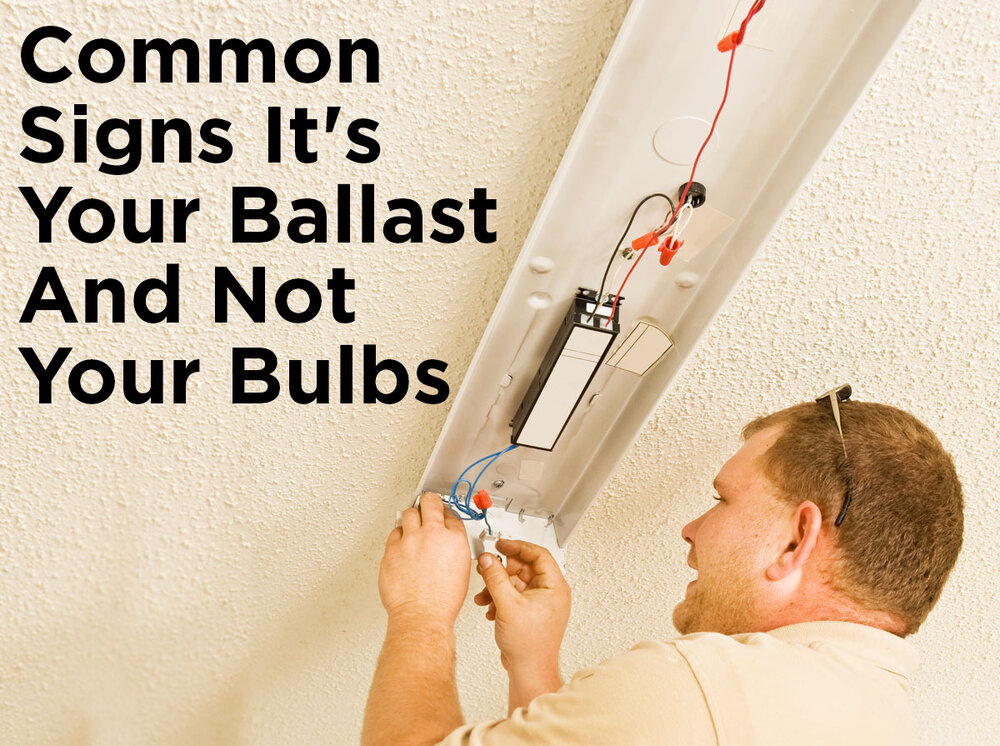
The ballast controls the current to the light tubes. A bad ballast can stop the light from turning on. First, turn off power at the breaker. Remove the fixture cover to access the ballast. Use a multimeter to test for continuity. No reading means the ballast is faulty. Replace the ballast with one matching the fixture’s specs. This often fixes the problem instantly.
Checking Wiring Connections
Loose or broken wires can prevent lights from working. Inspect all wiring inside the fixture carefully. Look for disconnected, frayed, or burnt wires. Tighten any loose connections with a screwdriver. Replace damaged wires with matching wire gauge. Make sure wires connect firmly to the ballast and sockets. Safe wiring ensures the light receives power properly.
Replacing Faulty Starters
Starters help fluorescent lights ignite. A faulty starter can stop the lamp from lighting. Remove the starter from its socket and test it. Swap it with a new starter if the light flickers or stays off. Starters are inexpensive and easy to replace. This simple step often restores the light quickly.
Improving Dim Or Weak Lighting
Dim or weak fluorescent lighting can make any room look dull and tired. It affects how well you see and can strain your eyes. Fixing this issue often improves comfort and saves energy. Simple steps can bring back bright, clear light.
Upgrading To Newer Tubes
Old fluorescent tubes lose brightness over time. New tubes provide stronger, more consistent light. Look for tubes with higher lumens for better brightness. Modern tubes also use less energy and last longer. This upgrade is an easy way to boost light output quickly.
Replacing Old Ballasts
Ballasts control the current to fluorescent tubes. Worn-out ballasts cause flickering and weak light. Replacing them restores proper voltage and stabilizes lighting. New electronic ballasts are quieter and more efficient. This helps the tubes shine at their full strength.
Cleaning Fixtures For Better Light
Dust and dirt block light from fixtures. Regular cleaning removes grime from tubes and covers. Wipe surfaces with a soft cloth and mild cleaner. Clean fixtures reflect more light, making rooms brighter. This simple step often improves light quality significantly.
Handling Buzzing And Humming Noises
Buzzing and humming noises from fluorescent light fixtures can be annoying. These sounds often signal a problem that needs fixing. Identifying the cause helps in choosing the right solution. This section explains simple steps to handle these noises effectively.
Identifying Loose Components
Loose parts inside the fixture often cause buzzing sounds. Check the lamp holders and screws. Tighten any loose screws carefully. Wiggle the tubes gently to see if they move. Secure any loose wiring connections. This can stop many common buzzing noises.
Replacing The Ballast
The ballast controls the current to the light tube. Old or faulty ballasts often produce humming sounds. Turn off the power before starting. Remove the fixture cover and take out the ballast. Replace it with a new one that matches the fixture. This often solves humming issues quickly.
Using Compatible Tubes And Starters
Using the wrong tubes or starters causes noise problems. Check the fixture’s label for compatible types. Use tubes and starters recommended by the manufacturer. Avoid cheap or generic parts as they may not fit well. Proper parts ensure smooth operation and reduce noise.
Safety Tips For Troubleshooting
Troubleshooting fluorescent light fixtures needs care and attention. Safety is the top priority before starting any work. Taking simple safety steps reduces risks of accidents and injuries. Follow these essential safety tips to protect yourself and your home.
Turning Off Power Before Repairs
Always switch off the power at the circuit breaker. Do not rely on the light switch alone. Confirm the power is off by using a voltage tester. This prevents electric shocks while handling wires or bulbs. Double-check before touching any electrical parts.
Using Proper Tools And Equipment
Use insulated tools designed for electrical work. Avoid using damaged or worn-out tools. Wear rubber-soled shoes and safety glasses. Keep a sturdy ladder if needed to reach the fixture. Proper tools and gear make the job safer and easier.
Avoiding Electrical Hazards
Never work on a wet surface or with wet hands. Keep water and liquids away from the fixture area. Do not touch metal parts with bare hands. Handle fluorescent tubes carefully to avoid breakage. Dispose of broken tubes safely to prevent mercury exposure.
When To Call A Professional
Fluorescent light fixtures usually work well with simple fixes. Sometimes, problems need more skill and care. Knowing when to call a professional can save time and prevent damage. It also keeps you safe from electrical risks. Here are signs that show it is best to get expert help.
Complex Wiring Problems
Wiring issues can be tricky and dangerous. Faulty wires can cause shocks or fires. If your fixture wiring looks damaged or confusing, do not try to fix it yourself. Professionals have the right tools and knowledge. They ensure wiring is safe and meets codes.
Ballast Replacement Risks
The ballast controls the light’s power. Replacing a ballast needs care and skill. Some ballasts hold electrical charge even when off. Handling them wrongly can cause injury. Professionals know how to safely remove and replace ballasts. They choose the correct type for your fixture.
Persistent Lighting Issues
If your light flickers, hums, or won’t turn on, problems may be hidden. Persistent issues often mean internal fixture faults. Simple fixes will not help here. An expert can diagnose and fix deep problems. This saves you from wasting money on parts that don’t work.

Credit: blog.1000bulbs.com
Frequently Asked Questions
Why Is My Fluorescent Light Flickering Constantly?
Flickering often means a loose bulb or faulty ballast. Check if the tube is properly seated or needs replacement.
How Do I Fix A Fluorescent Light That Won’t Turn On?
First, ensure the fixture has power and the bulb is not burnt out. Replace the bulb or check the starter if needed.
What Causes A Fluorescent Light To Buzz Loudly?
Buzzing usually comes from an old or bad ballast. Replacing the ballast often stops the noise.
Can A Fluorescent Light Fixture Cause Dim Or Weak Light?
Yes, dirty or aging tubes reduce brightness. Cleaning or changing the tube usually improves light output.
How Often Should I Replace Fluorescent Light Tubes?
Replace tubes every 7-10 years or when light dims significantly. Regular checks help maintain good light quality.
Is It Safe To Repair A Fluorescent Light Fixture Myself?
Basic tasks like changing tubes are safe with power off. For electrical parts, consider hiring a professional electrician.
Conclusion
Troubleshooting fluorescent light fixtures can save time and money. Start by checking the bulbs and connections carefully. Replace any damaged parts immediately. Regular cleaning keeps lights bright and working well. Remember to turn off power before fixing any issues. Simple steps often solve common problems fast.
Keep these tips handy for easy repairs. Bright, efficient lighting improves any space. Don’t let small problems turn into big ones. Stay safe and light up your room with confidence.