
Is your GE refrigerator water dispenser not working? It’s frustrating when you expect a cold glass of water, and nothing comes out.
You rely on this simple feature every day, and when it fails, it disrupts your routine. But don’t worry—you’re not alone, and there are easy ways to fix it. Keep reading to discover the common reasons behind this issue and simple steps you can take to get your water dispenser flowing again.
Your thirst for a quick solution ends here.
Common Causes Of Water Dispenser Issues
Water dispensers in GE refrigerators offer great convenience. They provide cold water quickly without opening the fridge. Sometimes, these dispensers stop working. Several common causes may lead to this problem. Knowing these causes helps in quick troubleshooting and fixing.
Many issues arise from small, easy-to-fix problems. Checking these common causes first saves time and money. Understanding them helps keep the water dispenser working smoothly.
Clogged Water Filter
The water filter cleans impurities from water. Over time, it gets clogged with dirt and debris. A clogged filter blocks water flow to the dispenser. Replacing the filter regularly restores proper water flow. Neglecting filter changes often causes dispenser problems.
Frozen Water Line
Cold temperatures inside the fridge can freeze the water line. When frozen, water cannot pass through to the dispenser. This issue stops water from coming out. Thawing the frozen line carefully fixes this problem. Keep the fridge temperature balanced to avoid freezing.
Faulty Water Inlet Valve
The water inlet valve controls water entering the fridge. A faulty valve may block water flow or leak. This causes the dispenser to stop working properly. Testing and replacing a bad valve restores water supply. It’s a common cause of dispenser failure.
Dispenser Switch Problems
The dispenser switch activates the water flow. If the switch wears out or breaks, the dispenser won’t work. Faulty switches may cause no water or constant flow. Checking the switch function helps identify this issue. Replacing a broken switch solves the problem.
Water Pressure Issues
Water pressure affects dispenser performance. Low water pressure limits water flow or stops it completely. Pressure issues can come from plumbing or supply problems. Ensuring proper water pressure improves dispenser operation. Fixing pressure problems often restores water flow.
Credit: www.youtube.com
Basic Troubleshooting Steps
When your GE refrigerator water dispenser stops working, simple checks can often fix the issue. Start with basic troubleshooting steps before calling a technician. These steps help you find common problems fast. They also save time and money.
Follow these easy steps to identify and fix the problem yourself. Each step focuses on a key part of the dispenser system.
Checking The Water Filter
The water filter can block water flow if dirty or clogged. Locate the filter inside the fridge. Remove it carefully and check for dirt or damage. Replace the filter if it looks old or clogged. A new filter can restore water flow quickly.
Inspecting The Water Line
Water lines can freeze, kink, or leak. Check behind the fridge for any bends or cracks in the tube. Make sure the line is not frozen by feeling if it is cold. A frozen line needs thawing before water can flow. Fix any visible damage to avoid leaks or blockages.
Testing The Dispenser Switch
The dispenser switch controls water flow when you press it. Test if the switch works by pressing it while listening for clicks. No sound may mean a faulty switch. Use a multimeter to check electrical continuity if you know how. Replace the switch if it does not work properly.
Resetting The Refrigerator
Resetting the fridge can fix small glitches. Unplug the refrigerator from power for about five minutes. Plug it back in and test the dispenser again. This simple reset can restore normal functions without tools or parts.
Fixing A Clogged Water Filter
A clogged water filter can stop your GE refrigerator’s water dispenser from working properly. Dirt and debris block water flow. Fixing this issue often starts with checking and replacing the filter. This process restores clean water flow and improves dispenser function.
Cleaning the water system after replacing the filter helps clear any trapped air or dirt. This step is important for smooth operation and good tasting water.
Removing And Replacing The Filter
Locate the water filter inside your refrigerator. It is usually in the upper right corner or behind a grille at the bottom.
Turn the old filter counterclockwise. Pull it out gently.
Before inserting the new filter, remove any protective covers. Push the new filter into the slot firmly.
Turn it clockwise until it locks in place. Do not force it.
Replacing the filter every six months keeps water clean and dispenser working well.
Flushing The Water System
After installing a new filter, flush the water system. This removes trapped air and loose particles.
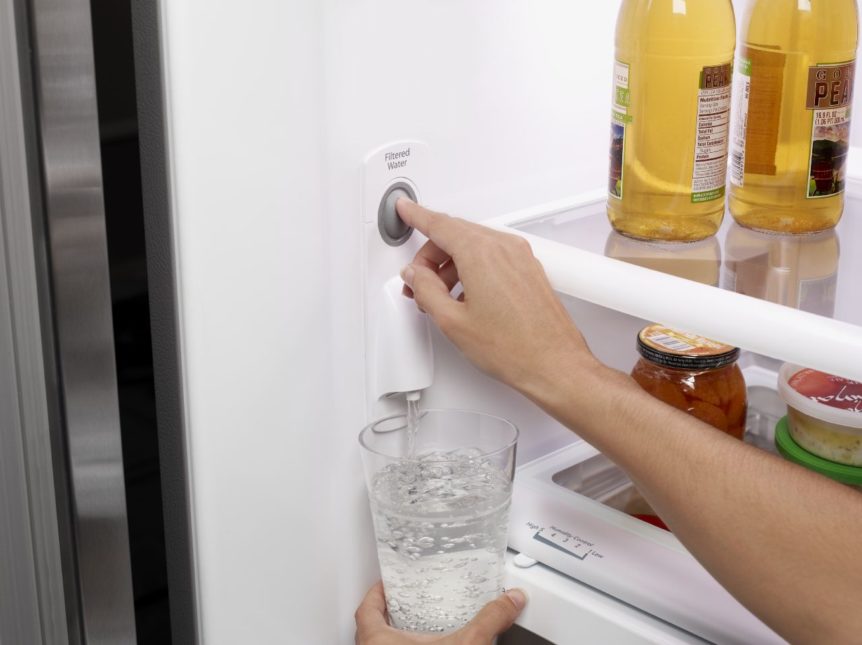
Press the water dispenser for about 3 to 5 minutes. Use a large container to catch water.
The water may sputter at first. This is normal as air clears out.
Flush until water runs clear and steady.
This step ensures fresh water and good dispenser performance.
Credit: ars.repair
Thawing A Frozen Water Line
Sometimes, the water line inside your GE refrigerator can freeze. This stops water from flowing to the dispenser. Thawing the frozen line can fix the problem quickly. It helps restore water flow and keeps your dispenser working well.
Use simple methods to warm the frozen section. Avoid using sharp tools that can damage the line. Patience is key to safely thaw the frozen water line.
Using Warm Towels
Warm towels help melt ice gently. Soak a clean towel in warm water. Wring out extra water to avoid drips. Wrap the towel around the frozen water line. Leave it for 10 to 15 minutes. Replace towels if they cool down. Repeat until water starts flowing again.
Adjusting Temperature Settings
Check the refrigerator’s temperature settings. High freezer settings can cause water lines to freeze. Set the freezer temperature to about 0°F (-18°C). Set the fridge temperature between 37°F and 40°F (3°C to 4°C). Adjusting these settings prevents future freezing. Monitor the water flow after changes.
Repairing Or Replacing The Water Inlet Valve
Repairing or replacing the water inlet valve is often necessary when a GE refrigerator water dispenser stops working. This valve controls water flow from your home’s supply line to the dispenser. A faulty valve can cause no water flow or a slow drip. Fixing this part can restore your dispenser’s function without calling a technician.
Knowing how to check and replace the valve saves time and money. The process is straightforward if you follow the right steps. Safety is important—always unplug the fridge before starting any repair.
Identifying Valve Issues
Start by checking the water inlet valve for visible damage. Look for cracks, leaks, or corrosion. Listen for a humming sound when the dispenser is pressed; no sound may mean the valve is dead.
Use a multimeter to test the valve’s electrical continuity. No continuity means the valve needs replacement. Also, check the water pressure. Low pressure may cause the valve to fail. Inspect the water line for clogs or kinks that could affect valve operation.
Step-by-step Replacement Guide
Unplug the refrigerator to avoid electric shock. Locate the water inlet valve, usually at the back near the bottom. Turn off the water supply to the fridge. Disconnect the water line from the valve using pliers.
Remove the screws holding the valve in place. Take out the old valve carefully. Install the new valve by securing it with screws. Reconnect the water line tightly to prevent leaks. Turn on the water supply and check for leaks.
Plug the refrigerator back in. Test the dispenser by pressing the water lever. Water should flow smoothly. If the problem continues, double-check connections or consider professional help.

Credit: www.reddit.com
Addressing Dispenser Switch Malfunctions
The water dispenser on your GE refrigerator may stop working due to a faulty dispenser switch. This small part controls the flow of water when pressed. Addressing dispenser switch malfunctions can restore the water flow quickly. The process involves testing the switch and replacing it if needed.
Testing The Switch With A Multimeter
Start by unplugging the refrigerator for safety. Remove the dispenser control panel to access the switch. Use a multimeter set to continuity mode. Press the switch and check the meter reading. No change means the switch is faulty. A proper reading shows the switch works fine. This test helps confirm if the switch causes the problem.
Switch Replacement Tips
Buy the exact switch model for your refrigerator. Use a screwdriver to remove the old switch carefully. Avoid damaging wires or connectors during removal. Connect the new switch to the wires firmly. Reassemble the control panel and plug the fridge back in. Test the dispenser to ensure it works. Replace the switch only if testing shows it is broken.
Ensuring Proper Water Pressure
Proper water pressure is key for a GE refrigerator water dispenser to work well. Low or high pressure can cause the dispenser to stop working. Checking and adjusting the water pressure helps keep water flow steady. This keeps the dispenser reliable and efficient.
Checking Household Water Supply
First, check the main water supply to your home. The water valve should be fully open. A partially closed valve limits water flow and pressure. Also, look for leaks or damage in pipes. These problems reduce water pressure and affect the dispenser.
Use a water pressure gauge to measure pressure at the supply line. Ideal pressure ranges from 40 to 60 psi. Lower pressure means weak water flow. Higher pressure can damage the dispenser parts.
Adjusting Pressure Regulator
Many homes have a pressure regulator on the main water line. This device controls water pressure entering the house. Locate the regulator and check its settings. Turn the adjustment screw to raise or lower pressure.
Make small changes and test the water dispenser after each adjustment. Keep pressure within the recommended range for your refrigerator. Proper pressure protects the dispenser and ensures steady water flow.
When To Call A Professional
Knowing when to call a professional for your GE refrigerator water dispenser can save time and prevent damage. Some problems need expert skills to fix. Trying to repair complex issues alone may cause more harm.
Recognizing signs of complex problems helps decide when to get help. Finding a qualified technician ensures your fridge gets the right care. Experts have tools and experience to fix issues safely and quickly.
Signs Of Complex Problems
Water dispenser leaks that won’t stop. No water flow even after changing filters. Strange noises from the dispenser system. Water tastes bad despite new filters. Ice maker not working along with the dispenser. Electrical issues like flickering lights or tripped breakers. These signs show a deeper problem needing expert help.
Finding A Qualified Technician
Choose a technician with experience in GE refrigerators. Check for certifications and good reviews online. Ask about warranties on repairs and parts. Confirm they have proper tools for refrigerator repairs. A qualified pro can diagnose and fix problems right. This ensures your fridge stays safe and works well.
Frequently Asked Questions
Why Is My Ge Refrigerator Water Dispenser Not Working?
A common cause is a frozen water line or clogged filter. Check these first for quick fixes.
How Do I Fix A Frozen Water Dispenser Line?
Unplug the fridge and let the freezer thaw for several hours. This melts any ice blocking the water flow.
Can A Clogged Water Filter Stop The Dispenser?
Yes, a clogged filter restricts water flow. Replace the filter every six months or when flow slows.
What If The Water Dispenser Light Is On But No Water?
This may indicate a faulty water inlet valve or switch. Testing these parts can help find the issue.
How Do I Reset The Water Dispenser On A Ge Fridge?
Unplug the refrigerator for five minutes, then plug it back in. This can reset the dispenser system.
Why Is Water Leaking From The Dispenser Area?
Leaking can come from a cracked water line or loose connections. Inspect and tighten all fittings.
Does Water Pressure Affect The Dispenser’s Performance?
Low water pressure can slow or stop the dispenser. Ensure your home’s water pressure meets fridge requirements.
How Often Should I Change The Water Filter?
Change the filter every six months or when water tastes odd. Regular changes keep water fresh and flowing.
Can A Broken Door Switch Cause Dispenser Problems?
Yes, the dispenser stops working if the door switch fails. Test and replace the switch if needed.
When Should I Call A Professional For Dispenser Issues?
Call a technician if troubleshooting steps don’t work or for electrical repairs. Safety first!
Conclusion
A GE refrigerator water dispenser not working can be frustrating. Simple checks often fix the problem fast. Check the water supply and filter first. Clear any clogs in the dispenser area. Small repairs can save you money. If problems persist, contact a professional for help.
Keeping your dispenser working means fresh water anytime. Don’t wait to fix it; act soon. Your fridge and water dispenser work best when maintained well. Stay proactive to avoid bigger issues later.