
Is your Frigidaire ice maker not working when you need it most? It’s frustrating to open the freezer and find no ice, especially on a hot day or during a party.
You rely on your ice maker to keep drinks cold and your routine smooth. But don’t worry—you’re not alone, and this problem can be fixed. You’ll discover simple steps to get your ice maker back up and running quickly. Keep reading to save time, avoid costly repairs, and enjoy ice-cold refreshment again.

Credit: www.wikihow.com
Common Ice Maker Issues
Frigidaire ice makers can face several common problems. Knowing these issues helps you fix them quickly. This saves time and avoids costly repairs. Below are some frequent problems users report.
No Ice Production
No ice production means the ice maker stops making ice. This can happen if the water supply is off. Sometimes the ice maker switch is turned off by mistake. A frozen water line can block water flow. Check these basics first to restore ice making.
Slow Ice Making
Slow ice making means fewer ice cubes over time. This often happens if the freezer temperature is too high. The ice maker needs cold temperatures to work fast. A dirty filter or low water pressure can also slow it down. Clean filters and adjust temperature for better speed.
Ice Maker Not Ejecting Ice
The ice maker may fill up but not push out ice. This problem happens if the ejector arm is stuck. Ice cubes can freeze together, blocking the release. Sometimes the motor that pushes ice is broken. Remove stuck ice or call for repair if needed.
Leaking Water
Leaking water comes from several causes. A loose or damaged water line is common. The ice maker’s fill valve might be faulty or stuck open. Check the water connection and valve for leaks. Fixing leaks prevents water damage and keeps ice maker working well.
Simple Troubleshooting Steps
Simple troubleshooting steps can help fix a Frigidaire ice maker quickly. These steps are easy to follow and need no special tools. Start with basic checks to find common problems. This saves time and can prevent costly repairs.
Check Power Supply
Make sure the ice maker is plugged in properly. Check if the power outlet works by testing with another device. Look for a tripped circuit breaker or a blown fuse. Without power, the ice maker will not work at all.
Inspect Water Line
Check the water line connected to the ice maker. Look for kinks or bends that block water flow. Ensure the water valve is open and supplying water. A blocked or closed water line stops ice production.
Examine Ice Maker Switch
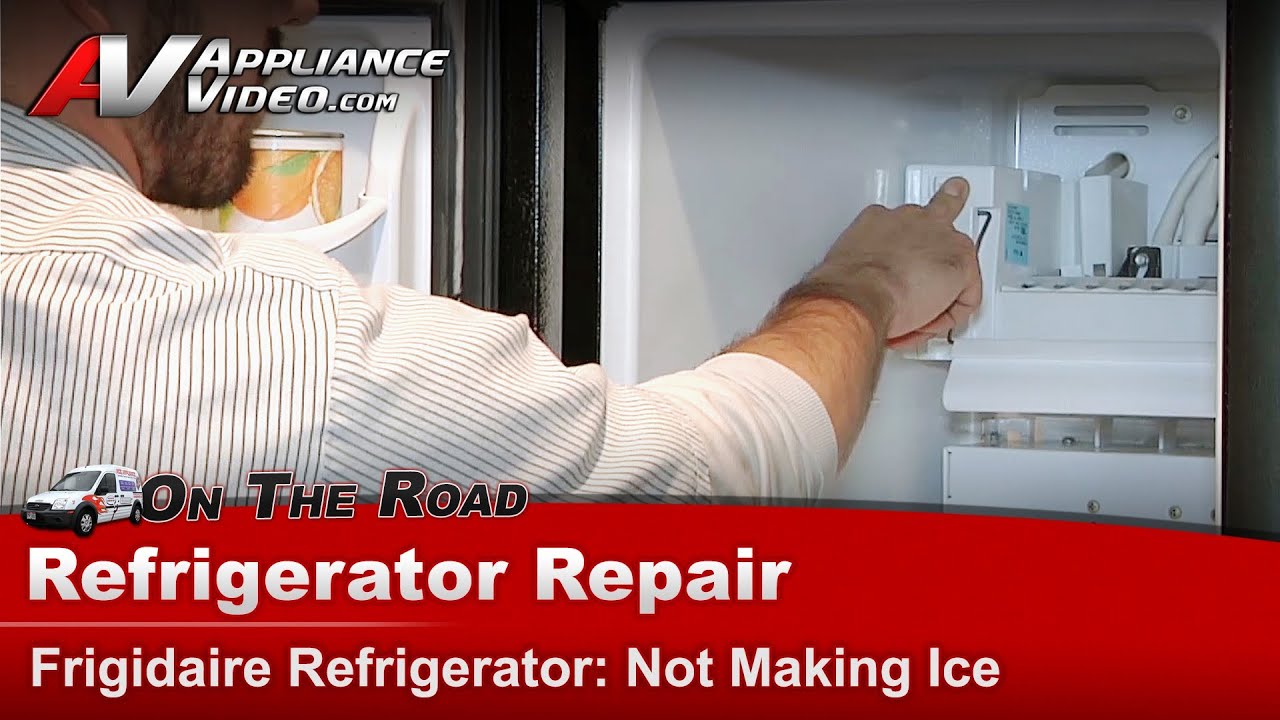
Locate the ice maker’s on/off switch. Confirm the switch is in the “on” position. Some models have a wire arm or button that controls ice making. If off, the ice maker will not produce ice.
Reset The Ice Maker
Try resetting the ice maker to fix minor errors. Unplug the fridge or ice maker for about 5 minutes. Plug it back in and turn the ice maker on. This reset can clear simple faults and restart ice production.
Cleaning And Maintenance Tips
Keeping your Frigidaire ice maker clean and well-maintained helps it work better and last longer. Dirt, ice build-up, and old filters can stop your ice maker from making ice properly. Regular cleaning and simple maintenance can fix many common problems.
Clean Ice Maker Components
Turn off the ice maker and unplug the fridge first. Remove the ice bin and any loose ice. Use a soft cloth and warm water to wipe down the ice tray, bin, and surrounding parts. Avoid harsh chemicals that can damage the components. Clean parts help prevent mold and keep ice fresh.
Defrost The Freezer
Ice build-up in the freezer can block the ice maker. Unplug the fridge and leave the freezer door open. Let the ice melt naturally or use a bowl of hot water inside to speed it up. Do not use sharp objects to remove ice. Dry the freezer completely before turning the fridge back on.
Replace Water Filter
An old or clogged water filter can reduce water flow to the ice maker. Check your filter’s replacement schedule, usually every 6 months. Turn off water supply, remove the old filter, and insert a new one. Flush water through the dispenser for a few minutes to clear air and debris. A fresh filter improves ice quality and taste.
Credit: www.youtube.com
When To Replace Parts
Knowing when to replace parts in your Frigidaire ice maker saves time and money. Some parts wear out and cause the ice maker to stop working properly. Replacing these parts can restore your ice maker’s function. Watch for signs that a component is faulty. This helps you decide if a repair or replacement is needed.
Faulty Water Inlet Valve
The water inlet valve controls water flow into the ice maker. A faulty valve stops water from entering the ice tray. Check for no water or slow filling. If the valve is clogged or broken, replace it. A new valve ensures proper water flow and ice production.
Broken Ice Maker Motor
The ice maker motor drives the ice ejector arm. A broken motor means ice will not be pushed out. Listen for unusual noises or no sound at all. When the motor stalls or fails, replacing it is the best fix. A working motor keeps ice moving smoothly.
Damaged Ice Mold Thermostat
The ice mold thermostat controls freezing cycles. A damaged thermostat causes ice to freeze incorrectly. Look for ice cubes that are too soft or too hard. If the thermostat does not signal the freezer correctly, replace it. This part keeps ice at the right temperature for proper freezing.
Preventing Future Ice Maker Problems
Preventing future problems with your Frigidaire ice maker saves time and effort. Regular care helps keep the ice maker working smoothly. Simple steps can avoid many common issues. Follow these tips to keep your ice maker in top shape.
Regular Maintenance Schedule
Clean the ice maker every few months. Remove old ice and wipe the tray with a soft cloth. Check the water filter and replace it as needed. Regular cleaning stops blockages and bad smells. Set a reminder to keep this routine on track.
Proper Water Supply
Use clean, cold water for the ice maker. Check the water line for leaks or kinks. Make sure water pressure is steady and strong enough. A poor water supply can cause small or no ice cubes. Fix any water issues to keep ice production steady.
Avoid Overloading Freezer
Do not pack the freezer too full. Overloading blocks air flow and cool air from reaching the ice maker. This can cause the ice to melt or stop forming. Keep space around the ice maker clear. Proper airflow keeps ice fresh and solid.
Credit: academy.fredsappliance.com
Frequently Asked Questions
Why Is My Frigidaire Ice Maker Not Producing Ice?
The ice maker may be off, the water line blocked, or the freezer too warm. Check these first for common issues.
How Do I Reset My Frigidaire Ice Maker?
Locate the reset button or switch, usually inside the ice maker. Press and hold it for 10 seconds to reset.
What Causes A Frigidaire Ice Maker To Stop Working Suddenly?
Power issues, frozen water lines, or a faulty motor can cause sudden stops. Inspect these parts carefully.
How Can I Fix A Frozen Water Line In My Ice Maker?
Turn off the ice maker and thaw the line with warm water or a hairdryer. Do this gently.
Why Is My Frigidaire Ice Maker Making Small Or Hollow Ice Cubes?
Low water pressure or a clogged filter often causes small or hollow cubes. Replace the filter if needed.
How Often Should I Clean My Frigidaire Ice Maker?
Clean the ice maker every 3-6 months to avoid build-up. Use mild soap and warm water.
Can A Dirty Water Filter Cause Ice Maker Problems?
Yes, a dirty filter can block water flow and reduce ice production. Change the filter regularly.
What Temperature Should My Freezer Be For Proper Ice Making?
Keep the freezer between 0°F and 5°F (-18°C to -15°C) for optimal ice production.
How Do I Know If The Ice Maker’s Motor Is Faulty?
Listen for unusual noises or no sound at all. A faulty motor may need professional repair.
Is It Normal For My Frigidaire Ice Maker To Pause During Cycles?
Yes, ice makers pause to allow ice to freeze fully. This is a normal part of the process.
Conclusion
Frigidaire ice maker problems can be fixed with a few simple steps. Check the water supply and temperature first. Clean the ice maker regularly to avoid blockages. Make sure the ice maker is turned on and properly connected. Small issues often cause big problems.
Taking quick action saves time and money. Regular care keeps the ice maker working well. Stay patient and follow these tips for best results. Your ice maker can work smoothly again soon.