
Is your GE refrigerator water dispenser acting up? Maybe it’s not dispensing water properly, making strange noises, or the water tastes off.
You rely on that dispenser every day, so when it stops working right, it can be frustrating. But don’t worry—you don’t have to call a technician just yet. In this guide, you’ll find simple, easy-to-follow troubleshooting tips that can help you fix common issues quickly.
Keep reading, and you’ll learn how to get your water dispenser back to perfect working order in no time.
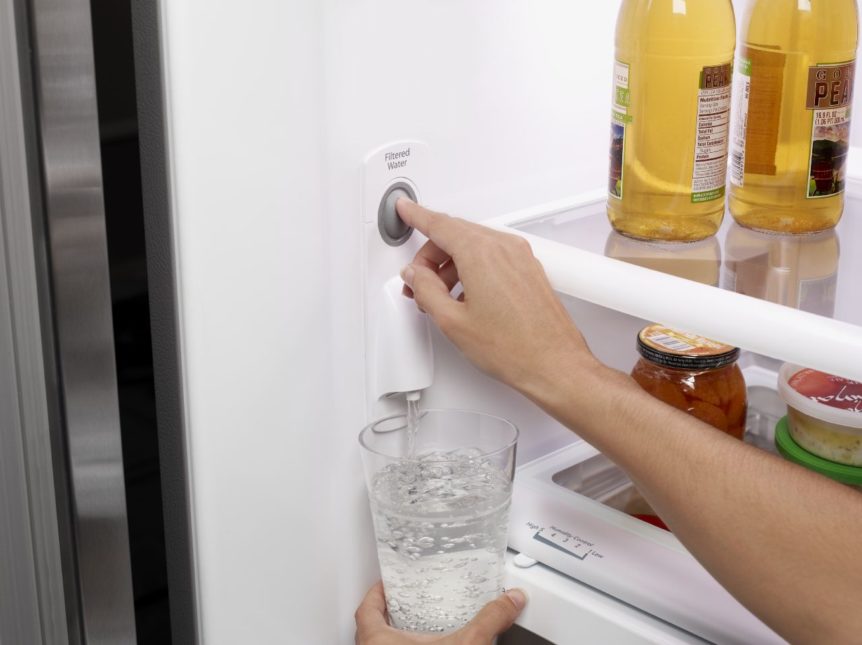
Credit: ars.repair
Common Water Dispenser Problems
Water dispensers in GE refrigerators make life easier by providing cold water quickly. Sometimes, these dispensers stop working as expected. Knowing common problems helps fix them fast. It saves time and avoids calling a technician. Here are frequent issues users face with water dispensers.
No Water Dispensing
The dispenser might stop giving water completely. It could be due to a frozen water line. The water filter might be clogged or old. The water supply valve could be closed. Check these parts first to restore water flow.
Slow Water Flow
Water might come out very slowly. A partially clogged water filter often causes this. The water line might have a small blockage. Low water pressure from the source is another reason. Replace the filter or check the water supply for better flow.
Leaking Water
Water leaking around the dispenser is a common problem. The drip tray might be full or misplaced. Loose door seals can cause leaks too. Sometimes, the water line connections are loose or cracked. Inspect these areas to stop leaks quickly.
Water Tastes Strange
Water with a bad taste or smell is unpleasant. Old or dirty water filters can change water flavor. Contaminants in the water supply may cause this too. Regular filter replacement and cleaning the dispenser help keep water fresh.
Dispenser Button Not Working
Pressing the button but no water comes out is frustrating. The button might be stuck or broken. The control board inside may have a fault. Dirt or debris can block the button mechanism. Clean the button and check for any damage.
Checking The Water Supply
Checking the water supply is the first step in fixing your GE refrigerator water dispenser. Without a steady flow of water, the dispenser cannot work properly. This section explains how to check the water line, water pressure, and connections.
Inspecting The Water Line
Start by looking at the water line behind the refrigerator. Make sure it is not kinked or bent. A bent line can block water flow. Check for any leaks or cracks in the line. Replace the line if it is damaged.
Verifying Water Pressure
Low water pressure can cause the dispenser to stop working. Use a pressure gauge to check the pressure. The ideal pressure is between 20 and 120 psi. If the pressure is too low, the water will not flow well. Contact a plumber if you cannot fix the pressure yourself.
Ensuring Proper Connection
Check that the water line is securely connected to the refrigerator. The connection should be tight and free of leaks. Loose connections can stop water from reaching the dispenser. Tighten any loose fittings carefully to avoid damage.
Filter Maintenance
Keeping your GE refrigerator water dispenser clean and working well needs regular filter care. The water filter removes dirt and bad tastes. Clean water means better tasting drinks and safer ice.
Regular filter maintenance helps avoid clogs and slow water flow. It also stops bad odors and keeps your fridge running smoothly. Here are simple steps to care for your water filter.
When To Replace The Filter
Change the water filter every six months or 200 gallons. Some models show a light to remind you. If water tastes strange or flows slowly, replace the filter sooner. Old filters can let dirt through and harm the dispenser.
How To Replace The Water Filter
First, find the filter inside the fridge or at the base. Turn the old filter counterclockwise to remove it. Take the new filter out of the package. Remove the protective cover. Insert it into the slot and turn clockwise until it stops. Run water for a few minutes to clear air and loose carbon bits.
Cleaning The Filter Housing
Turn off the water supply before cleaning. Wipe the filter housing with a soft cloth and warm water. Avoid harsh chemicals that can damage parts. Clean every time you change the filter. This keeps the area free of mold and buildup. Dry the housing well before putting in the new filter.
Clearing Frozen Water Lines
Frozen water lines can stop your GE refrigerator water dispenser from working properly. This problem is common in cold weather or if the water supply is low. Clearing frozen lines is key to getting water flowing again. Understanding how to spot frozen lines and thaw them safely helps you fix the issue fast. Taking steps to prevent freezing keeps your dispenser working well all year.
Identifying Frozen Lines
Check if the water dispenser drips or stops suddenly. A frozen line often causes no water or a weak flow. Listen for unusual noises like clicking or humming near the dispenser. Feel the water tube behind the fridge or inside the freezer door. If it feels very cold or hard, it may be frozen. Look for frost buildup around the water filter or dispenser area. These signs point to frozen water lines.
Thawing Techniques
Unplug the refrigerator before starting any thawing. Use a hairdryer on low heat to warm frozen tubes gently. Keep the dryer moving to avoid damage. Place a bowl of warm water near the frozen area to help melt ice. Avoid using sharp objects to break the ice. Let the lines thaw naturally if you have time. After thawing, check if water flows normally again.
Preventing Future Freezing
Keep the fridge and freezer temperature at the right setting. Avoid placing the fridge near cold drafts or open windows. Check and replace water filters regularly to ensure good flow. Make sure water lines are insulated, especially in colder homes. Run the water dispenser often to keep water moving. These tips reduce the chance of frozen lines and keep water flowing smoothly.
Fixing Mechanical Issues
Fixing mechanical issues in your GE refrigerator water dispenser can restore its proper function quickly. Mechanical problems often cause the dispenser to stop working or leak water. Simple checks and resets can solve many common issues without professional help.
Resetting The Dispenser Control
Sometimes the dispenser control needs a reset to fix minor glitches. Start by unplugging the refrigerator from the power outlet. Wait for about 30 seconds, then plug it back in. This step resets the control board and can clear any temporary errors. After resetting, press the dispenser lever to check if it works.
Checking The Dispenser Switch
The dispenser switch activates the water flow when pressed. Locate the switch behind the dispenser lever. Use a multimeter to test it for continuity. If the switch shows no continuity, it is faulty and needs replacement. Replace the switch carefully to avoid damaging other parts.
Inspecting The Water Inlet Valve
The water inlet valve controls water flow into the dispenser. Check the valve for blockages or leaks. If water does not flow, the valve may be defective. Test the valve coil with a multimeter for electrical issues. Replace the valve if it does not open properly or shows no continuity.

Credit: www.dtappliance.com
Electrical Troubleshooting
Electrical problems often cause a GE refrigerator water dispenser to stop working. These issues may involve the control board, wiring, or connections. Knowing how to check these parts can help you fix the problem quickly. This section guides you through basic electrical troubleshooting steps.
Testing The Control Board
The control board controls the water dispenser functions. A faulty board can stop the dispenser from working. First, unplug the refrigerator to stay safe. Then, locate the control board, usually behind the front panel. Use a multimeter to check for power at the board. If no power reaches the board, it may be a wiring issue. If the board shows no signs of damage but still does not work, it might need replacement.
Checking Wiring And Connections
Loose or damaged wires often cause electrical problems. Inspect all wires connected to the water dispenser. Look for signs of wear, corrosion, or breaks. Make sure all connections are tight and secure. Use a multimeter to test for continuity along the wires. Replace any wires that appear damaged. Secure all connections to prevent future issues.
When To Call A Technician
Electrical troubleshooting can be tricky and dangerous. Call a professional technician if you feel unsure. A technician has the tools and knowledge to fix complex issues. Do not attempt repairs if you see burnt wires or smell burning. Safety is the top priority with electrical problems. A quick call can save time and prevent injury.
Routine Care Tips
Taking care of your GE refrigerator water dispenser helps keep it working well. Routine care stops common problems and keeps water tasting fresh. Simple habits prevent damage and save you repair costs. Follow these tips to maintain your dispenser’s performance.
Regular Cleaning
Clean the water dispenser regularly to avoid buildup. Use a soft cloth and mild soap. Wipe the dispenser area and drip tray every week. Clean the water filter as recommended by the manufacturer. This prevents clogs and keeps water flowing smoothly.
Avoiding Hard Water Damage
Hard water can cause scale buildup inside the dispenser. Use a water softener or filter to reduce minerals. Flush the dispenser system with vinegar solution every few months. This removes mineral deposits and protects the dispenser parts from damage.
Maintaining Proper Temperature
Keep the refrigerator and freezer at the right temperatures. The fridge should be set between 37°F and 40°F. The freezer should be at 0°F. Proper temperatures prevent water freezing or overheating. This helps the dispenser work without issues.
Credit: www.youtube.com
Frequently Asked Questions
Why Is My Ge Refrigerator Water Dispenser Not Working?
The water dispenser may be clogged or the water line frozen. Check for blockages or ice in the tube. Also, ensure the water filter is not clogged.
How Do I Fix A Ge Water Dispenser That Drips?
A dripping dispenser often means a faulty valve or loose tubing. Tighten connections and replace the valve if needed. Clean the dispenser area to prevent leaks.
What Causes Slow Water Flow In Ge Water Dispensers?
Slow flow usually comes from a clogged water filter or frozen water line. Replace the water filter regularly. Defrost the water line if ice is present.
How Can I Reset My Ge Refrigerator Water Dispenser?
Unplug the fridge for a few minutes to reset the dispenser. Plug it back in and test the water flow. This may fix minor electrical glitches.
Why Does My Ge Water Dispenser Taste Bad?
Bad taste often comes from an old or dirty water filter. Change the water filter every six months. Clean the dispenser area to keep water fresh.
How Do I Know If The Water Filter Needs Replacement?
Reduced water flow or bad taste signals a filter change. Most filters last about six months or 200 gallons. Check the filter indicator light if your model has one.
Conclusion
Troubleshooting your GE refrigerator water dispenser can save time and money. Start with simple checks like the water filter and dispenser switch. Fix small issues early to avoid bigger problems later. Always unplug the fridge before any repair. Follow the steps carefully for best results.
Regular maintenance keeps your dispenser working well. Clear water means better taste and health. Stay patient and attentive through the process. Your fridge will serve you better with proper care. Keep this guide handy for quick help anytime.