
Is your kitchen sink backing up or making strange noises? A broken waste disposal unit can quickly turn your cooking space into a mess.
But before you call a plumber and spend a lot of money, there’s good news—you might be able to fix it yourself. In this guide, you’ll discover simple, step-by-step solutions to get your waste disposal unit running smoothly again. Keep reading, and you’ll save time, money, and avoid unnecessary frustration.
Your kitchen deserves to work perfectly, and you’re just a few easy fixes away from making that happen.
Common Waste Disposal Problems
Waste disposal units can face several common problems. These issues can stop the unit from working properly. Knowing these problems helps fix them quickly. This section explains the most frequent problems with waste disposal units.
Clogs And Blockages
Clogs happen when food scraps get stuck inside the disposal. Hard items like bones or fibrous foods cause blockages. Water drains slowly or not at all. Avoid putting large or tough food pieces into the unit. Use cold water during disposal to clear scraps well.
Leaking Units
Leaks occur if seals or connections break down. Water may drip from under the sink or around the unit. Check the mounting assembly and pipes for loose parts. Tighten or replace worn seals to stop leaks. Regular inspection can prevent water damage to cabinets.
Unusual Noises
Grinding or rattling sounds mean something is wrong inside. Foreign objects like small utensils or glass pieces cause noise. Turn off the power before checking the disposal. Remove stuck items carefully with pliers or tongs. Regular cleaning reduces strange noises.
Power Issues
The unit may not turn on due to power problems. Check if the disposal is plugged in properly. Press the reset button usually found at the bottom. Inspect the circuit breaker and reset if it tripped. If the motor is burnt out, professional repair might be needed.
:max_bytes(150000):strip_icc()/garbage-disposal-installation-1824830-08-e8b95bc3a1774b86b2f80edd4f92087b.jpg)
Credit: www.thespruce.com
Tools You’ll Need
Fixing a waste disposal unit requires the right tools. Having the correct tools makes the job easier and safer. This section covers the essential tools you will need to complete the repair.
Basic Hand Tools
Start with simple hand tools. A screwdriver set is important for removing screws and panels. Pliers help to grip and twist small parts. An adjustable wrench is useful for loosening bolts and nuts. A flashlight helps you see inside dark spaces under the sink.
Safety Gear
Safety gear protects you during the repair. Wear rubber gloves to avoid cuts and protect your hands from dirt. Safety glasses shield your eyes from debris and splashes. Use a dust mask if you expect dust or strong odors.
Specialized Equipment
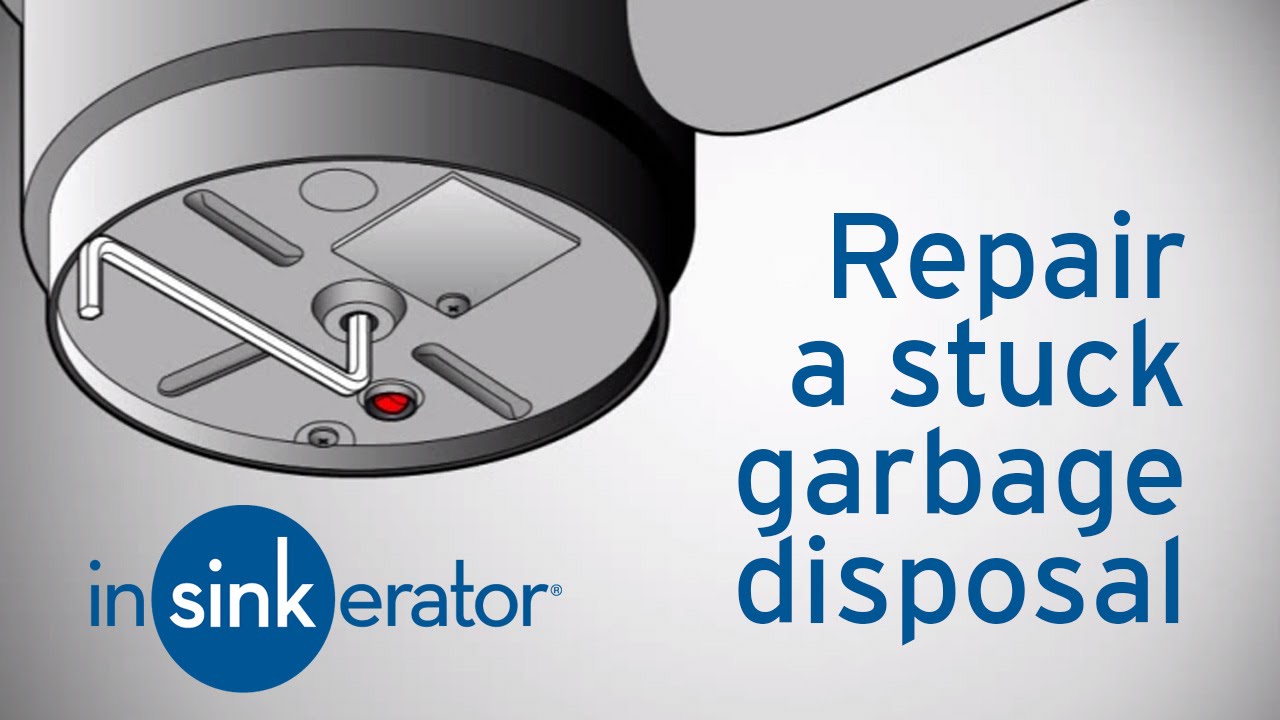
Some repairs need special tools. A hex wrench or Allen key fits the disposal’s reset hole. A plumber’s snake clears clogs deep inside pipes. A bucket catches water when disconnecting the unit. These tools help you fix problems quickly and safely.
Safety Precautions
Fixing a waste disposal unit needs careful attention to safety. Taking the right steps can stop accidents and damage. Always prepare well before starting the repair. Safety comes first to protect yourself and your home.
Disconnecting Power
Always turn off the power before touching the unit. Unplug it from the wall or switch off the breaker. This stops the disposal from turning on by mistake. Electricity and water do not mix. Never skip this step to avoid shocks.
Handling Sharp Parts
The blades inside the disposal are very sharp. Use tools, not your hands, to clear jams or remove parts. Wear thick gloves to protect your fingers. Be slow and careful to avoid cuts. Treat all parts as if they can hurt you.
Preventing Water Damage
Keep the area dry before working on the unit. Place towels or buckets nearby to catch leaks. Check pipes for cracks or loose fittings. Fix leaks quickly to stop water damage. Avoid slipping by cleaning spills right away.
Fixing Clogs And Jams
Clogs and jams often stop a waste disposal unit from working. These blockages cause bad smells and slow draining. Fixing these problems quickly saves water and prevents bigger issues.
Simple tools and steps can clear the blockage. Safety is important. Always unplug the unit before working on it. Use gloves to protect your hands from sharp parts.
Using A Plunger
A plunger can push blockages loose. Fill the sink with enough water to cover the plunger’s cup. Place the plunger over the drain opening. Push and pull quickly several times. The pressure helps move the clog down the pipes.
Try this step a few times. If water drains slowly, repeat until it flows freely. Avoid using too much force to protect the unit.
Manual Removal Of Debris
Some jams need manual clearing. Unplug the unit first to avoid accidents. Use a flashlight to look inside the disposal.
Remove any visible debris with tongs or pliers. Never put your hand inside. Turn the blades manually with a special wrench or a broomstick inserted into the bottom hole.
Rotate the blades back and forth to free stuck objects. Clear all debris before plugging the unit back in.
Resetting The Unit
The unit has a reset button to fix electrical issues. Locate the button on the bottom of the disposal. Press it firmly until you feel it click.
This resets the motor and can clear jams caused by overload. After resetting, test the unit by running cold water and turning it on. If it still does not work, more repairs may be needed.
Stopping Leaks
Stopping leaks in a waste disposal unit is important to keep your kitchen dry and clean. Leaks can cause water damage and bad smells. Fixing leaks early saves money and avoids bigger problems. Follow simple steps to find and stop the leaks.
Identifying Leak Sources
Look under the sink to find water spots or drips. Check the disposal unit’s body for cracks. Examine the pipes and hose connections nearby. Turn on the water and run the disposal to see where water flows out. Watch carefully for slow leaks or small drops.
Tightening Connections
Loose pipes and fittings often cause leaks. Use a wrench to tighten slip nuts on drain pipes. Tighten the hose clamp on the dishwasher or drain hose. Do not overtighten, or you may damage parts. Check again for leaks after tightening each connection.
Replacing Seals And Gaskets
Seals and gaskets wear out over time and can leak. Turn off power to the disposal unit. Remove the unit or parts to access the seals. Replace old seals with new ones from the hardware store. Fit them carefully to avoid gaps. Test the disposal with water to confirm no leaks remain.

Credit: support.insinkerator.com
Resolving Noise Issues
Noise from a waste disposal unit can be annoying and signal a problem. Fixing these sounds quickly helps keep your kitchen quiet and your unit working well. Small issues often cause noise and need simple fixes.
Checking For Loose Parts
Loose parts inside the disposal cause rattling sounds. Turn off the power before inspecting. Use a flashlight to look inside the unit. Tighten any screws or bolts you find loose. Secure parts stop noise and improve performance.
Clearing Foreign Objects
Objects like bones, utensils, or glass cause loud grinding noises. Switch off the disposal and unplug it for safety. Use tongs or pliers to remove stuck items. Never put your hand inside the disposal. Clearing debris stops noise and prevents damage.
Lubricating Components
Dry parts create squeaking or humming sounds. Apply a small amount of food-safe lubricant to moving parts. Avoid over-lubricating as it can attract dirt. Lubrication helps parts move smoothly and lowers noise levels.
Handling Power Failures
Power failures are a common issue with waste disposal units. They stop the unit from running and need quick fixing. Handling power failures safely helps avoid bigger problems. Check simple things first to save time and money. Follow these steps carefully.
Checking The Circuit Breaker
Start by looking at your home’s circuit breaker. Sometimes, the breaker trips and cuts power to the disposal. Find the breaker box and see if the switch for the kitchen or disposal is off. Flip it back on if needed. This often restores power immediately. If the breaker trips again, call an electrician.
Inspecting The Power Cord
Next, check the power cord of the disposal unit. Look for cuts, frays, or damage. A damaged cord can stop power flow and cause safety risks. If the cord looks bad, unplug the unit and replace the cord or get professional help. Avoid using a damaged cord to prevent shocks or fires.
Testing The Reset Button
Most disposals have a reset button on the bottom or side. Press this button to reset the motor after an overload. If the button is popped out, push it back in firmly. This can fix minor power issues quickly. If the button won’t stay in, the unit may need repair or replacement.
Maintenance Tips For Longevity
Keeping your waste disposal unit in good shape takes regular care. Simple steps can extend its life and keep it running smoothly. Follow these easy tips to avoid common problems and costly repairs. Proper maintenance saves time and money.
Regular Cleaning Routines
Clean your disposal unit often to prevent smells and clogs. Use cold water and dish soap to wash it daily. Grinding ice cubes helps remove stuck food and sharpens blades. Avoid using harsh chemicals as they can damage the unit.
Proper Usage Guidelines
Only put soft foods and small scraps into the disposal. Avoid hard items like bones, fruit pits, and coffee grounds. Do not pour grease or oil down the drain. Run plenty of cold water before, during, and after use to flush debris.
When To Call A Professional
Listen for strange noises or notice slow draining water. These signs show the disposal might need repair. Avoid trying to fix complex problems yourself. Contact a plumber if the unit jams often or leaks water.
Credit: support.insinkerator.com
Frequently Asked Questions
How Do I Reset My Waste Disposal Unit Safely?
Locate the reset button on the bottom or side of the unit. Press it firmly to reset the system. This often fixes minor jams and power issues.
What Causes A Waste Disposal Unit To Stop Working?
Common causes include jams, clogs, or electrical issues. Food debris or foreign objects often block the blades. Power failures can also stop the unit.
How Can I Unclog A Jammed Waste Disposal Unit?
Turn off the power before attempting to clear the jam. Use a hex wrench or pliers to rotate the blades manually. Avoid putting hands inside the unit.
How Do I Prevent Bad Odors From My Waste Disposal?
Run cold water while using the disposal to flush debris. Clean the unit regularly with baking soda and lemon. Avoid putting greasy or fibrous waste inside.
When Should I Call A Professional To Fix My Disposal?
Call a pro if the unit won’t reset or hums without spinning. Also, seek help if leaks or electrical problems occur. Complex repairs need expert tools and knowledge.
Conclusion
Fixing a waste disposal unit can save time and money. Start by unplugging the power for safety. Clear any jams with a wrench or pliers. Use cold water and avoid harsh chemicals. Regular cleaning keeps the unit running well. Small problems often have simple solutions.
Don’t ignore strange noises or leaks. Taking quick action prevents bigger damage. Following these tips helps maintain your kitchen appliance. You can keep your disposal working smoothly every day. Simple care makes a big difference.