
Have you ever wondered if an air purifier could really make a difference in your home? You might be asking yourself, “Are air purifiers worth it for homes?” The answer isn’t as simple as you might think.
Your indoor air quality affects your health, comfort, and even your sleep. But with so many options out there, how do you know if investing in an air purifier is right for you? You’ll discover the real benefits, possible downsides, and what to consider before bringing one into your living space.
Keep reading to find out if an air purifier could be the game-changer your home needs.
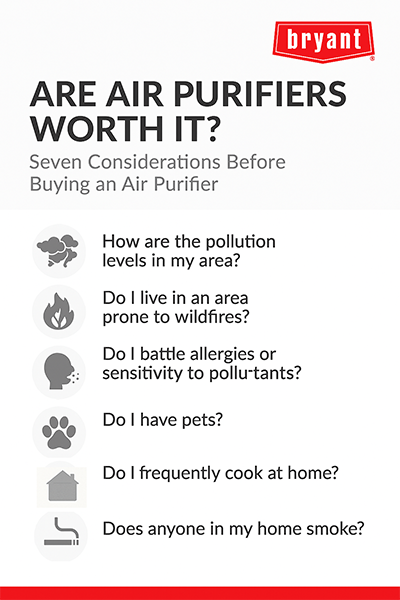
Credit: www.bryant.com
How Air Purifiers Work
Air purifiers clean the air inside your home by removing dust, allergens, and pollutants. They pull air through filters or other cleaning systems to trap harmful particles. This process helps improve indoor air quality and makes breathing easier.
Types Of Air Purifiers
There are several types of air purifiers available. HEPA filters capture tiny particles like pollen and pet dander. Activated carbon purifiers remove odors and gases. UV light purifiers kill germs and bacteria. Some models combine multiple technologies for better cleaning.
Filtration Technologies
HEPA filters are the most common and effective. They trap particles as small as 0.3 microns. Activated carbon filters absorb smells and chemicals. UV light uses ultraviolet rays to destroy microorganisms. Ionizers release charged ions that attach to particles, making them easier to capture or fall from the air.
Placement And Coverage
Place your air purifier in the main living area for best results. Avoid corners and blocked spots to allow good air flow. Check the coverage area to match your room size. A small unit may not clean large rooms well. Proper placement ensures cleaner air throughout your home.
Health Benefits At Home
Indoor air quality affects health every day. Clean air inside the home helps everyone breathe easier. Air purifiers remove dust, pollen, and tiny particles. These devices make the home environment healthier and safer.
Using an air purifier can lower the risk of allergies and breathing problems. It also cuts down germs in the air. Better air can improve how well people sleep too. These benefits show why air purifiers are worth considering for homes.
Allergy And Asthma Relief
Air purifiers capture pollen, dust mites, and pet dander. These are common triggers for allergies and asthma. Removing these particles reduces sneezing, coughing, and irritation. People with asthma may find it easier to breathe. Cleaner air means fewer allergy symptoms at home.
Reducing Airborne Germs
Air purifiers help lower viruses and bacteria in the air. This reduces the chance of catching colds and flu. Some purifiers use HEPA filters that trap tiny germs. Cleaner air means fewer illnesses spread at home. It creates a healthier space for family members.
Improving Sleep Quality
Air purifiers remove dust and allergens that can disturb sleep. Cleaner air can reduce snoring and breathing problems at night. People often sleep longer and feel more rested. Better sleep supports overall health and daily energy. A quiet, clean environment helps relaxation and rest.
Common Indoor Pollutants
Indoor air often contains tiny particles that can harm health. These common pollutants come from many sources. Understanding them helps decide if air purifiers are useful. Here are some typical indoor pollutants found in most homes.
Dust And Pet Dander
Dust is made of tiny dirt particles. It settles on floors, furniture, and fabrics. Pet dander comes from skin flakes of cats and dogs. Both can cause sneezing and itchy eyes. People with allergies or asthma feel worse around them.
Mold Spores And Bacteria
Mold grows in damp places like bathrooms or basements. Mold releases spores that float in the air. Breathing mold spores can cause coughing and irritation. Bacteria also live indoors and spread through the air. They can cause infections or make breathing harder.
Volatile Organic Compounds (vocs)
VOCs are gases from products like paint, cleaners, and furniture. These chemicals smell strong and can irritate eyes and throat. Long exposure to VOCs might cause headaches or dizziness. Ventilation alone may not remove all VOCs effectively.
:strip_icc()/bhg-product-levoit-core-300s-smart-true-hepa-air-purifier-hwortock-003-0d6b622aeabd410b8d1b28370df6ea6a.jpeg)
Credit: www.bhg.com
Choosing The Right Air Purifier
Choosing the right air purifier can make a big difference in your home’s air quality. It is not just about buying any purifier. You need one that fits your needs perfectly. This guide helps you pick the best air purifier by looking at key factors.
Room Size And Capacity
Check the size of the room where you want to use the purifier. Air purifiers have limits on how much air they can clean. A small purifier will not work well in a large room. Choose one with the right capacity for your space. This ensures cleaner air faster and better results.
Filter Types And Maintenance
Filters are the heart of air purifiers. HEPA filters remove tiny particles like dust and pollen. Some models also have carbon filters to reduce smells and gases. Know how often you need to change or clean filters. Easy maintenance saves time and keeps the purifier working well.
Noise Levels And Energy Use
Air purifiers run for many hours daily. Quiet operation is important, especially in bedrooms or offices. Check the noise levels before buying. Also, consider energy use. Low energy models save money on electricity bills and help the environment.
Cost Vs. Benefits
Deciding if air purifiers are worth the cost means weighing the price against the benefits. The cost involves more than just buying the device. It includes ongoing expenses and the potential health savings over time. Understanding these factors helps make a smart choice for your home.
Initial Investment
Air purifiers vary in price from budget to high-end models. Basic units cost less but may cover smaller areas. Advanced models come with features like HEPA filters and smart sensors. These cost more but offer better air cleaning. Consider the size of your space and your needs before buying.
Ongoing Expenses
Filters need regular replacement to keep purifiers effective. Filter costs add up over time and differ by brand and type. Electricity use also adds to monthly bills, depending on the model’s power. Maintenance, such as cleaning, is minimal but necessary. Budgeting for these costs ensures no surprises later.
Long-term Health Savings
Cleaner air can reduce allergy and asthma symptoms. This may lower doctor visits and medicine costs. Better air quality helps improve sleep and overall well-being. Avoiding pollutants can protect lung health over many years. These health benefits can save money and improve life quality.

Credit: vitalrecord.tamu.edu
Limitations Of Air Purifiers
Air purifiers help improve indoor air quality but have clear limits. Understanding these limits helps set the right expectations. It also guides how to use them well.
Air purifiers cannot do everything. They work best as part of a wider effort to keep your home air clean.
What They Can’t Remove
Air purifiers do not remove gases like carbon monoxide or radon. They also struggle with strong odors from cooking or pets. Some particles are too small for filters to catch. Mold spores on surfaces or dirt on floors stay unaffected. Air purifiers only clean the air, not other parts of your home.
Proper Usage Tips
Place air purifiers in rooms you use most. Keep doors and windows closed for best results. Change filters as the manufacturer says to keep the purifier working well. Avoid blocking air vents or placing the unit near walls. Run the purifier for several hours daily to make a difference.
Complementary Air Quality Practices
Clean your home regularly to reduce dust and pet hair. Use exhaust fans while cooking to clear smoke and smells. Avoid smoking indoors to stop harmful particles. Ventilate your home often by opening windows. Use a dehumidifier in damp areas to prevent mold growth.
Frequently Asked Questions
What Benefits Do Air Purifiers Offer For Home Air Quality?
Air purifiers remove dust, pollen, and smoke from indoor air. They help reduce allergies and improve breathing comfort. Cleaner air means a healthier home environment.
How Effective Are Air Purifiers Against Pet Dander And Odors?
Air purifiers with HEPA filters capture pet dander well. Activated carbon filters help reduce pet smells. They make homes with pets fresher and cleaner.
Can Air Purifiers Help Reduce Asthma And Allergy Symptoms?
Yes, air purifiers trap allergens that trigger asthma and allergies. They lower airborne irritants and improve air quality. This can ease breathing and reduce symptoms.
How Often Should Air Purifier Filters Be Replaced?
Filters usually need changing every 3 to 6 months. Check the manufacturer’s guide for exact timing. Regular filter changes keep the purifier working well.
Do Air Purifiers Remove Viruses And Bacteria From The Air?
Many air purifiers capture some viruses and bacteria. Models with UV light or HEPA filters work best. They help reduce germs but do not replace cleaning.
Conclusion
Air purifiers can help improve indoor air quality. They reduce dust, pollen, and odors effectively. Many people with allergies or pets find relief. Keep in mind, they work best with regular cleaning. Air purifiers are not a cure-all but a helpful tool.
Choose one that fits your room size and needs. Clean air contributes to better health and comfort. Small steps like this can make a big difference. Consider your home’s air quality before deciding. Your health deserves clean and fresh air every day.