
Are dust mites making your home feel uncomfortable or triggering allergies? You might be wondering if an air purifier can actually help reduce these tiny, invisible pests.
Dust mites are hard to see but can cause big problems for your health and comfort. You’ll discover how air purifiers work against dust mites and whether they are the right solution for your home. Keep reading to find out how you can breathe easier and create a cleaner, healthier space.
What Are Dust Mites
Dust mites are tiny creatures too small to see with the naked eye. They belong to the same family as spiders and ticks. These microscopic bugs live in homes and feed on dead skin cells from humans and pets. Dust mites do not bite or sting, but their presence can cause health problems for many people.
Common Habitats
Dust mites like warm and humid places. They live in bedding, pillows, and mattresses where skin flakes collect. Soft furniture, carpets, and curtains also provide a cozy home. These mites thrive in places that stay damp and warm. Dust mites multiply quickly if conditions stay right.
Health Effects
Dust mites can cause allergies and asthma symptoms. Their waste and body parts can trigger sneezing, runny nose, and itchy eyes. Some people may experience coughing and wheezing. Long exposure may make breathing harder. Keeping dust mites under control helps reduce these health problems.
How Air Purifiers Work
Air purifiers clean the air by removing tiny particles. These devices pull air inside and pass it through filters. The filters catch dust, dust mites, and other allergens. Clean air then flows back into the room. This process helps reduce allergy symptoms and improves breathing.
Types Of Filters
HEPA filters are the most common and effective. They trap 99.97% of particles as small as 0.3 microns. Dust mites and their waste are caught by these filters.
Activated carbon filters absorb odors and gases but do not trap dust mites well. Some air purifiers combine HEPA and carbon filters for better results.
Pre-filters catch larger particles like pet hair. These help protect the main filters and extend their life.
Effectiveness Against Allergens
Air purifiers can lower dust mite allergens in the air. They do not kill dust mites but reduce their airborne particles.
Using an air purifier alongside cleaning and controlling humidity improves allergy relief. Dust mites thrive in humid environments, so controlling moisture helps.
Regular filter changes keep air purifiers working well. A clean filter catches more allergens and dust mites.
Air Purifiers And Dust Mites
Air purifiers are common tools for cleaner air at home. They help reduce dust, pollen, and pet dander in the air. Dust mites are tiny bugs that live in dust and cause allergies. Understanding how air purifiers interact with dust mites can help manage allergy symptoms better.
Removing Airborne Mites
Air purifiers use filters to trap particles in the air. HEPA filters can catch particles as small as 0.3 microns. Dust mites themselves are larger than this, but they rarely float in the air. Usually, dust mites hide in bedding, carpets, and furniture. Air purifiers mainly remove dust mite waste and dead mites floating in the air. This can reduce allergy triggers but does not remove mites from surfaces.
Limitations On Dust Mite Control
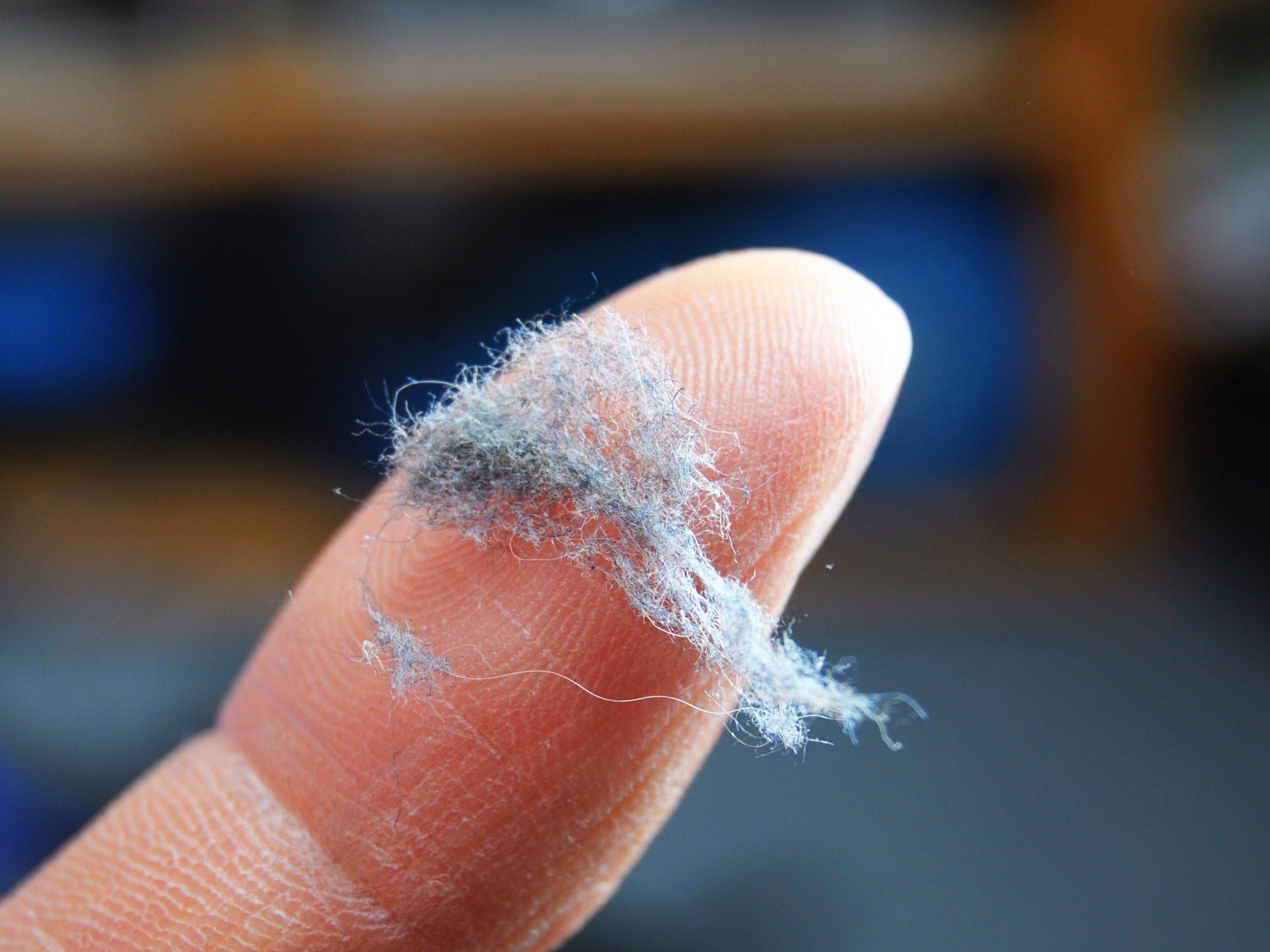
Air purifiers cannot reach dust mites hidden in fabrics or carpets. Mites cling tightly to soft materials and do not stay airborne. Cleaning bedding and vacuuming with a HEPA filter vacuum helps reduce dust mites. Washing sheets in hot water also kills dust mites. Using an air purifier alone will not eliminate dust mites. It works best as part of a larger cleaning routine.
Credit: molekule.com
Additional Allergy Relief Tips
Air purifiers can reduce dust mites, but other steps help a lot. Dust mites hide in many places. Some simple changes make your home less friendly to them. These tips improve allergy relief and keep your air cleaner.
Small habits protect your health. Clean spaces stop dust mites from growing. Control humidity to keep dust mites away. Choose bedding and fabrics that do not trap dust.
Cleaning And Maintenance
Dust mites thrive in dirty areas. Clean floors, carpets, and furniture often. Use a vacuum with a HEPA filter. Wipe surfaces with a damp cloth to remove dust.
Wash curtains and rugs regularly in hot water. Clean air purifier filters as the manual says. Regular cleaning lowers dust mite numbers.
Humidity Control
Dust mites need moisture to survive. Keep indoor humidity below 50%. Use a dehumidifier or air conditioner to control moisture.
Fix leaks and dry wet areas fast. Good airflow helps lower humidity. Dry clothes outside or use a dryer to avoid dampness inside.
Bedding And Fabric Choices
Dust mites love soft, thick fabrics. Use allergy-proof covers on mattresses and pillows. Wash bedding weekly in hot water over 130°F (54°C).
Choose washable curtains and rugs. Avoid heavy drapes and stuffed toys in bedrooms. These steps reduce dust mite hiding places.
Choosing The Right Air Purifier
Choosing the right air purifier can help reduce dust mites in your home. Not all purifiers work the same. Some capture tiny particles better than others. Knowing what to check helps you pick the best one for dust mite control.
Key Features To Look For
Choose an air purifier with a true HEPA filter. HEPA filters trap tiny dust mite particles effectively. Look for a purifier with a high Clean Air Delivery Rate (CADR). This means it cleans air faster and better. A purifier with multiple fan speeds gives control over air flow. Some models also have UV light to kill germs. Check if the purifier covers your room size well.
Maintenance And Costs
Air purifiers need regular filter changes. Check how often the filter needs replacing. Filter costs can add up over time. Choose a model with affordable and easy-to-find filters. Some purifiers have washable filters to save money. Keep the purifier clean to keep it working well. Consider electricity use and noise level too.

Credit: smartairfilters.com

Credit: medifyair.com
Frequently Asked Questions
Do Air Purifiers Reduce Dust Mites In Homes?
Air purifiers can help reduce dust mite allergens in the air. They capture tiny particles that dust mites produce. But they do not kill dust mites on surfaces.
Which Air Purifier Filters Are Best For Dust Mites?
HEPA filters are the best choice to trap dust mite allergens. They capture very small particles that cause allergies. Regular filter changes keep the purifier working well.
Can Air Purifiers Stop Dust Mite Allergies Completely?
Air purifiers reduce allergens but do not stop allergies fully. Dust mites live in bedding and carpets too. Cleaning and washing fabrics help reduce dust mite presence.
How Often Should I Run An Air Purifier For Dust Mites?
Running an air purifier all day helps reduce allergens steadily. Use it especially in bedrooms and living areas. Consistent use gives better air quality and less dust mite impact.
Do Air Purifiers Work Better With Other Dust Mite Controls?
Yes, combining air purifiers with cleaning reduces dust mites more. Wash bedding weekly in hot water and vacuum often. This approach lowers dust mite allergens effectively.
Conclusion
Air purifiers can reduce dust mites in your home. They trap tiny particles that dust mites live on. This helps lower allergy symptoms and breathing problems. Still, cleaning and reducing humidity also matter a lot. Dust mites thrive in warm, moist places.
Using an air purifier with other steps works best. It keeps your air cleaner and your home healthier. Small changes make a big difference over time. Choose a purifier with a HEPA filter for best results. Keep your space fresh and comfortable every day.