
Are you curious about how air purifiers really clean the air you breathe? If you want to improve your home’s air quality and protect your health, understanding HEPA filtration is key.
This powerful technology can trap tiny particles that other filters miss, making a big difference in your environment. Keep reading to discover what HEPA filtration is, how it works, and why it might be the secret weapon your air purifier needs to keep your space fresh and safe.
Hepa Filter Basics
Understanding HEPA filter basics helps you see why these filters are popular in air purifiers. They clean air by trapping tiny particles that can harm your health. HEPA filters are key for improving indoor air quality. They remove dust, pollen, smoke, and even some bacteria and viruses. Knowing how they work makes choosing an air purifier easier.
What Hepa Stands For
HEPA means High Efficiency Particulate Air. This term describes filters that capture very small particles. To be called HEPA, a filter must trap at least 99.97% of particles as small as 0.3 microns. That size is smaller than most dust and pollen particles. HEPA filters are tested to meet strict standards. This ensures they work well in cleaning the air.
How Hepa Filters Work
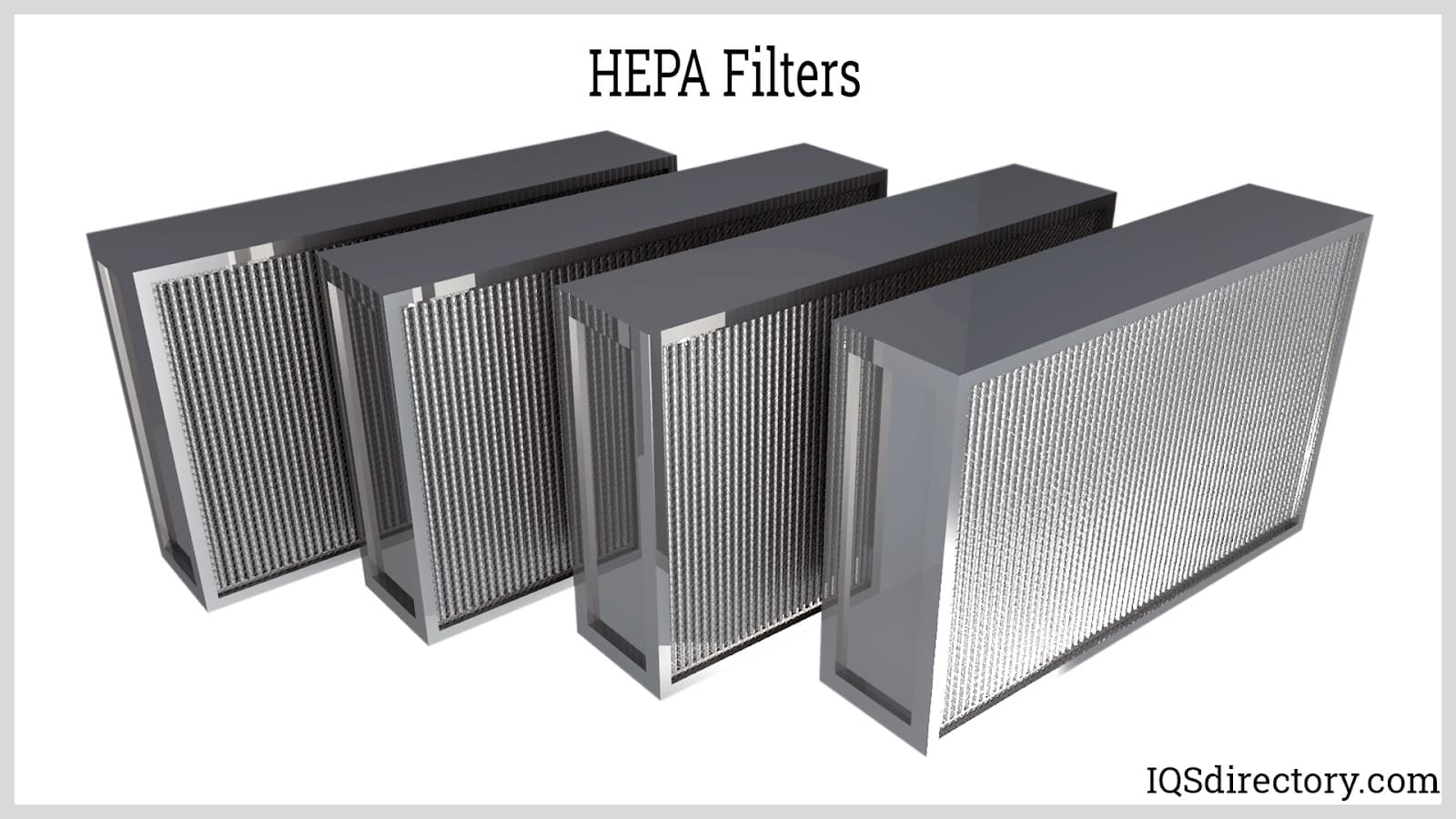
HEPA filters have a dense mat of fibers. Air passes through this mat, but particles get stuck. They use three main methods to trap particles. First, large particles hit the fibers and stop. Second, medium particles stick to fibers as they flow by. Third, very small particles move randomly and collide with fibers. This combination traps almost all harmful particles in the air.
Credit: www.iqsdirectory.com
Types Of Hepa Filters
HEPA filters come in different types. Each type varies in how well it cleans air. Knowing these types helps you choose the right air purifier. This section explains the main types and their efficiency.
True Hepa Vs. Hepa-type
True HEPA filters capture 99.97% of particles as small as 0.3 microns. They remove dust, pollen, smoke, and pet dander effectively. HEPA-Type filters look similar but are less strict in performance. They capture fewer particles and allow more dust to pass. True HEPA filters meet strict standards. HEPA-Type filters do not. For better air quality, True HEPA is the safer choice.
Efficiency Ratings
HEPA filters have different efficiency levels. True HEPA filters must meet a 99.97% capture rate. Some filters exceed this, reaching 99.99%. Efficiency ratings help compare filter quality. Higher efficiency means cleaner air but may reduce airflow. Choose a filter that balances cleaning and airflow for your needs. Understanding these ratings ensures you get the best filter for your space.
Benefits Of Hepa Filtration
HEPA filtration offers many benefits for cleaner indoor air. It captures tiny particles that other filters miss. This helps protect your health and keeps your space fresh. Using a HEPA filter in air purifiers can make a big difference in your home or office.
Understanding these benefits shows why HEPA filters are so popular. They improve air quality and reduce risks from allergens and pollutants. The result is a safer and more comfortable environment.
Removing Allergens And Pollutants
HEPA filters trap dust, pollen, pet dander, and mold spores. These are common allergens that cause sneezing and irritation. The filter also captures smoke particles and pollution from outside air. This reduces allergy symptoms and breathing problems. People with asthma or sensitive lungs find relief with HEPA filtration.
Improving Indoor Air Quality
HEPA filtration removes tiny particles as small as 0.3 microns. It cleans the air of invisible pollutants that affect health. Cleaner air means fewer irritations to eyes, nose, and throat. It helps create a fresh and healthy indoor space. This is important for everyone, especially children and the elderly.

Credit: cloroxhomeappliances.com
Hepa Filters In Air Purifiers
HEPA filters are a key part of many air purifiers. They help clean the air by trapping tiny particles like dust, pollen, and pet dander. These filters improve indoor air quality, making it easier to breathe. People with allergies or asthma often use air purifiers with HEPA filters to reduce irritants in the air.
HEPA stands for High Efficiency Particulate Air. These filters must capture at least 99.97% of particles as small as 0.3 microns. This level of filtration removes many harmful substances, including smoke and bacteria. HEPA filters work by forcing air through a fine mesh that traps particles.
Common Features
HEPA filters are made from layers of fine fibers. They catch particles through interception, impaction, and diffusion. Most HEPA filters need regular replacement to stay effective. Some air purifiers include pre-filters to catch larger particles first. This helps the HEPA filter last longer.
Many HEPA filters also reduce odors and gases with activated carbon layers. This combination improves overall air quality. HEPA filters do not remove viruses completely but reduce airborne droplets. Cleaning and maintenance are simple, often involving filter changes every 6 to 12 months.
Choosing The Right Air Purifier
Pick an air purifier with a true HEPA filter for best results. Check the room size the purifier can handle. A small purifier will not clean large rooms effectively. Look for models with easy filter replacement and clear instructions.
Consider noise levels and energy use, especially for bedrooms. Some purifiers have smart sensors that adjust fan speed automatically. This feature saves energy and keeps air fresh without loud noise. Always buy from trusted brands with good reviews for reliability.
Maintenance And Replacement
Maintaining and replacing HEPA filters in air purifiers is key for clean air. Proper care keeps the purifier working well. It also helps remove dust, pollen, and other particles effectively.
Regular attention to the filter ensures longer life for your device. Ignoring maintenance can cause poor air quality and higher energy use. Knowing when to replace and how to care for filters saves money and effort.
When To Replace Hepa Filters
HEPA filters usually last 6 to 12 months. Some models have indicators that signal replacement time. Check the user manual for specific advice. If the air purifier smells bad or works less well, change the filter. A clogged filter blocks airflow and reduces cleaning power.
Tips For Filter Care
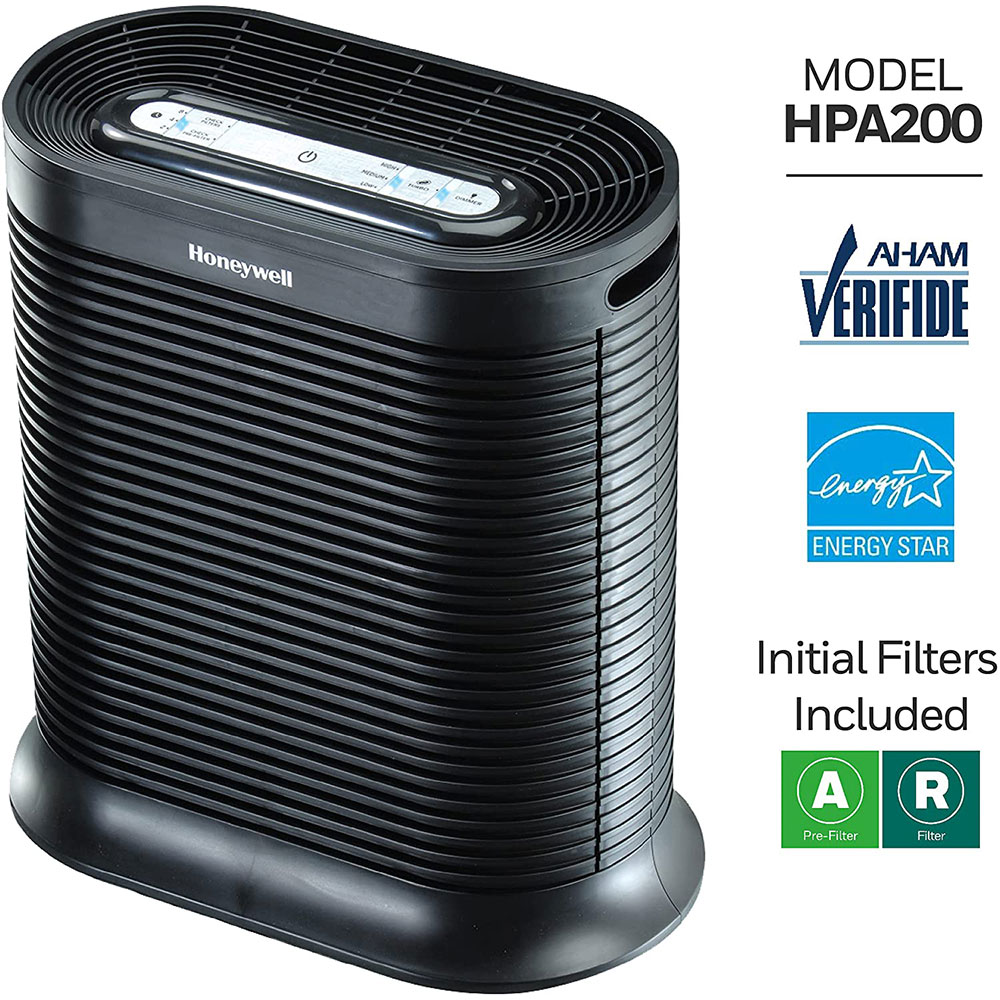
Do not wash HEPA filters with water unless the manual says so. Dust the outside gently with a soft brush or vacuum on low. Keep the air purifier in a dry place to avoid mold. Avoid touching the filter with dirty hands. Regularly clean the pre-filter if your model has one. This step reduces the load on the HEPA filter.
Credit: www.honeywellstore.com
Limitations Of Hepa Filters
HEPA filters are very good at cleaning air, but they have limits. They cannot catch every tiny particle. Knowing these limits helps you choose the right air purifier.
Particles Hepa Can’t Capture
HEPA filters trap dust, pollen, and pet dander well. They catch particles as small as 0.3 microns. But they miss smaller particles like some viruses and gases. HEPA filters do not remove odors or chemical fumes. Smoke particles can sometimes pass through too.
Complementary Technologies
Other technologies help cover HEPA’s gaps. Activated carbon filters absorb odors and harmful gases. UV light kills bacteria and viruses. Ionizers make particles stick to surfaces for easier cleaning. Using these with HEPA filters improves air quality.
Hepa Filtration And Health
HEPA filtration plays a key role in improving indoor air quality. It captures tiny particles that ordinary filters miss. This helps protect health by reducing harmful substances in the air. Clean air supports overall well-being and reduces risks of illness.
Impact On Allergy And Asthma
HEPA filters trap pollen, dust mites, and pet dander. These are common triggers for allergies and asthma. Removing these particles lowers the chance of allergic reactions. People with asthma may experience fewer attacks. Cleaner air means easier breathing and less irritation.
Supporting Respiratory Health
Breathing clean air helps keep lungs healthy. HEPA filtration removes smoke, bacteria, and viruses from the air. This reduces the chance of respiratory infections. It also helps people with chronic lung conditions breathe better. Good air quality supports strong lungs and overall health.
Frequently Asked Questions
What Does Hepa Filtration Mean In Air Purifiers?
HEPA filtration means High-Efficiency Particulate Air filters trap tiny particles. They remove dust, pollen, and some bacteria from the air. This helps improve indoor air quality.
How Effective Is Hepa Filtration For Allergens?
HEPA filters remove at least 99. 97% of particles 0. 3 microns or larger. This includes common allergens like pet dander and pollen. They help reduce allergy symptoms by cleaning the air.
Can Hepa Filters Capture Viruses And Bacteria?
HEPA filters can trap many bacteria and some virus particles. They do not kill germs but stop them from spreading in the air. This makes the air cleaner and safer.
How Often Should I Change A Hepa Filter?
HEPA filters usually need replacement every 6 to 12 months. This depends on use and air quality where you live. Regular changes keep the purifier working well.
Are Hepa Air Purifiers Noisy During Operation?
Most HEPA air purifiers run quietly, especially on low settings. Noise levels vary by model and fan speed. You can find quiet options suitable for bedrooms.
Conclusion
HEPA filtration traps tiny particles and cleans the air effectively. It helps reduce dust, pollen, and allergens indoors. This makes breathing easier and rooms fresher. Air purifiers with HEPA filters work well for allergy sufferers and families. They keep harmful particles away from your lungs.
Choosing a purifier with HEPA filtration improves your home’s air quality. Clean air supports better health and comfort every day. Simple, effective, and reliable—HEPA filters protect your indoor environment.