
Have you ever finished cooking and found your kitchen still filled with stubborn smells? Those lingering odors can be annoying and hard to get rid of.
You might be wondering if an air purifier can actually help clear the air after cooking. If you want to enjoy fresh, clean air in your home without the constant battle against cooking smells, this article is for you. Keep reading to discover how air purifiers work and whether they can be the solution to your kitchen odor problems.
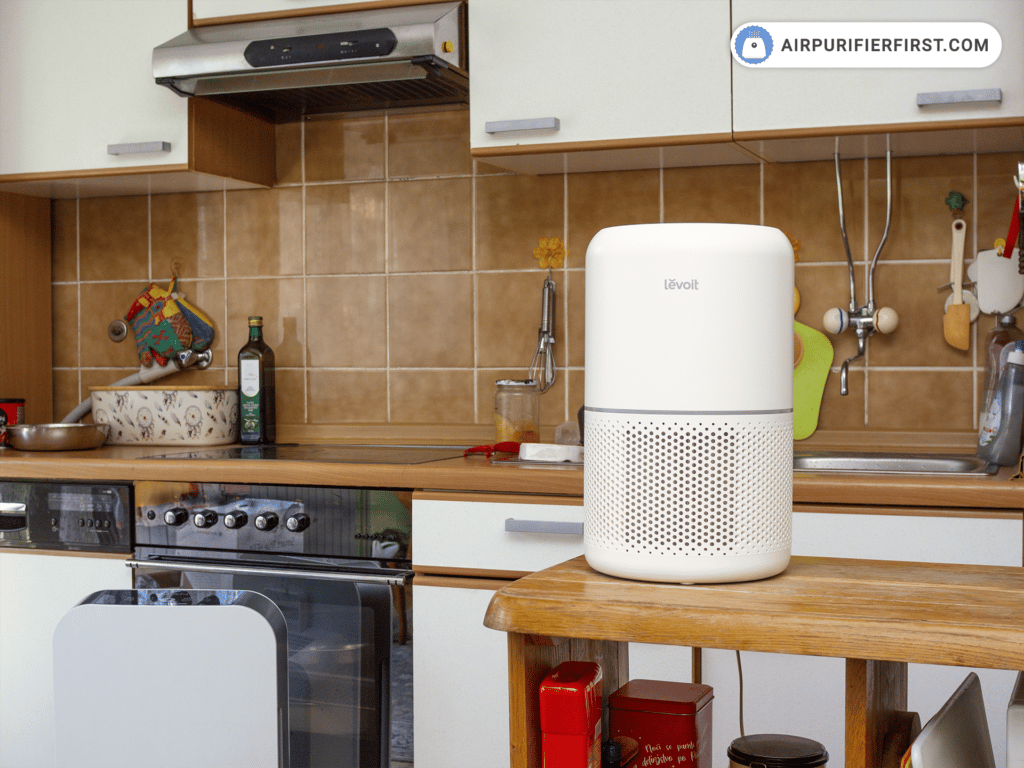
Credit: www.airpurifierfirst.com
Sources Of Cooking Odors
Cooking odors come from many sources in the kitchen. These smells can be strong and hard to remove. Understanding where they come from helps to control them better. The smells often come from the ingredients, cooking methods, and leftover residues. Some odors are pleasant, but others can be unpleasant and linger for hours or days.
Knowing the sources of cooking smells can help you decide if an air purifier will help. It also helps to keep the kitchen fresh and clean.
Common Kitchen Smells
Frying foods like onions, garlic, and spices produce strong smells. Grilling or roasting meats adds smoky odors. Boiling vegetables or soups often creates a mix of smells. Baking bread or cakes gives a sweet, warm scent. Each cooking style makes different smells that can spread quickly.
Why Cooking Odors Linger
Cooking smells stick to walls, fabrics, and furniture. Steam carries tiny particles that settle on surfaces. Poor ventilation keeps the odors trapped inside. Some smells come from oil smoke, which is hard to remove. The longer the cooking, the stronger the smell stays.
How Air Purifiers Work
Air purifiers clean the air by removing particles and odors. They pull air into the device and pass it through filters. These filters trap dust, smoke, and cooking smells. The cleaned air then flows back into the room. This process helps reduce unwanted smells and improves air quality. Understanding how air purifiers work helps you choose the right one for your kitchen.
Types Of Air Purifiers
There are several types of air purifiers. The most common are HEPA, activated carbon, and ionizers. HEPA purifiers trap tiny particles like dust and pollen. Activated carbon purifiers absorb odors and gases. Ionizers release charged ions that stick to particles, making them fall out of the air. Some air purifiers combine these types for better cleaning. Each type targets different pollutants in your home.
Filtration Technologies
Filtration technology is key to an air purifier’s power. HEPA filters capture 99.97% of particles as small as 0.3 microns. This includes fine dust and smoke from cooking. Activated carbon filters use porous carbon to trap odors and volatile organic compounds (VOCs). These VOCs cause strong cooking smells. Some purifiers include pre-filters to catch larger particles first. Together, these layers clean the air efficiently and reduce cooking odors.
Effectiveness Against Cooking Smells
Cooking smells can linger in the air for hours. These odors come from smoke, grease, and food particles. Air purifiers work to reduce these smells and improve indoor air quality. Their effectiveness depends on the type of purifier and the filters used. Understanding how they tackle cooking smells helps you choose the right one for your kitchen.
Removing Smoke And Grease Particles
Smoke and grease are common in cooking smells. Air purifiers use HEPA filters to catch tiny smoke particles. These filters trap particles as small as 0.3 microns. Grease particles are heavier and can stick to surfaces. Some purifiers have activated carbon or pre-filters to trap grease. This stops particles from floating in the air and causing odors.
Eliminating Odor Molecules
Odor molecules from food can be stubborn. Activated carbon filters work by absorbing these molecules. The porous surface captures odors and reduces smell quickly. Some purifiers use additional technology like ionizers or UV light. These help break down odor molecules further. The result is fresher air and fewer cooking smells in your home.
Choosing The Right Air Purifier
Choosing the right air purifier for your kitchen is important. Cooking smells can be strong and hard to remove. A good air purifier helps clean the air quickly and keeps your kitchen fresh. Focus on key features that suit kitchen use. This guide explains what to check before buying.
Room Size And Coverage
Check the room size where you want to use the purifier. Each purifier has a coverage area. Choose one that matches or is larger than your kitchen size. A small purifier in a big kitchen will not work well. It will take too long to clean the air.
Filter Types For Kitchen Use
Pick air purifiers with filters that remove odors and particles. HEPA filters catch tiny dust and smoke particles. Activated carbon filters absorb cooking smells and gases. A purifier with both filters works best in kitchens. It clears smoke, grease, and strong food odors effectively.
Noise And Maintenance
Noise level matters, especially in open kitchens. Choose a purifier with quiet operation. It should not disturb your cooking or conversations. Check how often you need to change filters. Easy maintenance saves time and cost. Regular cleaning keeps the purifier working well and lasting longer.
Additional Ways To Reduce Cooking Odors
Cooking smells can linger in your home for hours or even days. Using an air purifier helps, but there are other ways to reduce these odors. These methods work well alongside air purifiers to keep your kitchen fresh and clean.
Ventilation Tips
Open windows to let fresh air in and cooking smells out. Turn on exhaust fans or range hoods while cooking. Use a portable fan to push odors outside. Good airflow helps remove strong smells quickly.
Natural Odor Absorbers
Place bowls of baking soda around the kitchen to absorb odors. White vinegar in a bowl can neutralize smells too. Coffee grounds also help soak up unwanted scents. These natural options are safe and easy to use.
Regular Kitchen Cleaning
Wipe down surfaces after cooking to remove grease and food particles. Clean your stove and oven regularly to prevent buildup. Take out the trash often to avoid bad smells. Keeping your kitchen clean stops odors from sticking around.
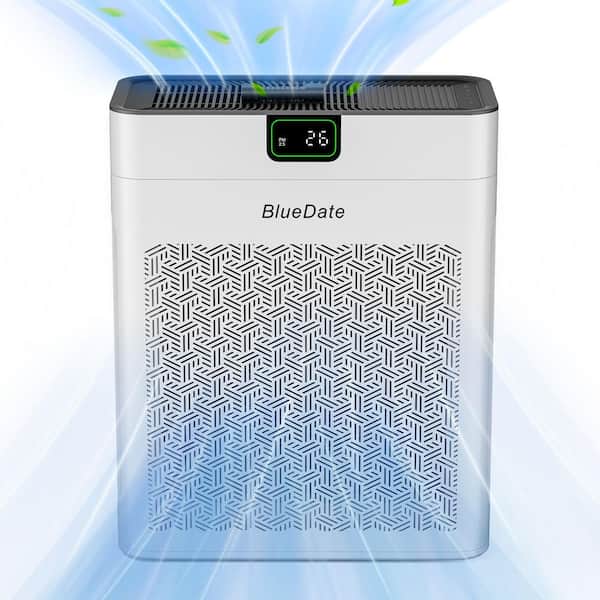
Credit: www.homedepot.com
Common Misconceptions
Many people believe air purifiers can fully remove cooking smells. This idea is common but not always true. Understanding what air purifiers can and cannot do helps manage expectations. Let’s clear up some common misconceptions about air purifiers and cooking odors.
Air Purifiers Vs Exhaust Fans
Air purifiers clean the air by trapping particles and some odors. They do not remove smoke or strong cooking smells entirely. Exhaust fans work differently. They push air outside your kitchen. This removes odors and smoke faster. Air purifiers recycle indoor air. Exhaust fans bring fresh air from outside. For strong cooking smells, exhaust fans are often more effective.
Limitations Of Air Purifiers
Air purifiers cannot remove all cooking smells. Some odors are too strong for filters. They are better at capturing dust, pollen, and smoke particles. Air purifiers need time to reduce smells. They work best in small, closed rooms. Open windows or constant cooking can reduce their effect. Filters also need regular cleaning or replacement. Without this, air purifiers lose power to clean air well.
Popular Air Purifier Models For Kitchens
Choosing the right air purifier for your kitchen helps remove cooking smells quickly. Many models focus on filtering smoke, grease, and strong odors from food. Some purifiers are specially designed to work well in kitchens. These units often have filters that trap tiny particles and neutralize bad smells.
Here are popular air purifier models that suit kitchens. These options vary by price and features. You can find a purifier that fits your budget and needs.
Top Rated Options
High-quality air purifiers often use HEPA and activated carbon filters. These filters capture fine particles and reduce odors effectively. Models like Coway AP-1512HH and Levoit Core 300 are well-known. They clean air fast and work quietly. These units fit medium to large kitchens. They also have easy-to-use controls and filter change alerts.
Some top models include extra features like air quality sensors. These sensors adjust purification automatically. Such purifiers keep your kitchen air fresh all day. They are built to handle strong cooking smells and smoke.
Budget-friendly Choices
Smaller air purifiers can still help with cooking smells. Models like GermGuardian AC4100 and PARTU HEPA offer good value. They have basic HEPA filters and carbon layers. These units suit small kitchens or apartments. They use less power and are easy to move around.
Budget models often have fewer features but still reduce odors. Regular filter changes keep them working well. These purifiers are a good start for cleaner kitchen air without high costs.

Credit: www.airpurifierfirst.com
Frequently Asked Questions
Do Air Purifiers Remove Cooking Odors Effectively?
Air purifiers can reduce cooking odors by filtering out smoke and particles. They help freshen the air but may not remove strong smells completely.
Which Type Of Air Purifier Works Best For Cooking Smells?
HEPA filters combined with activated carbon work best to trap smoke and odors. Carbon filters absorb smells, while HEPA removes tiny particles.
Can Air Purifiers Eliminate Grease And Smoke From Cooking?
Air purifiers reduce smoke and grease particles in the air but don’t clean surfaces. Regular cleaning is still needed to remove grease buildup.
How Long Should I Run An Air Purifier After Cooking?
Run the purifier for 30 to 60 minutes after cooking to clear odors. Longer use helps remove lingering smells and freshen the kitchen air.
Do Air Purifiers Help With All Types Of Cooking Smells?
Air purifiers work better on smoky or greasy smells than strong spices. Some strong food odors may take longer to fade or need extra ventilation.
Conclusion
Air purifiers can reduce cooking smells in your home. They trap smoke, grease, and odors from the air. This helps keep your kitchen and rooms fresh. Still, good ventilation is important to clear strong smells fast. Clean your purifier filters often for best results.
Choose a purifier with activated carbon for better odor control. Using an air purifier makes cooking smells less annoying. It creates a more comfortable space for you and your family. Simple steps like these improve your indoor air quality daily.