
Are you trying to decide between a boiler and a furnace for your home heating? Choosing the right system can feel confusing, but it doesn’t have to be.
Understanding how each one works and what fits your needs will save you money and keep your home comfortable all winter long. You’ll discover the key differences, benefits, and drawbacks of boilers and furnaces—so you can make the best choice for your space and your budget.
Keep reading, and by the end, you’ll know exactly which heating system is right for you.
How Boilers Work
Boilers play a key role in many heating systems. They heat water to provide warmth in homes and buildings. Understanding how boilers work helps you choose the right heating solution. This section explains the basic operation, types, and common fuel sources of boilers.
Basic Operation
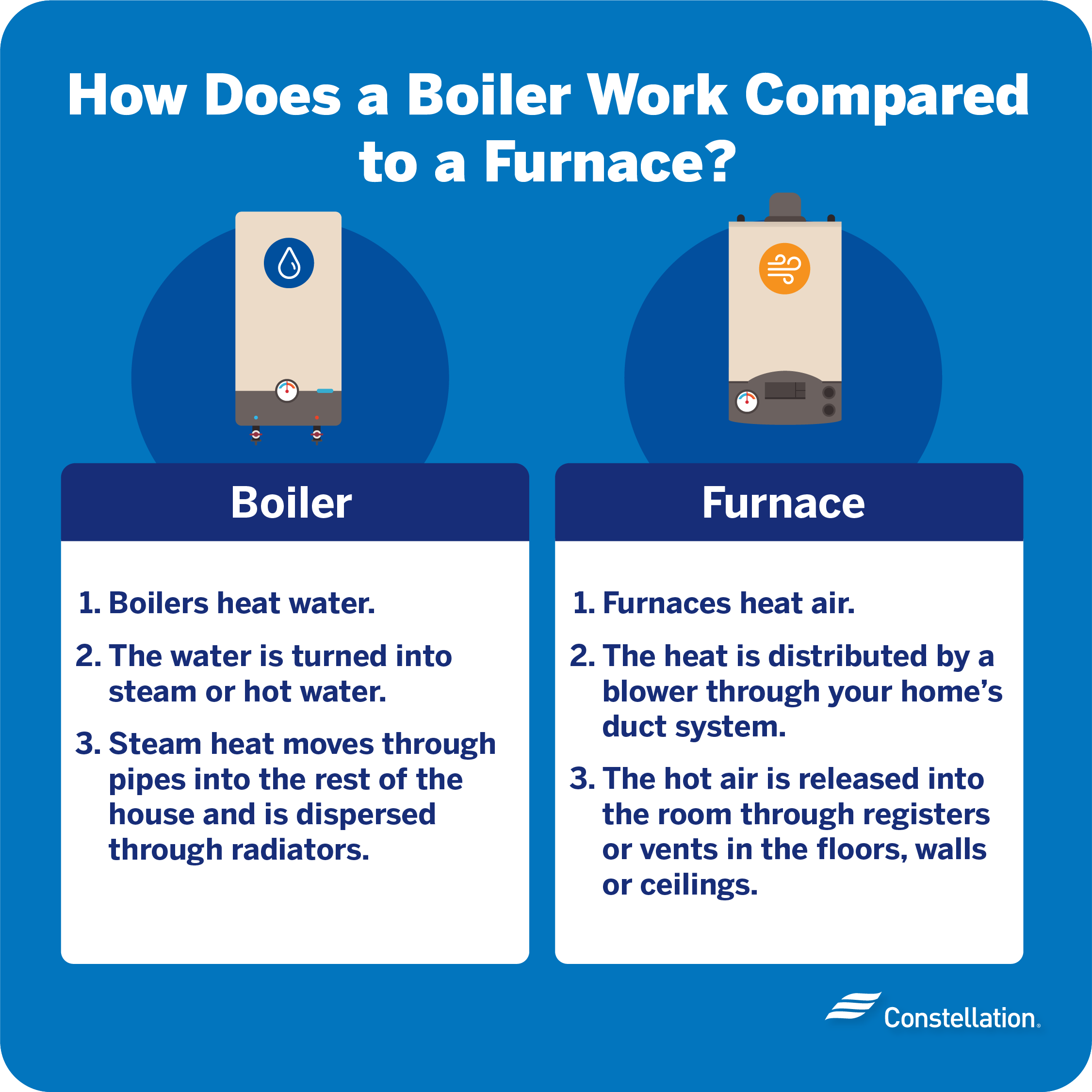
A boiler heats water by burning fuel or using electricity. The heated water turns into steam or hot water. This steam or hot water moves through pipes to radiators or underfloor heating. It releases heat into the rooms. After cooling, the water returns to the boiler to heat again. This cycle repeats to keep your space warm.
Types Of Boilers
There are several types of boilers. The most common are steam boilers and hot water boilers. Steam boilers create steam to heat spaces. Hot water boilers heat water without turning it into steam. Other types include combi boilers that provide both heating and hot water on demand. Each type fits different heating needs and home sizes.
Common Fuel Sources
Boilers run on various fuel sources. Natural gas is the most popular and affordable fuel. Some boilers use oil, especially in rural areas. Electric boilers use electricity to heat water but may cost more to run. Biomass boilers burn wood pellets or chips, a renewable energy choice. Choosing the right fuel depends on availability and cost.

Credit: www.hvac.com
How Furnaces Work
Furnaces are common heating systems in many homes. They warm the air and push it through your house. Understanding how furnaces work helps you choose the right system. It also helps with maintenance and repairs.
Basic Operation
A furnace heats air using a burner or electric element. A blower then pushes warm air through ducts. This air travels to rooms via vents. Cold air returns to the furnace to be heated again. This cycle repeats to keep your home warm.
Types Of Furnaces
There are several furnace types based on how they heat air. Gas furnaces use natural gas or propane to create heat. Electric furnaces heat air using electric coils. Oil furnaces burn oil to produce heat. Each type has different efficiency and costs.
Common Fuel Sources
Gas is the most common fuel for furnaces. It burns clean and heats quickly. Electricity is popular in areas without gas lines. Oil is used in rural places without gas or electric heat. Some furnaces can also use propane as fuel.
Energy Efficiency Comparison
Energy efficiency plays a key role when choosing between a boiler and a furnace. Both systems heat homes but use energy differently. Understanding their efficiency helps save money and reduce waste. This section breaks down how boilers and furnaces compare in energy use.
Efficiency Ratings
Boilers often have efficiency ratings between 80% and 95%. This means they convert most fuel into heat. Furnaces typically range from 78% to 98% efficiency. High-efficiency models use less energy to heat the same space. Look for the Annual Fuel Utilization Efficiency (AFUE) rating. A higher AFUE means better energy use and less fuel wasted.
Impact On Utility Bills
Energy-efficient systems lower monthly utility bills. Boilers heat water and provide steady warmth, which can be more efficient for larger homes. Furnaces heat air quickly, which may cost more in colder climates. Choosing the right system affects your energy bills over time. Efficient models reduce fuel use and save money every month.
Installation And Maintenance
Choosing between a boiler and a furnace involves more than just heating style. Installation and maintenance play a big role in your decision. These factors affect your budget, time, and system performance.
This section breaks down the costs, upkeep, and lifespan of each system. Understanding these details helps you pick the right heating option for your home.
Installation Costs
Boilers often cost more to install. They need water pipes and radiators, which add to the price. Furnaces usually have lower installation costs. They connect to existing ductwork in most homes. Labor also affects the final cost. Boilers require specialized skills for proper setup. Furnaces are simpler and faster to install.
Maintenance Requirements
Boilers need regular checks for leaks and pressure. They require flushing to remove sediment buildup. Furnaces need filter changes every few months. Ducts should be cleaned to keep air quality good. Both systems benefit from annual professional inspections. Proper maintenance helps avoid costly repairs and keeps efficiency high.
Lifespan And Durability
Boilers generally last longer than furnaces. They can work well for 20 to 30 years with care. Furnaces usually last around 15 to 20 years. The lifespan depends on usage and maintenance quality. Durable parts and timely service extend the life of both systems. Choosing a quality model reduces the chance of early breakdowns.
Heating Performance And Comfort
Heating performance and comfort are key factors in choosing between a boiler and a furnace. Both systems warm your home but work in different ways. Understanding how each system distributes heat and maintains temperature helps you decide what fits your needs best. Comfort also depends on noise levels, which can affect your daily life.
Heat Distribution
Boilers use hot water or steam to heat your home. The heat moves through pipes to radiators or underfloor systems. This method provides gentle and even warmth. Furnaces blow hot air through ducts and vents. The heat spreads quickly but may create hot and cold spots. Boilers often offer more consistent heat across rooms.
Temperature Consistency
Boilers keep the temperature steady because water holds heat well. This helps avoid sudden changes in room temperature. Furnaces can heat up a room fast but may cycle on and off often. This can cause temperature swings. If you want steady warmth, boilers usually perform better.
Noise Levels
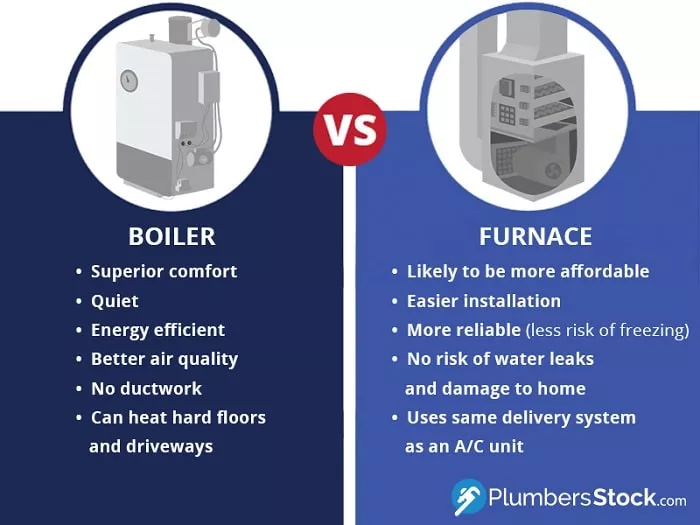
Boilers operate quietly since they do not blow air. The main sounds are water moving and the burner firing. Furnaces can be noisy due to fans and air moving through ducts. Noise can be distracting, especially at night. Boilers tend to offer a quieter heating experience.
Credit: blog.constellation.com
Space And Design Considerations
Choosing between a boiler and a furnace involves more than just heating style. Space and design play a big role in your decision. Both systems need room and affect your home’s look differently. Understanding these factors helps find the best fit for your space.
Space Requirements
Boilers usually take up more space than furnaces. They need room for water tanks and pipes. Furnaces are often compact and fit into smaller areas. This makes furnaces easier to place in tight spots like closets or basements.
Boilers require extra clearance for maintenance. This means you must leave space around the unit. Furnaces also need space but typically less than boilers. Think about where each system will go before buying.
Aesthetic Impact
Boilers have a bulky look with visible pipes and tanks. They can stand out in a room, especially near living spaces. Furnaces are often hidden inside walls or closets. Their design blends better with home interiors.
Boilers can look industrial and might need covering. Furnaces allow more design freedom since they stay out of sight. Consider which system fits your home’s style and layout.
Integration With Existing Systems
Boilers connect to radiators or radiant floor systems. They work well if your home already has these setups. Furnaces use ductwork to blow warm air through vents. Homes with existing ducts benefit from furnace installation.
Switching systems can require changes to your home’s structure. Boilers may need new pipes or radiators added. Furnaces might need duct expansion or repair. Check your current heating setup before choosing.
Safety Factors
Safety is a key factor when choosing between a boiler and a furnace. Both systems handle heat and fuel, which can be dangerous without proper care. Understanding the safety risks and features helps protect your home and family.
Potential Risks
Boilers and furnaces use gas, oil, or electricity to create heat. Gas leaks can cause fires or explosions. Carbon monoxide is a silent, deadly gas produced by incomplete fuel burning. Faulty parts can lead to overheating or system failure. Poor ventilation raises the risk of harmful gas buildup.
Safety Features
Modern boilers and furnaces include safety devices. Automatic shut-off valves stop fuel flow during problems. Carbon monoxide detectors alert you to dangerous gas levels. Pressure relief valves prevent boiler explosions. Thermostats control temperature to avoid overheating. Regular maintenance keeps safety features working well.
Regulations And Standards
Building codes set strict rules for installation and operation. Manufacturers must follow safety standards for parts and design. Licensed professionals should install and service heating systems. Regular inspections ensure compliance with safety laws. These rules reduce risks and protect homeowners from hazards.
Cost Analysis
Understanding the cost differences between boilers and furnaces helps make smart choices. This section breaks down costs into three parts: initial investment, operational costs, and long-term savings. Each plays a key role in deciding which heating system fits your budget.
Initial Investment
Boilers often cost more upfront than furnaces. The price includes the unit and installation. Boilers need more complex piping and setup. Furnaces have simpler installation, lowering initial costs. Choosing between them depends on your home’s needs and budget.
Operational Costs
Furnaces usually use less energy than boilers. This can lower monthly utility bills. Boiler systems can cost more to run, especially if they use older technology. Regular maintenance affects both systems’ efficiency and costs. Energy type also matters—gas, electric, or oil.
Long-term Savings
Boilers tend to last longer with proper care. This may reduce replacement costs over time. Furnaces might need replacing sooner, adding to expenses. Energy efficiency in newer models helps save money over years. Balancing upfront and running costs is key for savings.
Choosing The Right System
Choosing the right heating system for your home matters a lot. The decision affects comfort, energy use, and costs. Boilers and furnaces each have strengths and fit different needs. Understanding key factors helps you pick the best option.
Consider your home’s size, the local climate, and your personal preferences. These points guide you toward a system that works well for your space and lifestyle.
Assessing Home Size And Layout
Large homes often need more powerful heating systems. Boilers work well for big spaces with multiple rooms. They provide steady heat through radiators or underfloor pipes. Furnaces heat air and blow it through ducts. This method suits open floor plans better.
Smaller homes might find furnaces more efficient. Compact spaces heat quickly with warm air circulation. Think about your home’s shape and room layout. This helps match the system to your space.
Climate Considerations
Colder areas benefit from boilers because they deliver consistent warmth. Boilers keep rooms warm for longer periods. Furnaces heat up quickly but may cycle on and off more often. Warmer climates might prefer furnaces for fast heating.
Humid regions may find boilers reduce air dryness. Furnaces can dry the air more, causing discomfort. Check your local weather patterns to decide the best heating type.
Personal Preferences
Some people prefer the gentle warmth of a boiler. It feels cozy and quiet. Others like the quick heat from a furnace. Furnaces warm rooms faster after being off.
Consider maintenance and noise levels too. Boilers usually need less frequent upkeep. Furnaces can be louder due to the blower fan. Your lifestyle and comfort needs guide this choice.
Credit: www.plumbersstock.com
Frequently Asked Questions
What Is The Main Difference Between A Boiler And Furnace?
A boiler heats water to provide warm water or steam. A furnace heats air and blows it through ducts. Both provide home heating but use different methods.
Which Heating System Is More Energy Efficient, Boiler Or Furnace?
Boilers often use less energy by heating water slowly and evenly. Furnaces heat air quickly but may lose heat through ducts. Efficiency depends on the model and home setup.
Can A Boiler And Furnace Be Used Together In One Home?
Yes, some homes use both for different heating needs. Boilers provide hot water heating, while furnaces supply warm air. It depends on home design and climate.
How Do Maintenance Needs Differ Between Boilers And Furnaces?
Boilers need regular checks for leaks and water pressure. Furnaces require filter changes and duct cleaning. Both need yearly professional inspections for safety and efficiency.
Are Boilers Safer Than Furnaces For Home Heating?
Boilers have lower risks of carbon monoxide leaks due to sealed systems. Furnaces can pose risks if ducts or vents are blocked. Proper maintenance keeps both systems safe.
What Is The Typical Lifespan Of Boilers Versus Furnaces?
Boilers usually last 15 to 30 years with good care. Furnaces generally last 15 to 20 years. Lifespan depends on use, maintenance, and system quality.
Conclusion
Choosing between a boiler and a furnace depends on your home’s needs. Boilers heat water to warm your space, while furnaces blow hot air. Boilers often feel quieter and provide steady heat. Furnaces warm rooms quickly and work well in cold climates.
Think about your budget, house size, and comfort preferences. Both systems have pros and cons to consider. The right choice helps keep your home warm and cozy all winter. Keep these points in mind to decide what fits you best.