
Is your dishwasher not spraying water like it should? This problem can be frustrating, especially when you expect your dishes to come out clean and spotless.
If you’ve noticed your dishwasher isn’t working properly, you’re not alone. Understanding why your dishwasher isn’t spraying water can save you time, money, and hassle. You’ll discover simple reasons behind this issue and easy steps you can take to fix it yourself.
Keep reading to get your dishwasher back to its best, so you never have to hand-wash those dishes again.

Credit: www.wikihow.com
Common Causes Of No Water Spray
When a dishwasher stops spraying water, cleaning dishes becomes impossible. Understanding common causes helps find the right fix quickly. Several parts can block or stop water flow.
These issues often prevent spray arms from rotating or water from reaching the dishes. Identifying the cause saves time and money on repairs. Here are frequent reasons why your dishwasher might not spray water.
Clogged Spray Arms
Spray arms have small holes to spray water evenly. Food particles and mineral deposits can clog these holes. Clogged spray arms stop water from spraying properly. Cleaning them regularly keeps water flowing well.
Blocked Water Inlet Valve
The water inlet valve lets water enter the dishwasher. Dirt or debris can block the valve. A blocked valve stops water from entering the machine. Checking and cleaning the valve can restore water flow.
Faulty Water Pump
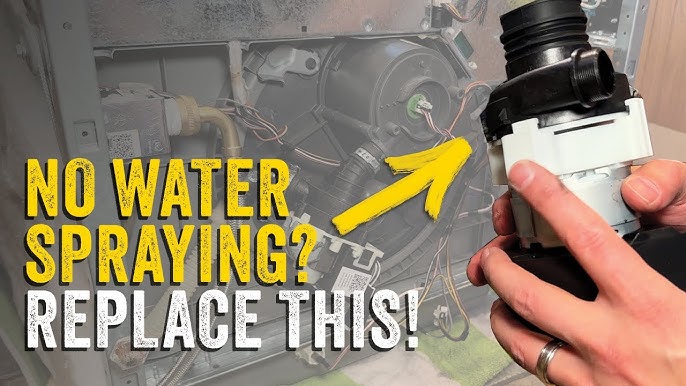
The water pump pushes water through the spray arms. If the pump is broken, water won’t spray. A faulty pump may make strange noises or stop running. Replacing the pump often fixes the problem.
Obstructed Filters
Filters catch food and debris to protect the pump. If filters are dirty or clogged, water flow decreases. Obstructed filters can cause poor spraying or no spray at all. Cleaning filters regularly helps avoid this issue.
Issues With Door Latch
The door latch keeps the dishwasher closed during operation. A faulty latch can stop the dishwasher from starting the spray cycle. If the door does not close properly, water will not spray. Fixing or replacing the latch solves this problem.
Inspecting And Cleaning Spray Arms
Spray arms play a big role in cleaning dishes. They spray water to remove food and dirt. Over time, spray arms can get blocked. Dirt and minerals stop water from spraying well. Checking and cleaning spray arms can fix this problem.
Removing Spray Arms Safely
Start by turning off the dishwasher. Open the door fully for easy access. Most spray arms twist off by hand. Some may need a screwdriver. Be gentle to avoid breaking any parts. Keep track of screws and small pieces.
Clearing Debris And Mineral Build-up
Look closely at the holes in the spray arms. Use a toothpick or small brush to clear blockages. Soak spray arms in vinegar for 30 minutes. Vinegar helps dissolve mineral deposits. Rinse the spray arms with warm water afterward.
Testing Spray Arm Movement
Check if spray arms spin freely. Move them gently by hand. They should rotate without resistance. If they stick, clean the pivot points. Make sure nothing blocks their movement. Proper spinning ensures even water spray.
Checking Water Inlet Valve
Checking the water inlet valve is important when the dishwasher is not spraying water. This valve controls water flow into the dishwasher. A faulty valve can stop water from entering. Knowing how to locate and test it helps solve the problem.
Locating The Valve
The water inlet valve is usually near the bottom of the dishwasher. It connects the water supply line to the dishwasher. Sometimes, it is behind the lower access panel. Turn off the power and water before searching. Remove the panel carefully to find the valve.
Testing Valve Functionality
Check the valve for signs of damage or blockage. Use a multimeter to test its electrical parts. Set the meter to measure resistance. Attach the probes to the valve terminals. A reading of zero or very low means it works. No reading or infinite means it is broken.
Replacing A Malfunctioning Valve
Turn off the water supply before replacing the valve. Disconnect the wires and water line from the old valve. Remove mounting screws and take out the valve. Install the new valve by reversing these steps. Make sure connections are tight and secure. Turn on the water and power to test the dishwasher.
Examining The Water Pump
The water pump is a key part of your dishwasher. It pushes water through the spray arms. Without a working pump, water won’t spray inside the dishwasher. Examining the water pump helps find the root of the problem. This section guides you through checking the pump step-by-step.
Signs Of A Faulty Pump
Listen for strange noises during a cycle. Grinding or humming sounds may mean the pump is stuck. Water may not spray or drain properly. Pools of water might remain at the bottom. Dishes come out dirty or dry because water is not circulating. These signs often point to a pump issue.
Accessing The Pump
Unplug the dishwasher before starting. Remove the lower rack to reach inside. The pump is usually at the bottom, near the drain. You may need to take off a cover panel. Check your dishwasher manual for exact location. Use a flashlight to see clearly. Look for any blockages or broken parts around the pump.
Repair Or Replacement Options
Small blockages can be cleaned out by hand. Clear debris from the pump blades carefully. If the pump motor is damaged, it may need replacement. Replacement pumps are available online or at appliance stores. Installing a new pump might require basic tools and skills. For complex issues, calling a professional is safer. Fixing the pump restores water flow and dishwasher performance.
Cleaning And Maintaining Filters
Cleaning and maintaining your dishwasher filters is key to keeping the water spraying properly. Filters catch food bits and debris, stopping them from blocking water flow. Dirty filters reduce water pressure and cause poor cleaning results. Regular care helps your dishwasher run smoothly and last longer.
Types Of Dishwasher Filters
Dishwashers usually have two types of filters: coarse and fine. The coarse filter traps large food pieces. The fine filter catches tiny particles and grease. Some models have a self-cleaning filter, but most need manual cleaning. Knowing your filter type helps you clean it the right way.
Steps For Effective Cleaning
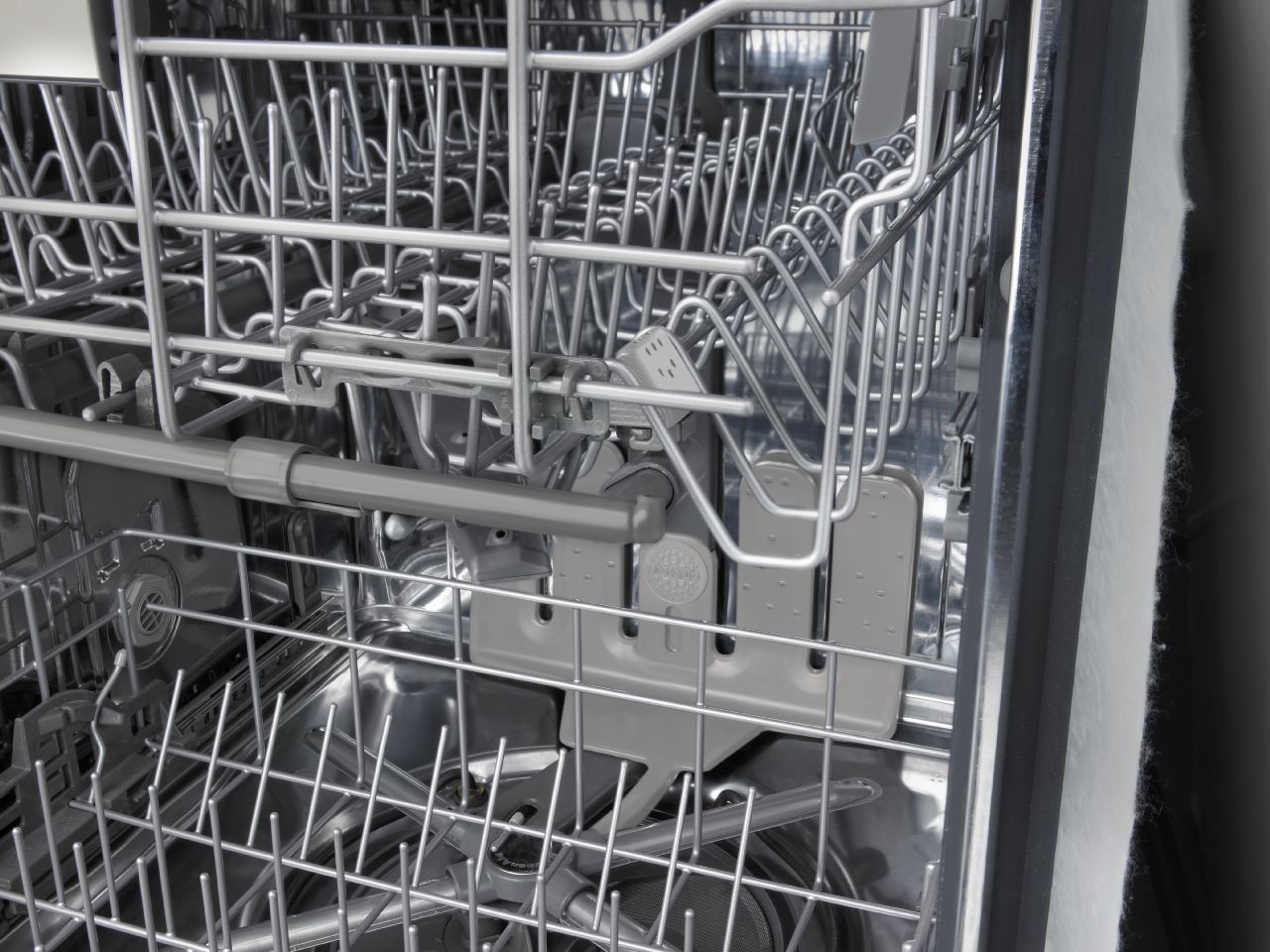
First, remove the bottom rack to access the filter. Twist or lift the filter out carefully. Rinse the filter under warm water to remove debris. Use a soft brush or old toothbrush to scrub stuck bits. Avoid harsh tools that could damage the filter. After cleaning, place the filter back securely.
Preventive Maintenance Tips
Clean filters once a month to avoid buildup. Scrape off large food scraps before loading dishes. Run hot water in the sink before starting the dishwasher. Use dishwasher detergent that suits your machine type. Check the spray arms for clogs to improve water flow. Keep the dishwasher door slightly open after use to dry the inside.
Credit: fleetappliance.com
Checking The Door Latch And Switch
Checking the door latch and switch is a key step when your dishwasher is not spraying water. The door latch keeps the door closed tight. The switch tells the dishwasher it is safe to start spraying water. If either part is faulty, water may not spray at all. Understanding these components helps you find the problem faster and fix it with confidence.
Role In Water Spray Function
The door latch locks the dishwasher door during operation. It prevents water leaks and ensures safety. The door switch is connected to the latch. It signals the dishwasher to begin the washing cycle. Without a proper latch and switch, the dishwasher won’t activate the water spray. This stops cleaning and may cause error codes.
Testing Door Switch Continuity
Use a multimeter to test the door switch for continuity. First, unplug the dishwasher for safety. Remove the door panel to access the switch. Set the multimeter to the continuity setting. Press the switch button and check the reading. No continuity means the switch is broken and needs replacement.
Fixing Or Replacing The Latch
Inspect the door latch for cracks or damage. Tighten any loose screws holding the latch in place. If the latch is broken, order a replacement part. Remove the old latch by unscrewing it. Install the new latch and secure it firmly. Test the dishwasher to see if it sprays water now.
Additional Tips To Improve Spray Performance
Improving your dishwasher’s spray performance can make a big difference in cleaning results. Small changes help water reach all dishes and remove food particles better. Follow these tips to keep your dishwasher working well every time.
Using The Right Detergent
Choose a detergent made for your dishwasher type. Some powders and gels do not dissolve well. Tablets or pods often work best for even cleaning. Avoid using too much detergent to prevent clogs. Proper detergent helps water spray freely and clean dishes fully.
Avoiding Overloading
Do not pack the dishwasher too tightly. Overloading blocks spray arms from spinning. Water cannot reach all dishes if they are too close. Load plates, cups, and utensils with space between them. This allows water to flow and clean better.
Regular Dishwasher Maintenance
Clean the spray arms and filters regularly. Remove debris and food scraps to stop blockages. Check spray holes for clogs and clear them gently. Run a dishwasher cleaner monthly to remove grease buildup. Routine care keeps water spraying strong and dishes spotless.
Credit: www.youtube.com
Frequently Asked Questions
Why Is My Dishwasher Not Spraying Water Properly?
A clogged spray arm or blocked water inlet can stop water from spraying well.
How Do I Fix A Dishwasher Spray Arm Not Spinning?
Clean debris from the spray arm and check for broken or stuck parts.
Can A Faulty Water Pump Cause No Water Spray?
Yes, a broken water pump can prevent water from reaching the spray arms.
Does Low Water Pressure Affect Dishwasher Spraying?
Low water pressure can reduce water flow and stop the spray arms from working.
Could A Clogged Filter Stop Dishwasher Water Spray?
Dirty filters block water flow, causing spray arms to spray poorly or not at all.
Conclusion
A dishwasher not spraying water can cause cleaning problems. Check the spray arms for clogs or damage first. Make sure the water supply is connected and turned on. Clean the filter regularly to keep water flowing well. Small fixes often solve this common issue quickly.
Taking simple steps can save time and money. Keep your dishwasher working properly for clean dishes every time. Don’t let water spray problems ruin your kitchen routine.