
If you’re a homeowner in North Dakota, you know how important it is to keep your home warm during those freezing winter months. But what if there was a way to heat your home more efficiently and save money on energy bills?
Heat pumps might be the answer you’ve been looking for. Understanding how heat pumps work and what makes them a smart choice for your climate can help you make the best decision for your home and comfort. Keep reading to discover everything you need to know about heat pumps and why they could be the perfect fit for your North Dakota home.

Credit: yaleclimateconnections.org
Heat Pump Basics
Heat pumps offer an energy-efficient way to heat and cool homes in North Dakota. They move heat instead of generating it, which saves energy and lowers bills. Understanding the basics helps homeowners decide if a heat pump fits their needs.
How Heat Pumps Work
Heat pumps transfer heat from one place to another using a small amount of electricity. In winter, they pull heat from outside air and bring it inside. In summer, they reverse the process and remove heat from indoors, sending it outside. This dual function makes heat pumps useful all year round.
Types Of Heat Pumps
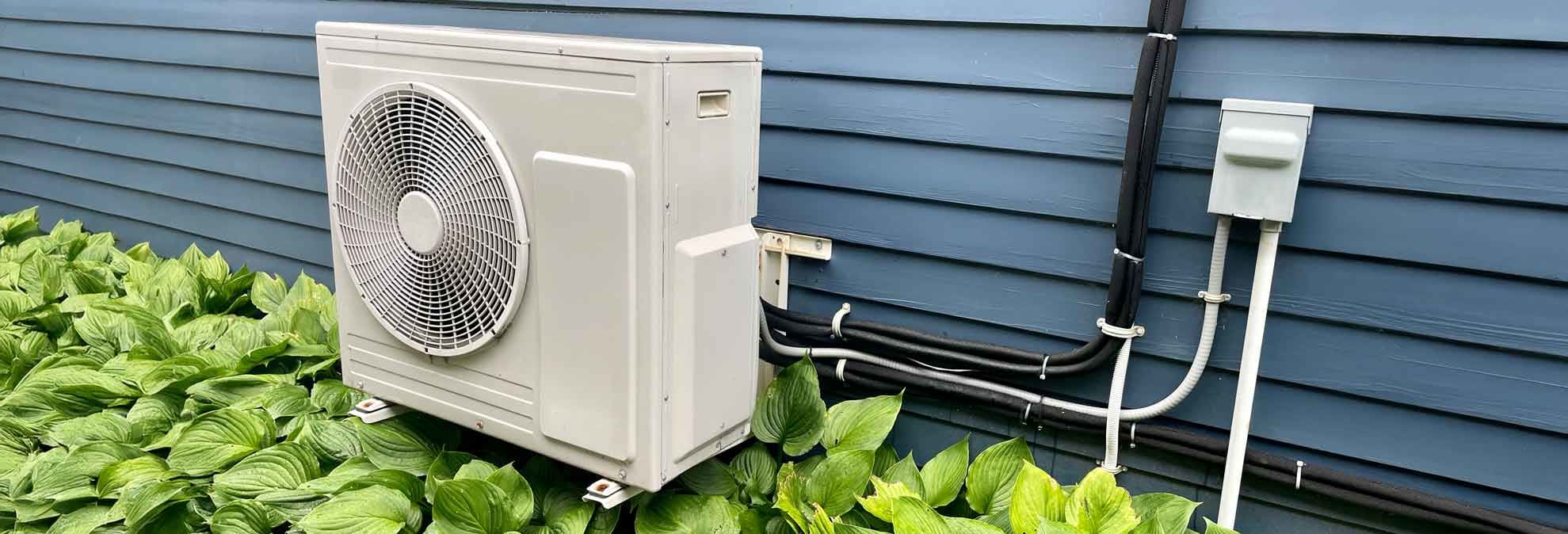
Air-source heat pumps are common and use outside air for heating and cooling. Ground-source or geothermal heat pumps use the earth’s stable temperature to heat and cool homes. Each type has benefits depending on the local climate and home setup.
Heat Pumps Vs Traditional Heating
Traditional heaters burn fuel or use electric resistance to create heat. Heat pumps move heat instead of making it, using less energy. They often cost less to run and help reduce carbon emissions. Heat pumps also provide cooling, which many traditional heaters do not.
Benefits For North Dakota Homes
Heat pumps offer many benefits for homes in North Dakota. They work well even in cold weather. These systems help keep your home warm during harsh winters. Plus, they cool your home in the summer. Heat pumps can save energy and reduce bills. They also help protect the environment.
Understanding these benefits can help homeowners make smart choices. Heat pumps provide comfort and savings. They are a good option for North Dakota homes.
Energy Efficiency In Cold Climates
Heat pumps use electricity to move heat, not create it. This makes them very efficient. Modern heat pumps work well even in cold weather. They can extract heat from outside air down to very low temperatures. This means they keep your home warm without using much energy. Using a heat pump lowers the need for extra heating systems.
Cost Savings On Energy Bills
Heat pumps use less electricity than traditional heaters. This reduces monthly energy bills. Over time, savings can be significant. They provide both heating and cooling, so you avoid buying separate systems. Lower energy use means fewer bills to pay. This helps homeowners save money every season.
Environmental Impact
Heat pumps produce fewer greenhouse gases than gas or oil heaters. They use less energy from fossil fuels. This reduces your home’s carbon footprint. Cleaner energy helps protect North Dakota’s environment. Choosing a heat pump supports a healthier planet. It is a smart choice for green living.
Choosing The Right Heat Pump
Choosing the right heat pump is important for comfort and savings. North Dakota homes need a system that fits the climate and house size. A well-chosen heat pump works efficiently and lowers energy bills. The right features also help keep your home warm during cold months.
Sizing And Capacity
Proper sizing is key for a heat pump’s success. Too small, and it won’t heat the house well. Too large, and it will waste energy and cost more. An expert can calculate the needed capacity based on home size and insulation. This ensures the heat pump runs smoothly all year.
Features To Look For
Look for heat pumps with variable-speed compressors. They adjust power based on heating needs. A high Seasonal Energy Efficiency Ratio (SEER) rating means better energy savings. Models with a good Heating Seasonal Performance Factor (HSPF) work well in cold weather. Features like smart thermostats add convenience and control.
Reputable Brands And Models
Choose brands known for quality and durability. Some reliable names offer models built for cold climates. Reading customer reviews helps find models with good performance and service. Trusted brands often provide better warranties and parts availability. This means less worry and longer system life.
Credit: www.onehourairftworth.com
Installation Considerations
Installing a heat pump in North Dakota requires careful thought. The cold climate and home layout affect how well the system works. Proper installation ensures efficient heating and cooling all year. Below are key points to consider before starting the installation process.
Professional Vs Diy Installation
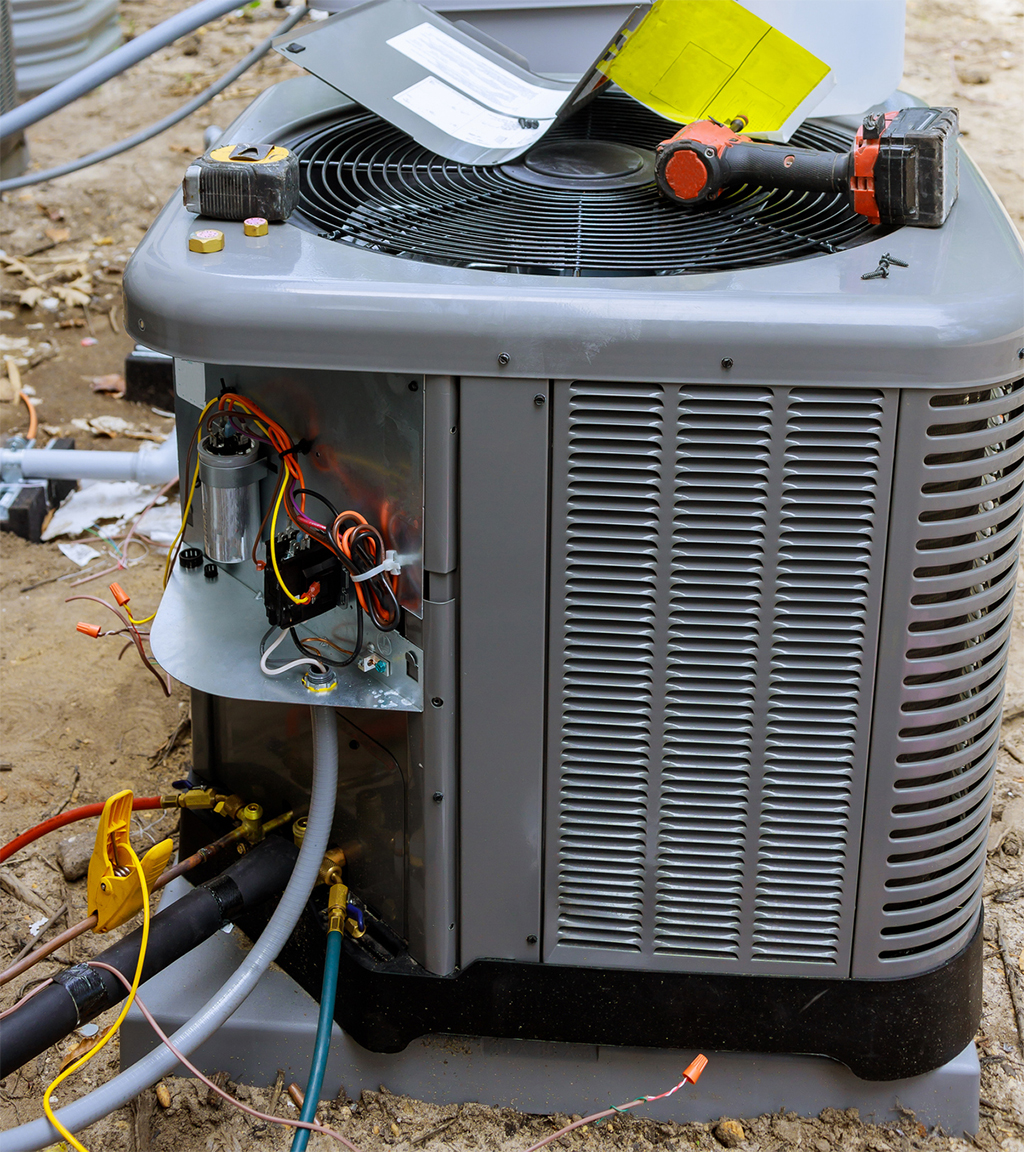
Heat pump installation is complex. Professionals have the tools and knowledge to install safely. They handle wiring, refrigerant, and system setup correctly. DIY installation may save money but risks mistakes. Incorrect setup lowers efficiency and can damage the unit. Hiring a licensed technician is often the best choice for lasting performance.
Placement And Space Requirements
Choosing the right spot for the heat pump is crucial. Outdoor units need enough space for airflow and maintenance. Avoid placing units near windows or vents to reduce noise and drafts. Indoor components must fit without blocking walkways or vents. Proper placement helps the system work well and last longer.
Permits And Local Regulations
North Dakota has rules for heat pump installation. Many areas require permits before starting work. Local codes may specify installation methods and safety standards. Check with city or county offices to follow laws. Getting permits avoids fines and ensures the system meets safety rules.
Maintenance And Troubleshooting
Heat pumps are efficient for North Dakota homes but need care to work well. Regular maintenance keeps them running smoothly. Knowing how to spot and fix common problems saves time and money. This section covers simple upkeep and troubleshooting tips for homeowners.
Routine Maintenance Tips
Clean or replace air filters every month. Dirty filters reduce airflow and efficiency. Check outdoor units for debris like leaves or snow. Clear the area around the unit to ensure proper air flow. Inspect the system’s drain lines to prevent clogs. Schedule professional tune-ups annually to keep parts in good shape. Regular checks help avoid breakdowns and high energy bills.
Common Issues And Fixes
Heat pumps might blow cold air during winter. This could mean a frozen coil or low refrigerant. Clear ice buildup gently and allow the system to thaw. Strange noises often come from loose parts or debris inside the unit. Tighten screws or remove debris carefully. Poor heating may also result from dirty filters or blocked vents. Simple cleaning often restores performance quickly.
When To Call A Professional
Call a technician if the system won’t start at all. Strange smells or frequent cycling also need expert help. Refrigerant leaks or electrical issues require trained service. Avoid DIY fixes for complex problems to prevent damage. Professionals can diagnose and repair efficiently, ensuring your heat pump works safely and well.
Financial Incentives And Rebates
Heat pumps can lower your home energy bills. Financial incentives and rebates help reduce the upfront cost. North Dakota homeowners can take advantage of several programs. These programs make heat pumps more affordable and attractive.
State And Federal Programs
North Dakota offers state programs to support energy-efficient upgrades. These programs sometimes include grants or low-interest loans. The federal government also provides incentives for heat pump installations. These programs aim to reduce energy use and greenhouse gases.
Utility Company Rebates
Some utility companies in North Dakota offer rebates for heat pumps. These rebates lower installation costs directly. Check with your local utility provider for available offers. Rebates often depend on the heat pump model and efficiency.
Tax Credits For Heat Pumps
Federal tax credits can cut your tax bill when you install a heat pump. These credits apply to energy-efficient systems only. Claiming these credits requires proper documentation and receipts. Tax credits can significantly reduce the total investment.
Real-life Experiences
Real-life experiences offer useful insights about heat pumps in North Dakota. These stories help homeowners decide if a heat pump fits their needs. Learning from others’ successes and challenges makes the choice clearer. Below are real accounts and lessons from local users.
Homeowner Testimonials
Many North Dakota homeowners share positive views on heat pumps. They say their homes stay warm during cold winters. Some notice lower energy bills after installation. A few mention quiet operation as a big plus. Others appreciate the quick heating and cooling changes.
Not all stories are perfect. Some homeowners faced initial setup issues. They had to adjust settings for better comfort. Others found that regular maintenance improved performance. These testimonials reveal practical details beyond basic facts.
Case Studies In North Dakota
Case studies show how heat pumps work in real homes. One study found a 30% cut in heating costs over a year. Another showed improved indoor air quality after switching to a heat pump. Some homes needed extra insulation to boost efficiency. These cases highlight how home size and insulation matter.
Each case study provides data on energy use and comfort. They help predict how a heat pump might perform in similar homes. Local climate and house design play key roles in results.
Lessons Learned
Many homeowners learned to choose the right heat pump size. Too small or too large units cause problems and waste energy. Proper installation by experienced technicians is vital. Regular maintenance keeps the system running smoothly.
Some learned that adding insulation helps maintain warmth. Adjusting thermostat settings improved comfort in some homes. Being patient during the first winter led to better results. These lessons guide future buyers to avoid common mistakes.
Credit: www.consumerreports.org
Frequently Asked Questions
What Is A Heat Pump And How Does It Work In North Dakota?
A heat pump moves heat from outside to inside your home. It cools in summer and heats in winter.
Are Heat Pumps Energy Efficient In Cold North Dakota Winters?
Modern heat pumps work well even in cold climates, saving energy compared to traditional heaters.
How Much Can North Dakota Homeowners Save Using Heat Pumps?
Heat pumps often lower heating bills by 20-40%, depending on your home’s insulation and usage.
What Maintenance Do Heat Pumps Need In North Dakota?
Regular filter changes and yearly professional check-ups keep heat pumps running smoothly and efficiently.
Can Heat Pumps Replace Traditional Furnaces In North Dakota Homes?
Yes, many homes use heat pumps alone, but some need backup heat for very cold days.
Conclusion
Heat pumps offer an energy-smart way to heat and cool homes. North Dakota homeowners can save on bills and stay comfortable. These systems work well even in cold weather. Choosing the right heat pump depends on your home’s size and needs.
Regular maintenance keeps the system running smoothly. Understanding these basics helps you make a smart choice. A heat pump can be a reliable option for your home. Think about it carefully before making a decision.