
If you’re a homeowner in Idaho, you’ve probably heard about heat pumps as a way to keep your home comfortable year-round. But what exactly are heat pumps, and how can they benefit your home?
Understanding the basics can save you money on energy bills and improve your comfort during cold winters and warm summers. This article will give you clear, simple information about heat pumps, so you can decide if they’re the right choice for your home.
Keep reading to discover what every Idaho homeowner should know before making this important decision.

Credit: yaleclimateconnections.org
Benefits Of Heat Pumps In Idaho
Heat pumps offer many benefits for homeowners in Idaho. They provide a reliable way to heat and cool homes. With Idaho’s changing seasons, heat pumps adjust easily to keep homes comfortable year-round.
Understanding the key benefits helps homeowners make smart choices. Heat pumps save energy, reduce costs, and help the environment. Here are the main advantages to consider.
Energy Efficiency Advantages
Heat pumps use electricity to move heat instead of creating it. This process uses less energy than traditional heating systems. In Idaho, this means lower energy bills during cold winters and hot summers. Heat pumps work well even in cooler temperatures, making them a good fit for Idaho’s climate.
Cost Savings Over Time
Heat pumps lower monthly heating and cooling costs. They use less energy than gas or electric furnaces. Over time, this reduces utility bills significantly. Many homeowners see payback through savings within a few years. Maintenance costs are also low, adding to the long-term savings.
Environmental Impact
Using a heat pump reduces greenhouse gas emissions. It relies on electricity, which Idaho increasingly generates from clean sources. This means less pollution compared to fossil fuel heating. Choosing heat pumps helps protect Idaho’s natural beauty for future generations.
Types Of Heat Pumps Suitable For Idaho
Choosing the right heat pump is key for Idaho homeowners. The climate has cold winters and warm summers. Different heat pumps work better in various conditions. Knowing the types helps pick a system that saves energy and money. Below are the common types suitable for Idaho homes.
Air-source Heat Pumps
Air-source heat pumps move heat between your home and the outside air. They work well in moderate climates but modern models handle cold winters too. These pumps are easier to install and cost less upfront. They provide both heating and cooling efficiently. Regular maintenance keeps them running smoothly.
Geothermal Heat Pumps
Geothermal heat pumps use the stable temperature underground to heat and cool homes. They need pipes buried in the ground, which can be costly to install. These pumps have low operating costs and last a long time. They work well in Idaho’s cold winters and hot summers. Energy savings from geothermal pumps can be significant over time.
Ductless Mini-split Systems
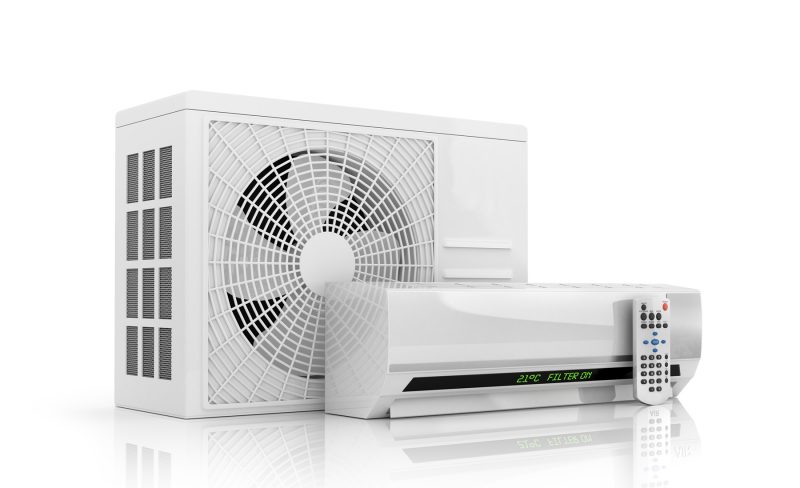
Ductless mini-split heat pumps are good for homes without ducts. They have an outdoor unit and one or more indoor air handlers. These systems are flexible and easy to install in specific rooms. They provide efficient heating and cooling without losing energy through ducts. Ideal for older homes or additions in Idaho.
Climate Considerations For Heat Pumps
Understanding the climate is key for choosing the right heat pump in Idaho. The state’s weather can change a lot throughout the year. This affects how well heat pumps work and what type fits best. Knowing Idaho’s climate helps homeowners make smart decisions for heating and cooling their homes efficiently.
Idaho’s Seasonal Temperature Range
Idaho experiences cold winters and warm summers. Winter temperatures can drop below zero in many areas. Summers often rise above 80 degrees Fahrenheit. This wide temperature range means heat pumps must handle both heating and cooling. The system should be strong enough for cold winters and efficient in summer heat.
Heat Pump Performance In Cold Weather
Heat pumps work by moving heat from outside to inside. Cold weather reduces the heat available outside. This can lower a heat pump’s efficiency during winter. Some models use special technology to keep working well in cold temperatures. Choosing a cold-weather heat pump is important for Idaho homes.
Supplemental Heating Options
Heat pumps may need help during the coldest days. Supplemental heating like electric resistance heaters or gas furnaces can provide extra warmth. These systems turn on only when the heat pump cannot keep up. This ensures the home stays warm and comfortable all winter long.
Installation Tips For Idaho Homeowners
Installing a heat pump in your Idaho home needs careful thought. The right steps ensure your system works well and saves energy. This section covers key tips for a smooth installation process.
Choosing A Qualified Installer
Pick an installer with experience in Idaho’s climate. Ask about their certifications and past projects. Skilled installers know how to handle local weather challenges. A good installer helps avoid common mistakes. They ensure the heat pump runs efficiently for years.
Proper Sizing And Placement
Select a heat pump size that fits your home. Too big or small can cause problems and waste energy. Placement matters too. The unit should have space for air to flow freely. Avoid spots near heat sources or direct sunlight. Proper placement helps your heat pump work best.
Permits And Local Regulations
Check Idaho’s local rules before installation. Some areas require permits or inspections. Following these rules keeps your home safe. It also prevents fines or delays. Your installer can help with paperwork and approvals. Stay informed to avoid issues during installation.
Maintenance And Longevity
Heat pumps are a smart choice for Idaho homes. They save energy and keep your house warm or cool. To keep a heat pump working well, regular care is key. Proper maintenance helps the unit last longer and work better. Knowing what to check and when to act can save money and avoid big problems.
Routine Maintenance Tasks
Clean or replace air filters every 1-3 months. Dirty filters block airflow and reduce efficiency. Clear leaves and debris from outdoor units. Check for ice buildup during winter months. Keep the area around the unit free from obstructions. Schedule a professional inspection once a year. Technicians check refrigerant levels and electrical parts. These simple steps keep your heat pump running smoothly.
Signs Of Potential Issues
Watch for strange noises like banging or grinding. Poor airflow or uneven heating can show problems. Higher energy bills may mean the heat pump struggles. Ice on the outdoor unit signals trouble. Frequent cycling on and off wastes energy. Notice any strange smells or leaks around the unit. Early detection helps fix small issues before they grow.
When To Replace Your Heat Pump
Heat pumps last about 10-15 years with care. If repairs become frequent and costly, consider replacement. New models use less energy and perform better. A heat pump that no longer heats or cools well needs replacing. Upgrading can improve home comfort and reduce bills. Talk to a professional to decide the best time to replace your unit.
Incentives And Rebates In Idaho
Homeowners in Idaho can save money by using heat pumps. Many programs offer incentives and rebates. These help lower the cost of buying and installing heat pumps. Knowing about these offers makes the purchase easier and more affordable.
State And Local Programs
Idaho has programs that support energy-efficient home upgrades. Some cities and utilities offer rebates for heat pumps. These programs vary by location and change over time. Check local energy providers for current rebate details.
Federal Tax Credits
The federal government gives tax credits for heat pump installation. These credits reduce the amount of federal tax owed. They can cover a portion of the heat pump cost. This makes upgrading your heating system cheaper.
How To Apply
Start by checking eligibility for each program. Gather all purchase and installation documents. Submit forms to the right agency or utility company. Follow instructions carefully to ensure approval and receive savings.
Common Myths About Heat Pumps
Many homeowners in Idaho hesitate to choose heat pumps because of common myths. These myths create doubts and confusion. Clearing up these false ideas helps make better decisions. Understanding the truth about heat pumps can save money and increase comfort.
Performance Doubts In Cold Climates
Many believe heat pumps do not work well in cold weather. This is not true. Modern heat pumps work efficiently even in freezing temperatures. They pull heat from the outside air, even when it feels very cold. Idaho winters are no problem for these systems. They can provide steady heat without using too much energy.
Installation Complexity
Some think installing a heat pump is difficult and takes too long. The process is usually simple and quick. Professional installers handle everything from start to finish. They make sure the system fits your home perfectly. Most installations finish in one or two days. No need to worry about a long, messy job.
Cost Misconceptions
Heat pumps are often seen as too expensive. The upfront cost may seem high, but savings come fast. Heat pumps use less energy than traditional heaters. This lowers utility bills every month. Many states offer rebates or incentives to reduce installation costs. Over time, heat pumps pay for themselves through energy savings.

Credit: 1stchoicemechanicalaz.com
Credit: www.idahopower.com
Frequently Asked Questions
What Is A Heat Pump And How Does It Work?
A heat pump moves heat from outside to inside your home. It cools in summer and heats in winter.
Are Heat Pumps Energy Efficient In Idaho’s Climate?
Yes, heat pumps use less energy than traditional heating and cooling systems in Idaho’s climate.
How Much Can Idaho Homeowners Save With Heat Pumps?
Heat pumps can lower energy bills by 30% to 50%, depending on home size and usage.
What Maintenance Do Heat Pumps Need In Idaho?
Regular filter cleaning and yearly professional checkups keep heat pumps working well in Idaho.
Can Heat Pumps Replace Traditional Furnaces In Idaho Homes?
Yes, heat pumps can fully replace furnaces, providing heating and cooling all year round.
Conclusion
Heat pumps offer an efficient way to heat and cool Idaho homes. They can lower energy bills and reduce environmental impact. Proper installation and maintenance keep them running smoothly. Choose a model that fits your home’s size and climate. Understanding heat pumps helps you make smart decisions for comfort.
Consider this option to improve your home’s energy use. A heat pump might be the right choice for your needs.