
Is your fridge light on, but the inside feels warm? That’s frustrating, especially when you expect your food to stay fresh.
You might wonder, “Why is my fridge not cooling even though the light is on? ” This problem can be confusing, but understanding what’s going wrong can save your food and your money. Keep reading, and you’ll discover simple steps to find out why your fridge isn’t cooling and what you can do right now to fix it.
Don’t let a warm fridge spoil your day—let’s get to the bottom of this together.
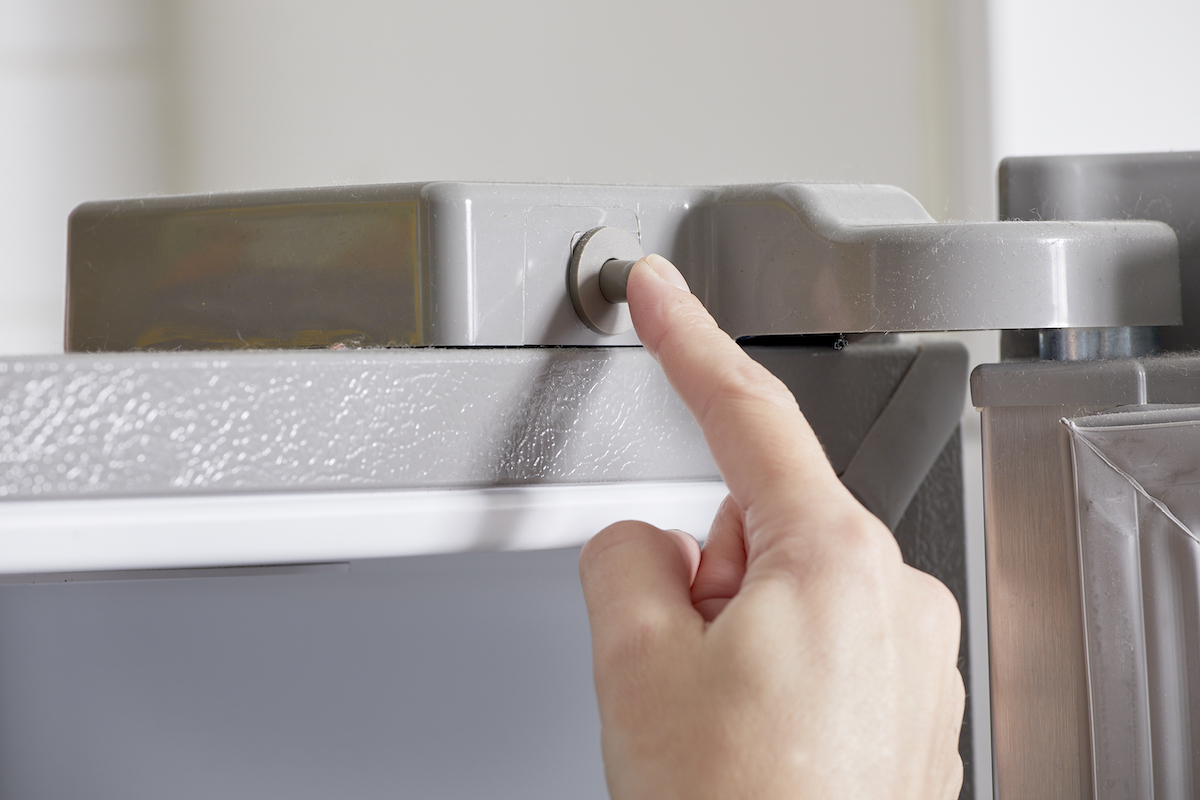
Credit: www.bobvila.com
Common Reasons For No Cooling
A fridge that is not cooling but still has the light on can be confusing. The light shows the fridge has power, but the cold air is missing. Several common reasons cause this problem. Understanding these can help you fix the fridge or know when to call a technician.
Power Supply Issues
Even if the light is on, power problems can affect cooling. The fridge might receive electricity but not enough to run the compressor. A loose plug or faulty outlet can cause this. Check the power cord and outlet for damage or loose connections.
Faulty Thermostat
The thermostat controls the fridge temperature. If it breaks, the fridge may stop cooling. It might also cause the fridge to cool too little or too much. Testing or replacing the thermostat can fix this issue.
Blocked Air Vents
Air vents move cold air inside the fridge. Blocked vents stop the cold air flow. This causes warm spots and uneven cooling. Remove any items blocking the vents for better air circulation.
Dirty Condenser Coils
Condenser coils release heat from the fridge. Dirt and dust on the coils reduce cooling efficiency. Clean the coils regularly to keep the fridge working well. Use a vacuum or brush to remove dirt carefully.

Credit: www.familyhandyman.com
Checking The Fridge Temperature Settings
Checking the fridge temperature settings is a simple step to fix cooling issues. The fridge might have the light on but still not cool properly. This often happens if the temperature is set too high or too low. Knowing the right temperature and how to adjust it helps keep food fresh and safe.
Ideal Temperature Range
The ideal fridge temperature is between 37°F and 40°F (3°C to 4°C). This range keeps food fresh and prevents bacteria growth. Temperatures above 40°F can cause food to spoil faster. Below 37°F, some items may freeze, which is not good for fresh produce.
Check your fridge’s manual for the exact recommended range. Many modern fridges have a digital display showing the current temperature. Older models may have a dial with numbers or levels. Always aim to keep the temperature within the safe range for best results.
Adjusting The Thermostat
Adjusting the thermostat is easy and can improve cooling quickly. Find the thermostat dial or digital control inside the fridge. Turn the dial down to lower the temperature or up to raise it. Digital controls often have buttons to press for adjustment.
Make small changes and wait 24 hours before checking the temperature again. This gives the fridge time to reach the new setting. Avoid setting the temperature too cold as it wastes energy. Proper thermostat settings help the fridge work efficiently and keep food fresh longer.
Cleaning And Maintenance Tips
Keeping your fridge clean and well-maintained helps it run smoothly. Dirt and dust can block parts and stop cooling. Regular care can fix small issues fast. This prevents bigger problems later.
Cleaning Condenser Coils
Condenser coils release heat from the fridge. Dust builds up and blocks heat flow. Clean coils every three months. Unplug the fridge first. Use a brush or vacuum cleaner to remove dust. Clean coils help the fridge cool better and use less energy.
Clearing Air Vents
Air vents let cold air move inside the fridge. Blocked vents stop air from flowing. Check vents for food or ice blockages. Remove any items blocking the vents. Keep vents clear for even cooling. This helps the fridge keep food fresh longer.
Replacing Door Seals
Door seals keep cold air inside the fridge. Old or damaged seals let cold air escape. Check seals for cracks or tears. If seals are worn out, replace them. New seals keep the fridge cool and save energy. Test seals by closing the door on a piece of paper. If the paper slides out easily, seals need replacing.

Credit: www.youtube.com
Troubleshooting Electrical Components
Electrical parts in your fridge control cooling and lighting. Problems with these parts can cause the fridge not to cool even if the light is on. Checking these components helps find simple fixes. It saves time and money before calling a technician.
Inspecting The Light Bulb
The fridge light bulb uses low power and stays on if the fridge has power. A working light bulb does not mean the fridge cools. Check the bulb for damage or loose fitting. Replace the bulb with a new one to rule out lighting issues. A bad bulb does not affect cooling but confirms power is on.
Testing The Compressor
The compressor pumps refrigerant to cool the fridge. Listen for humming or vibration from the compressor. No sound or very loud noise shows a problem. Use a multimeter to test compressor resistance. A faulty compressor stops cooling even if the light stays on. Professional repair or replacement is often needed.
Examining The Start Relay
The start relay helps the compressor start running. It clicks or hums when working right. Remove the relay and shake it gently. A rattling sound means the relay may be bad. Test the relay with a multimeter for continuity. A broken relay prevents the compressor from starting. Replace the relay to restore cooling function.
When To Call A Professional
Knowing when to call a professional is important for fixing a fridge that is not cooling but has the light on. Some problems need expert tools and skills. Trying to fix these issues alone can cause more damage or even be unsafe. Here are signs that you should call a repair expert for help.
Complex Repairs
Some fridge problems need special knowledge and tools. Issues like a broken compressor, coolant leaks, or electrical faults require trained technicians. These repairs are not simple and can be risky. Professionals can find the exact cause and fix it safely. Avoid trying to fix complex parts yourself.
Warranty Considerations
Many fridges come with a warranty that covers repairs. Doing repairs yourself may void this warranty. Calling a professional ensures your warranty stays valid. Always check your warranty terms before any repair. Using authorized service centers keeps your fridge protected and saves money in the long run.
Preventive Measures To Avoid Cooling Issues
Keeping your fridge cool is vital for food safety and freshness. Taking some simple steps can prevent cooling problems and keep your appliance running smoothly. These preventive measures help avoid common issues and extend your fridge’s life.
Regular Cleaning Schedule
Dust and dirt can block fridge vents and reduce cooling. Clean the coils and vents every few months. Wipe down the interior shelves and walls regularly. This stops dirt build-up and improves airflow inside the fridge.
Proper Food Storage
Store food in sealed containers to keep moisture and odors controlled. Avoid placing hot food directly inside. Let it cool first. This helps maintain a steady temperature and reduces strain on the fridge’s cooling system.
Avoiding Overloading
Do not fill the fridge too full. Overloading blocks air circulation and causes uneven cooling. Leave space between items for air to flow freely. This keeps the fridge working efficiently and prevents warm spots.
Frequently Asked Questions
Why Is My Fridge Light On But Not Cooling?
The fridge light means power is on, but cooling may fail due to compressor or thermostat issues.
Can A Dirty Condenser Cause No Cooling In Fridge?
Yes, dirt on the condenser blocks heat release, making the fridge unable to cool properly.
How Does A Faulty Thermostat Affect Fridge Cooling?
A bad thermostat can stop the fridge from cooling by not sending the right signals to start cooling.
Is A Broken Fan Why My Fridge Light Is On But Warm?
A broken fan stops air circulation, causing the fridge to stay warm even if the light is on.
Should I Check The Fridge Door Seal If Not Cooling?
Yes, a damaged door seal lets cold air escape, reducing the fridge’s cooling efficiency.
Conclusion
A fridge not cooling while the light stays on can cause stress. Check simple issues first, like the door seal or vents. Sometimes, cleaning the coils helps. Small fixes often save money and time. If problems persist, calling a technician is wise.
Keep food safe by acting quickly. Understanding basic fridge problems helps you stay prepared. Don’t ignore signs of trouble. A working fridge means fresh food and peace of mind.