
Are you tired of your Sunsetter awning not working the way it should? Whether it won’t extend, retract, or just seems stuck, these problems can be frustrating and disrupt your outdoor comfort.
You rely on your awning for shade and protection, so when it acts up, it’s hard to know what to do next. You’ll discover the most common Sunsetter awning problems and simple ways to fix them. Keep reading to get your awning back in perfect shape and enjoy your outdoor space without worry.
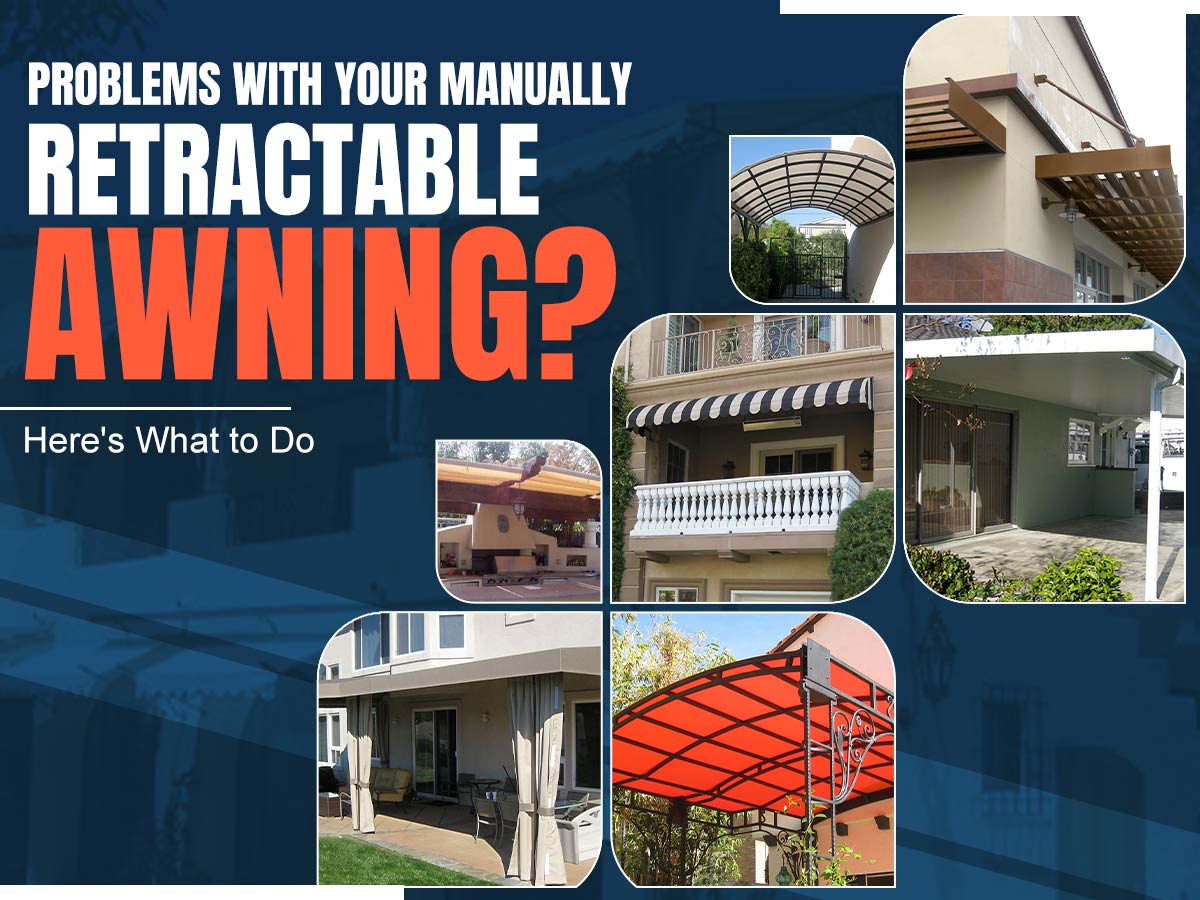
Credit: customawningscanopies.com
Common Awning Issues
Sunsetter awnings add comfort and style to outdoor spaces. Yet, like any product, they face common issues. Knowing these problems helps keep your awning in good shape. Simple fixes save time and money.
Below are frequent problems that affect Sunsetter awnings. Each issue has clear signs and easy solutions.
Fabric Tears And Holes
Fabric damage is a top complaint. Sun, wind, and rain wear down the material. Small tears can grow quickly. Holes let in sunlight and water. Check fabric regularly for damage. Repair tears early to avoid bigger problems.
Motor Malfunctions
The motor controls the awning’s movement. Motors can fail due to age or power issues. Sometimes the motor stops suddenly. Other times it moves slowly or unevenly. Test the motor often to catch problems early. Replace or repair faulty motors to keep smooth operation.
Frame And Support Problems
Frames support the fabric and motor. Rust and loose bolts weaken frames. Bent arms or broken parts reduce strength. Strong frames keep awnings steady in wind. Tighten bolts and clean metal parts. Replace damaged frame pieces quickly.
Awning Won’t Retract Or Extend
Sometimes the awning gets stuck. It may fail to pull out or roll back. This issue can come from motor failure or frame damage. Dirt and debris in tracks also cause jamming. Clean tracks and check the motor. Fix or replace broken parts to restore smooth action.
Diagnosing The Problem
Diagnosing problems with your Sunsetter awning helps save time and money. Start by checking the main areas carefully. Look for signs that show what part needs fixing. This guide breaks down the steps to find the issue quickly. Follow each step to understand what is wrong.
Visual Inspection Tips
Begin by looking closely at the awning. Check for tears, holes, or loose fabric. Notice if the awning is uneven or sagging. Look for rust or damage on the frame and arms. Make sure the awning is clean from dirt and debris. Clear dirt can stop the awning from working well.
Checking Electrical Components
Unplug the awning before checking wires and plugs. Look for broken or frayed wires. Check the power source and any switches. Test the remote control batteries and buttons. Listen for unusual sounds from the motor. A quiet motor might mean it is not working.
Assessing Mechanical Parts
Check the arms and joints for stiffness or breaks. Try moving the arms by hand to see if they move freely. Look at the springs and screws for tightness or damage. Test the roller tube to see if it spins smoothly. Lubricate parts that seem stuck or noisy. Loose parts can cause the awning to fail.
Quick Fixes For Fabric Damage
Fabric damage on your Sunsetter awning can spoil your outdoor fun. Quick fixes help save time and money. Small tears and worn panels do not always need full replacement. Simple repairs keep your awning looking fresh and working well.
Patching Small Tears
Small tears can grow if left alone. Clean the area around the tear carefully. Use a patch kit designed for outdoor fabrics. Cut the patch slightly larger than the tear. Attach it smoothly with strong adhesive or sew it on gently. Let it dry fully before rolling up the awning.
Replacing Fabric Panels
Big tears or worn spots may need panel replacement. Order panels that fit your Sunsetter model exactly. Remove the damaged fabric by loosening the fasteners. Attach the new fabric carefully, making sure it is tight. Check the fabric tension to avoid sagging. This fix extends the life of your awning.
Preventing Future Wear
Regular care stops damage before it starts. Clean your awning fabric gently with mild soap and water. Avoid harsh chemicals that weaken fabric fibers. Retract the awning during strong winds or storms. Use a protective cover when not in use for long. These steps keep your fabric strong and lasting longer.
Resolving Motor Issues
Sunsetter awnings sometimes face motor problems that stop them from working. The motor may not respond or may move slowly. Fixing these issues can bring your awning back to life quickly. Simple steps often solve the problem without extra costs.
Resetting The Motor
Start by resetting the motor to clear errors. Turn off the power to the awning. Wait for about one minute before turning it back on. Press the reset button if your model has one. This can fix small motor glitches fast. Try operating the awning again after the reset.
Lubricating Moving Parts
Dry or stiff parts make the motor work harder. Use a silicone-based spray to lubricate the joints and gears. Avoid oil that attracts dirt and dust. Lubrication helps the motor run smoothly. It can also reduce strange noises and prevent wear.
When To Call A Professional
Call a technician if the motor still does not work after trying these steps. Strange sounds or burning smells mean serious problems. A professional can check wiring and motor parts safely. Avoid forcing the awning as it may cause more damage.
Repairing Frame And Supports
The frame and supports of your Sunsetter awning are vital for its strength and stability. Repairing these parts keeps your awning working safely and smoothly. Small problems can turn into big issues if not fixed fast. Regular checks help catch damage early. This section covers key repairs you can do yourself or with a helper.
Tightening Loose Bolts
Loose bolts can make the awning feel shaky or unsafe. Use a wrench to check all bolts on the frame and supports. Tighten any that feel loose. Do not overtighten. Check bolts after windy days or heavy use. Tight bolts keep the awning firm and prevent damage.
Straightening Bent Arms
Bent arms affect how the awning opens and closes. Small bends can be fixed with gentle pressure. Use a rubber mallet or a soft tool to avoid breaking the metal. For big bends, call a professional. Straight arms make sure the fabric stretches evenly and the awning works well.
Replacing Broken Components
Broken parts like arms, brackets, or bolts need immediate replacement. Use original parts for best fit and safety. Remove the damaged pieces carefully. Install new parts following the instructions. Test the awning after replacing parts to ensure smooth operation. Replace worn parts to avoid bigger repairs later.

Credit: libertydoorandawning.com
Maintenance Tips To Avoid Problems
Proper maintenance helps keep your Sunsetter awning working well. Regular care prevents common issues. Follow simple steps to extend its life. Avoid costly repairs with good habits.
Regular Cleaning
Clean your awning often to stop dirt buildup. Use mild soap and water with a soft brush. Avoid harsh chemicals that may damage fabric or metal parts. Rinse thoroughly to remove soap. Let it dry completely before rolling it up.
Seasonal Care
Check your awning before each season changes. Look for tears, loose screws, or rust spots. Tighten bolts and replace damaged parts quickly. Apply fabric protectant if recommended by the manufacturer. This keeps the material strong through weather changes.
Proper Storage Practices
Store the awning in a dry place during winter or long breaks. Roll it up neatly without forcing it. Use a cover to protect from dust and moisture. Avoid placing heavy objects on stored awnings. Proper storage stops mold and mechanical damage.

Credit: www.discountmikeblinds.net
Frequently Asked Questions
What Are Common Sunsetter Awning Problems?
Sunsetter awnings often face issues like motor failure, fabric tears, and frame damage.
How Do I Fix A Sunsetter Awning Motor Issue?
Check the power source and wiring first; replace the motor if it doesn’t respond.
Why Won’t My Sunsetter Awning Retract Properly?
Debris or damage in the roller tube or arms can block smooth retraction.
How To Prevent Fabric Damage On A Sunsetter Awning?
Regular cleaning and avoiding harsh weather helps keep the fabric strong and tear-free.
Can I Replace Parts On A Sunsetter Awning Myself?
Yes, many parts like motors and arms can be replaced with basic tools and guides.
Conclusion
Sunsetter awning problems can be annoying but fixable. Knowing common issues saves time and money. Regular care keeps the awning working well longer. Check for damage and clean the fabric often. Small repairs stop bigger problems later. Use the right tools and parts for fixes.
Stay patient and follow simple steps carefully. Your awning will stay strong and useful. Enjoy shade and comfort without stress. Maintenance matters. Keep your Sunsetter awning in top shape.