
Are you having trouble with your Triangle Tube boiler? If your heating system isn’t working like it used to, you’re not alone.
Many homeowners face common issues that can make your boiler less efficient or even stop it from working altogether. Understanding these problems can save you time, money, and stress. You’ll discover the most frequent Triangle Tube boiler problems and how to spot them early.
Keep reading to protect your home’s comfort and avoid costly repairs.
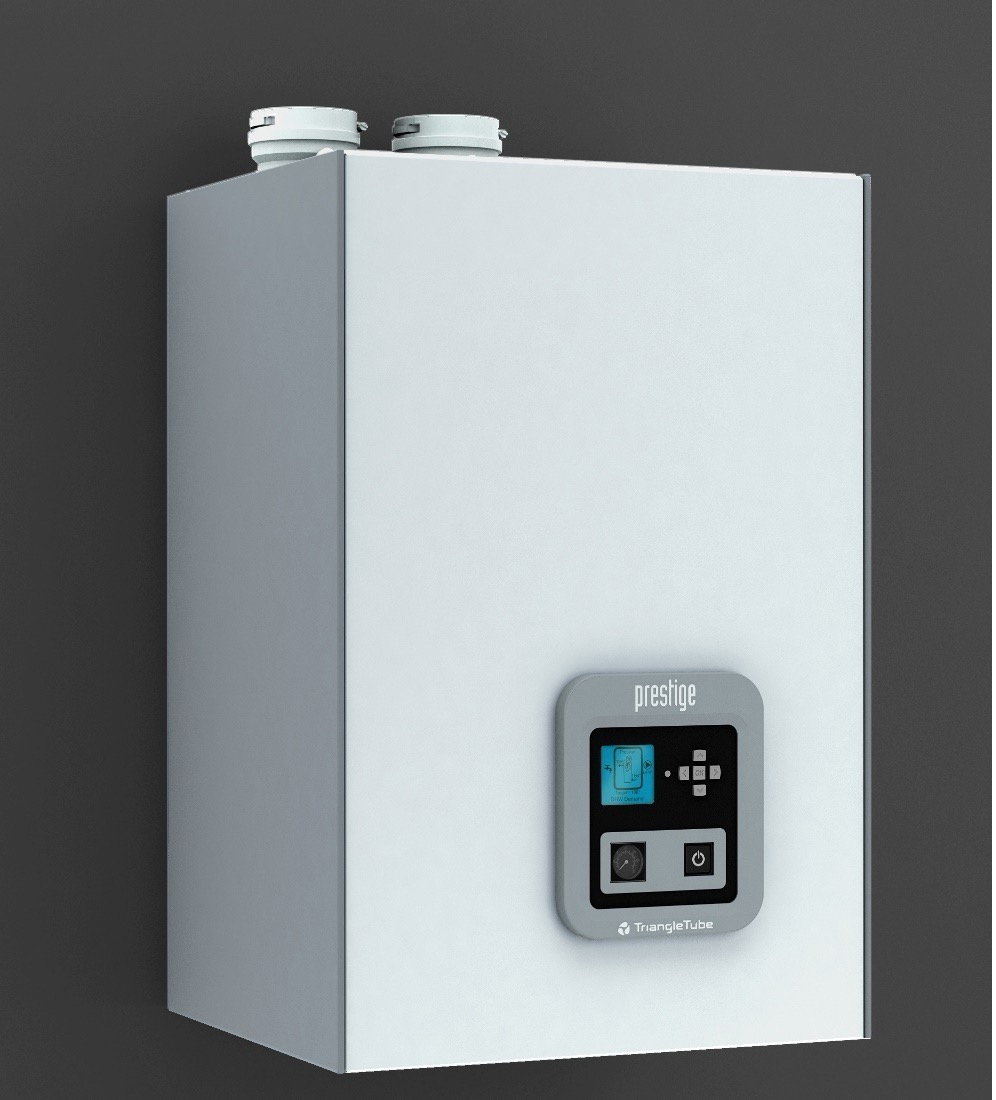
Credit: www.cpsc.gov
Common Triangle Tube Boiler Issues
Triangle Tube boilers are popular for home heating. Like all boilers, they face some common problems. Understanding these issues helps you keep your boiler working well. Below are typical problems that many owners report.
Ignition Failures
Ignition failure happens when the boiler does not start. This may be due to dirty burners or faulty igniters. Sometimes, a weak gas supply can cause ignition issues. Regular cleaning and checks can reduce this problem.
Noisy Operation
Strange noises from the boiler can signal trouble. Banging or knocking sounds often mean trapped air or scale buildup. These noises can harm boiler parts if ignored. Bleeding radiators and flushing the system may help.
Pressure Fluctuations
Boiler pressure should stay steady. Too high or low pressure causes shutdowns or leaks. Pressure drops may come from leaks or bleeding radiators. Checking the pressure gauge regularly is important for safety.
Water Leaks
Leaks can appear around the boiler or pipes. These leaks lower system pressure and waste water. Common causes include loose joints or worn seals. Fixing leaks early prevents bigger damage and costly repairs.
Thermostat Malfunctions
A faulty thermostat can make the boiler run too much or too little. This causes discomfort and wastes energy. Sometimes, the thermostat loses connection or needs new batteries. Testing and replacing it can restore proper heating.
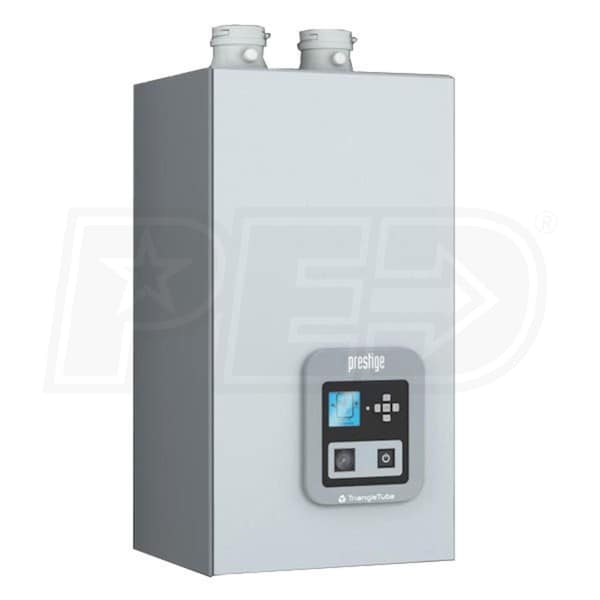
Credit: www.ecomfort.com
Diagnosing Boiler Problems
Diagnosing problems with a Triangle Tube boiler involves careful checking and understanding of its parts and signals. Early diagnosis helps avoid bigger issues and costly repairs. This process requires simple steps anyone can follow. Knowing what to look for makes troubleshooting easier and faster.
Checking Error Codes
Triangle Tube boilers show error codes on the control panel. These codes explain what is wrong inside the system. Write down the code exactly as it appears. Use the boiler manual or official website to find the meaning. Error codes guide the repair and save time.
Inspecting Components
Look closely at boiler parts like pumps, valves, and sensors. Check for leaks, corrosion, or broken pieces. Ensure wiring is tight and clean. Dirty or damaged parts often cause malfunctions. Regular inspection catches small problems early.
Monitoring System Pressure
Boilers need the right water pressure to work well. Use the pressure gauge to check this. Normal pressure usually ranges between 12 to 15 psi. Pressure too low or too high can stop the boiler. Adjust pressure following the manual instructions.
Evaluating Water Quality
Water inside the boiler must be clean and free of minerals. Hard water causes scale build-up, reducing efficiency. Test the water for hardness and impurities. Use filters or water softeners if needed. Good water quality helps the boiler last longer.
Diy Fixes For Minor Issues
Minor issues with your Triangle Tube boiler can often be fixed at home. These small problems do not always need a professional. Simple steps can save time and money. Basic fixes keep your boiler running smoothly and safely.
Resetting The Boiler
Sometimes the boiler stops due to a small error. Resetting clears this and lets it start again. Find the reset button on the control panel. Press and hold it for a few seconds. Wait for the boiler to restart. This may fix the problem quickly.
Bleeding Radiators
Air trapped in radiators causes cold spots and noise. Bleeding removes the air and improves heat flow. Use a radiator key to open the valve slowly. Let the air escape until water appears. Close the valve tightly to avoid leaks. This helps your heating work better.
Replacing Filters
Dirty filters block water flow and reduce boiler efficiency. Check the filter regularly to keep it clean. Turn off the boiler and close water valves first. Remove the filter carefully and clean or replace it. This keeps your boiler healthy and lasting longer.
Adjusting Thermostat Settings
Incorrect thermostat settings cause uneven heating or no heat. Check the thermostat display for the current temperature. Set the desired temperature clearly and simply. Avoid setting it too high or too low. Proper settings help save energy and keep rooms comfortable.
When To Call A Professional
Triangle Tube boilers are reliable but can face issues over time. Knowing when to call a professional helps avoid bigger problems. Some signs show that expert help is needed right away. Others suggest routine checks to keep the system running well. Understanding these signs saves time and money.
Persistent Ignition Problems
If the boiler won’t start after several tries, it needs a pro. Ignition problems can mean a faulty igniter or gas supply issues. Fixing these requires special tools and skills. Avoid trying to fix ignition issues yourself. It can be dangerous and cause more damage.
Severe Leaks
Leaks inside or around the boiler need immediate attention. Water leaks can damage your home and reduce heating efficiency. Identifying the source of the leak can be tricky. A professional will fix leaks safely and prevent future problems.
Complex Electrical Issues
Electrical problems in your boiler are not simple to handle. Faulty wiring or control board issues need expert diagnosis. Mishandling electrical parts can cause shocks or fire. Professionals have the tools and experience to fix these safely.
Annual Maintenance Checks
Scheduling yearly maintenance keeps the boiler in top shape. A pro will clean parts, check for wear, and test safety controls. Regular checks help spot small issues before they grow. This saves money and avoids unexpected breakdowns.
Preventative Tips For Longevity
Keeping a Triangle Tube boiler running smoothly depends on regular care. Simple steps help avoid common problems. These tips extend the boiler’s life and keep it working well.
Regular Cleaning
Clean the boiler parts often to stop dirt buildup. Dirt can block heat transfer and cause damage. Use a soft brush or cloth to remove dust and soot. Regular cleaning keeps the system efficient and safe.
Water Treatment
Use treated water to prevent corrosion and scale inside the boiler. Hard water causes mineral deposits that reduce heating efficiency. Adding water softeners or conditioners protects the metal parts. This step saves money on repairs and energy.
Routine Inspections
Check the boiler regularly for leaks, cracks, or rust. Look at pipes, valves, and the burner closely. Early detection of problems prevents major breakdowns. Schedule inspections every few months to keep the system in good shape.
Proper Ventilation
Ensure the boiler room has enough airflow. Good ventilation stops overheating and removes harmful gases. Keep vents clear and unobstructed at all times. Proper airflow helps the boiler work safely and efficiently.

Credit: www.ecomfort.com
Frequently Asked Questions
What Are Common Triangle Tube Boiler Problems?
Triangle Tube boilers often face issues like leaks, noisy operation, and poor heating.
How To Fix A Leaking Triangle Tube Boiler?
Check seals and pipes; tight connections usually stop leaks quickly.
Why Is My Triangle Tube Boiler Making Loud Noises?
Noises often mean trapped air or low water pressure inside the system.
How Often Should I Service My Triangle Tube Boiler?
Regular service every year keeps it running safely and avoids breakdowns.
What Causes Triangle Tube Boiler To Lose Pressure?
Pressure loss usually happens from leaks or a faulty pressure relief valve.
Conclusion
Triangle Tube boilers can face common problems like leaks and noise. Regular checks help spot issues early. Fix small problems fast to avoid big repairs. Clean parts keep the boiler running well. Use trusted technicians for repairs and service. Knowing these tips saves time and money.
Keep your boiler safe and warm all winter. Stay aware, act quickly, and enjoy steady heat.