
If you rely on your John Deere equipment, you know how important it is to keep everything running smoothly. But what happens when your tractor or mower won’t start or suddenly dies?
One common culprit is the fuel shut off solenoid. Understanding the problems that can arise with this small but crucial part can save you time, money, and frustration. You’ll discover the signs of a faulty fuel shut off solenoid, why it happens, and how you can fix it before it stops your work in its tracks.
Keep reading to protect your machine and keep it powering forward.
Common Fuel Shut Off Solenoid Issues
Fuel shut off solenoids in John Deere machines control the flow of fuel to the engine. Problems with these solenoids can cause serious issues. Understanding common problems helps you spot trouble early. It also saves time and repair costs.
Solenoids can wear out or get dirty. Electrical faults can stop them from working. These issues disrupt fuel flow and affect machine operation. Knowing the signs can prevent bigger engine damage.
Symptoms Of A Faulty Solenoid
One common symptom is the engine not starting. The solenoid may fail to open, blocking fuel. Another sign is the engine stalling suddenly during use. This happens when the solenoid closes unexpectedly.
You might notice rough idling or poor acceleration. Fuel supply becomes inconsistent with a bad solenoid. Some machines show warning lights or error codes. Listen for clicking noises near the fuel pump.
Impact On Engine Performance
A faulty solenoid reduces engine power. The engine might run weak or hesitate. Fuel cut-off causes sudden stops and loss of control. This can be dangerous during work.
Fuel efficiency drops as the engine struggles. More fuel may be wasted due to poor delivery. Over time, repeated fuel cut-offs can damage engine parts. Regular checks keep performance steady and reliable.

Credit: uniquepublishers.in
Root Causes Of Solenoid Failures
John Deere fuel shut off solenoid failures can stop your machine from running. Understanding the root causes helps in fixing the problem fast. Solenoids work by controlling fuel flow. When they fail, the engine may not start or run properly.
Several factors cause solenoid failures. These include electrical issues, mechanical wear, and fuel problems. Each factor affects solenoid performance differently. Knowing these causes helps you identify the problem quickly.
Electrical Problems
Electrical faults often cause solenoid failure. Wiring issues like broken or corroded wires stop current flow. A weak battery or bad connections can also affect the solenoid. Sometimes, the solenoid coil burns out due to excess voltage. Testing electrical parts can find these problems.
Mechanical Wear And Tear
Solenoids have moving parts that wear over time. Springs and plungers can get stuck or broken. Dirt and rust cause parts to jam inside the solenoid. Constant use without maintenance speeds up damage. Replacing worn parts can restore solenoid function.
Fuel Contamination
Dirty fuel clogs the solenoid valve. Water, dirt, and debris harm solenoid operation. Contaminants cause corrosion and block fuel flow. Using clean fuel and filters reduces this risk. Regular fuel system cleaning keeps the solenoid working well.
Diagnosing Solenoid Problems
Diagnosing problems with the John Deere fuel shut off solenoid requires a careful approach. This part controls the fuel flow to your engine. If it fails, the engine may not start or stall unexpectedly. Finding the issue early can save you from bigger repairs later.
This section explains how to check the solenoid step by step. It covers visual checks, testing electrical connections, and using a multimeter for precise results. Each method helps identify specific faults quickly.
Visual Inspection Tips
Start by examining the solenoid and its wiring closely. Look for cracks, corrosion, or loose wires. Dirt or oil buildup can block the solenoid’s movement. Check the mounting bolts to ensure the solenoid is secure. Any damage or wear may cause failure.
Testing Electrical Connections
Check the wires connecting the solenoid to the battery and ignition switch. Use a test light or simple voltage tester to see if power reaches the solenoid. Loose or broken wires can stop the solenoid from working. Clean any dirty terminals and tighten connections for better contact.
Using A Multimeter For Accuracy
A multimeter measures voltage, resistance, and continuity. Set it to the correct setting before testing. Measure the coil resistance of the solenoid to find shorts or open circuits. Check the voltage at the solenoid terminals while the ignition is on. Correct readings show the solenoid is getting power and should work properly.
Credit: www.greentractortalk.com
Quick Fixes To Try
John Deere fuel shut off solenoid problems can stop your machine from running. Quick fixes may help you get back to work fast. These simple steps can save time and money before calling a professional.
Cleaning The Solenoid
Dirt and grime often block the solenoid. Start by disconnecting the battery for safety. Remove the solenoid carefully. Use a soft brush or cloth to clean it. Avoid using water or harsh chemicals. A clean solenoid can restore proper fuel flow and function.
Repairing Wiring And Connectors
Loose or damaged wires cause many solenoid issues. Check all wiring and connectors for damage. Tighten loose connections with a screwdriver. Replace frayed or broken wires. Good wiring ensures the solenoid gets power and signals correctly.
Temporary Bypass Solutions
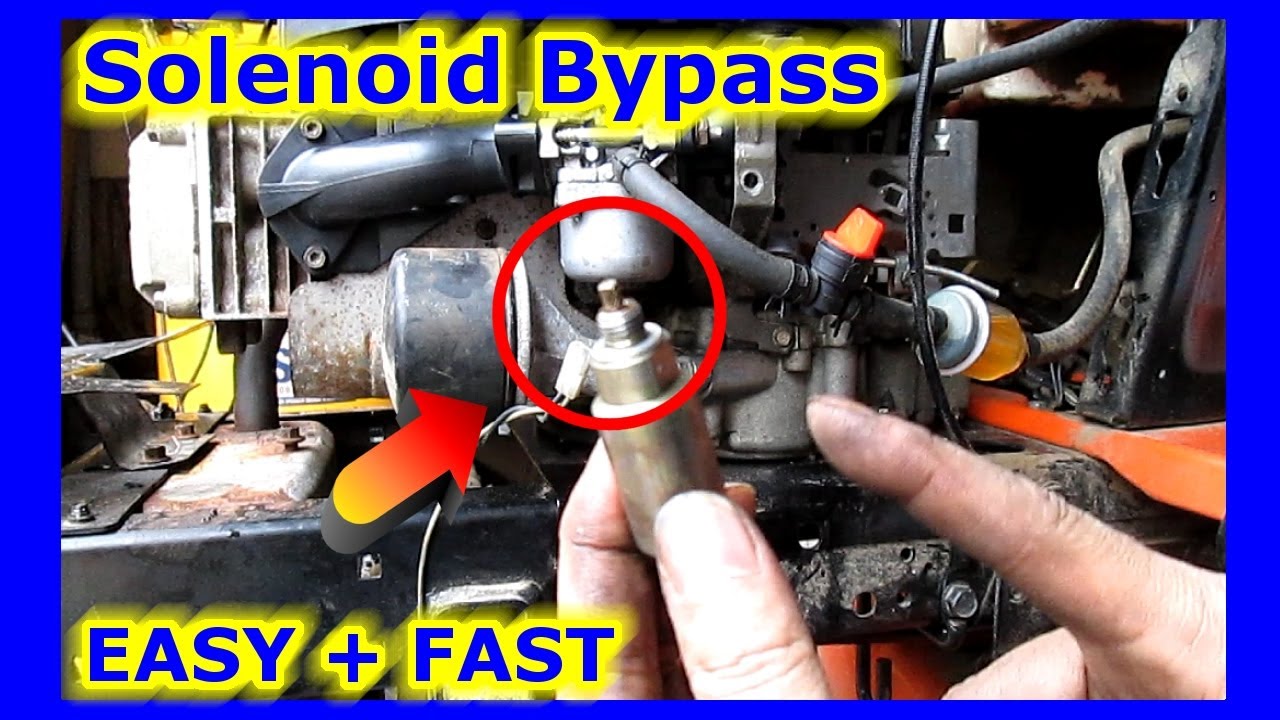
A temporary bypass may keep your equipment running. Use this only for short periods. Disconnect the solenoid and connect the fuel line directly. This allows fuel to flow without solenoid control. Remember, bypassing removes safety controls and should be fixed soon.
When To Replace The Solenoid
The John Deere fuel shut off solenoid controls fuel flow to the engine. Over time, this part can wear out or fail. Knowing when to replace it helps keep your machine running smoothly. Delaying replacement can cause starting problems or engine stalling. Watch for clear signs that signal a replacement is necessary. Use the right replacement part for best performance and safety.
Signs Replacement Is Necessary
Engine hard starts or fails to start at all. The engine stalls without warning during operation. You hear a clicking sound near the solenoid. The fuel flow does not stop when the engine is off. The solenoid feels hot or damaged to touch. These signs mean the solenoid may be faulty. Ignoring these signs can damage your engine further.
Choosing The Right Replacement Part
Use parts designed specifically for your John Deere model. Check the solenoid’s voltage and size before buying. OEM parts usually offer better reliability and fit. Avoid cheap or generic parts that may fail quickly. Confirm part numbers with your owner’s manual or dealer. Correct parts ensure proper fuel control and engine safety. Proper installation also extends the solenoid’s life.
Credit: www.youtube.com
Preventing Future Solenoid Issues
Preventing future issues with the John Deere fuel shut off solenoid helps keep your machine running smoothly. Small steps can stop big problems before they start. Understanding how to care for the solenoid extends its life and saves repair costs.
Regular Maintenance Tips
Check the solenoid regularly for dirt and damage. Clean it gently with a soft cloth to remove dust. Tighten any loose connections to keep the solenoid working well. Replace worn parts early to avoid breakdowns. Follow the maintenance schedule in your John Deere manual. Regular checks catch problems early and keep fuel flow steady.
Fuel Quality Best Practices
Use clean, fresh fuel to protect the solenoid. Old or dirty fuel clogs the system and wears parts fast. Store fuel in sealed containers to stop dirt and water from mixing in. Avoid filling up at unreliable stations that may sell poor-quality fuel. Use fuel additives only if recommended by John Deere. Good fuel quality means fewer solenoid problems and longer engine life.
Frequently Asked Questions
What Causes John Deere Fuel Shut Off Solenoid Problems?
Common causes include dirt buildup, electrical issues, or mechanical wear in the solenoid.
How To Test A John Deere Fuel Shut Off Solenoid?
Use a multimeter to check for electrical continuity and listen for a clicking sound when powered.
Can A Faulty Solenoid Stop The Engine From Starting?
Yes, a bad solenoid can cut off fuel, preventing the engine from starting.
How To Fix A Stuck Fuel Shut Off Solenoid?
Clean or replace the solenoid to restore proper fuel flow and engine function.
How Often Should John Deere Solenoids Be Inspected?
Check solenoids during regular maintenance, ideally every 6 months or 100 hours of use.
Conclusion
John Deere fuel shut off solenoid problems can cause engine issues. Regular checks help find problems early. Clean parts avoid dirt buildup and failure. Quick repairs keep your machine working well. Knowing common signs saves time and money. Keep your equipment ready for work each day.
Trust simple care to extend solenoid life. Small steps prevent big breakdowns on the field. Stay alert to any unusual engine behavior. Your tractor’s health depends on good maintenance.