
Is your GE washer not draining properly? It’s frustrating when your laundry piles up, and your washer leaves water behind.
You might wonder what’s causing this problem and how to fix it quickly. You’ll discover simple steps to get your washer draining like new again. Keep reading, because the solution might be easier than you think—and it can save you time, money, and hassle.

Credit: www.callahansappliance.com
Common Causes Of Drainage Issues
Drainage problems in a GE washer can stop your laundry routine. Understanding common causes helps fix the issue faster. Many drainage issues stem from simple blockages or faulty parts. Knowing these causes saves time and effort. Below are the main reasons why your GE washer might not drain properly.
Clogged Drain Hose
The drain hose carries water out of the washer. It can get clogged with lint, dirt, or small items. A blocked hose stops water from flowing out. Cleaning or replacing the hose often restores proper drainage.
Blocked Pump Filter
The pump filter catches debris to protect the pump. Over time, lint and coins can block the filter. A blocked filter prevents water from draining. Cleaning the filter regularly keeps water flowing smoothly.
Faulty Drain Pump
The drain pump pushes water out of the washer. A broken pump can fail to remove water completely. Strange noises or no water flow signal pump problems. Replacing the pump fixes the drainage issue.
Lid Switch Problems
The lid switch stops the washer if the lid opens. A bad switch can confuse the washer, stopping drainage. Testing or replacing the lid switch can restore normal function.
Tools Needed For Quick Repairs
Fixing a GE washer that does not drain often starts with having the right tools. Using proper tools saves time and avoids damage. Some tools are common in most homes. Others are specific for washers.
Basic Household Tools
A few basic tools help with most washer repairs. A screwdriver set is essential. Both flathead and Phillips screwdrivers are needed. Pliers help remove hoses and clamps. A flashlight helps see inside tight spaces. A bucket or bowl catches water when disconnecting hoses. A wrench set may be needed to loosen nuts. A towel or rag cleans up spills quickly.
Specialized Washer Tools
Some repairs require tools made for washers. A multimeter tests electrical parts for power flow. A socket set fits specific washer bolts. A drain pump removal tool helps take out the pump. Hose clamp pliers open tight clamps easily. A tub seal puller removes seals without damage. These tools may not be in every home but are worth having for quick fixes.
Step-by-step Drain Hose Cleaning
Cleaning the drain hose is key to fixing a GE washer that won’t drain. Dirt and debris can block the hose. This stops water from flowing out properly. A step-by-step guide helps you clean the hose safely and easily. Follow each step to avoid damage and get your washer draining again.
Disconnecting The Hose
First, unplug the washer from the power source. Turn off the water supply to avoid spills. Locate the drain hose at the back of the washer. Use pliers to loosen the clamp holding the hose. Gently pull the hose free from the washer and the drainpipe. Have a bucket ready to catch any leftover water inside the hose.
Clearing Blockages
Check inside the hose for clogs. Use a long flexible brush or a straightened wire hanger. Push the tool through the hose to remove lint and debris. Flush the hose with water from a garden hose or tap. Repeat if water does not flow freely. Clear all blockages to ensure smooth draining.
Reconnecting Securely
Slide the drain hose back onto the washer and drainpipe. Tighten the clamp firmly to hold the hose in place. Make sure the hose is not kinked or bent sharply. Plug the washer back into the power outlet. Turn on the water supply. Run a short wash cycle to check if the washer drains correctly.

Credit: atechappliance.com
How To Clean The Pump Filter
Cleaning the pump filter is a key step to fix a GE washer not draining. The filter catches small items and dirt that block water flow. Regular cleaning keeps your washer working well and stops drainage problems.
Locating The Filter
First, find the pump filter. It is usually at the front bottom of the washer. Look for a small door or panel. Open it carefully. You may need a towel ready for water spills.
Removing Debris
Turn the filter knob slowly to open it. Water may come out, so be ready. Take out lint, coins, or other debris inside the filter. Use your fingers or a soft cloth. Make sure it is clean before putting it back.
Reinstalling The Filter
Put the filter back into its place. Turn the knob to secure it tightly. Close the access panel or door. Run a short wash cycle to check if water drains well now.
Testing And Replacing The Drain Pump
Testing and replacing the drain pump is a key step to fix a GE washer not draining. The drain pump moves water out of the washer during the spin cycle. If it breaks or clogs, water stays inside the drum. This causes washing problems and might damage the machine. Follow simple steps to check the pump’s work and replace it if needed.
Checking For Faulty Operation
Unplug the washer before testing the pump. Remove the back panel to see the drain pump. Look for any blockages or debris around the pump. Use a multimeter to check the pump motor’s electrical parts. A reading of zero or very high resistance means the pump is faulty. Also, listen for strange noises during the drain cycle. A noisy pump often means damage or blockage.
Removing The Pump
Turn off the water and unplug the washer. Place a towel or shallow pan to catch water spills. Disconnect the wires from the drain pump carefully. Loosen the clamps holding the drain hoses to the pump. Remove the screws or clips that hold the pump in place. Gently pull the pump out without damaging other parts. Keep all screws and parts safe for reassembly.
Installing A New Pump
Get a replacement pump made for your GE washer model. Position the new pump where the old one was removed. Secure it with screws or clips firmly. Attach the drain hoses and tighten the clamps. Reconnect the electrical wires to the pump terminals. Close the back panel of the washer. Plug in the washer and run a test cycle to check the pump works properly.
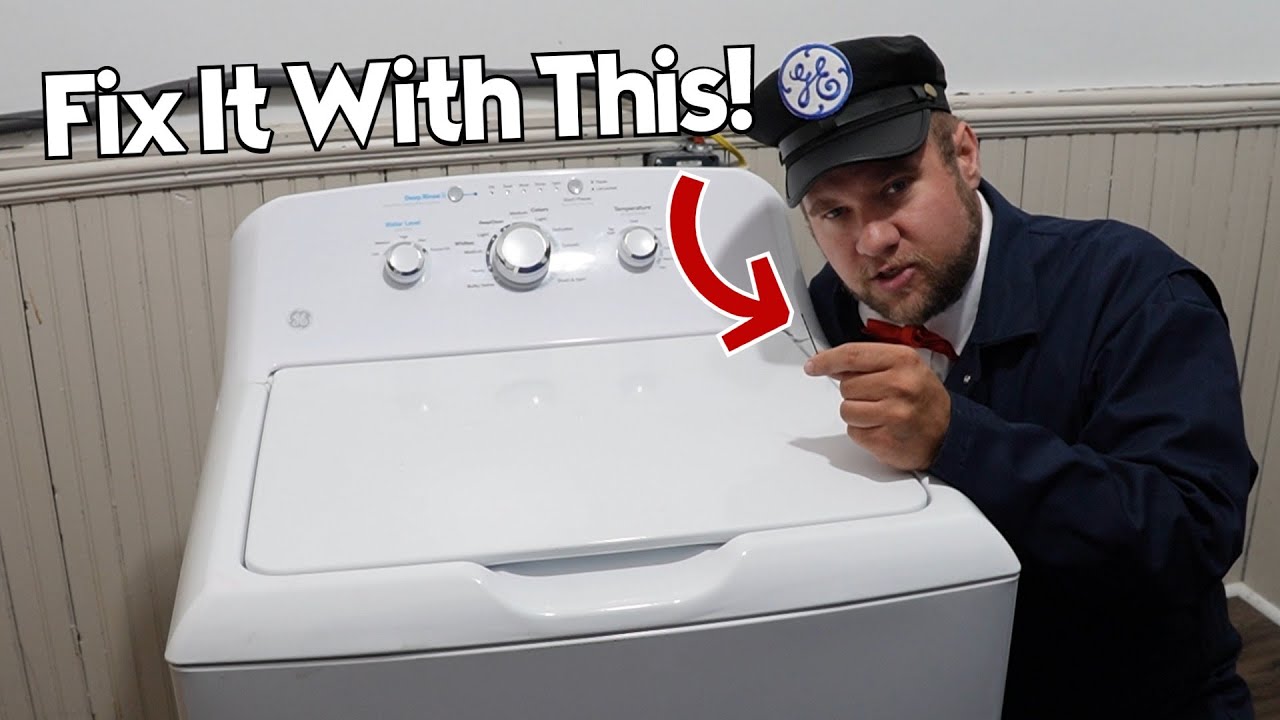
Fixing Lid Switch Issues
Fixing lid switch issues is important when your GE washer is not draining. The lid switch is a safety part. It stops the washer from spinning when the lid is open. If the switch is broken, the washer might not drain or spin properly.
Checking and fixing this part can save you time and money. It is a simple repair that many can do at home. Let’s explore how to identify and replace a broken lid switch.
Identifying A Broken Switch
First, listen for a clicking sound when you close the lid. The click means the switch is working. No click? The switch may be broken.
Look for visible damage or wear on the switch. You can test it with a multimeter for electrical continuity. No continuity means the switch is faulty. This stops the washer from draining and spinning.
Replacing The Switch
Unplug the washer before starting any repair. Remove the control panel or access panel to reach the lid switch. Take out the old switch by disconnecting wires and screws.
Install the new switch by reversing the removal steps. Connect wires tightly and secure screws. Close the panels and test the washer. The washer should now drain and spin correctly.
Preventive Maintenance Tips
Preventive maintenance helps keep your GE washer draining properly. Small actions can stop big problems. Regular care saves time and repair costs. Follow these simple tips to keep your washer working well.
Regular Cleaning Schedule
Clean the washer drum and detergent dispenser often. Remove any lint, dirt, or soap buildup. Check the drain pump filter monthly. Clear any blockages to let water flow freely. A clean washer drains faster and works better.
Avoiding Overloads
Do not put too many clothes in the washer. Overloading strains the motor and pump. It can cause water to stay inside. Wash smaller loads for better water drainage. Your washer lasts longer with proper load sizes.
Using Proper Detergents
Use detergents made for high-efficiency washers. Avoid using too much detergent. Excess soap creates suds that block drains. Follow the detergent instructions on the label. Right detergent use helps water flow and cleans clothes well.
Credit: www.youtube.com
Frequently Asked Questions
Why Is My Ge Washer Not Draining Water?
A blocked drain hose or pump can stop water from draining properly.
How Do I Fix A Ge Washer That Won’t Drain?
Check and clean the drain hose, pump filter, and remove any clogs.
Can A Faulty Lid Switch Cause Ge Washer Not To Drain?
Yes, a broken lid switch can stop the washer from spinning or draining.
How Do I Know If The Drain Pump Is Bad?
Listen for a humming sound or no sound when draining; it may need replacement.
What Maintenance Prevents Ge Washer Draining Problems?
Regularly clean the drain hose and pump filter to avoid blockages and drainage issues.
Conclusion
A GE washer not draining can cause big problems. Check the drain hose for clogs or kinks first. Clean the pump filter to remove trapped debris. Make sure the lid switch works properly. Small fixes often solve the issue quickly.
Regular maintenance helps prevent future drain problems. Don’t ignore signs of trouble to save time and money. Taking action early keeps your washer running smoothly. Simple care keeps your laundry routine stress-free.