
A ground fault circuit interrupter, or GFCI, is designed to protect you from electric shock, but a refrigerator tripping gfci outlets is usually a sign of a minor moisture leak or a failing compressor component. If your fridge keeps cutting the power, the most common cause is a small amount of condensation leaking onto internal electrical parts, which creates a path for electricity to escape. You should first check the outlet for signs of moisture and ensure the appliance isn’t overloaded on the same circuit.
Why your refrigerator keeps tripping the GFCI
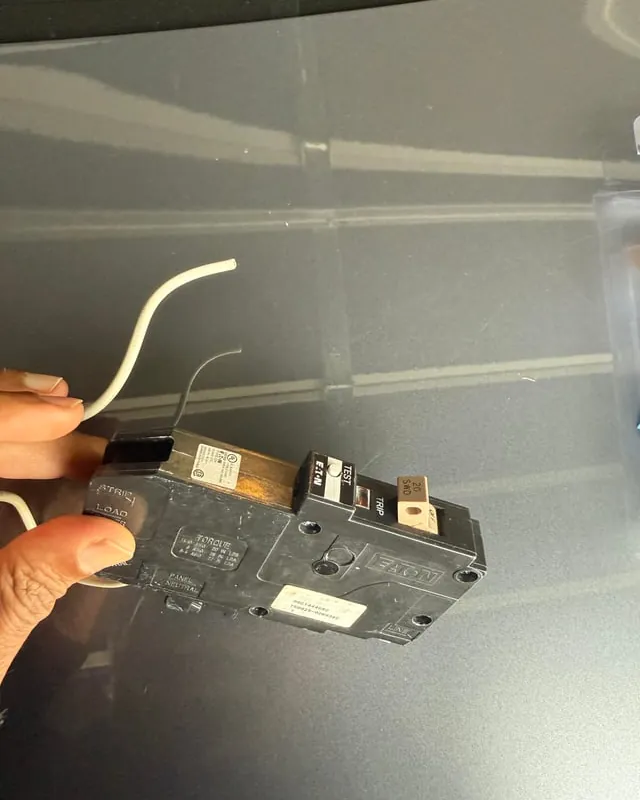
A GFCI outlet monitors the balance of electricity flowing out and returning back through the wires. If it detects even a tiny difference—as small as 5 milliamperes—it cuts the power to prevent a shock. In the case of a refrigerator, this sensitivity can be a problem because older appliances or those in humid environments often have slight natural current leaks that are perfectly safe but still trigger the device.
The most frequent culprit is moisture buildup near the defrost heater or the wiring harness. Over time, the seals around your fridge door can fail, allowing warm, humid air to enter. This air turns into frost, which then melts and drips onto electrical connections. Even a few drops of water in the wrong place can cause a “leak” that makes the outlet think there’s a dangerous fault.
Another cause is a failing compressor or capacitor. As these parts age, their internal insulation can break down, allowing a tiny amount of current to ground itself through the frame of the fridge.
While this is rarely enough to cause a fire, it’s enough to make a sensitive GFCI trip. According to the Electrical Safety Foundation International, these devices are essential for safety in damp areas, but they aren’t always compatible with the high startup current and natural leakage of older kitchen appliances.
Clean the condenser coils
If your fridge is older, dust and debris on the condenser coils can force the compressor to work much harder than it should. This extra work leads to overheating, which can cause internal components to expand and touch the metal frame, creating a path to ground. Cleaning these coils is a simple way to reduce the load on the motor.
Start by unplugging the refrigerator and locating the coils. They’re usually found either at the bottom behind a kick plate or on the back of the unit. Use a vacuum with a soft brush attachment to remove all dust, pet hair, and grime. If the coils are very dirty, a coil cleaning brush can help you reach the tight spaces between the fins.
After cleaning, check the area for any signs of standing water or damaged wires. If you see scorched plastic or frayed insulation, don’t attempt to repair these yourself. Electrical systems inside a fridge involve capacitors that can hold a dangerous, potentially lethal charge even after the unit is unplugged.
If you find damaged wiring, call a qualified appliance technician to handle the repair. Once the coils are clean, plug the unit back in and monitor it for 24 hours to see if the tripping continues.
Inspect the defrost heater
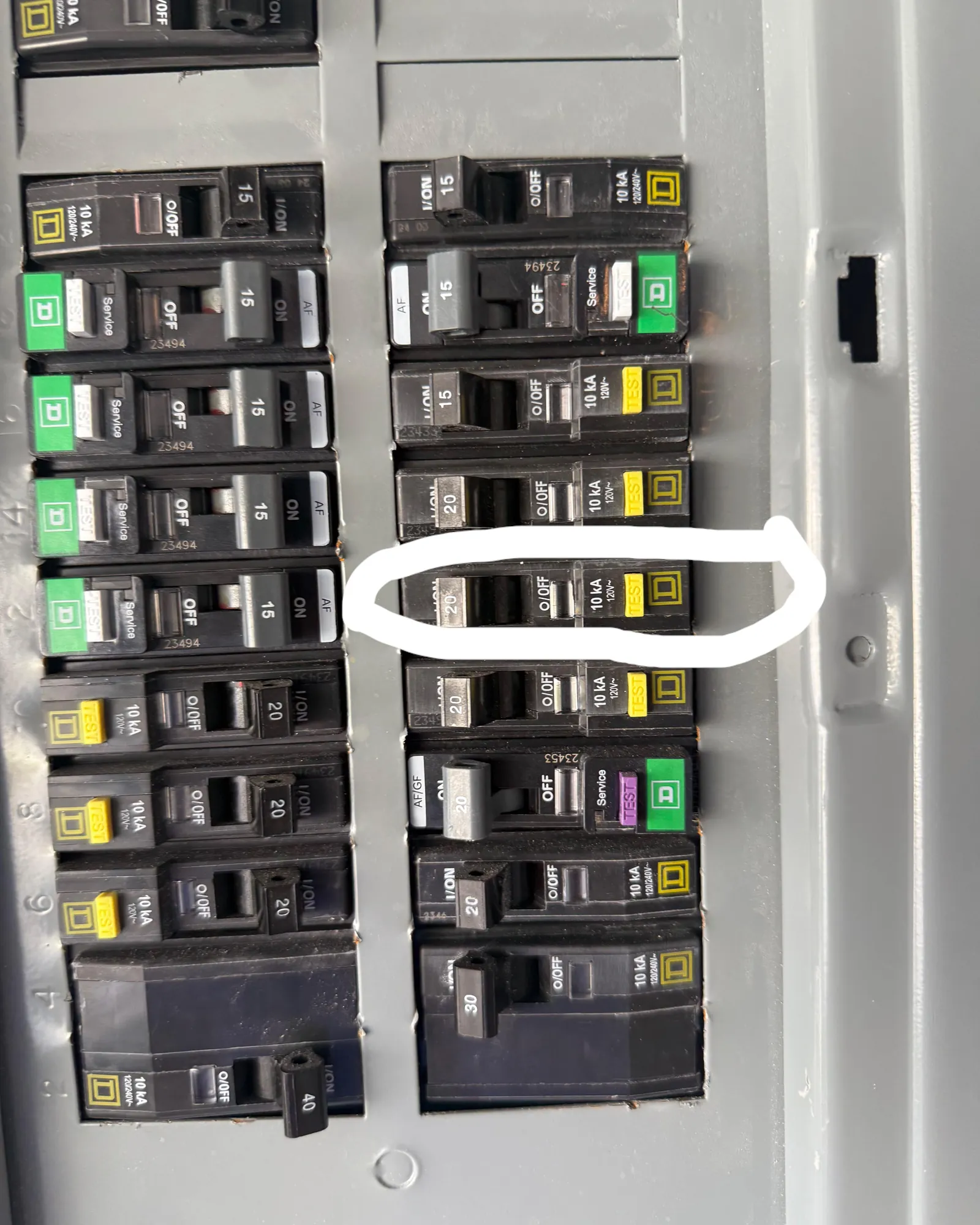
The defrost heater is a common source of intermittent GFCI trips because it sits inside the freezer section where ice and water are constant. If the heater’s insulation has cracked, water can seep inside and create a short circuit every time the fridge enters its automatic defrost cycle. This often happens once or twice a day, which explains why the outlet might trip at odd hours.
To check if the heater is the issue, look for visible signs of damage like rust, cracks in the glass tube, or blackened areas on the heating element. You can often see this by removing the back panel inside the freezer compartment. If the element looks damaged, it likely needs a replacement.
If the element looks fine, you can also check the wiring leading to it. Look for moisture or corrosion where the wires connect to the heater. If you’re comfortable using a multimeter, you can check for continuity, but remember that internal fridge repairs should be left to pros if you aren’t experienced. If you’re unsure, don’t force the unit to run. A professional technician can test the heater’s resistance and confirm if it’s the source of the ground fault.
Move to a standard outlet
If your refrigerator is in a location where a GFCI isn’t required by local building codes, moving it to a standard outlet can solve the problem instantly. Many older homes have GFCI outlets in the kitchen because of a blanket requirement, but a fridge doesn’t always need one if it isn’t near a sink or water source.
Before you make this change, check your local electrical codes or consult a licensed electrician. In many jurisdictions, the National Electrical Code requires GFCI protection for all kitchen outlets that serve countertops or are within six feet of a sink. If your fridge is in a garage or a basement, it may also fall under these rules depending on the age of your home.
If the law allows, have an electrician install a dedicated, non-GFCI outlet for the refrigerator. This is often the most reliable fix for a perfectly functional fridge that simply has a high leakage current that triggers sensitive safety devices.
Distinguish between a nuisance trip and a genuine fault by plugging a different appliance, like a lamp, into the same outlet. If the lamp stays on while the fridge trips the breaker, the issue is likely an internal fault within the refrigerator’s electrical system. If the lamp also trips the breaker, the lamp itself likely has a ground fault.
Never attempt to bypass a GFCI by using a three-prong adapter or a cheater plug. This removes the ground path, which creates a significant fire hazard and voids your home insurance policy in the event of an electrical accident. Always hire a professional to ensure the work meets local safety standards.
Common mistakes that cause tripping
Plugging multiple high-draw appliances into a single circuit often leads to voltage drops that trigger GFCI sensors. Limit your fridge to a dedicated circuit to prevent this instability.
If your defrost timer sticks in the “on” position, the internal heater will eventually overheat and force a ground fault. You can diagnose this by listening for a constant humming sound that never cycles off.
Avoid using long extension cords for refrigeration. These cords lack the wire gauge necessary to carry high current, creating resistance that generates heat and trips the outlet. If you must use one, have a technician verify that the cord is appropriate for your specific appliance.
Many homeowners replace the GFCI outlet first when a fridge trips, but the fault is almost always in the appliance’s compressor or wiring. If the breaker trips immediately after plugging in the fridge, the issue is internal. If it trips hours later, focus your search on the defrost cycle.
Preventing future electrical issues
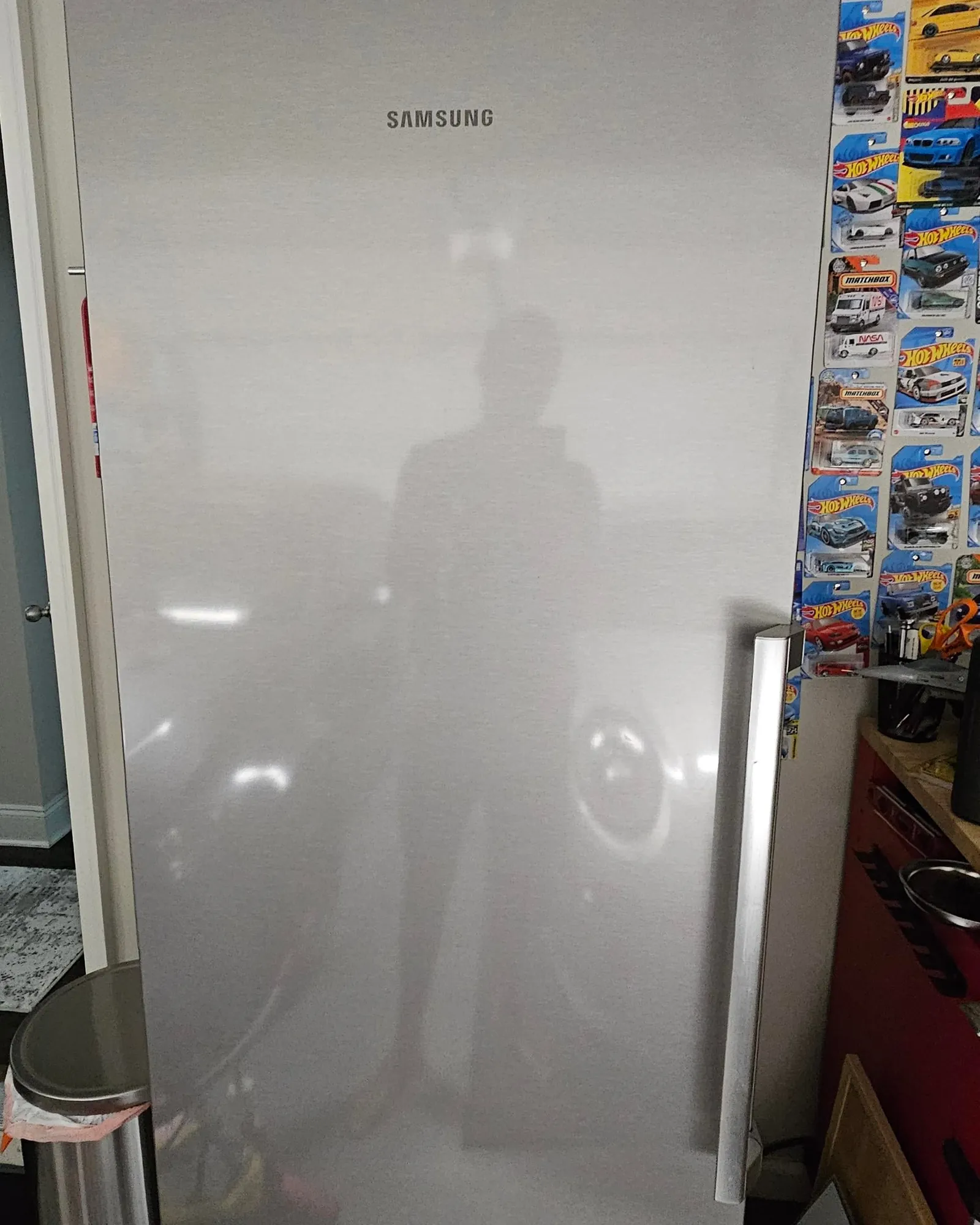
To keep your appliance running smoothly, you should match your maintenance schedule to the age and environment of your fridge. If you notice a trip, check your surroundings first.
| If you’re doing this | Do this instead | Why |
|---|---|---|
| Using an extension cord | Plug directly into the wall | Prevents heat and voltage drops |
| Ignoring dust on coils | Vacuum coils every 6 months | Reduces load on the compressor |
| Leaving door open too long | Check the door seals | Prevents excess frost and moisture |
| Resetting the outlet daily | Call a technician | Stops damage to the compressor |
If your fridge is aging, increase your vacuuming frequency to every three months. Older motors struggle more with heat dissipation, and a layer of dust can force the compressor to run longer each cycle.
Test your door seal by closing the door on a dollar bill. If the bill slides out with zero resistance, your gasket is failing and needs immediate replacement. Ignoring this leak creates a cycle of condensation that eventually shorts out the defrost heater. If you hear a persistent clicking sound, stop resetting the breaker immediately. That noise is the start relay failing, and continuing to force power through it will permanently burn out the compressor motor.
Related guides
Frequently asked questions
Can a refrigerator run safely on a GFCI outlet?
Yes, a refrigerator can run on a GFCI outlet, but older units often trip them due to minor electrical leakage. This leakage is a normal part of the aging process for compressor motors and heating elements. If a new fridge trips the outlet, it likely indicates a faulty component requiring professional repair.
How long does a GFCI outlet last?
A GFCI outlet will eventually need replacement, though environmental factors like humidity can shorten this lifespan. If your outlet trips frequently even when nothing is plugged into it, or if it fails the manual “test” button check, it’s time to replace it. Always ensure the new outlet is installed by a professional.
Is it safe to use a non-GFCI outlet for my fridge?
It’s safe to use a standard, non-GFCI outlet if your local electrical code allows it for your specific setup. GFCI protection is primarily required for areas where water is present, such as near kitchen sinks or in garages. If your refrigerator is in a dry, dedicated space and the circuit is properly grounded, a standard outlet will function perfectly without the nuisance tripping caused by the sensitivity of a GFCI device.
What happens if I keep resetting the GFCI?
Repeatedly resetting a tripping GFCI can damage the outlet or cause a fire if a short circuit exists. Each reset forces electricity through a potential fault, risking damage to wires and the appliance. If the outlet trips frequently, stop resetting it and have a professional diagnose the underlying cause immediately.
How much does it cost to fix a fridge ground fault?
The cost varies widely based on whether the issue is a simple cleaning job or a replacement of the defrost heater or compressor. Professional service is inexpensive relative to the cost of replacing the entire appliance. You should get an estimate from a licensed appliance technician after they perform a diagnostic test.
Conclusion
If you have tried cleaning the coils and checking for visible moisture but the outlet continues to trip, contact a qualified appliance repair technician to test the unit’s internal components. Trying to fix internal electrical parts yourself can be dangerous and may void your warranty or lead to further damage. Always prioritize your safety by keeping the area dry and ensuring your electrical work is handled by someone with the proper training and tools.