
The most likely reason a garbage disposal wont turn on is a tripped overload protector, which happens when the motor draws too much power or becomes jammed. You can confirm this by checking for a small, usually colored button on the bottom of the unit under the sink. If the button is pushed out, the internal circuit has cut power to prevent the motor from burning out. Resetting this button is a simple step that resolves the issue in most cases.
Why your garbage disposal wont turn on
| Cause | How common | How to confirm it | Fix it yourself? |
|---|---|---|---|
| Tripped overload | Very common | Button is popped out | Yes |
| Jammed impeller | Common | Humming noise, no spin | Yes |
| Blown circuit breaker | Occasional | Panel switch is tripped | Yes |
| Loose power cord | Rare | Plug isn’t seated | Yes |
| Internal motor failure | Rare | No sound, dead unit | No |
| Failed wall switch | Rare | Switch feels loose/broken | No |
Resetting the thermal overload protector
The thermal overload protector is a safety feature that cuts electricity to the motor when it gets too hot. This often happens if you try to grind too much food at once or if a hard object gets stuck in the grinding chamber. The unit won’t run again until the motor cools down and you manually press the reset switch.
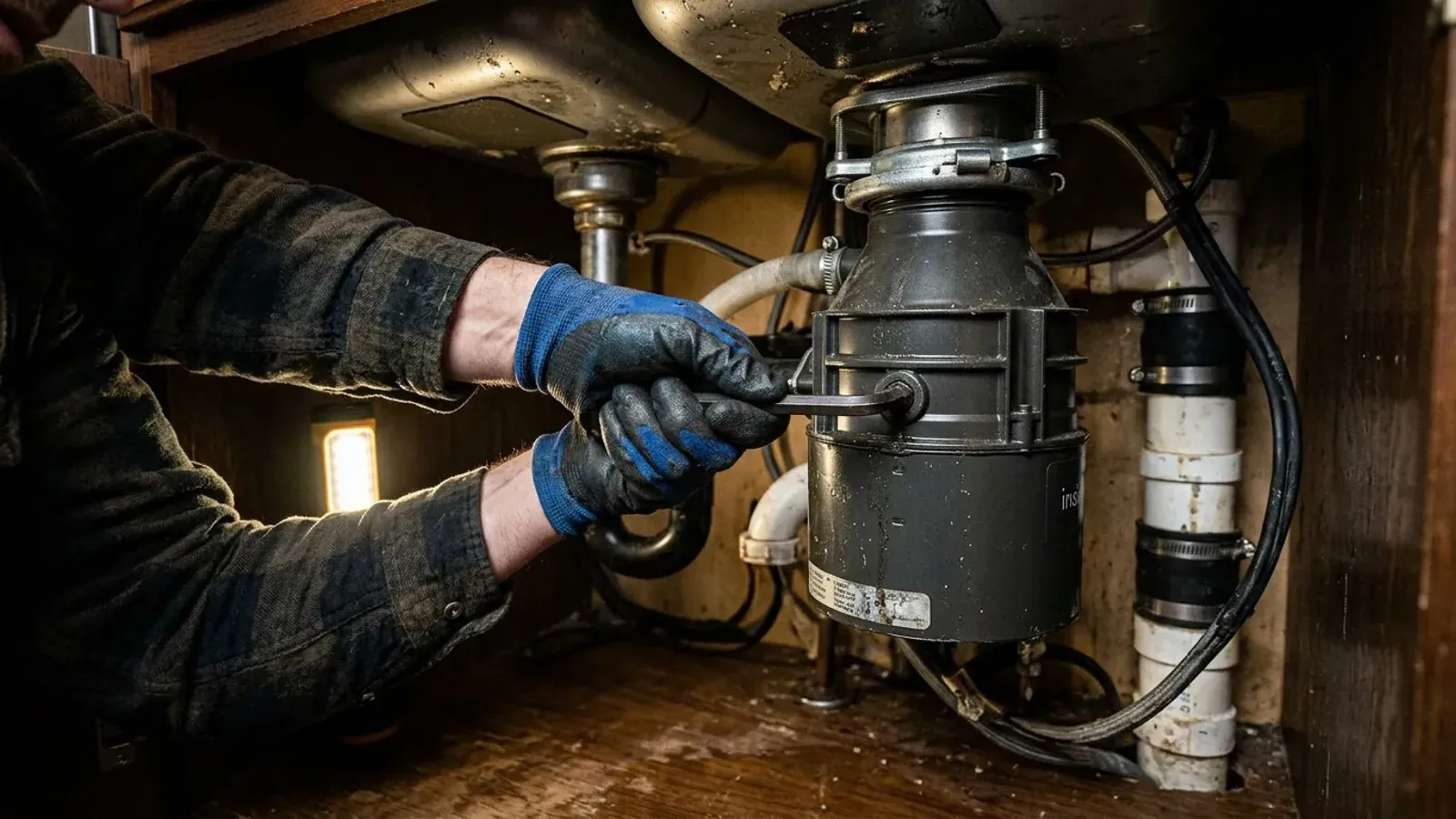
To check if this is the problem, first turn off the wall switch and ensure the disposal is empty. Reach under the sink and feel the bottom of the disposal housing for a small, often red or black, button. If you find the button is pushed out, press it back in until it clicks. If it stays in, turn on the power to see if the unit works.
Wait at least ten minutes for the motor to dissipate heat before attempting the reset. If the button pops out again immediately, the motor is likely still jammed or has an internal fault. You should never force the button to stay in if it keeps popping out. Doing so can cause the motor windings to overheat and create a fire hazard.
If the unit remains silent after a successful reset, the issue lies elsewhere in the electrical supply. Check your home’s main circuit breaker panel for a tripped switch before calling a professional. If the disposal hums but doesn’t spin, the internal impeller is likely seized by debris.
Use an Allen wrench in the center hole at the bottom of the unit to manually rotate the shaft. If it doesn’t turn with moderate pressure, don’t force it, as you may snap the internal drive coupling.
Clearing a physical jam
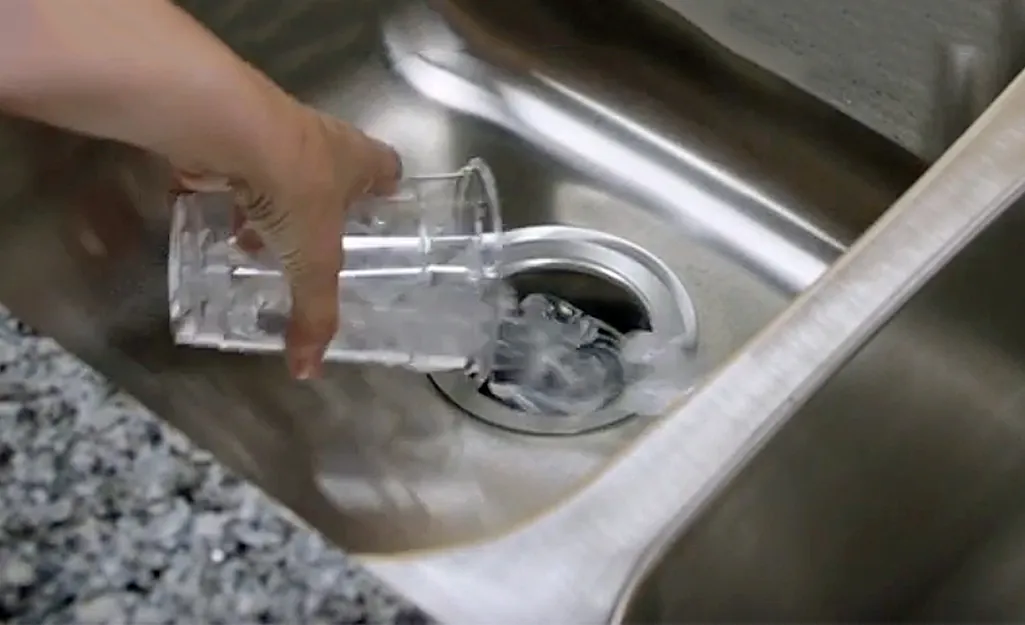
A jammed impeller is the second most common cause for a unit that hums but doesn’t spin. This occurs when a piece of bone, metal, or dense vegetable matter blocks the rotating plate. You can usually tell this is the problem if you hear a low, buzzing sound when you flip the switch, but the disposal stays completely still.
To test for this, turn off the power at the wall and unplug the unit if possible. Most disposals come with a specialized hex-shaped wrench that fits into a hole in the center of the bottom housing. Insert the wrench and rotate it back and forth to manually turn the grinding plate. If you feel resistance, keep working the wrench until the plate moves freely in both directions.
If you lack the manufacturer’s wrench, a standard Allen key of the correct size will suffice. Don’t attempt to force the plate with a screwdriver, as the leverage can damage the socket.
After clearing the obstruction, press the reset button on the bottom of the unit to reset the thermal overload protector. If the unit still hums and won’t turn, don’t keep the power on for more than three seconds. Continued power to a stalled motor leads to rapid heat buildup and can ruin the unit permanently.
If the blockage remains, use long-handled tongs to reach into the sink opening. Never use your fingers. If you can’t see the debris, use a flashlight to inspect the gap between the shredder ring and the impeller. If the plate remains locked despite your efforts, the internal bearings may be seized, necessitating a full unit replacement.
Electrical supply and circuit issues
Electrical problems are the third most likely cause when the unit is dead. If the disposal doesn’t make any sound at all when the switch is flipped, electricity isn’t reaching the motor. This is distinct from a mechanical jam, where you hear the motor straining or humming as it struggles to move.
Check your home’s electrical service panel to see if the breaker for the kitchen outlet has tripped. If the switch sits in the middle position, flip it to “off” and then back to “on.” If the breaker trips again immediately, you have an internal electrical short that requires a professional. Don’t reset it repeatedly, as this can cause heat damage to your wiring.
Inspect the outlet under the sink to ensure the power cord is pushed in firmly. Many homeowners mistake a loose plug for a motor failure. If the plug feels loose, the vibration of the unit may have caused it to wiggle out over time.
Some units are hardwired into a junction box rather than plugged into an outlet. If you have a hardwired connection, don’t attempt to open the electrical box or touch the wires yourself. Improper wiring or tampering with electrical components poses a significant risk of shock or fire.
If the cord is secure and the breaker is on, but the unit remains silent, the internal wiring or the wall switch is likely broken. Test the wall switch by plugging a small lamp into the outlet to see if it turns on. If the lamp fails, replace the wall switch before assuming the disposal motor is dead.
Rare causes for unit failure
-
Failed wall switch: The switch itself may have worn-out internal contacts. Test this by listening for a crisp click when you toggle it. If the switch feels mushy or silent, the internal spring has likely snapped. Replace the switch before assuming the appliance itself is dead.
-
Stuck internal seal: Mineral deposits or dried food residue can freeze the rotor. If you hear a low hum but the unit doesn’t spin, use an Allen wrench in the center hole beneath the unit to manually rotate the shaft. If it resists, the seal is seized.
-
Worn motor bearings: A loud grinding or screeching noise before total failure indicates the bearings have reached their end. If you detect this sound, stop using the unit immediately. Running it further can warp the motor housing, turning a simple bearing replacement into a total unit replacement.
-
Failed start capacitor: Some models use a capacitor to kickstart the motor. If this part dies, the motor can’t begin its rotation cycle. If the unit is silent but draws power, a technician can confirm whether the part has failed.
Repairing these issues requires specialized tools. If you suspect an internal electrical failure, contact a professional. Attempting to disassemble the main housing often voids your warranty and risks permanent leaks.
What a fix usually involves
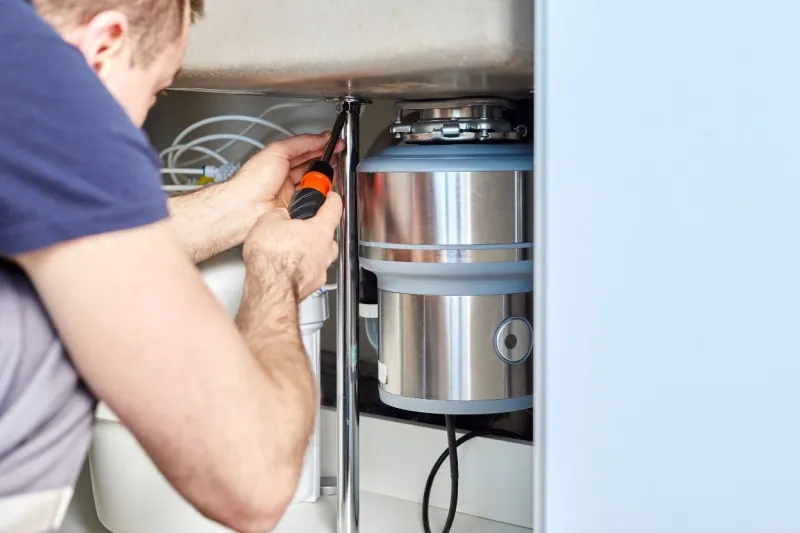
Fixing a disposal is often a matter of time rather than expensive parts. If the problem is a simple jam or a tripped reset button, you only need the hex wrench that came with the unit and a few minutes of your time. These fixes cost nothing if you have the tool, and the effort is comparable to changing a lightbulb or resetting a tripped breaker in your home.
If the unit is truly dead, a replacement is often more cost-effective than professional repair. Professional labor costs for plumbing work vary based on your local area and the complexity of the installation.
You can get a real quote by calling a local plumber and describing the make and model of your unit, which you can find on the manufacturer’s label on the side of the disposal. Always check the official website of your unit’s manufacturer for troubleshooting guides specific to your model before buying any replacement parts.
Frequently Asked Questions
Can I use a screwdriver to clear a jam?
No, you should only use the manufacturer-provided hex wrench or an appropriately sized Allen key to avoid damaging the socket. Insert the screwdriver into the opening at the bottom of the unit and use it as a lever to gently turn the plate. Never put your hands or fingers inside the sink opening while the power is connected, as the blades are extremely sharp.
Is it safe to pour chemicals into a jammed disposal?
No, you should never pour chemical drain cleaners into a jammed disposal. These chemicals can splash back onto your skin or eyes and may damage the rubber seals inside the unit. If the mechanical fix doesn’t work, the obstruction is likely too dense for chemicals to dissolve, and you should call a plumber instead.
How do I know if the motor is burned out?
The motor is likely burned out if you smell a strong, acrid electrical odor coming from the unit. If you have confirmed the breaker is on, the reset button is pushed in, and the unit isn’t jammed, yet it remains completely silent, the motor has likely reached the end of its life. A burnt-out motor can’t be repaired and requires a full unit replacement.
How long does a garbage disposal usually last?
A standard residential garbage disposal has a typical lifespan with proper use. This estimate assumes you only put soft food waste into the unit and avoid fibrous materials like celery or corn husks. The actual lifespan depends on how often you use the unit and whether you run enough water to clear the grinding chamber thoroughly after every use.
Why does my disposal trip the breaker every time I use it?
Your disposal trips the breaker because it’s drawing more current than the circuit can safely handle. This often happens if the unit is overloaded with too much food or if there’s a short circuit in the motor wiring. Stop using the unit immediately and have an electrician check the circuit capacity, as repeated trips can damage your home’s wiring.
Does it matter if I use hot or cold water?
Yes, you should always use cold water when running the disposal. Cold water keeps the grease from the food waste in a solid state, which allows the blades to chop it up and move it down the drain. Hot water melts grease, which can then coat the pipes and lead to clogs further down the line once the water cools.
Conclusion
If the unit still doesn’t hum after you’ve pressed the reset button, there might be a deeper electrical problem or a seized motor. Don’t hesitate to call a professional plumber if you’re uncomfortable working near the wiring. It’s better to be safe than to risk damaging your kitchen’s plumbing system further.